
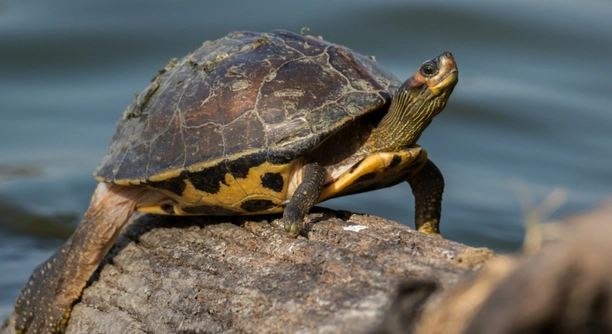
If you have an Indian Roofed Tortoise, you might wonder if it’s getting enough sunlight for its health and well-being. Sunlight is crucial for its growth and vitality, and it’s important to make sure it’s getting just the right amount.
Ensuring your Indian Roofed Tortoise gets enough sunlight involves providing exposure to UVB rays, which help it metabolize calcium and maintain a healthy shell. Aim for 10-12 hours of light daily, either natural or with UV lamps.
Proper sunlight exposure promotes a happy and healthy tortoise. Understanding the factors that contribute to this will help you give your tortoise the care it needs to thrive.
The Importance of UVB Light for Your Tortoise
UVB light is essential for your Indian Roofed Tortoise because it helps in calcium absorption. Calcium plays a key role in shell development, bone health, and overall growth. Without sufficient UVB light, your tortoise may develop metabolic bone disease, which can lead to deformities or even death. Natural sunlight is the best source of UVB rays, but it’s not always possible to provide this consistently. If you’re unable to offer enough natural sunlight, using a UVB lamp is a practical solution. Be sure to position the light at an appropriate distance, as too much exposure can cause stress or burns.
UVB light should be provided for 10-12 hours a day. It is best to set a timer to maintain consistency.
Too little exposure to UVB light can also lead to lethargy and a lack of appetite in your tortoise. Over time, this can weaken their immune system, making them more vulnerable to other health issues.
How to Create a Proper Sunlight Environment
Even if you’re unable to provide consistent direct sunlight, creating an optimal light environment is crucial. For indoor setups, choose a UVB lamp specifically designed for reptiles. Keep the light source within the recommended range, usually 10-12 inches from your tortoise’s basking spot. Replace the bulb every six months, as UVB output decreases over time. Place your tortoise’s habitat in a location where it can benefit from natural light, such as near a window that doesn’t block UV rays. A basking spot that’s too cold will discourage your tortoise from coming out of its shell, while a spot that’s too hot can cause overheating.
Additionally, make sure your tortoise has a cool side where it can escape from direct light if needed. This variety in temperature helps mimic the natural environment and lets your tortoise regulate its body temperature.
Signs of Insufficient Sunlight
If your Indian Roofed Tortoise isn’t getting enough sunlight, you may notice changes in its behavior. It might become lethargic, spend more time hiding in its shell, or lose its appetite. A lack of energy is one of the first signs that your tortoise isn’t absorbing enough UVB light. Over time, these signs can develop into more severe health issues, including weak limbs or an abnormal shell. This can make it difficult for your tortoise to move around or properly digest food.
In some cases, you might notice that your tortoise’s shell begins to soften or take on an abnormal shape. This is due to calcium deficiencies, which are directly linked to insufficient UVB light exposure. It’s important to observe these early signs carefully and take action before things progress.
If left unaddressed, calcium deficiencies can cause metabolic bone disease. This serious condition affects the skeletal structure and can significantly shorten your tortoise’s life expectancy.
The Role of Temperature in Sunlight Exposure
Temperature is another key factor in providing proper sunlight. Your tortoise needs both UVB light and heat to stay healthy. If the basking area is too cold, your tortoise will not be able to absorb the calcium from its food. Similarly, if the area is too hot, it might become stressed or overheated, which can also be harmful. Aim for a temperature gradient in the habitat, where one side is warmer for basking, and the other is cooler for resting.
The ideal basking temperature for your tortoise should range between 90°F and 95°F. The cooler side of the habitat should be around 75°F to 80°F. Having these temperature zones lets your tortoise regulate its body heat and ensures it can digest food properly. Without a proper heat source, your tortoise might have trouble moving, eating, or even breathing. It’s important to monitor the temperatures in the habitat regularly to ensure they stay within the correct range.
A reliable thermometer can help you track the temperature changes throughout the day, especially when using heat lamps or placing your tortoise outside. Proper heat combined with UVB light creates an optimal environment for your tortoise’s health.
The Benefits of Natural Sunlight
Natural sunlight is the best source of UVB for your Indian Roofed Tortoise. Exposure to sunlight helps boost its immune system and promotes natural behavior. When outdoors, the rays not only provide UVB but also heat, which supports digestion and overall activity.
However, if you’re unable to provide natural sunlight daily, ensure that the UVB light in its habitat is of good quality. While UVB lamps can mimic sunlight, they don’t replace the full spectrum of natural rays. If possible, set up an outdoor enclosure where your tortoise can bask in the sun for a few hours each day.
The Risks of Overexposure to Sunlight
Too much sunlight can also be harmful. Overexposure can lead to overheating, dehydration, and burns. Make sure your tortoise has access to shaded areas where it can cool down. Provide a safe spot that protects from direct sunlight during the hottest part of the day.
Use a thermometer to keep track of the temperature in your tortoise’s outdoor space. It’s important to ensure the environment stays balanced and doesn’t get too hot.
When to Consider UVB Lamps
UVB lamps are essential if your tortoise cannot get enough sunlight. These lamps simulate the sun’s rays and ensure your tortoise gets the necessary UVB exposure. Make sure the lamp is the correct type and strength for your tortoise’s specific needs.
It’s important to replace the bulb regularly since its UVB output diminishes over time, even if it still emits light. Keep the lamp within the recommended distance from your tortoise to ensure proper exposure. This will help maintain its health and prevent issues related to UVB deficiency.
FAQ
How much sunlight does my Indian Roofed Tortoise need each day?
Your Indian Roofed Tortoise should get around 10 to 12 hours of sunlight every day. If possible, allow it to bask in natural sunlight for part of the day. If natural sunlight is unavailable, you can use UVB lamps to provide artificial sunlight. Make sure the lamp is the right strength and positioned at the proper distance. This will help ensure that your tortoise receives the necessary UVB light for calcium absorption and healthy growth. Regularly check the intensity and distance of your light source to maintain an ideal setup.
Can I leave my Indian Roofed Tortoise outside in the sun?
Yes, you can leave your Indian Roofed Tortoise outside for short periods, provided the temperature is not too hot or cold. It’s important to monitor the temperature carefully. Make sure the area has shaded spots where your tortoise can retreat if it gets too warm. Outdoor enclosures are a great way to offer natural sunlight while ensuring the tortoise can move to a cooler area if needed. Always supervise the tortoise to make sure it’s safe from predators and environmental hazards.
How can I tell if my tortoise is getting too much sunlight?
Signs of overexposure to sunlight include lethargy, excessive panting, and visible stress. If your tortoise starts retreating into its shell more often or shows signs of overheating, it’s likely that it’s getting too much direct sunlight. Additionally, check for signs of dehydration or sunburn on its skin. Ensure that your tortoise always has access to shaded areas and fresh water to prevent overexposure. A thermometer will help you track temperatures, especially in outdoor setups, and prevent overheating.
What should I do if my tortoise isn’t getting enough sunlight?
If your tortoise isn’t getting enough sunlight, try increasing the amount of time it spends under UVB light. If you can’t provide enough natural sunlight, invest in a high-quality UVB lamp. Position the lamp so it’s about 10-12 inches from your tortoise, and make sure it’s replaced every six months. Regularly monitor your tortoise’s behavior to spot any signs of insufficient sunlight, such as lethargy, softening of the shell, or lack of appetite. You can also create an outdoor space for limited sunlight exposure.
Can my Indian Roofed Tortoise get enough UVB light from regular household lighting?
No, regular household lights do not provide the UVB rays your tortoise needs. Standard bulbs, like incandescent or LED lights, do not emit UVB light, which is essential for your tortoise’s calcium metabolism. To ensure proper UVB exposure, you need to use a UVB-specific bulb designed for reptiles. These bulbs are specially made to mimic natural sunlight and help in calcium absorption. Always make sure to place the bulb at the correct distance from your tortoise to ensure effective UVB exposure.
What temperature should my tortoise’s basking area be?
The basking area for your tortoise should be between 90°F and 95°F (32°C to 35°C). This allows your tortoise to regulate its body temperature and absorb the necessary heat for digestion and overall health. Ensure that the basking area is well-lit with a UVB lamp if you’re not using natural sunlight. The cool side of the habitat should be around 75°F to 80°F (24°C to 27°C) so your tortoise can move to a cooler area if it needs to escape the heat. A temperature gradient gives your tortoise the freedom to choose its preferred environment.
How do I know if my tortoise has a calcium deficiency?
Signs of calcium deficiency in your tortoise can include softening or deformities in the shell, difficulty moving, and weakened limbs. Calcium is vital for your tortoise’s bone structure and shell health. Without enough calcium, the shell may become brittle, or your tortoise may develop metabolic bone disease. If you notice these symptoms, it’s essential to check its UVB light exposure and make sure it’s getting enough calcium through its diet. Offering a calcium supplement and improving light exposure may help reverse the deficiency.
Is it okay to use a heat lamp along with a UVB lamp?
Yes, using both a heat lamp and a UVB lamp is highly recommended for your Indian Roofed Tortoise. The heat lamp provides the necessary warmth for basking, while the UVB lamp ensures your tortoise gets the proper UV rays for calcium absorption. These two light sources work together to mimic the natural environment. Place the heat lamp at one end of the enclosure to create a basking area, and position the UVB lamp over the same spot. Be sure to monitor both temperature and UVB intensity to keep your tortoise healthy.
Can UVB lamps replace natural sunlight completely?
While UVB lamps are a good substitute, they cannot fully replace natural sunlight. Natural sunlight provides a full spectrum of light, including UVB, UVA, and visible light, which is better for your tortoise’s well-being. If possible, try to provide your tortoise with some time outdoors for natural sunlight. If that’s not feasible, UVB lamps are the next best option. Be sure to use a quality UVB bulb and ensure it’s replaced regularly to maintain the necessary light output.
How often should I replace my UVB bulb?
UVB bulbs should be replaced every 6 to 12 months, even if they still emit visible light. The UVB rays they produce gradually decrease over time, which means your tortoise is not getting the full benefits after several months of use. To keep your tortoise healthy, it’s crucial to follow the manufacturer’s recommendation for bulb replacement. Also, remember to check the distance between the lamp and your tortoise to ensure it’s within the appropriate range for effective UVB exposure.
Final Thoughts
Providing your Indian Roofed Tortoise with the right amount of sunlight is crucial for its overall health. Whether you’re offering natural sunlight or using UVB lamps, the goal is to ensure that your tortoise gets enough UVB exposure. This helps with calcium absorption, which is necessary for its shell and bone health. Without sufficient UVB light, your tortoise could develop serious health issues such as metabolic bone disease, softening of the shell, or lethargy. It’s essential to create an environment where your tortoise can get a balanced amount of light and heat to thrive.
In addition to UVB light, temperature plays an important role in your tortoise’s health. Maintaining the proper basking temperature of around 90°F to 95°F is essential for digestion and overall well-being. The cool side of the habitat should be cooler, about 75°F to 80°F, so your tortoise can regulate its body temperature as needed. A temperature gradient gives your tortoise a choice of where to rest, which is key for maintaining good health. A thermometer is a good tool to have on hand to ensure the temperature stays in the correct range.
Lastly, be mindful of both underexposure and overexposure to sunlight. Too little light can lead to vitamin deficiencies and weakened bones, while too much sunlight can cause overheating or sunburn. Creating a safe and balanced environment with proper UVB exposure, temperature control, and shaded areas for rest will allow your Indian Roofed Tortoise to live a healthy, active life. Regular observation and adjustments to its habitat will ensure that your tortoise stays comfortable and well-cared-for in the long run.

Hello,
If you enjoy the content that we create, please consider saying a "Thank You!" by leaving a tip.
Every little bit helps us continue crafting quality advice that supports the health, happiness, and well-being of pets around the world, for pets of all shapes, sizes, and species.
We really appreciate the kindness and support that you show us!