
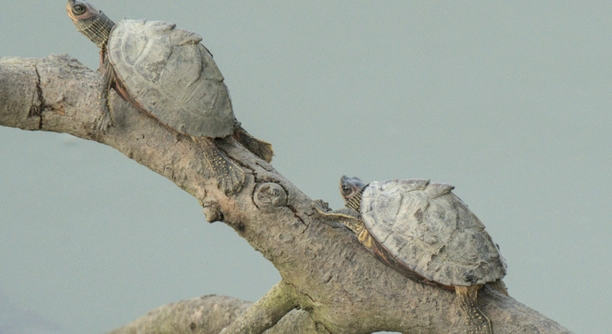
An Indian Roofed Tortoise makes a great pet, but maintaining the right environment for them is essential. One of the most important aspects is keeping their enclosure dry and comfortable. A dry habitat promotes their health and well-being.
Keeping your Indian Roofed Tortoise enclosure dry requires consistent care. Control humidity levels, use absorbent substrates, and manage water sources properly. Make sure the enclosure is well-ventilated and monitor the enclosure’s moisture levels to avoid unwanted humidity.
Maintaining dryness in your tortoise’s enclosure can be easy with simple steps. From selecting the right materials to managing the airflow, these tips will help you create a safe, dry home for your tortoise.
Choose the Right Substrate to Absorb Moisture
The substrate you use in your tortoise’s enclosure plays a major role in keeping the habitat dry. Opt for materials like coconut coir, sphagnum moss, or cypress mulch, which are excellent at absorbing moisture. Avoid using sand or clay-based products, as they can retain too much water. If the substrate gets too wet, it may lead to high humidity levels that aren’t ideal for your tortoise.
A dry substrate helps maintain proper humidity levels while providing a comfortable surface for your tortoise to walk on. Replacing the bedding regularly is key to ensuring your tortoise’s environment stays dry.
In addition to the substrate, consider layering it with a towel or mat to prevent moisture from seeping through to the bottom of the enclosure. Regularly check the substrate for damp spots and replace it when necessary. You can also spot-clean the bedding to remove any waste that might affect moisture levels.
Control the Water Supply
Excess water in the enclosure can increase humidity levels, which is not ideal for your tortoise. Avoid over-watering plants or leaving standing water in the tank. Instead, offer a shallow dish of water for drinking and bathing, which can be easily replaced to maintain dryness.
Excess moisture from constant water exposure can cause bacteria growth, mold, and discomfort for your tortoise. Make sure to use a small water dish that can be easily cleaned. Placing a water dish with a ramp allows your tortoise to access it easily without it being too large to affect the humidity.
Additionally, avoid over-wetting the substrate or using water features like fountains, as they tend to increase moisture levels significantly. It’s important to regularly monitor water conditions and ensure they aren’t compromising the dryness of the enclosure.
Use a Properly Sized Enclosure
An enclosure that’s too small can lead to excessive humidity. A larger space allows for better airflow and reduces moisture buildup. Ensure that the size of the habitat is appropriate for your tortoise’s needs. This provides better temperature regulation and ventilation, keeping things dry.
A spacious enclosure is also more comfortable for your tortoise. With enough room to move around, your tortoise can avoid damp spots and find dry areas. The extra space gives you the flexibility to place substrates, hides, and water dishes properly, all of which help maintain a dry environment.
Avoid overcrowding the enclosure with too many accessories or items that block airflow. Make sure your tortoise has plenty of room to roam and dry off. Consider adding raised platforms or logs that provide dry surfaces for basking, away from any damp areas.
Optimize Ventilation
Good airflow is crucial in keeping the enclosure dry. Without proper ventilation, moisture gets trapped and the environment becomes too humid. Ensure your tortoise’s enclosure has sufficient airflow to allow moisture to escape. You can add small ventilation holes or mesh screens to the top or sides.
Ventilation is key to maintaining a healthy balance of humidity. Proper airflow prevents condensation from building up and reduces the chances of mold and bacteria forming. Be careful not to overdo it; too much airflow can dry out the environment too much. Aim for a balance where the enclosure remains dry but not too arid.
Check the ventilation regularly to ensure there’s no blockage. If you notice any excess moisture on the walls or substrate, adjust the airflow or the placement of objects inside the tank. The goal is to keep things dry without over-drying your tortoise’s home.
Keep the Enclosure in a Dry Location
Place your tortoise’s enclosure in a dry area, away from direct sunlight or areas with high humidity. A spot that is too moist will increase the risk of dampness in the habitat, so choose wisely. Keeping it away from kitchens or bathrooms is a good idea.
Ideally, the enclosure should be placed in a room with consistent temperature and low humidity. This will help maintain a stable and dry environment. Avoid placing it near windows where rain or humidity might affect the conditions. A controlled indoor environment is best.
Use Absorbent Materials for Cleaning
For quick clean-ups, use absorbent materials like paper towels or sponges to soak up excess moisture. These are easy to replace or wash, ensuring a dry habitat for your tortoise. Avoid materials that trap water or moisture for long periods.
Paper towels or rags are great for wiping down areas where moisture accumulates, like around the water dish or substrate. Keep a regular cleaning schedule to remove dampness promptly and maintain a dry environment. If you spot wet spots, act quickly to prevent any mold or bacteria growth.
Add Dry Hides and Shelters
Providing dry hiding spots and shelters is essential for your tortoise to escape any excess moisture. Use dry wood, ceramic, or plastic hides that are easy to clean and don’t retain moisture. These hides offer a safe and dry space.
A hide provides your tortoise with a place to rest comfortably away from damp areas. Ensure that the hide is placed in a dry part of the enclosure, preferably elevated off the substrate to avoid moisture buildup. It should also be well-ventilated to avoid trapping moisture inside.
FAQ
How often should I clean my Indian Roofed Tortoise enclosure to keep it dry?
Cleaning your tortoise’s enclosure should be done regularly, at least once a week. Spot clean daily by removing any waste, uneaten food, and damp bedding. Moisture buildup can be prevented by quickly cleaning up wet areas to maintain a dry and healthy environment.
Substrate should be replaced every 2-4 weeks, depending on how much moisture it retains. If it gets too wet, it will be harder to keep dry, and replacing it frequently helps maintain cleanliness. Always make sure to sanitize the entire enclosure thoroughly when cleaning to avoid bacteria buildup.
Can I use a heat source to help with drying the enclosure?
Yes, a heat source can help maintain the right temperature and dry out any excess moisture in the enclosure. However, it’s essential to control the temperature and humidity balance. Heat should not be too intense, as it can dry out the environment excessively, making it too arid for your tortoise.
A ceramic heat emitter or a low-wattage heat lamp can be useful for providing a gentle, consistent heat source. Be sure to monitor the temperature regularly to avoid creating dry spots or areas that are too hot. Always aim for a warm, consistent climate without drastic fluctuations.
Should I use a dehumidifier in my tortoise’s enclosure?
Using a dehumidifier can be helpful if the room’s humidity is too high, but it’s not typically necessary for a tortoise’s enclosure. If you notice persistent dampness or excessive moisture, a dehumidifier might help reduce humidity levels in the room, but it should not be placed directly in the enclosure.
Instead, try controlling humidity with proper ventilation and cleaning practices. Excess moisture can also be reduced by adjusting water dish placement and ensuring the enclosure is large enough to allow for air circulation. Regular monitoring and adjustment of the environment will help maintain the proper balance.
What type of water dish should I use in my tortoise’s enclosure to prevent moisture buildup?
Use a shallow water dish that’s easy to clean and replace regularly. Avoid deep water bowls as they can contribute to humidity by evaporating water into the air. A shallow dish minimizes the chance of water accumulating and affecting the dryness of the substrate.
The water should be changed daily to keep it clean and free of bacteria. Ensure your tortoise has access to water without it being a source of excessive moisture in the enclosure. By keeping the dish small and regularly replacing the water, you help maintain a more consistent, dry environment.
Can I use live plants in my tortoise’s enclosure without increasing humidity?
Live plants can be included in your tortoise’s habitat, but they must be chosen carefully to avoid increasing humidity. Some plants are more suited to dry environments and can thrive without creating too much moisture. Examples include succulents and low-maintenance cacti.
Be sure to select plants that don’t require constant watering, and always monitor humidity levels to prevent the plants from causing excess moisture buildup. You can also use non-live plants like artificial foliage if you want to add greenery without the risk of humidity problems.
How can I tell if my tortoise enclosure is too humid?
Signs that your tortoise’s enclosure is too humid include condensation on the walls, a damp smell, mold growth, or the substrate remaining wet for extended periods. If your tortoise’s shell appears to have moisture buildup or if the substrate feels excessively soggy, these are indicators of too much humidity.
You can also use a hygrometer to measure humidity levels. Aim for 40-60% humidity for most tortoises. If it exceeds this range, adjust the environment by improving ventilation, reducing water sources, or using a dehumidifier.
What should I do if my tortoise’s substrate becomes too wet?
If the substrate becomes too wet, remove the wet portion immediately and replace it with dry bedding. If the entire substrate is soaked, replace it entirely. Wet bedding can cause bacteria growth, mold, and discomfort for your tortoise, so it’s important to act quickly.
Additionally, ensure the area is well-ventilated to prevent moisture from accumulating again. Check the enclosure for any leaks or water sources that may be contributing to the excess moisture. Regularly monitor the substrate to ensure it stays dry and safe for your tortoise.
Can I use a plastic container for my tortoise’s enclosure to keep it dry?
Plastic containers can be used as enclosures, but they need to be properly ventilated. Without proper ventilation, a plastic container can trap moisture, making it difficult to keep the environment dry. Be sure to drill small holes or add mesh for airflow to reduce the risk of humidity buildup.
Plastic enclosures are easy to clean, which can help maintain a dry habitat. However, always monitor moisture levels, as plastic can sometimes retain heat and moisture more than other materials. Make sure the temperature and humidity are balanced for your tortoise’s comfort.
Final Thoughts
Keeping an Indian Roofed Tortoise in a dry, comfortable environment is essential for its health and well-being. Moisture can lead to health problems such as respiratory infections or shell rot, so maintaining the right humidity and dryness in its enclosure is crucial. By following simple steps like using absorbent substrates, controlling water levels, and optimizing ventilation, you can create a safe space for your tortoise. These small changes can make a big difference in the quality of your pet’s life and overall happiness.
Regular cleaning and careful monitoring of your tortoise’s habitat will help you stay ahead of any humidity issues. By checking moisture levels regularly, you can avoid unwanted surprises. You don’t need to be overly cautious, but a simple routine of cleaning, checking the water dish, and adjusting airflow can help you maintain the right balance. Ensuring your tortoise’s environment stays dry isn’t a one-time task; it’s an ongoing process that requires attention. As long as you make these small efforts, you’ll be providing a much healthier environment for your tortoise to thrive in.
Remember, every tortoise is unique, so what works for one may need slight adjustments for another. Keeping an eye on your tortoise’s behavior and how it interacts with its environment can provide valuable clues. If your tortoise appears stressed or inactive, it might be time to adjust humidity or make other changes. With some trial and error, you will find the best way to maintain a dry and comfortable home for your Indian Roofed Tortoise. Simple, consistent care will help ensure that your pet stays healthy, happy, and dry.

Hello,
If you enjoy the content that we create, please consider saying a "Thank You!" by leaving a tip.
Every little bit helps us continue crafting quality advice that supports the health, happiness, and well-being of pets around the world, for pets of all shapes, sizes, and species.
We really appreciate the kindness and support that you show us!