
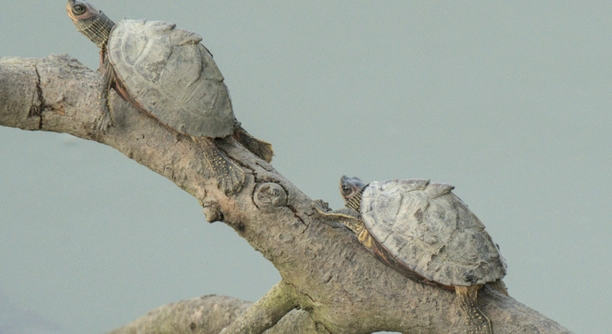
The Indian Roofed Tortoise is a unique pet that requires specific care for healthy growth. Many factors contribute to its growth rate, from environmental conditions to diet and lifestyle. Understanding these factors can help you provide the best care.
Several key factors affect the growth rate of an Indian Roofed Tortoise, including diet, temperature, humidity, habitat, genetics, health, and exercise. A proper balance of these elements is essential to ensure optimal growth and overall well-being.
These factors will help you provide a more balanced environment and foster your tortoise’s growth. Understanding each element will guide you in taking the necessary steps to improve its development and health.
The Role of Diet in Growth
The diet of an Indian Roofed Tortoise plays a vital role in its growth rate. A balanced diet is necessary for providing the essential nutrients that support bone and shell development. A good mix of leafy greens, fruits, and vegetables should be offered regularly. In addition to these, calcium-rich foods like cuttlebone or calcium supplements are important for shell strength. Feeding them in proper portions, avoiding overfeeding, and ensuring they get variety in their diet helps in healthy growth. It’s also important to avoid foods that may be harmful, such as iceberg lettuce or high-oxalate vegetables, which can affect their health.
The right diet boosts overall health, ensuring your tortoise grows at a steady pace. Overfeeding or feeding the wrong types of food can harm their development. A well-rounded diet supports both short-term growth and long-term health.
A poor diet can lead to weak shells, stunted growth, or even serious health issues. Ensuring your tortoise gets the proper balance of protein, fiber, vitamins, and minerals helps avoid these problems.
Temperature and Humidity’s Impact
Temperature and humidity levels directly affect your tortoise’s growth rate. The ideal range for an Indian Roofed Tortoise is between 80-90°F (27-32°C) during the day and around 70°F (21°C) at night. Humidity should be maintained at 60-70% to prevent dehydration and promote healthy shedding.
Proper temperature encourages active digestion and metabolism, which are essential for growth. If it’s too cold or too hot, your tortoise may become lethargic and stop eating, which slows down growth. Ensuring a temperature gradient with a warm basking spot and cooler areas is crucial.
Humidity is equally important as it supports proper skin health and shedding. A dry environment can lead to respiratory issues and difficulty shedding, which can affect overall growth. Regular misting and a humidity gauge will help maintain the right conditions.
Habitat Setup for Optimal Growth
A spacious and well-designed habitat is essential for the tortoise’s growth. Your tortoise needs enough room to move around, explore, and exercise. A too-small enclosure can lead to stress, which may impact its health and growth rate. Ensure the enclosure is at least 40 gallons for one tortoise, with plenty of hiding spaces and access to clean water.
A clean and secure enclosure helps prevent diseases and encourages natural behaviors like foraging. Providing an outdoor enclosure, if possible, will give them access to natural sunlight and fresh air, which is beneficial for their growth. The enclosure should also have a proper substrate to retain moisture and avoid impaction.
A well-maintained environment, with fresh food and clean water, helps your tortoise grow faster and healthier. Always ensure that the space is safe from predators or other animals that could stress the tortoise.
Exercise and Activity Levels
Exercise is crucial for the growth of an Indian Roofed Tortoise. Regular movement helps in strengthening their muscles and promoting bone health. Allowing them space to roam and explore encourages natural behavior and supports healthy development.
Without enough exercise, tortoises may become overweight or experience stunted growth. They need room to walk and forage, which mimics their natural environment. Providing them with obstacles and items like rocks to climb will stimulate their physical activity.
Exercise not only improves their physical health but also prevents behavioral issues like stress or boredom. Regular movement is essential for long-term growth and well-being.
Genetics and Growth Rate
Genetics also plays a key role in how quickly an Indian Roofed Tortoise grows. Some tortoises may naturally grow faster than others, depending on their inherited traits. Understanding this can help set realistic expectations for your pet’s growth.
Even with the perfect diet, habitat, and care, some tortoises may still grow more slowly. Patience is important since growth rates can vary from one individual to another due to genetic factors.
Health and Wellness
The health of your tortoise directly affects its growth rate. Regular vet check-ups and monitoring for any signs of illness or parasites are essential. Illnesses or infections can slow down their growth and make them more susceptible to other health problems.
FAQ
What temperature is best for an Indian Roofed Tortoise?
The ideal temperature for an Indian Roofed Tortoise should be between 80-90°F (27-32°C) during the day. At night, temperatures should drop to around 70°F (21°C). If it gets too hot or cold, the tortoise may not eat or be active, which can slow its growth rate. Using a heat lamp or a ceramic heat emitter can help maintain the correct temperature in the enclosure.
How often should I feed my tortoise?
You should feed your Indian Roofed Tortoise daily, offering a variety of leafy greens, fruits, and vegetables. A good diet includes dandelion greens, kale, collard greens, and safe fruits like strawberries or apples. Offer small amounts of food to avoid overfeeding, as tortoises can be prone to obesity. The amount should be enough for them to finish in a few hours.
Can I feed my tortoise fruit every day?
While fruits are a healthy treat for your tortoise, they should not be given every day. Too much fruit, especially high-sugar fruits, can lead to health issues like diarrhea. Offer fruit once or twice a week as part of a balanced diet. Stick to safe fruits like apples, melons, or berries in moderation.
Do I need to give my tortoise supplements?
Yes, calcium and vitamin D3 supplements are important for the health and growth of an Indian Roofed Tortoise. Calcium is crucial for shell and bone development. A cuttlebone or calcium powder sprinkled over their food can provide the necessary calcium. Vitamin D3 helps with calcium absorption, especially if your tortoise doesn’t get enough natural sunlight.
How much space does an Indian Roofed Tortoise need?
A single Indian Roofed Tortoise should have at least a 40-gallon enclosure, but bigger is always better. The more space they have, the more they can explore and exercise. If possible, a larger outdoor enclosure would be ideal, as long as it is secure and free from predators.
Can I keep more than one tortoise together?
It’s possible to keep more than one Indian Roofed Tortoise together, but you need to monitor them closely. Some tortoises can become territorial and aggressive, especially if they feel crowded. If you do house more than one, ensure the enclosure is large enough to provide enough space for all of them to roam without conflict.
What is the lifespan of an Indian Roofed Tortoise?
Indian Roofed Tortoises can live for 50 years or more with proper care. Their lifespan is greatly influenced by their diet, habitat, and overall health. Ensuring they receive the correct environment and care can help them live a long and healthy life.
Can an Indian Roofed Tortoise live outside?
Yes, Indian Roofed Tortoises can live outside, but only in suitable climates. They require a warm environment, so they can be kept outdoors in areas that do not get too cold. The enclosure must be predator-proof, and you should provide plenty of hiding spots, food, and access to fresh water. Be sure to bring them inside during colder weather or use a heated shelter.
How do I know if my tortoise is sick?
Signs of illness in a tortoise include loss of appetite, lethargy, nasal discharge, difficulty breathing, or abnormal feces. If your tortoise shows any of these symptoms, it’s important to seek a vet specializing in reptiles immediately. Prompt treatment is crucial for preventing more severe health issues.
What kind of substrate is best for an Indian Roofed Tortoise?
The best substrate for an Indian Roofed Tortoise should be natural and absorbent, such as coconut coir, cypress mulch, or grass hay. These substrates help maintain humidity while also providing a natural environment for digging. Avoid sand or gravel, as these can cause impaction if ingested.
Is it necessary to provide UVB lighting for my tortoise?
Yes, UVB lighting is essential for your tortoise’s health. UVB helps in the production of vitamin D3, which is necessary for calcium absorption. Without UVB, your tortoise could develop metabolic bone disease, which affects growth and shell development. Make sure the UVB light is on for about 10-12 hours a day.
How do I handle my tortoise properly?
Handling your Indian Roofed Tortoise should be done gently and infrequently to avoid stress. Always support their body from the bottom, holding them by the sides of the shell, and avoid picking them up by their legs. Limit handling to short periods, as constant interaction can cause them stress.
Can I bathe my tortoise?
Yes, you can bathe your tortoise in warm water to help with hydration and shedding. Soak them in a shallow dish of water for 15-20 minutes a few times a week. Ensure the water is not too deep, and always supervise them to prevent drowning. Avoid using soaps or chemicals during baths.
How can I ensure my tortoise grows properly?
To ensure proper growth, provide a balanced diet, proper lighting, temperature, and humidity. Make sure they get enough exercise in a spacious and safe environment. Regular veterinary check-ups will help catch any health issues early, ensuring they continue to grow at a healthy rate.
What do I do if my tortoise’s shell is soft?
A soft shell often indicates a calcium deficiency or inadequate UVB light. Ensure your tortoise gets enough calcium through supplements and a proper diet. UVB lighting is essential for shell strength, so ensure it’s set up correctly. If the problem persists, consult a vet.
How can I tell if my tortoise is growing too slowly?
If your tortoise seems to be growing slower than expected, check that it is receiving proper care, including diet, temperature, humidity, and exercise. A slow-growing tortoise may be an indication of improper conditions or health issues. If the problem continues, a vet visit is recommended.
Final Thoughts
Caring for an Indian Roofed Tortoise requires attention to several important factors that directly impact its growth and well-being. Providing the right temperature, humidity, and diet is essential for helping your tortoise grow at a healthy rate. A proper environment with adequate space, proper lighting, and regular exercise will support its overall health and development. While each tortoise is unique and may grow at different rates, ensuring these basic needs are met can significantly improve their chances for healthy growth.
Additionally, regular health checks are vital. Monitoring for signs of illness and ensuring proper nutrition can prevent long-term health issues. Regular vet visits, especially during the early stages of life, will help catch any underlying health problems early. It’s also crucial to provide proper shelter, whether indoors or outdoors, to keep them safe from predators, extreme weather, or potential dangers. Creating a safe and comfortable environment for your tortoise will not only help it grow but also ensure it lives a long, happy life.
The growth rate of an Indian Roofed Tortoise can vary depending on its genetics, care, and environment. While it’s common for tortoises to grow slowly, proper care can speed up the process and ensure that they reach their full potential. By keeping track of all the factors discussed and providing a balanced, well-rounded lifestyle, you can ensure your tortoise grows strong, healthy, and happy. With patience, dedication, and the right approach, your tortoise can thrive and enjoy a long, fulfilling life in your care.

Hello,
If you enjoy the content that we create, please consider saying a "Thank You!" by leaving a tip.
Every little bit helps us continue crafting quality advice that supports the health, happiness, and well-being of pets around the world, for pets of all shapes, sizes, and species.
We really appreciate the kindness and support that you show us!