
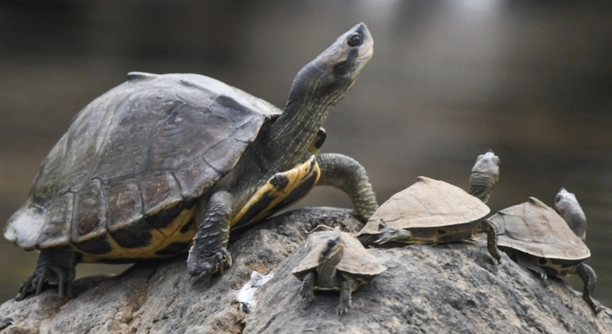
Your Indian Roofed Tortoise is a unique and fascinating pet, but sometimes it can be hard to know when it’s stressed. Understanding its behavior can make a big difference in how you care for it.
Tortoises show signs of stress through various behaviors such as hiding, pacing, and loss of appetite. These signs indicate an environmental issue or health concern that needs to be addressed. Identifying stress early is crucial for proper care.
Learning how to spot stress in your tortoise can improve its well-being and comfort. Understanding what causes stress will help you provide the best environment for your pet.
Recognizing Stress Signs in Your Indian Roofed Tortoise
Indian Roofed Tortoises can be very expressive, but sometimes their stress signs are subtle. They might pace around their enclosure, stop eating, or withdraw into their shell more often than usual. Changes in behavior are often the first clue something is wrong. When your tortoise seems uneasy, it might be trying to tell you that something is off in its environment or health. It’s important to pay attention to how it acts daily to catch any early signs of stress. Stress can lead to more serious health issues if not addressed, so it’s crucial to identify these changes as soon as possible.
A stressed tortoise may also refuse to bask or move around like it normally would. These physical behaviors can lead to a decline in overall health. Identifying stress early helps you act quickly and prevents further harm.
Addressing stress in your tortoise is key to keeping it healthy. If you notice any of the common signs of stress, such as lack of appetite or excessive hiding, it’s time to check its living environment. Make sure the temperature, humidity, and lighting conditions are appropriate for your tortoise. Stress can be caused by something as simple as a poorly maintained enclosure or inappropriate surroundings, so it’s worth checking every aspect of its habitat. Additionally, monitor its diet to ensure it’s receiving all the necessary nutrients. Reducing stress improves its overall happiness and longevity.
Environmental Factors That Cause Stress
The habitat your tortoise lives in plays a big role in its stress levels. A tank that’s too small, too hot, or too cold can make your pet uncomfortable and anxious. Tortoises need plenty of space to move around, with a mix of warm and cool areas for proper temperature regulation. If they can’t find the right spot to cool off or bask, it can lead to stress.
Temperature fluctuations are one of the most common causes of stress. Indian Roofed Tortoises are cold-blooded and rely on external heat sources to regulate their body temperature. If the temperature is too low, they may become lethargic and not eat properly. On the other hand, excessive heat can cause dehydration and heat stress, leading to a variety of health issues. The ideal temperature range for an Indian Roofed Tortoise is between 75°F and 85°F during the day, with a slight drop at night. Along with heat, humidity should be at an optimal level. Too much or too little humidity can cause discomfort and stress. Regularly check the temperature and humidity levels in your tortoise’s enclosure to ensure it stays within these ranges. A simple thermometer and hygrometer can help monitor these factors and ensure your tortoise is always comfortable.
Diet and Its Impact on Stress
A poor diet can lead to stress in Indian Roofed Tortoises. If your tortoise isn’t getting the right nutrients, it may show signs of discomfort or unease. A balanced diet is crucial for their health and well-being. Feeding your tortoise the wrong types of food can lead to digestive issues, stress, and even long-term health problems.
Indian Roofed Tortoises thrive on a variety of greens, vegetables, and occasional fruits. It’s essential to avoid feeding them foods that are too rich in protein or high in sugar, as these can cause imbalances. Incorporating leafy greens like dandelion, kale, and collard greens is ideal, as well as offering fibrous vegetables such as squash and bell peppers. You should also ensure they have access to fresh water daily. Improper nutrition can cause digestive problems, loss of appetite, or behavioral changes, all of which contribute to stress. Offering a varied, balanced diet will help keep your tortoise healthy and prevent unnecessary stress.
In some cases, if a tortoise is stressed, it may refuse to eat. This is a sign that something in its environment or diet isn’t right. If your tortoise isn’t eating, you should review its diet and living conditions. Check that the food is fresh and free from chemicals or pesticides. If the enclosure temperature is off, it can also affect digestion and appetite. Be patient when trying to encourage your tortoise to eat, and provide a comfortable environment for it to settle.
Social Interactions and Stress
Social stress can also affect your tortoise. While tortoises are generally solitary creatures, some may feel stressed by the presence of other tortoises or pets. It’s important to observe how your tortoise interacts with others. If it displays signs of aggression or retreating, it might be overwhelmed.
If you have more than one tortoise, it’s crucial to monitor their behavior to ensure there is no fighting or territorial behavior. Indian Roofed Tortoises can be territorial, and having multiple tortoises in the same space can cause them stress. This is especially true if they don’t have enough space to establish their own territories. Social interactions that lead to fighting or bullying can cause long-term stress and result in injuries. If your tortoise seems to be constantly hiding or avoiding other animals, it’s best to provide separate spaces for them. Keeping your tortoise in a calm, quiet environment where it feels safe is essential for reducing stress.
Excessive Handling and Stress
Excessive handling can also cause stress for your tortoise. While they can tolerate some interaction, too much contact can overwhelm them. Tortoises prefer to stay in their own space and might feel threatened if picked up too often.
Handling your tortoise too frequently can disrupt its sense of safety and cause it to retreat into its shell. This stress response can become worse over time if it’s not given enough quiet time to relax. It’s essential to let your tortoise explore its environment on its own without constant interference. Try to limit handling to brief, calm interactions and always observe your tortoise’s behavior closely. If it shows signs of discomfort, it’s best to give it space and allow it to rest.
Lack of Environmental Enrichment
An unstimulating environment can contribute to stress. Tortoises need more than just a basic habitat—they also need mental stimulation to stay happy. Without variety or interesting objects, your tortoise may feel bored and stressed.
Providing different types of hiding spots, rocks to climb on, and safe plants to explore can help keep your tortoise engaged. It’s also important to offer enough space for it to move around and explore freely. A barren enclosure can lead to frustration and anxiety, so regularly change things up and add new elements to its living space. This simple change can significantly reduce stress and improve your tortoise’s mood.
Stress and Health Problems
When your tortoise is stressed, its health can quickly decline. Stress impacts its immune system, making it more vulnerable to illness and injury. It’s important to monitor for physical signs that may indicate stress-related health problems, like weight loss or skin shedding issues.
If your tortoise isn’t eating, is overly lethargic, or is showing signs of weakness, these can be signs of more serious stress-related health concerns. Even minor stress can have long-lasting effects if it’s not addressed. Immediate action to improve your tortoise’s environment can help prevent further health issues and restore it to a more balanced state.
FAQ
What are the most common signs that my Indian Roofed Tortoise is stressed?
The most common signs of stress in an Indian Roofed Tortoise include excessive hiding, loss of appetite, pacing or restlessness, and changes in behavior such as refusing to bask. If your tortoise is typically active and social but suddenly becomes withdrawn or lethargic, it may be feeling stressed. You may also notice that it spends more time in its shell than usual, which is a sign of discomfort or fear. Physical signs, like dry or flaky skin, could also be linked to stress or environmental issues. Keeping an eye on your tortoise’s daily behavior can help you identify stress early.
How often should I handle my tortoise without causing stress?
Handling should be kept to a minimum to avoid stressing your tortoise. While they can tolerate brief, gentle interactions, frequent handling may cause anxiety. Only pick up your tortoise when necessary, such as for cleaning or during health checks. Ideally, limit handling to once or twice a week. When you do handle it, be sure to do so calmly and slowly, and avoid squeezing it too tightly. Allow your tortoise time to explore its environment independently, which helps maintain its natural behaviors and reduces stress.
Can my tortoise get stressed if the temperature in its habitat isn’t right?
Yes, temperature is one of the key factors that can cause stress in your tortoise. If the temperature in its enclosure is too high or too low, it can lead to discomfort, lethargy, and stress. The ideal temperature range for an Indian Roofed Tortoise is between 75°F and 85°F during the day. At night, the temperature should drop slightly, but not below 70°F. You should also create a temperature gradient, with a warm basking spot and a cooler area, so your tortoise can regulate its body temperature. If the temperature fluctuates too much or isn’t regulated properly, your tortoise may experience stress and health issues.
Is it possible for my tortoise to get stressed if it’s alone?
Indian Roofed Tortoises are solitary by nature, so they generally do well on their own. However, they still need environmental enrichment to feel secure and engaged. If your tortoise is kept alone but has a well-maintained habitat with plenty of space, hiding spots, and activities to explore, it should be fine. If you do add another tortoise, make sure they have enough space and that there is no competition for resources. Overcrowding or the presence of aggressive tortoises can lead to stress, but solitude alone isn’t typically a cause for concern.
How can I tell if my tortoise is stressed due to diet?
Stress from diet is often linked to a lack of nutrients or an improper food balance. If your tortoise refuses to eat or becomes lethargic after meals, it may not be getting the right nutrition. A lack of calcium or an excess of protein can cause digestive issues and general discomfort. Providing a balanced diet of dark leafy greens, high-fiber vegetables, and occasional fruits is crucial. Avoid offering sugary or overly fatty foods, as these can upset its digestive system. If your tortoise starts showing a lack of appetite or other physical symptoms, check its diet and make sure it’s getting the right foods.
What should I do if my tortoise is stressed and not eating?
If your tortoise isn’t eating, the first thing to do is check its environment. Ensure the temperature and humidity are within the proper range, as these can directly affect its appetite. Stress from an improper habitat is a common cause of loss of appetite. Next, check if there are any changes in the tortoise’s environment or daily routine that may have caused stress. If the issue persists, try offering a variety of foods to entice it to eat, and ensure all food is fresh and clean. If your tortoise still refuses to eat for several days, it may be time to visit a vet to rule out any underlying health issues.
Can too much light or lack of it stress my tortoise?
Yes, both too much light and too little light can stress your tortoise. Proper lighting is essential for their health, as it helps them regulate their body temperature and provides necessary UVB rays for vitamin D3 production, which is crucial for calcium absorption. If there’s not enough light, your tortoise may become lethargic and stressed. On the other hand, excessive direct light can cause heat stress and dehydration. Ensure your tortoise has a basking spot with a proper UVB light source, and a shaded area where it can retreat to cool down. Always maintain a light cycle that mimics natural daylight to help regulate its body.
What are the best ways to reduce stress in my tortoise?
To reduce stress, focus on creating a comfortable and safe environment for your tortoise. Start by ensuring that the habitat is spacious enough for it to move around freely. Add hiding spots, climbing rocks, and plants to encourage natural behaviors. Make sure the temperature, humidity, and lighting are within the optimal ranges. Offer a varied diet and avoid drastic changes in food or habitat. Minimize handling and interactions to avoid overwhelming it, and provide a quiet, peaceful environment. Keeping stress levels low is key to ensuring your tortoise stays healthy and happy.
Can stress in a tortoise lead to long-term health problems?
Yes, stress can lead to long-term health problems if not addressed. Chronic stress weakens the immune system and can result in digestive issues, dehydration, and even more serious illnesses like respiratory infections. Stress also increases the likelihood of behavioral problems, such as aggression or excessive hiding. If stress is not managed properly, it can shorten your tortoise’s lifespan and negatively affect its quality of life. It’s important to identify the causes of stress early on and take steps to correct the issues to prevent long-term health problems.
Final Thoughts
Recognizing stress in your Indian Roofed Tortoise is crucial to ensuring its well-being. These reptiles, like all pets, can experience stress from a variety of sources such as temperature changes, improper diet, or excessive handling. If left unchecked, stress can lead to both physical and behavioral issues, making it essential to be proactive in identifying the signs early. Observing your tortoise regularly and paying attention to changes in its behavior will help you spot stress and address the root causes quickly. Simple adjustments to its environment, diet, and daily care routine can often make a big difference in reducing stress levels and improving its overall health.
The environment plays a significant role in your tortoise’s comfort and stress levels. Ensuring the right temperature, humidity, and space will help prevent many stress-related issues. Additionally, providing enrichment in its habitat, such as hiding spots and objects to climb on, can keep your tortoise mentally stimulated and less likely to feel bored or frustrated. It’s also important to manage social interactions. While tortoises are solitary animals, having a well-maintained environment with minimal handling will allow them to thrive without added pressure. These simple steps can go a long way in creating a balanced and stress-free habitat for your tortoise.
Finally, remember that stress can have long-term effects on your tortoise’s health, and addressing it early is key to preventing more serious problems. A stressed tortoise may show signs such as loss of appetite, lethargy, or behavioral changes, all of which should not be ignored. By ensuring a comfortable environment, providing a healthy diet, and respecting their need for space, you can help your tortoise feel secure and content. It’s always better to be proactive in caring for your pet, so you can enjoy many healthy and happy years together.

Hello,
If you enjoy the content that we create, please consider saying a "Thank You!" by leaving a tip.
Every little bit helps us continue crafting quality advice that supports the health, happiness, and well-being of pets around the world, for pets of all shapes, sizes, and species.
We really appreciate the kindness and support that you show us!