
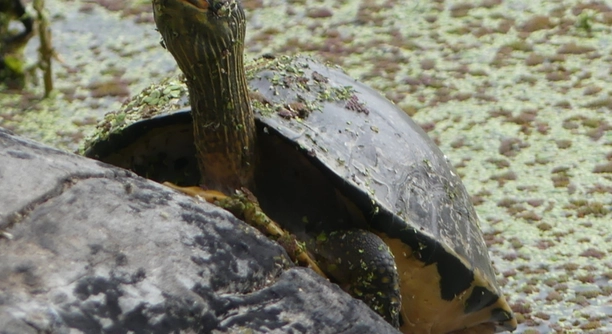
Indian Roofed Tortoise hatchlings are fascinating creatures that need special care during their early stages of life. They require attention to detail when it comes to their environment, diet, and overall well-being to thrive.
Indian Roofed Tortoise hatchlings need a warm and humid environment to grow properly. They require a balanced diet of fresh vegetables, fruits, and protein, along with access to clean water. Regular monitoring of their habitat ensures their health and safety.
Proper care of these hatchlings is essential for their development and longevity. With the right knowledge, you can provide a suitable home for your little tortoise to grow up healthy and strong.
Choosing the Right Habitat for Indian Roofed Tortoise Hatchlings
Creating a suitable habitat for your Indian Roofed Tortoise hatchlings is essential. They need a warm, dry area with proper humidity to thrive. A small, secure enclosure will work well, but make sure it’s big enough to accommodate their growth. Keep the temperature in the enclosure between 85°F and 90°F during the day, with a slight drop at night. This warmth encourages proper digestion and activity. Adding a heat source, like a heat lamp, can help achieve the right temperature. Humidity is equally important, so consider using a humidifier or misting the enclosure to keep it between 60% and 70%.
A suitable habitat will keep your hatchlings healthy and active. Ensuring the right conditions reduces the chances of stress and illness.
Hiding spots such as logs or rocks will help your hatchlings feel secure. A shallow water dish is also necessary for hydration and soaking, which aids in their digestion and overall health.
Feeding Indian Roofed Tortoise Hatchlings
Indian Roofed Tortoise hatchlings are primarily herbivores. Their diet should include a variety of leafy greens like lettuce, dandelion, and clover, along with small amounts of fruits like papaya or melons. Avoid feeding them high-oxalate vegetables such as spinach or beet greens, as these can cause health issues over time. Providing protein from insects or worms occasionally is beneficial, but their diet should mostly consist of plants.
The right balance in their diet supports growth and keeps them healthy. Hatchlings have delicate digestive systems, so it’s essential to feed them high-quality, fresh food to avoid long-term health problems.
Feeding them properly also supports their shell development. If they are not receiving the right nutrients, you may notice deformities in their shells or slow growth. Regularly changing the food and ensuring it’s free from pesticides is important for their well-being.
Maintaining Proper Humidity Levels
Keeping humidity levels in check is vital for Indian Roofed Tortoise hatchlings. Too much moisture can lead to respiratory issues, while too little can cause dehydration. Use a hygrometer to monitor the humidity and adjust it with a humidifier or misting if necessary.
Proper humidity helps your hatchlings stay hydrated and supports their skin and shell development. Regularly monitor the levels to ensure they stay within the ideal range of 60% to 70%. This is crucial, especially if you live in a dry climate. Avoid over-wetting the enclosure, as it can create mold or bacteria.
Incorporating a small water dish will also help your tortoises maintain hydration. It’s essential to keep the dish clean, changing the water regularly to prevent contamination. Cleanliness is key to avoiding illnesses. Even a small amount of standing water can lead to bacterial growth, so make sure it’s refreshed daily.
Lighting for Indian Roofed Tortoise Hatchlings
Proper lighting is essential for hatchlings to absorb necessary UVB rays. These rays help them metabolize calcium, which is crucial for their bone and shell health. Make sure the light source is UVB-specific and placed at the right distance from the tortoises.
UVB lighting should be provided for 10 to 12 hours a day. It’s important to use a high-quality bulb that mimics natural sunlight. Without it, your tortoises may suffer from calcium deficiencies, leading to metabolic bone disease. A reliable UVB light also promotes natural behavior and activity.
Additionally, ensure that the temperature in their habitat is properly regulated, as excessive heat can stress them out. A consistent light cycle and proper temperature create a balanced environment that supports healthy growth. You can also introduce natural sunlight a few times a week if safe for your tortoises.
Handling Indian Roofed Tortoise Hatchlings
Handling your hatchlings should be kept to a minimum, especially in the early stages. They can get stressed easily, and frequent handling can impact their growth and development. Only pick them up when necessary, like during cleaning or vet visits.
When you do handle them, make sure your hands are clean and dry. Avoid squeezing them too tightly or allowing them to fall. Let them explore their surroundings at their own pace. Over time, as they grow and adjust, they may become more tolerant of gentle handling. Keep sessions short.
Cleaning the Enclosure
Cleaning the enclosure is essential to maintain a healthy environment. A clean habitat reduces the risk of bacterial growth and keeps your hatchlings safe from infections. Remove leftover food daily, and spot clean waste as soon as you see it.
Once a week, do a deep clean by wiping down the surfaces and changing the bedding. Use safe, non-toxic cleaners to avoid harming your hatchlings. Replace any water and make sure the substrate stays dry and free from mold. Keeping everything tidy helps prevent disease and supports overall well-being.
Observing Health Changes
Regularly observe your hatchlings for signs of health issues. Unexplained changes in behavior, such as reduced activity or loss of appetite, could indicate stress or illness. Always monitor their eating habits and their mobility.
Early detection of health problems makes treatment easier and less stressful. If you notice anything unusual, don’t hesitate to consult a veterinarian familiar with reptiles. They can offer advice and treatment tailored to your tortoises’ needs. Regular checks help ensure your hatchlings remain healthy and happy.
FAQ
How often should I feed my Indian Roofed Tortoise hatchling?
You should feed your hatchling once a day. Provide them with fresh greens and vegetables, and offer a small amount of fruit. It’s important to avoid overfeeding, as this can lead to health issues. Be sure to remove any uneaten food at the end of the day to prevent mold or bacteria buildup. As they grow, you can adjust their portions to match their increasing size and appetite.
Can I feed my Indian Roofed Tortoise hatchling fruit?
Yes, you can feed your tortoise hatchling fruit, but it should be done in moderation. Fruit should be considered a treat rather than a staple part of their diet. Offer small amounts of fruit like melons, papayas, or berries. Too much fruit can cause digestive problems, so balance it with greens and other vegetables.
What kind of bedding should I use for my hatchling’s enclosure?
A good bedding option is coconut coir, which is soft, absorbent, and helps maintain humidity. You can also use a mix of soil and sand, but be sure it is free from chemicals. Avoid using cedar or pine shavings, as the oils can harm their respiratory system. Change the bedding regularly to maintain cleanliness.
Is UVB lighting necessary for my hatchling?
Yes, UVB lighting is essential for the health of your hatchling. UVB helps them metabolize calcium, which is important for shell and bone development. Without proper UVB exposure, your hatchling could develop metabolic bone disease, which can lead to deformities. Make sure to provide 10-12 hours of UVB light every day.
How do I maintain the correct temperature for my Indian Roofed Tortoise?
You should maintain a daytime temperature of 85°F to 90°F (29°C to 32°C) in your hatchling’s enclosure. At night, the temperature can drop slightly, but it should not fall below 70°F (21°C). Use a heat lamp to achieve the right warmth, but ensure there’s a cooler area in the enclosure so your tortoise can regulate its body temperature.
Do Indian Roofed Tortoise hatchlings need a water dish?
Yes, hatchlings need access to clean water. A shallow water dish will allow them to soak and drink. It’s important to change the water regularly to avoid contamination. Make sure the dish isn’t too deep to prevent the tortoise from accidentally drowning. Soaking helps keep their skin hydrated and supports digestion.
How often should I clean the enclosure?
You should spot clean the enclosure daily by removing waste and uneaten food. A deep clean should be done weekly. This involves wiping down surfaces, replacing the bedding, and changing the water in the dish. Keeping the habitat clean reduces the risk of bacterial growth and helps keep your tortoise healthy.
Can I handle my hatchling frequently?
It’s best to minimize handling, especially in the early stages. Hatchlings can get stressed from frequent handling, which may affect their growth and well-being. If you need to handle them, do so gently and briefly. Over time, your tortoise may become more accustomed to being handled, but always prioritize their comfort.
What is the ideal humidity level for my hatchling?
The humidity level in the enclosure should be between 60% and 70%. This range ensures that your hatchling stays hydrated and helps with its skin and shell development. If you live in a dry climate, you may need to use a humidifier or mist the enclosure to maintain the right levels.
How do I know if my Indian Roofed Tortoise hatchling is healthy?
A healthy hatchling is active, curious, and has a healthy appetite. Check for clear eyes, smooth skin, and no signs of respiratory distress, such as wheezing or open-mouth breathing. If you notice your hatchling becoming lethargic, losing appetite, or showing signs of shell deformities, it’s time to consult a vet.
Should I worry about my hatchling’s shell?
The shell is an important indicator of your hatchling’s health. Ensure that it remains smooth and properly shaped. If you notice any soft spots or deformities, it could be a sign of calcium deficiency or improper diet. Providing proper UVB lighting and a balanced diet with enough calcium will support healthy shell development.
Can Indian Roofed Tortoise hatchlings live with other pets?
It’s not recommended to house Indian Roofed Tortoise hatchlings with other pets, especially aggressive or curious ones. Larger animals might harm the hatchling, while smaller pets could cause stress. If you do introduce them to other animals, always supervise closely to prevent accidents.
How fast do Indian Roofed Tortoise hatchlings grow?
Indian Roofed Tortoise hatchlings grow relatively slowly. They typically gain about 1-2 inches per year during the first few years of life. Growth rate can be influenced by their diet, environment, and overall health. Proper care will ensure steady and healthy growth over time.
What temperature is too cold for my hatchling?
Temperatures below 70°F (21°C) are too cold for an Indian Roofed Tortoise hatchling. If the enclosure gets too cold, your hatchling may become lethargic and less active. Make sure to monitor the temperature with a thermometer and adjust the heat source if necessary to maintain a safe environment.
Can I take my hatchling outside for some sun?
Yes, you can take your hatchling outside for natural sunlight, but only when it’s safe. Ensure that the area is secure and free of predators. The outdoor environment should be warm and not too cold. Always supervise your hatchling, as they can easily wander off or get into dangerous situations.
What should I do if my hatchling isn’t eating?
If your hatchling isn’t eating, first check the environmental conditions. Ensure the temperature and humidity levels are correct. Stress, improper diet, or illness can cause a lack of appetite. If the problem persists for more than a day or two, contact a vet for guidance.
Final Thoughts
Caring for Indian Roofed Tortoise hatchlings requires attention to detail and patience. Their environment must be carefully managed to provide the right balance of temperature, humidity, and lighting. A clean and safe habitat, along with proper food and hydration, is key to ensuring your hatchlings grow and thrive. Regular observation is also important to spot any health issues early on and address them before they become serious problems. While tortoises are low-maintenance pets compared to other animals, they still need dedicated care to stay healthy.
As hatchlings, Indian Roofed Tortoises are particularly sensitive, and they can easily get stressed by changes in their habitat or frequent handling. Keep handling to a minimum, especially in the early months, to help them adjust and feel comfortable in their new home. With the right care, your tortoises will begin to grow more confident and develop their unique personalities over time. They are intelligent and can be quite curious, which makes them enjoyable to watch as they explore their environment.
Ultimately, providing the best care for your Indian Roofed Tortoise hatchlings is a rewarding experience. By staying informed and following the best practices for their care, you’ll be setting them up for a long and healthy life. Remember that every hatchling is different, and their needs may evolve as they grow. Be patient and consistent, and enjoy watching your tortoises grow from small hatchlings into fully developed adult tortoises. With the right attention and environment, they can live for many years, offering you a unique and peaceful companionship.

Hello,
If you enjoy the content that we create, please consider saying a "Thank You!" by leaving a tip.
Every little bit helps us continue crafting quality advice that supports the health, happiness, and well-being of pets around the world, for pets of all shapes, sizes, and species.
We really appreciate the kindness and support that you show us!