
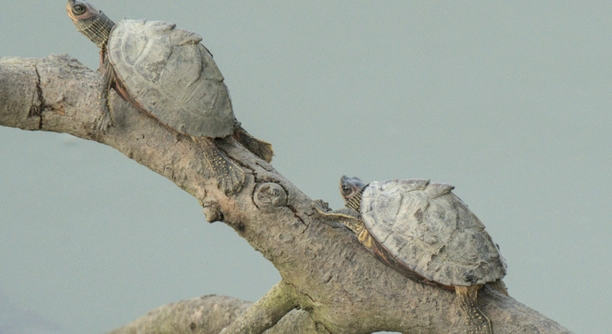
Creating a naturalistic habitat for your Indian Roofed Tortoise can be a rewarding experience. This ensures their well-being and promotes their natural behaviors in captivity. With proper care, you can replicate an environment similar to their native habitat.
To create a suitable habitat, focus on factors like temperature, humidity, substrate, and hiding spots. Provide a space with plenty of natural light, a variety of plants, and access to water. A well-thought-out enclosure will enhance their quality of life.
Making simple adjustments to your tortoise’s habitat can help maintain a balanced and healthy environment for them. Let’s explore the key components needed to make their home as natural and comfortable as possible.
1. Choosing the Right Substrate for Your Tortoise’s Habitat
The substrate is one of the most important factors in creating a natural habitat for your Indian Roofed Tortoise. It provides the necessary surface for digging, burrowing, and walking. A suitable substrate can also help maintain humidity levels and encourage natural behaviors. Natural materials like coconut coir, aspen, or cypress mulch are great options. These materials are soft, absorbent, and mimic the tortoise’s natural environment.
For your tortoise’s comfort, aim for a substrate depth of about 3 to 4 inches. This allows them to burrow and explore, as they would in the wild. You should also avoid using sand or gravel, as they can cause health issues if ingested.
In addition to providing a comfortable environment, the right substrate also helps with cleaning. Organic substrates naturally break down waste, making maintenance easier. Changing the substrate every few months will keep the habitat fresh and free from harmful bacteria. With proper substrate, your tortoise will feel more at home and healthier.
2. Maintaining Proper Temperature and Humidity
Temperature and humidity are essential for your tortoise’s health. The ideal range for an Indian Roofed Tortoise is between 75-85°F during the day, with a nighttime drop to 70°F. You’ll need to provide a heat source like a basking lamp or ceramic heat emitter to achieve these temperatures.
Proper humidity is equally important. These tortoises thrive in moderate humidity levels of around 50-60%. To maintain this, you can mist the enclosure daily or use a humidifier. Additionally, make sure the enclosure has a water dish that allows your tortoise to soak and hydrate.
Creating a proper temperature and humidity balance will help your tortoise stay active and healthy. A thermometer and hygrometer will help you monitor these levels effectively. Keeping the habitat within the correct range ensures that your tortoise can digest food properly, shed skin comfortably, and avoid stress.
3. Providing Hiding Spots and Shelters
A well-designed habitat should include hiding spots and shelters for your tortoise. These spaces provide security and reduce stress, mimicking the natural environments where tortoises seek shelter from predators or harsh weather conditions. You can use simple materials like logs, rocks, or plastic hides.
Make sure the hides are large enough for your tortoise to comfortably retreat into. The more sheltered areas you provide, the better. These spots also help your tortoise regulate its temperature, as they can move to cooler or warmer areas depending on the weather. Rotating hides to change their position keeps things interesting for your tortoise.
It’s important to maintain at least one covered area in the habitat where your tortoise can feel safe, especially at night or during the day when they need to rest. If you use a plastic hide, ensure it’s properly ventilated to avoid excessive moisture buildup. This helps maintain a healthy environment and prevents mold.
4. Creating the Right Lighting Conditions
Lighting plays a crucial role in the well-being of your Indian Roofed Tortoise. UVB lighting is necessary to help them produce vitamin D3, which is essential for calcium absorption. A good UVB light should cover a large portion of the enclosure to mimic sunlight.
You’ll need to provide both UVB light and a heat source. The UVB bulb should be placed 10-12 inches above the tortoise to be effective. This helps with metabolism and overall health. Make sure the UVB light is replaced every 6-12 months, as the rays lose effectiveness over time.
For proper light cycles, aim for 10-12 hours of light during the day, with a clear night cycle. This mimics natural day and night rhythms, encouraging your tortoise’s natural behavior patterns. Investing in a good UVB light fixture is one of the best things you can do to ensure your tortoise stays healthy.
5. Offering a Variety of Plants
Adding a variety of plants to your tortoise’s habitat not only enhances the natural look but also provides enrichment. Plants offer a place for them to forage and hide. Use safe, non-toxic plants like hibiscus, dandelions, or clover to create a natural environment.
Ensure that plants are native to your tortoise’s habitat. This helps them feel at home and encourages natural behaviors. Plants also help improve humidity levels and provide extra food sources. They can graze on leaves or flowers, promoting a more active lifestyle. Avoid using plants that may be harmful or toxic to them.
Planting edible species will also encourage foraging and make their habitat feel more natural. It’s best to regularly check the plants for pests or mold, as this can negatively affect the tortoise’s health.
6. Providing Fresh Water
Fresh water is essential for an Indian Roofed Tortoise. Make sure the water dish is large enough for your tortoise to soak in but not too deep, as they could potentially drown. Keep it clean by changing the water regularly.
Having access to water encourages your tortoise to stay hydrated. Additionally, soaking in water helps them with hydration, shell health, and proper digestion. Make sure the water bowl is placed in an area where your tortoise can easily access it. Keep an eye on the water level, and ensure it’s free of debris to maintain cleanliness.
7. Ensuring Proper Space for Movement
Indian Roofed Tortoises need space to roam and explore. It’s important to provide enough room for them to move around freely and express natural behaviors. Aim for an enclosure that is at least 4 feet long for one tortoise.
Ensure the space is not overcrowded with decorations or objects that might limit movement. A larger enclosure will make them feel more comfortable, allowing for a variety of activities like grazing, digging, and basking. This space is essential for maintaining both physical and mental health.
FAQ
What temperature should I keep for my Indian Roofed Tortoise?
The ideal temperature for an Indian Roofed Tortoise is between 75-85°F during the day. At night, temperatures can drop to around 70°F. This temperature range mimics their natural environment, ensuring proper digestion, activity, and overall health. You can use a basking lamp to maintain the heat in specific areas of the enclosure. Ensure there is a cooler area as well, so your tortoise can regulate its body temperature by moving between the warm and cool zones. It’s also important to monitor the temperature regularly using a thermometer to ensure consistency.
How often should I feed my Indian Roofed Tortoise?
Indian Roofed Tortoises are herbivores, and their diet mainly consists of grasses, weeds, flowers, and leafy greens. You should feed them daily, offering a variety of fresh, safe plants. While they need to eat every day, it’s important not to overfeed them. A portion the size of their shell or smaller is usually sufficient. Be sure to avoid feeding them high-oxalate foods like spinach, as these can interfere with calcium absorption. Offer food in different areas of the enclosure to encourage foraging behavior. Remember to remove any uneaten food after a few hours to prevent mold growth.
Do I need to bathe my tortoise?
While Indian Roofed Tortoises do not require regular baths, occasional soaking can help maintain hydration. You should soak your tortoise once or twice a week in lukewarm water for about 15-20 minutes. This will encourage them to drink and can aid with digestion. Ensure the water is shallow enough for them to stand in comfortably. If your tortoise is having difficulty passing waste or seems dehydrated, more frequent soaking may be necessary. Always monitor your tortoise during soak time to ensure they do not become stressed or overexerted.
Can I keep more than one Indian Roofed Tortoise together?
Yes, you can keep multiple Indian Roofed Tortoises together, but you must ensure that the enclosure is large enough to accommodate them. Overcrowding can lead to stress, territorial behavior, and potential fighting. Each tortoise should have enough space to establish its own area. If you plan to keep more than one tortoise, observe them closely for signs of aggression, such as chasing, biting, or shell bumping. If any conflicts arise, it may be necessary to separate them. Male tortoises, in particular, can be more aggressive toward one another.
What kind of substrate is best for an Indian Roofed Tortoise?
Coconut coir, cypress mulch, and aspen shavings are the best choices for Indian Roofed Tortoise enclosures. These materials are soft, absorbent, and mimic their natural environment. The substrate should be deep enough (around 3-4 inches) to allow your tortoise to burrow, which is a natural behavior. Avoid sand or gravel, as they can cause digestive issues if ingested. It’s also important to maintain the substrate’s cleanliness by spot cleaning daily and changing it out every few months. The right substrate helps with humidity regulation and keeps the enclosure hygienic.
How can I make sure my tortoise gets enough calcium?
Calcium is crucial for the health of your Indian Roofed Tortoise, especially for proper shell and bone development. To ensure adequate calcium intake, you can offer calcium-rich foods such as dandelion greens, clover, and some types of flowers. Additionally, it’s important to dust their food with a calcium supplement. You can find powdered calcium supplements at pet stores, and these should be sprinkled lightly on their food a few times a week. Also, providing a proper UVB light source is essential for calcium metabolism, as it helps them produce vitamin D3, which aids in calcium absorption.
Do Indian Roofed Tortoises need UVB light?
Yes, UVB light is essential for Indian Roofed Tortoises to produce vitamin D3, which is necessary for calcium absorption. Without proper UVB exposure, they can develop metabolic bone disease, which affects the health of their bones and shell. A high-quality UVB bulb should be used in the enclosure, placed 10-12 inches above the tortoise. Replace the bulb every 6-12 months, as UVB output diminishes over time. Make sure the tortoise has access to both UVB light and heat in the enclosure. Natural sunlight can also provide UVB, but be cautious about exposing your tortoise to direct sunlight for too long to avoid overheating.
How big should the enclosure be for my Indian Roofed Tortoise?
The minimum enclosure size for one Indian Roofed Tortoise should be at least 4 feet long and 2 feet wide. However, larger enclosures are always better. Tortoises need space to roam, graze, and explore to stay healthy and active. If you’re keeping more than one tortoise, increase the size of the enclosure accordingly. The space should include areas for basking, hiding, and soaking, with a mix of different temperatures. Providing ample space will help prevent stress and allow your tortoise to exhibit natural behaviors.
Can I use artificial plants in the enclosure?
Artificial plants can be used in your tortoise’s enclosure, but they should not replace real plants. While they can add to the aesthetic and offer some hiding spots, they do not provide nutritional benefits like live plants. Artificial plants are fine as long as they are non-toxic and do not have sharp edges that could harm your tortoise. However, you should also provide fresh, edible plants for foraging to promote natural behaviors. Keep in mind that artificial plants need to be cleaned regularly to avoid mold or bacterial buildup.
How do I prevent parasites in my tortoise’s habitat?
To prevent parasites, it’s important to keep the habitat clean and maintain proper hygiene. Clean the enclosure regularly, removing any waste and uneaten food. Spot clean the substrate daily and replace it entirely every few months. Regularly disinfect water bowls, hides, and any other objects your tortoise comes into contact with. Also, ensure that any plants you introduce into the habitat are pesticide-free. It’s a good idea to periodically take your tortoise to the vet for fecal checks to ensure they are free from parasites. Keeping the habitat dry and well-ventilated will also discourage the growth of harmful bacteria.
Final Thoughts
Creating a naturalistic habitat for your Indian Roofed Tortoise is an important step in ensuring they lead a healthy and fulfilling life in captivity. It may seem like a lot of work at first, but by focusing on the key elements such as proper substrate, temperature, humidity, and lighting, you can create an environment that closely mimics their natural habitat. This will not only improve their physical health but also encourage natural behaviors like grazing, basking, and hiding. It’s important to remember that each tortoise has its own unique needs, so be observant and adjust their habitat as needed.
When setting up the habitat, always keep in mind the comfort and safety of your tortoise. For example, make sure their space is large enough for them to move around freely and explore. Providing proper hiding spots will give them the opportunity to rest and reduce stress, as tortoises are solitary creatures by nature. Additionally, offering a variety of plants, both edible and decorative, will help enrich their environment and give them opportunities to forage and explore. Keeping their enclosure clean and making sure the temperature and humidity levels are well-maintained will go a long way in ensuring a healthy environment.
Lastly, be prepared to make adjustments as you go along. As your tortoise grows and changes, its needs might shift. What works for a younger tortoise may need to be updated as they mature. It’s crucial to continue learning and observing your tortoise, paying attention to their behavior, appetite, and overall health. With some care and attention, you can provide your Indian Roofed Tortoise with a habitat that supports its well-being for years to come.

Hello,
If you enjoy the content that we create, please consider saying a "Thank You!" by leaving a tip.
Every little bit helps us continue crafting quality advice that supports the health, happiness, and well-being of pets around the world, for pets of all shapes, sizes, and species.
We really appreciate the kindness and support that you show us!