
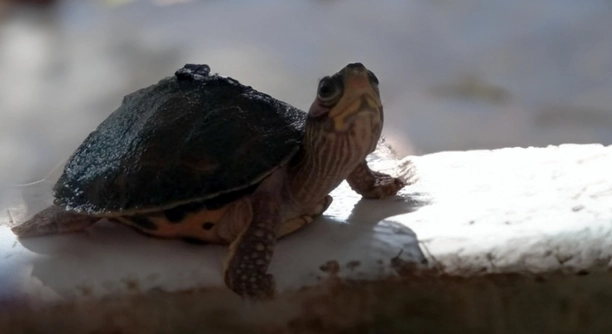
It’s important to keep an eye on your Indian Roofed Tortoise’s health, especially when it comes to digestion. Constipation can cause discomfort and other issues, making it necessary to address it as soon as possible.
Constipation in tortoises is commonly caused by dehydration, poor diet, or lack of exercise. If your tortoise isn’t passing stool or shows signs of straining, it could indicate constipation. Proper care can prevent or alleviate this condition.
Addressing constipation quickly will help your tortoise stay healthy and comfortable. Keep reading to learn more about how to spot and treat constipation in your tortoise.
Causes of Constipation in Indian Roofed Tortoises
Constipation in Indian Roofed Tortoises often stems from a combination of factors. A common cause is dehydration. Without enough water, their digestive system struggles to function properly, leading to harder stools. Poor diet can also contribute. If their meals lack fiber, it can affect their ability to pass waste easily. Lack of movement is another issue. Tortoises that do not get enough exercise may have slower digestion, making constipation more likely. A balanced diet with proper hydration and opportunities for physical activity can help prevent constipation.
Drinking water and eating a diet rich in fiber are key to preventing constipation. This helps keep their digestive system running smoothly.
When these factors are not addressed, the tortoise may experience more severe discomfort. They could start avoiding food or show signs of lethargy. Regular checkups and making sure their habitat is well-maintained can also make a difference. Be mindful of their environment, diet, and hydration to prevent these problems.
Identifying Signs of Constipation
Constipation in tortoises can be tricky to spot if you’re not paying close attention. If your tortoise seems to strain when trying to pass stool, that’s a sign something is wrong. They may also exhibit reduced appetite or lethargy.
Physical signs are the easiest way to identify constipation. Look out for changes in behavior like not moving much or being unusually inactive. When they struggle with stool, their discomfort becomes noticeable. Providing them with more water and increasing their fiber intake should help alleviate these symptoms.
Hydration and Its Impact on Digestion
Dehydration is a primary reason why tortoises experience constipation. Without enough water, their digestive system can’t function properly, leading to harder stools. Offering water regularly can help avoid this problem. Make sure their water dish is always clean and accessible.
Tortoises that do not drink enough water are at higher risk for digestive issues. When dehydrated, their body pulls water from the intestines, causing stool to become dry and difficult to pass. Ensure that your tortoise has fresh, clean water available at all times. Consider soaking them in shallow water once a week to boost hydration.
If your tortoise shows signs of dehydration, such as a dry or wrinkled skin, it may be time to increase their water intake. By regularly checking their hydration, you’ll help keep their digestive system working efficiently and reduce the likelihood of constipation.
Diet Adjustments to Relieve Constipation
A diet low in fiber can easily lead to constipation. Tortoises require a variety of leafy greens, such as dandelion greens or collard greens, to maintain healthy digestion. Avoid feeding them too many high-protein foods like meats or eggs.
Fiber helps move food through the digestive system. Without it, your tortoise’s digestive tract may slow down, making it harder for them to pass stool. When planning your tortoise’s diet, make sure it includes plenty of fiber-rich plants, along with occasional fruits and vegetables. Avoid processed foods, as these can contribute to constipation.
Also, be cautious with calcium-rich foods, as excessive calcium can lead to kidney problems, further affecting digestion. A well-balanced diet tailored to their needs can help prevent and address constipation, ensuring they stay healthy and active.
Exercise and Its Role in Digestion
Lack of movement can slow down digestion in tortoises, making constipation more likely. Providing enough space for your tortoise to roam and explore encourages natural movement, which helps stimulate their digestive system.
Regular exercise not only supports digestion but also improves overall health. It helps keep your tortoise active and engaged, which can prevent lethargy and digestive issues. If possible, offer supervised outdoor time in a safe environment. Letting them walk around on natural surfaces will encourage movement and digestion.
Make sure their habitat is large enough for them to explore. If your tortoise is confined to a small space, try adding objects they can climb or move around to increase activity.
Soaking for Constipation Relief
Soaking your tortoise in shallow water is a simple method to help relieve constipation. It encourages hydration and can help soften stool, making it easier for your tortoise to pass waste.
Place your tortoise in a shallow container of warm water, making sure they can stand comfortably. Soak them for 10 to 15 minutes. This method is often effective in rehydrating them and getting their digestive system back on track.
Do not soak your tortoise too often, as it may cause stress. Once a week is usually enough to support their hydration and digestion.
When to Seek Veterinary Help
If your tortoise’s constipation persists despite changes in diet, hydration, and exercise, it may be time to consult a vet. Prolonged constipation can lead to more serious health issues, like impaction or organ damage.
A vet can assess your tortoise’s overall health and provide treatment options, such as medications or further advice on dietary adjustments. In some cases, they may recommend additional tests to ensure there are no underlying health problems.
Always act quickly if symptoms worsen, as early intervention is crucial to preventing further complications.
FAQ
What are the signs that my tortoise is constipated?
Common signs of constipation include a lack of stool, straining when trying to pass waste, or changes in behavior like lethargy and loss of appetite. If your tortoise is not passing stool regularly or seems uncomfortable, it could be constipated. You may also notice them staying in one place more than usual or avoiding food altogether. These changes often signal a digestive issue that needs to be addressed quickly.
How can I prevent constipation in my tortoise?
Prevention starts with providing a balanced diet, keeping them hydrated, and offering enough space for exercise. Ensure their meals include a variety of fiber-rich plants, like dandelion greens and collard greens, while limiting high-protein foods. Make fresh water available at all times, and encourage movement by providing ample space for roaming and climbing. Regular soaking can also help maintain hydration. Consistency in these practices can reduce the risk of constipation.
Can I give my tortoise a laxative for constipation?
Laxatives are generally not recommended for tortoises unless prescribed by a vet. While they may help in some cases, it is better to address constipation with natural methods like improving hydration, adjusting their diet, and increasing exercise. If constipation persists, it is always best to consult a veterinarian for professional advice.
Is it okay to feed my tortoise fruits to help with constipation?
Some fruits, like papaya, watermelon, and berries, can be beneficial in small amounts as they contain water and fiber that aid in digestion. However, fruits should not make up a large portion of their diet because they are high in sugar. Overfeeding fruit can lead to other health issues, such as obesity or shell deformities. Stick to a mainly leafy green and fiber-based diet for your tortoise.
How often should I soak my tortoise to help with constipation?
Soaking your tortoise once a week for 10 to 15 minutes can help with hydration and digestion. If constipation occurs, you can increase the frequency of soaking, but do not overdo it. Too much soaking can stress your tortoise or cause skin issues. Ensure the water is warm but not too hot.
Can a tortoise become constipated from stress?
Yes, stress can contribute to digestive issues in tortoises, including constipation. Changes in their environment, such as moving to a new home or introducing new animals, can cause stress. Ensure that your tortoise’s habitat is stable, with proper temperature, humidity, and space. Limiting handling and providing a quiet environment can help reduce stress and support digestion.
How long can a tortoise go without passing stool?
It depends on the individual tortoise, but if your tortoise hasn’t passed stool in several days, it may be constipated. Normally, tortoises will pass stool every few days. If there is no stool for over a week, you should take action to address the problem. Prolonged constipation can lead to more severe issues, so it’s best to monitor their behavior and consult a vet if needed.
Are certain breeds of tortoises more prone to constipation?
Some species may be more prone to constipation due to differences in their digestive systems, diet, or habitat requirements. However, most tortoises, regardless of breed, can experience constipation if they are not provided with proper care. Ensuring proper hydration, diet, and exercise can help prevent constipation across all species.
Can I change my tortoise’s diet if they are constipated?
Yes, adjusting your tortoise’s diet can help relieve constipation. Increase the fiber in their diet by offering more leafy greens, and reduce protein-rich foods like animal products. Also, ensure that they are eating enough water-rich vegetables and fruits in moderation. Make sure your tortoise is getting a balanced, nutritious diet to support healthy digestion.
What should I do if my tortoise doesn’t improve after changing their diet?
If your tortoise continues to show signs of constipation despite dietary changes, increased hydration, and exercise, it’s time to consult a veterinarian. There may be underlying health issues or more severe constipation, such as impaction, that require medical intervention. Don’t wait too long, as untreated constipation can lead to more serious health problems.
Can a tortoise’s shell affect digestion?
A tortoise’s shell itself does not directly affect digestion, but overall health, including shell condition, plays a role in their digestive well-being. Poor shell health or deformities can be a sign of nutritional imbalances, which can affect their overall digestive system. Keeping your tortoise’s shell healthy by providing the right calcium and vitamin D is important for their overall well-being and digestion.
Is it normal for my tortoise to have irregular stool?
It is normal for a tortoise’s stool to vary in consistency depending on their diet. If they eat more fiber, their stool will likely be firmer, while more water-rich food can lead to softer stool. However, if the stool becomes very hard, dry, or absent, it could indicate constipation. Regularly monitoring your tortoise’s waste can give you clues about their digestive health.
Can impaction occur if my tortoise is constipated for too long?
Yes, prolonged constipation can lead to impaction, which is a more serious condition where the stool becomes so hard it blocks the intestines. Impaction can lead to severe discomfort and even life-threatening conditions. If your tortoise does not pass stool for an extended period, seek veterinary help immediately to prevent impaction.
Are there any long-term health risks associated with constipation in tortoises?
If left untreated, constipation can cause long-term health issues such as impaction, which may require surgery to resolve. Chronic constipation can lead to weight loss, dehydration, and a weakened immune system. In severe cases, prolonged constipation can result in organ damage or even death. Early intervention is key to preventing these risks.
What temperature should my tortoise’s habitat be to avoid constipation?
Maintaining the right temperature is essential for your tortoise’s overall health and digestion. Ensure that the habitat is warm enough to stimulate their metabolism and digestion. The temperature should generally range from 75 to 85°F during the day, with a basking spot reaching up to 90°F. Proper warmth helps maintain regular digestive function.
Can a tortoise’s age affect their risk of constipation?
Older tortoises may be more susceptible to constipation due to slower metabolism and reduced mobility. As they age, tortoises may not move around as much or may have more difficulty reaching food or water. Regular monitoring of their diet, hydration, and exercise becomes even more crucial as they get older to prevent constipation and related health issues.
How can I ensure my tortoise stays hydrated?
To ensure proper hydration, offer fresh water every day and soak your tortoise once a week in shallow warm water. You can also increase the water content in their diet by offering watery vegetables and fruits, such as cucumbers and watermelon. Always ensure that their environment is not too dry, as this can contribute to dehydration.
Final Thoughts
Constipation in Indian Roofed Tortoises is a common issue that can cause discomfort and affect their overall well-being. It’s important to keep an eye on your tortoise’s behavior and health, as early signs of constipation can often be managed with simple changes to their diet, hydration, and habitat. By providing a balanced diet full of fiber-rich plants and ensuring your tortoise has access to fresh water, you can reduce the likelihood of constipation. Regular soaking also helps with hydration and digestion. A healthy and consistent routine is essential to maintaining your tortoise’s digestive health.
If you notice signs of constipation, such as a lack of stool, lethargy, or loss of appetite, it’s important to take action right away. Start by adjusting their diet and making sure they have plenty of space for exercise. If the issue persists, it’s advisable to consult a veterinarian. Constipation can sometimes lead to more serious conditions like impaction, which requires professional treatment. It’s always better to address digestive issues early to prevent complications. A vet can help determine the underlying cause and provide the best course of treatment for your tortoise.
Taking care of your tortoise involves paying attention to their environment, diet, and overall health. Ensuring they have proper temperatures, humidity levels, and space for movement will go a long way in preventing constipation and promoting good digestion. Providing a balanced diet that mimics their natural food sources and encouraging regular activity can help your tortoise live a long, healthy life. Remember, when in doubt, always reach out to a professional for guidance. Your tortoise’s health and comfort should always be a priority.

Hello,
If you enjoy the content that we create, please consider saying a "Thank You!" by leaving a tip.
Every little bit helps us continue crafting quality advice that supports the health, happiness, and well-being of pets around the world, for pets of all shapes, sizes, and species.
We really appreciate the kindness and support that you show us!