
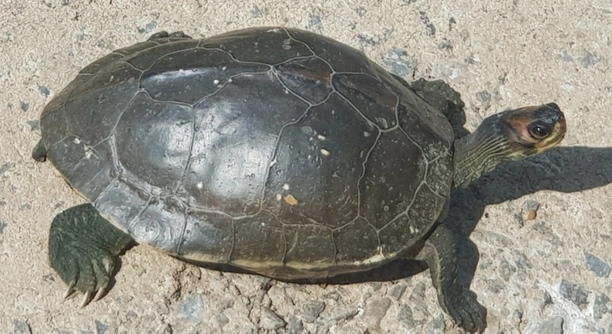
Mold growth in a tank can pose serious health risks for your Indian Roofed Tortoise. Preventing this issue requires consistent maintenance and a few simple measures. By following these steps, you can create a safer environment for your pet.
Mold in a tortoise tank often results from high humidity, poor ventilation, and inadequate cleaning. Regular tank maintenance, proper substrate choice, and controlling humidity levels will significantly reduce the risk of mold formation and ensure a healthier habitat.
Taking these precautions will help ensure your tortoise’s living space remains mold-free and safe for long-term health.
Proper Tank Cleaning and Maintenance
To prevent mold growth in your Indian Roofed Tortoise’s tank, regular cleaning is essential. Mold thrives in unclean environments with excess moisture, so you must clean the tank at least once a week. Scrub down the surfaces, remove old food, and replace the water in the dish. Be sure to clean the substrate, as organic matter can quickly become a breeding ground for mold. It’s also important to remove any uneaten food within a few hours to avoid excess moisture. Pay special attention to corners and hard-to-reach places where mold can often develop unnoticed.
Cleaning the tank regularly ensures that mold doesn’t get a chance to form. This simple routine can make a big difference in maintaining a healthy environment for your tortoise.
Even with regular cleaning, it’s important to inspect the tank for any signs of mold. If you notice any, it’s best to address the issue immediately to prevent it from spreading. A quick response can prevent mold from becoming a persistent problem.
Manage Humidity Levels
Controlling the humidity levels inside your tortoise’s tank is crucial for preventing mold. Mold thrives in high humidity, so it’s essential to monitor and adjust humidity levels regularly. Use a hygrometer to check the humidity level and maintain it within the recommended range for your tortoise. A slight decrease in humidity can make a huge difference in preventing mold growth.
Humidity control can be achieved through various methods. Ensure proper ventilation and avoid over-watering the substrate. You can also use dehumidifiers or place absorbent materials, like dry moss, to help maintain the right moisture balance. Regularly check for condensation on tank walls as this can indicate excess moisture.
Maintaining the right humidity levels is not only important for mold prevention but also for your tortoise’s health. By ensuring the tank is not too damp, you create a more comfortable environment that mirrors their natural habitat. This will also reduce the likelihood of respiratory issues and other health problems.
Choose the Right Substrate
Using the right substrate can help prevent mold growth by promoting proper drainage. Choose substrates that are absorbent yet dry quickly, like coconut fiber or cypress mulch. Avoid using materials that retain too much moisture, like peat moss, as they can encourage mold to develop.
Substrates that retain moisture too long create an environment where mold thrives. For example, wet soil or overly damp bedding can hold water against the surface, causing it to become a breeding ground. Check the substrate regularly and replace it when necessary to maintain a dry, clean environment.
Ensure the substrate is deep enough to absorb excess moisture but not overly damp. A dry, clean substrate not only prevents mold but also creates a comfortable living area for your tortoise. Make adjustments if the substrate seems too moist, as a dry tank will discourage mold and other issues.
Proper Ventilation
Good ventilation is essential for reducing the risk of mold in your tortoise’s tank. Ensure there is adequate airflow to prevent the buildup of humidity. You can improve ventilation by using a tank with a mesh lid or adding small ventilation holes to allow air to circulate freely.
Proper ventilation reduces humidity and allows moisture to evaporate from the tank. A poorly ventilated tank can cause the environment to stay too moist, which encourages mold growth. Be mindful of the tank’s design and consider upgrading to a tank with better airflow if necessary. Avoid sealing the tank too tightly.
If you notice condensation on the glass, it’s a sign that ventilation is insufficient. Adjust the setup to allow more airflow, ensuring the humidity stays under control. This helps create a healthier environment for your tortoise, free from mold and excess moisture.
Remove Excess Water
Excess water can quickly lead to mold growth in your tortoise’s tank. Make sure to remove any standing water that collects in the corners or on surfaces. Check the water dish and surrounding areas daily to prevent moisture from accumulating.
Standing water invites mold and bacteria, which can harm your tortoise. If you notice any areas where water tends to pool, take immediate action. Wipe down these spots and ensure the tank stays dry. This will minimize the risk of mold and keep the tank environment safe for your pet.
Use Mold Inhibitors
Consider using mold inhibitors designed specifically for terrariums. These products can help prevent mold growth without harming your tortoise. Apply them according to the manufacturer’s instructions for the best results.
Mold inhibitors are safe and effective when used properly. They can reduce the chances of mold developing in hard-to-reach areas. These products should be a supplement to other prevention methods like cleaning, ventilation, and humidity control. Using them as part of your routine helps ensure a clean, mold-free tank for your tortoise.
Monitor Temperature
Maintaining a stable temperature in the tank is key to preventing mold. Mold thrives in cooler, damp environments, so be sure to keep the tank warm enough to avoid excess moisture buildup. A heat lamp or heating pad can help regulate the temperature.
The right temperature not only prevents mold but also supports your tortoise’s overall health. Make sure the tank has a temperature gradient, with a warm side and a cooler side, to mimic its natural habitat. Adjust heating devices to maintain a steady, comfortable temperature that discourages mold growth.
FAQ
Why does mold grow in my tortoise’s tank?
Mold typically grows in tortoise tanks due to high humidity, poor ventilation, and excess moisture. When the environment remains too damp without proper airflow, mold has the ideal conditions to thrive. Additionally, uneaten food or waste left in the tank can contribute to the growth of mold by adding organic matter that retains moisture. Regular cleaning and maintaining appropriate humidity levels can reduce mold formation.
How do I control humidity in my tortoise’s tank?
Humidity control can be achieved by regularly monitoring the tank’s moisture level. You can use a hygrometer to measure humidity and ensure it stays within the ideal range for your tortoise species. Avoid over-watering the substrate, and make sure the tank has proper ventilation. You can also use absorbent materials, like dry moss, to help maintain balance and prevent excess moisture. If the tank feels too humid, consider adjusting the water bowl size or placement.
What is the ideal humidity level for an Indian Roofed Tortoise?
For Indian Roofed Tortoises, the humidity should generally stay between 50-70%. This level helps mimic their natural environment, where they live in dry forests with occasional moisture. Too much humidity can lead to mold growth and respiratory issues, while too little humidity can cause dehydration. Keeping humidity within the proper range is crucial for their health and comfort.
Can mold harm my tortoise?
Yes, mold can be harmful to your tortoise, as it can lead to respiratory problems and skin infections. Mold spores can irritate your tortoise’s lungs, causing difficulty breathing and other health issues. In severe cases, mold exposure can also lead to more serious illnesses. It’s essential to keep the tank clean and dry to avoid mold and ensure your tortoise’s well-being.
How often should I clean my tortoise’s tank?
The tank should be cleaned at least once a week to prevent mold and bacterial growth. Remove uneaten food, clean the water dish, and replace the substrate as needed. Areas prone to moisture, like corners and the water bowl area, should be cleaned more frequently. Regular cleaning helps maintain a healthy environment and prevents the buildup of harmful substances like mold.
What type of substrate is best for preventing mold?
Coconut fiber and cypress mulch are good choices for preventing mold. These substrates are absorbent yet dry quickly, creating a drier environment. Avoid substrates like peat moss or soil, which retain too much moisture and promote mold growth. Always make sure the substrate is dry and replace it if it becomes overly damp.
Can I use mold sprays in my tortoise tank?
It’s best to avoid using mold sprays in your tortoise’s tank unless they are specifically designed to be safe for reptiles. Some mold sprays can contain chemicals that are harmful to your tortoise. If you do choose to use one, make sure it is non-toxic and follow the manufacturer’s instructions carefully. However, the most effective way to prevent mold is through regular cleaning and moisture control.
Is it necessary to use a dehumidifier in my tortoise’s tank?
A dehumidifier can be helpful if your tank has consistently high humidity levels that can’t be controlled with ventilation alone. It can help keep the air dry and prevent excess moisture buildup. However, it should be used with caution, as too much dryness can also affect your tortoise’s health. Ensure the tank’s humidity is within the ideal range for your specific species.
How do I know if the humidity is too high in my tortoise’s tank?
Signs of high humidity in a tortoise tank include condensation on the glass, a damp smell, and visible mold growth. If the tank feels moist or damp to the touch, it may be too humid. Monitoring the humidity with a hygrometer will give you an accurate reading of the moisture levels. If humidity levels exceed the ideal range, consider adjusting the water bowl, increasing ventilation, or using a dehumidifier to lower it.
What temperature should I maintain for my tortoise?
The temperature in the tank should range from 75°F (24°C) on the cooler side to 85°F (29°C) on the warmer side. This temperature gradient helps mimic natural conditions and provides your tortoise with options to regulate its body heat. Using a heat lamp or heating pad can help achieve and maintain these temperatures. Avoid letting the temperature drop below 70°F (21°C), as this can cause stress and health issues for your tortoise.
How can I prevent mold in hard-to-reach spots in the tank?
To prevent mold in hard-to-reach spots, regularly inspect areas like corners, decorations, and under objects. Mold can easily hide in these places, so it’s important to clean the entire tank, including areas that may seem out of sight. Use a soft brush or sponge to reach tight spaces and clean the surfaces. Additionally, ensure that water and moisture are not left to accumulate in these areas by adjusting the tank setup for better drainage and airflow.
Final Thoughts
Maintaining a clean and dry environment for your Indian Roofed Tortoise is essential to preventing mold growth. Regular cleaning, proper humidity control, and good ventilation are key factors that contribute to a healthy habitat. Mold can be harmful to your tortoise, causing respiratory issues and skin infections. Therefore, staying on top of tank maintenance and ensuring it is dry and well-ventilated can go a long way in preventing mold and keeping your pet safe.
It’s important to understand the balance between moisture and dryness in your tortoise’s tank. Too much humidity can lead to mold growth, while too little can affect your tortoise’s health. Finding the right humidity range for your tortoise species and keeping the temperature stable will help create a safe and comfortable environment. Always monitor the tank for signs of excess moisture, like condensation or damp spots, and address them immediately. By maintaining the correct conditions, you are helping to ensure your tortoise’s long-term health and well-being.
Incorporating small habits, such as wiping down excess moisture, checking water dishes regularly, and using appropriate substrates, can greatly reduce the chances of mold developing. Using mold inhibitors and cleaning supplies that are safe for reptiles can also be a helpful tool in your tank maintenance routine. A little attention to detail and consistency in caring for your tortoise’s tank can make a significant difference in keeping mold at bay and ensuring your pet remains happy and healthy.

Hello,
If you enjoy the content that we create, please consider saying a "Thank You!" by leaving a tip.
Every little bit helps us continue crafting quality advice that supports the health, happiness, and well-being of pets around the world, for pets of all shapes, sizes, and species.
We really appreciate the kindness and support that you show us!