
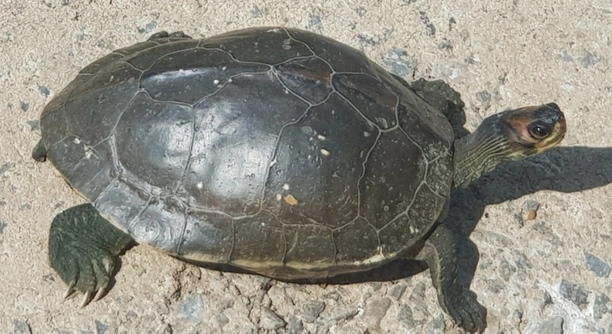
If you own an Indian Roofed Tortoise, keeping an eye on its health is important, especially when it comes to eye infections. These infections can cause discomfort and affect your tortoise’s overall well-being.
Indian Roofed Tortoises can develop eye infections due to various factors, including poor habitat conditions, injury, or bacterial exposure. Symptoms may include swelling, discharge, and excessive blinking, which can indicate an infection requiring prompt attention.
Identifying the signs of an eye infection early can make a big difference in your tortoise’s health. By understanding what to look for, you can take steps to treat it and prevent further complications.
Common Causes of Eye Infections in Indian Roofed Tortoises
Eye infections in Indian Roofed Tortoises can happen for several reasons, but poor care conditions are often the leading cause. A dirty or improperly maintained habitat can lead to bacteria and fungi building up, which can affect the tortoise’s eyes. Another factor is improper humidity levels. If the environment is too dry, it can irritate the eyes, leading to infections. Injuries, such as scratches from objects in their enclosure, can also introduce harmful bacteria. Lastly, exposure to other sick animals might also cause eye problems if your tortoise is not isolated. It’s important to keep the habitat clean and monitor the overall health of your tortoise to prevent these infections.
Infections can also occur due to vitamin A deficiency. This is because vitamin A plays an important role in maintaining eye health. Without enough of it, the tortoise may develop dry, swollen eyes that are vulnerable to infection.
Regularly checking your tortoise for signs of infection and adjusting the environment can make a big difference in preventing these issues from developing in the first place.
Signs to Watch for
Watching for early signs of eye infection can help you take action quickly.
The main indicators are swollen or watery eyes, excessive blinking, or a lack of clear vision. If you notice any of these, it’s important to address the issue immediately. If left untreated, it can worsen, leading to more serious health problems. It’s essential to act fast for your tortoise’s comfort and long-term health.
Treatment for Eye Infections in Indian Roofed Tortoises
When treating eye infections, the first step is to identify the cause. If you think it’s caused by poor habitat conditions, adjusting the humidity or cleaning the enclosure might help. For mild infections, you can apply a saline solution to clean the eye area, removing any dirt or discharge. If your tortoise’s eye is swollen, you may need to apply a warm compress to reduce the swelling and provide relief.
If the infection seems more serious or doesn’t improve, seeking veterinary care is essential. A vet will likely prescribe antibiotics or ointments to clear up the infection and prevent it from spreading.
In some cases, vitamin A supplementation can be helpful, as deficiencies can also contribute to eye problems. Adjusting the diet to include more vitamin A-rich foods, such as dark leafy greens, is crucial. Always monitor your tortoise closely after treatment to make sure the infection has cleared up and its health is fully restored.
Preventing Eye Infections in Indian Roofed Tortoises
Maintaining a clean and properly set-up habitat is key to preventing eye infections in tortoises. Regular cleaning and ensuring proper humidity levels can go a long way. Avoid placing sharp objects or anything that could cause injury to your tortoise, as these can introduce bacteria and lead to infections.
A well-balanced diet also plays an important role in preventing infections. Foods rich in vitamin A are essential for your tortoise’s eye health. Dark leafy greens such as kale and collard greens are great sources. Regularly offering these foods can prevent vitamin deficiencies, which can make your tortoise’s eyes more prone to issues. Additionally, make sure your tortoise gets enough water, as dehydration can affect its overall health, including its eyes. Keep a close eye on your tortoise’s health and adjust its environment as needed to ensure a safe and healthy home.
Providing UVB lighting is essential as it helps with overall health, especially for bone and eye health. Ensure that the light is at the proper distance and is replaced regularly to avoid problems.
How to Clean Your Tortoise’s Eyes
If you notice discharge or swelling, cleaning your tortoise’s eyes should be the first step. Use a saline solution to gently rinse the eyes and remove any debris or mucus. A soft, clean cotton ball or gauze can be used to wipe away any excess fluid. Be gentle during the process, as tortoises can be sensitive to touch, especially around their eyes. Avoid using any harsh chemicals or soaps, as these can irritate the eyes further.
After cleaning, monitor your tortoise’s eyes for any signs of improvement or worsening. If the swelling persists or the eye becomes more irritated, it may be necessary to consult a veterinarian for further treatment. Keeping the enclosure clean and maintaining proper humidity levels will also help reduce the risk of future eye problems. Regular cleaning, along with a healthy diet, is the best prevention for eye infections.
When to Seek Veterinary Help
If your tortoise’s eye infection does not improve with cleaning or continues to worsen, it’s time to consult a vet. Infections can spread or become more serious if not treated promptly. A professional can diagnose the cause and recommend proper treatment.
When seeking help, make sure to provide details about the symptoms, how long they’ve been present, and any treatments you’ve already tried. This will help the vet make a more informed diagnosis and choose the best treatment plan. Don’t delay, as untreated infections can cause long-term damage to your tortoise’s health.
The Importance of a Balanced Diet
A balanced diet is essential for your tortoise’s overall health, including its eye health. Vitamin A, in particular, is vital in keeping its eyes healthy. Incorporating vitamin-rich foods, such as carrots, leafy greens, and squash, can help prevent eye-related problems and boost the immune system.
A proper diet also helps with shell growth, energy levels, and proper digestion, ensuring your tortoise remains healthy. Always aim to offer a variety of food to meet its nutritional needs, and be mindful of the calcium-to-phosphorus ratio, which is crucial for bone health.
Preventing Stress
Stress can also contribute to eye infections in tortoises. Overcrowded enclosures, frequent handling, or sudden temperature changes can cause stress, weakening the immune system and making the tortoise more susceptible to infections. Ensure that your tortoise’s habitat is quiet, calm, and comfortable.
FAQ
What are the early signs of an eye infection in an Indian Roofed Tortoise?
The early signs of an eye infection include swelling, redness, or discharge around the eyes. You may also notice excessive blinking or your tortoise rubbing its eyes with its front legs. The eyes may appear cloudy or have a yellowish or greenish discharge. If you spot any of these signs, it’s important to take action quickly to prevent the infection from worsening.
Can a dry environment cause an eye infection in a tortoise?
Yes, a dry environment can irritate your tortoise’s eyes, leading to dryness and possible infection. Tortoises require a certain level of humidity to maintain healthy eyes and skin. If the humidity is too low, it can dry out the eyes, making them vulnerable to infections. Ensure that your tortoise’s enclosure has proper humidity levels to avoid such issues.
How do I treat my tortoise’s eye infection at home?
To treat an eye infection at home, gently clean your tortoise’s eyes using a saline solution. This can help remove any discharge and reduce swelling. Use a soft cotton ball or gauze to wipe away the debris. Avoid using harsh chemicals or soaps, as they can irritate the eyes further. If the infection doesn’t improve after a few days or worsens, consult a vet for professional treatment.
How can I prevent eye infections in my Indian Roofed Tortoise?
To prevent eye infections, maintain a clean enclosure, adjust humidity levels, and provide a balanced diet rich in vitamin A. Regularly check for debris or sharp objects that could injure the eyes, and provide adequate UVB lighting to ensure overall health. Keeping your tortoise’s environment as stable and comfortable as possible will help reduce the chances of infections.
Are there any specific foods I should feed my tortoise to promote eye health?
Yes, foods rich in vitamin A are important for eye health. Dark leafy greens, such as kale, collard greens, and dandelion greens, are great choices. You can also offer carrots and squash, which are high in beta-carotene, a precursor to vitamin A. Providing a varied diet ensures that your tortoise receives all the nutrients needed for good health.
Can an eye infection cause permanent damage to my tortoise’s vision?
If left untreated, an eye infection can lead to permanent damage, including loss of vision. It’s essential to address eye infections early to prevent complications. In some cases, severe or long-term infections can result in scarring or other damage to the eye, affecting the tortoise’s ability to see. Always consult a vet if the infection doesn’t clear up after cleaning or if the symptoms worsen.
What can I do if my tortoise’s eye is swollen shut?
If your tortoise’s eye is swollen shut, the first step is to clean the area with a saline solution to remove any discharge or crusting. Apply a warm compress to the eye to reduce swelling. If the swelling persists or worsens, seek veterinary help immediately. Swelling can indicate a serious infection that requires professional treatment, such as antibiotics or anti-inflammatory medication.
Can my tortoise get an eye infection from other animals?
Yes, your tortoise can contract an eye infection from other sick animals. If you have other reptiles or animals in the same environment, make sure to isolate any that show signs of illness. Bacteria or viruses from other creatures can spread to your tortoise and cause infections. Regularly clean and disinfect the enclosure to reduce the risk of cross-contamination.
How long does it take for a tortoise’s eye infection to heal?
The healing time for an eye infection varies depending on the severity of the infection and how quickly it is treated. Mild infections may start to improve within a few days of cleaning, while more severe infections may take a week or longer. It’s important to monitor the tortoise closely and seek veterinary care if there’s no improvement after a few days.
What should I do if my tortoise has an eye infection but refuses to eat?
If your tortoise is refusing to eat, it may be stressed or in pain from the eye infection. It’s important to address the infection as soon as possible to avoid further health complications. In the meantime, try offering softer foods or hand-feeding if necessary. If your tortoise continues to refuse food or shows signs of dehydration, seek veterinary help immediately.
Can I use human eye drops for my tortoise’s eye infection?
No, you should never use human eye drops on your tortoise unless specifically instructed by a veterinarian. Human eye drops may contain ingredients that are harmful to reptiles. Instead, use a saline solution, which is safe for cleaning the eyes. Always consult with a vet before using any medication on your tortoise to ensure it is appropriate for their needs.
Is it normal for my tortoise to have a little eye discharge?
A small amount of eye discharge can be normal, especially after your tortoise wakes up from a long sleep or if it has been exposed to dust or debris. However, if the discharge is persistent, yellow or green in color, or accompanied by swelling or redness, it’s a sign of an infection that requires treatment. Keep an eye on the discharge and take action if it doesn’t improve.
Can temperature changes affect my tortoise’s eyes?
Yes, sudden temperature changes can stress your tortoise and affect its overall health, including eye health. If the enclosure is too hot or too cold, your tortoise’s immune system may become weakened, making it more susceptible to infections. Ensure the temperature is stable and within the ideal range for your tortoise to thrive.
How can I tell if my tortoise is suffering from an eye infection or something else?
It can be difficult to tell if an eye problem is an infection or caused by another issue, such as injury or nutritional deficiency. If your tortoise’s eyes are swollen, discharge is present, and there is excessive blinking or rubbing, it’s likely an infection. However, if these symptoms don’t improve with basic care or worsen over time, it’s best to consult a veterinarian for a proper diagnosis.
Final Thoughts
Eye infections in Indian Roofed Tortoises are not uncommon, but they can be prevented with proper care and attention. Keeping your tortoise’s habitat clean and maintaining proper humidity levels are essential steps in reducing the risk of infections. Regularly cleaning the enclosure and making sure there are no sharp objects that could cause injury can go a long way in protecting their health. Vitamin A-rich foods should also be incorporated into their diet, as they help keep their eyes and overall health in good condition. A balanced diet is just as important as the environment in keeping your tortoise healthy.
When an eye infection does occur, early detection and treatment are crucial. If you notice symptoms like swelling, discharge, or excessive blinking, it’s important to clean the eyes gently using a saline solution and monitor the condition. Sometimes, a warm compress can help reduce swelling and provide comfort. If the infection doesn’t improve or seems severe, it’s best to consult a veterinarian for further treatment. Delaying proper treatment can lead to more serious issues, including permanent damage to your tortoise’s eyes, so it’s important not to ignore any signs of discomfort.
Lastly, it’s important to remember that prevention is always better than cure. By providing your tortoise with a well-maintained habitat, a nutritious diet, and reducing stress, you can significantly reduce the likelihood of eye infections and other health issues. Keeping a close eye on their health and environment is the key to a long, healthy life for your tortoise. If you ever have concerns or are unsure about symptoms, always consult a veterinarian to ensure your tortoise gets the care it needs.

Hello,
If you enjoy the content that we create, please consider saying a "Thank You!" by leaving a tip.
Every little bit helps us continue crafting quality advice that supports the health, happiness, and well-being of pets around the world, for pets of all shapes, sizes, and species.
We really appreciate the kindness and support that you show us!