
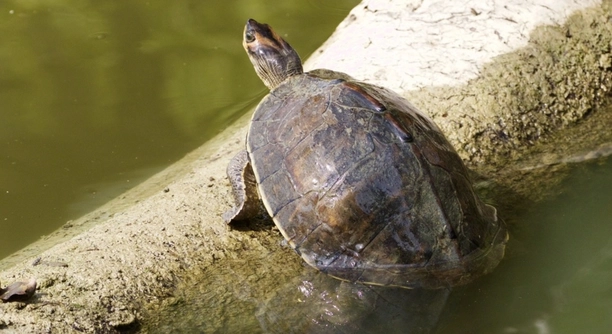
Indian Roofed Tortoises are known for their hardy nature, but when they start losing weight, it can be concerning. As a pet owner, it’s essential to identify the cause and address it promptly to ensure your tortoise stays healthy and happy.
Weight loss in Indian Roofed Tortoises can be caused by various factors such as improper diet, inadequate habitat conditions, stress, illness, or dehydration. It is crucial to assess each of these elements to determine the root cause and find a solution.
Several factors contribute to weight loss in your tortoise. By understanding these, you can better care for your pet and help maintain its well-being.
Diet and Nutrition Issues
The most common reason for weight loss in Indian Roofed Tortoises is an imbalanced diet. These tortoises need a variety of foods, including leafy greens, fruits, and vegetables. A diet too rich in protein or too low in fiber can lead to digestive problems, which may cause weight loss over time. Additionally, if they’re not getting enough calcium, their shells may not grow properly, affecting their overall health. It’s crucial to provide the right balance of nutrients to keep them healthy.
Inconsistent feeding schedules can also contribute to weight loss. Make sure to feed your tortoise at regular intervals.
Offering a mix of dark leafy greens, vegetables, and some fruits will help provide the necessary vitamins and minerals. Avoid feeding them foods high in oxalates, like spinach, which can prevent calcium absorption. Along with proper food, ensure they have access to fresh water every day. A diverse and balanced diet is essential for maintaining their weight and overall well-being.
Inadequate Habitat Conditions
Another factor affecting your tortoise’s weight is poor habitat conditions. Tortoises need a controlled environment to thrive. This includes the proper temperature, humidity, and lighting. If their habitat is too cold or dry, they can become stressed and might stop eating, leading to weight loss.
Poor lighting or lack of UVB can hinder their ability to absorb calcium properly.
A proper temperature range for your tortoise is essential, with a basking area between 85-90°F and a cooler side around 75°F. UVB lighting should be provided for 10-12 hours a day to simulate natural sunlight. If your tortoise doesn’t have access to these essential elements, it could struggle to maintain weight and health. Make sure to regularly check the conditions of their habitat to create a suitable living environment.
Stress and Anxiety
Stress can lead to significant weight loss in your tortoise. Changes in the environment, new pets, or loud noises can cause anxiety, affecting their eating habits. A stressed tortoise may refuse to eat or become lethargic, leading to weight loss.
To reduce stress, maintain a consistent routine for feeding and handling. Avoid sudden changes in their environment.
If your tortoise is stressed, it’s important to identify the source. Creating a quiet, stable environment with minimal disturbances will help them feel secure. Tortoises are creatures of habit, and sudden changes or loud environments can make them anxious. Avoid moving their enclosure or introducing other pets unless necessary.
Illness and Infection
Illness or infection can often cause a tortoise to lose weight. Respiratory infections, parasites, or internal problems can all affect their appetite and energy levels. If your tortoise is losing weight rapidly and showing signs of lethargy, swelling, or unusual behavior, it’s crucial to seek veterinary care.
A proper diagnosis will help treat the illness and prevent further weight loss.
If your tortoise is sick, they may stop eating due to a lack of appetite or pain. Infections can also affect digestion, leading to malnutrition. Tortoises with parasites may show signs of weight loss, poor appetite, and lethargy. A vet can prescribe the appropriate medications or treatments based on the condition. Regular health check-ups can help catch illnesses early and prevent severe weight loss.
Dehydration
Dehydration can cause weight loss in tortoises. If they aren’t drinking enough water or eating water-rich foods, they can become dehydrated, leading to weight loss and overall weakness.
Make sure your tortoise has constant access to fresh water. You can also offer foods like cucumbers and watermelon to help with hydration.
A dehydrated tortoise may show signs like dry, cracked skin, sunken eyes, and lethargy. It’s important to monitor their water intake and adjust their diet to include more hydrating foods. Dehydration can cause serious health problems if not addressed promptly, so always keep an eye on their hydration levels.
Overfeeding
While underfeeding is common, overfeeding can also be an issue. Overfeeding high-calorie foods can cause obesity in tortoises, leading to a decrease in activity levels and a potential for weight loss over time due to poor digestion.
Stick to a consistent, balanced feeding routine to avoid overfeeding.
Overfeeding, especially with rich foods like fruits and fatty greens, can lead to obesity and metabolic problems. These issues can make it harder for your tortoise to digest properly. If your tortoise becomes sluggish, this could indicate overfeeding, as they may have trouble processing too much food. Moderation is key when feeding your tortoise to ensure they stay healthy and active.
FAQ
What are the signs that my Indian Roofed Tortoise is losing weight?
When a tortoise starts losing weight, you may notice their body becoming visibly smaller, or their shell may appear thinner. Other signs include a lack of energy, sluggishness, or refusal to eat. If your tortoise becomes lethargic, seems weaker than usual, or isn’t eating, it’s a good idea to observe the situation more closely and investigate further. A change in behavior, such as hiding more often or becoming less active, may also be a red flag.
How often should I feed my Indian Roofed Tortoise?
Typically, adult Indian Roofed Tortoises should be fed every two to three days, but younger ones may need daily feedings. The feeding schedule depends on their age and size. It’s important to avoid overfeeding or underfeeding, so try to maintain a consistent schedule. Offering food at the same time every day can also help keep your tortoise comfortable and ensure they get the right nutrients.
What should I feed my Indian Roofed Tortoise to help with weight gain?
To help with weight gain, provide a variety of leafy greens like dandelion greens, collard greens, and mustard greens. You can also offer vegetables like bell peppers and squash. A small amount of fruit, such as berries or melons, can be offered occasionally. Ensure your tortoise’s diet is balanced with plenty of fiber and low-fat content. Avoid giving them high-protein or high-fat foods, as these can cause digestive issues. A proper diet, along with fresh water and adequate calcium, will help them maintain a healthy weight.
What is the ideal temperature for my tortoise’s habitat?
Your tortoise needs a warm environment, with a basking area between 85-90°F and a cooler side around 75°F. Providing these temperature gradients helps your tortoise regulate its body heat. Proper warmth is essential for digestion, as a cold environment may cause your tortoise to stop eating. At night, the temperature can drop slightly but should never fall below 70°F. If the habitat is too cold, it can lead to stress and health problems, including weight loss.
How can I reduce stress for my Indian Roofed Tortoise?
To reduce stress, make sure your tortoise’s habitat is in a quiet, calm area of the home, away from heavy traffic or loud noises. Avoid sudden changes in their environment, such as moving their enclosure or introducing new pets, unless absolutely necessary. Providing hiding spots and safe spaces within their habitat can help them feel secure. Consistency in feeding times and interaction can also reduce stress. It’s important to maintain a stable routine to prevent anxiety, as stress can significantly affect their health and appetite.
Can dehydration cause weight loss in my tortoise?
Yes, dehydration is a significant cause of weight loss. A dehydrated tortoise may stop eating and become lethargic. It’s important to offer fresh water daily and check that your tortoise is drinking enough. You can also provide water-rich foods like cucumbers or watermelon. Dehydration can be dangerous and lead to serious health issues, so it’s important to monitor your tortoise’s hydration levels regularly.
What are common health issues that can cause weight loss?
Common health issues that may cause weight loss include respiratory infections, internal parasites, and shell problems. If your tortoise shows symptoms like wheezing, nasal discharge, or a lack of appetite, these could be signs of a respiratory infection. Parasites can cause weight loss by affecting their ability to absorb nutrients. If your tortoise’s shell appears soft or swollen, it could indicate calcium deficiencies or metabolic bone disease. Any of these issues require a veterinarian’s attention to prevent further complications.
How can I tell if my tortoise is overweight?
You can tell if your tortoise is overweight by checking for signs of lethargy, difficulty moving, or a noticeable increase in body size. Their shell may appear stretched or misshapen. If they have trouble walking or seem to be gaining weight rapidly despite not eating more, it could be a sign of obesity. It’s important to monitor their diet closely to avoid overfeeding and ensure they maintain a healthy weight. Keeping their diet balanced with low-calorie, high-fiber foods will help prevent obesity.
How can I tell if my tortoise is underweight?
A tortoise is considered underweight if you notice its body becoming more angular or if its shell appears thinner. You may also observe visible weight loss around the limbs, and they might seem less active or slower than usual. If your tortoise refuses to eat or has a poor appetite, this can lead to underweight conditions. Providing a proper diet and monitoring their health regularly will help prevent this issue. If you suspect your tortoise is underweight, seek veterinary advice.
Should I use a heat lamp for my Indian Roofed Tortoise?
Yes, using a heat lamp is essential for maintaining the right temperature in your tortoise’s habitat. A heat lamp will help provide warmth for your tortoise to regulate its body temperature, which is necessary for digestion and overall health. A UVB bulb is also important for providing the necessary light that helps with calcium absorption. Ensure that the heat lamp is placed in the basking area and that it doesn’t make the enclosure too hot for your tortoise. Proper lighting and temperature control are crucial for your tortoise’s well-being.
Final Thoughts
Caring for an Indian Roofed Tortoise requires attention to many factors, including diet, habitat conditions, and overall health. If your tortoise is losing weight, it’s important to address the root cause promptly. Whether it’s related to diet, stress, dehydration, or illness, identifying the issue early can help prevent further complications. Keeping a consistent feeding schedule, offering a balanced diet, and ensuring their habitat meets all the necessary temperature and lighting requirements will go a long way in maintaining your tortoise’s health. Remember that these animals have unique needs that require patience and attention to detail.
If you suspect your tortoise is ill or losing weight rapidly, seeking advice from a veterinarian can be very helpful. They can perform necessary tests and provide a diagnosis that will guide your care. In some cases, a simple adjustment in diet or habitat conditions may be enough to get them back on track. In others, medical treatment might be necessary. Regardless of the situation, it’s important to act quickly to prevent your tortoise from becoming too weak or malnourished. Regular check-ups can help detect health issues early and provide you with peace of mind.
Ultimately, the key to keeping your Indian Roofed Tortoise healthy and happy is staying informed and observant. By understanding their needs and watching for any signs of discomfort or health issues, you can ensure that your tortoise remains strong and lively. With the right care and attention, your tortoise will thrive and enjoy a long, healthy life. Always be mindful of their environment and needs, and don’t hesitate to make adjustments when necessary to provide the best care possible.

Hello,
If you enjoy the content that we create, please consider saying a "Thank You!" by leaving a tip.
Every little bit helps us continue crafting quality advice that supports the health, happiness, and well-being of pets around the world, for pets of all shapes, sizes, and species.
We really appreciate the kindness and support that you show us!