
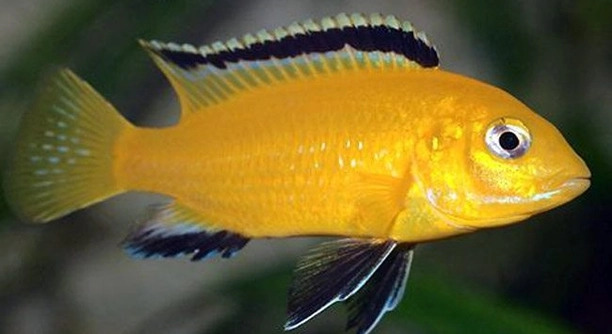
Are your electric yellow cichlids showing signs of dominance in the tank? Observing their behavior can reveal which fish holds the top position in their social hierarchy. Recognizing the alpha is important for maintaining harmony.
The alpha electric yellow cichlid typically exhibits assertive behaviors such as chasing other fish, claiming the best hiding spots, and displaying vibrant coloration. Dominance is reinforced through frequent territorial displays and consistent control over feeding areas.
Identifying the alpha will help you manage your tank environment and ensure all your cichlids remain healthy and stress-free.
Recognizing Dominant Behavior
Alpha electric yellow cichlids show clear behaviors that set them apart from the rest of the tank. They often swim confidently in open areas while others stay close to hiding spots. These fish will chase smaller or less assertive tank mates, establishing clear boundaries. Eating first and occupying prime locations, like near decorations or the filter, is common. Their fins may flare, and their colors appear brighter when asserting control. Observing how other fish react helps identify the alpha, as they typically yield or avoid confrontation. Territorial displays are frequent, and the alpha will patrol its preferred sections of the tank consistently. Even subtle actions, like nudging or blocking, are part of maintaining dominance. These behaviors ensure the alpha remains the top fish, keeping social order within the group.
Dominant fish often display brighter colors, assertive movements, and priority access to food and shelter compared to others.
Tracking these signs will give you a clear understanding of which cichlid maintains control in the aquarium, helping maintain peace and balance.
Managing Tank Dynamics
Ensuring harmony in a tank with a clear alpha requires careful observation and planning.
Keeping aggressive behaviors in check is essential for the health of all cichlids. Start by providing enough space and hiding spots for less dominant fish to retreat when needed. Balanced feeding schedules help reduce competition and stress. If aggression escalates, separating particularly aggressive individuals temporarily may be necessary. Maintaining water quality and monitoring behavior daily ensures stress doesn’t compromise immune systems. Rearranging decorations can reset territories and minimize repeated conflicts. Understanding the hierarchy allows you to anticipate interactions and prevent injuries. Over time, some subordinate fish may grow more confident, but the alpha generally maintains its position. Recognizing these dynamics early helps create a stable, healthy environment. Careful attention to each fish’s behavior and providing a well-structured tank will reduce conflicts and promote peaceful coexistence among electric yellow cichlids, allowing all to thrive comfortably.
Feeding Hierarchies
Alpha cichlids usually eat first and claim the best portions of food. Subordinate fish wait their turn or may retreat to avoid confrontation, allowing the dominant fish to maintain control.
Feeding time highlights the hierarchy clearly. The alpha often positions itself near the center of the tank, quickly claiming flakes or pellets before others can approach. Subordinates may hover at the edges, waiting for scraps or smaller portions. Offering multiple feeding spots can reduce stress and aggression, but the alpha still asserts priority over prime areas. Observing these patterns helps you identify which fish is truly dominant.
Monitoring how food is distributed during feeding can reveal subtle dominance behaviors. Even when multiple portions are available, the alpha maintains control, chasing away competitors and demonstrating its position. Recognizing these patterns supports healthier tank management and prevents unnecessary stress among your fish.
Territorial Adjustments
Dominant cichlids defend their preferred areas, often patrolling territories and chasing intruders to maintain boundaries.
Territorial behavior ensures the alpha controls key sections of the tank, such as hiding spots, decorations, or filter outlets. Subordinate fish usually avoid these areas to reduce conflict. Rearranging decorations periodically can help redistribute territories and reduce persistent aggression. Observing patrol patterns and interactions provides insight into which fish hold dominance. Subordinate fish may gradually explore unclaimed areas once confident, but the alpha remains vigilant. Understanding and managing these dynamics allows the tank to function smoothly, with each fish respecting established boundaries while minimizing injuries and stress.
Signs of Stress in Subordinate Fish
Subordinate cichlids often show stress through hiding, loss of color, or decreased appetite. These behaviors indicate that the alpha is asserting control over the tank consistently.
Observing these signs early helps prevent long-term health issues. Stress can make fish more susceptible to disease, so providing hiding spots and monitoring interactions is crucial for maintaining balance.
Social Interactions
Electric yellow cichlids communicate dominance through gestures like fin flaring, chasing, and nudging. These interactions reinforce the hierarchy and establish boundaries within the tank. Subordinate fish usually respond with avoidance, signaling their acceptance of the alpha’s control. Understanding these dynamics helps manage tank harmony effectively.
Adjusting Tank Setup
Altering decorations, hiding spots, and feeding locations can reduce tension. These adjustments give subordinate fish space while maintaining the alpha’s dominance.
FAQ
How can I tell if my electric yellow cichlid is the alpha?
The alpha fish shows clear dominance behaviors. It swims confidently in open areas, flares its fins, and displays the brightest colors. It chases other fish away from preferred spots and eats first. Observing which fish consistently controls space and food will help you identify the dominant individual.
What behaviors are common in subordinate fish?
Subordinate cichlids tend to avoid confrontation. They hide more often, display duller colors, and wait for the alpha to finish eating before approaching food. These fish may retreat when the alpha patrols their territory and usually stay near decorations or corners for safety. Monitoring these patterns helps prevent stress and injury.
Does the alpha fish always stay the same?
Most of the time, the alpha maintains its position, but changes can occur if the alpha weakens, falls ill, or is removed from the tank. Sometimes a confident subordinate may rise to dominance, but this transition is gradual and involves repeated displays of strength, chasing, and securing key areas.
How can I reduce aggression in the tank?
Providing enough hiding spots, multiple feeding areas, and a spacious tank helps lower tension. Rearranging decorations occasionally resets territories and minimizes repeated conflicts. Avoid overcrowding, and monitor interactions during feeding. Keeping water quality high also supports calmer behavior and reduces stress-related aggression among all fish.
What signs indicate my alpha is stressing other fish?
If you notice fish hiding excessively, losing color, refusing food, or acting lethargic, the alpha may be exerting too much control. Persistent chasing, fin nipping, or territorial aggression can also indicate that the hierarchy is causing stress. Adjusting space and providing retreat zones helps mitigate these issues.
Should I separate the alpha if it’s too aggressive?
Separation is sometimes necessary if subordinate fish show signs of severe stress or injury. Temporary removal allows calmer interactions and gives weaker fish a chance to recover. After some time, you can reintroduce the fish gradually, ensuring sufficient hiding places to reduce immediate confrontations.
Do alphas always eat first?
Yes, alpha cichlids usually claim food before others. They position themselves near the center or prime feeding areas, chasing away competitors. Subordinate fish often wait at the edges or pick up leftovers. Offering multiple feeding spots can reduce conflict but does not change the alpha’s natural priority.
Can multiple alphas exist in one tank?
In smaller tanks, typically only one dominant fish emerges. In larger tanks with sufficient space and hiding spots, it’s possible for two confident fish to share influence, though one often becomes more dominant over time. Careful observation and proper tank management are required to maintain balance.
How do I maintain harmony with an alpha present?
Respecting the hierarchy is key. Provide adequate hiding spots, distribute food evenly, and avoid overcrowding. Rearranging decorations helps redistribute territories and prevents repetitive dominance disputes. Observing interactions daily and adjusting the environment ensures all fish remain healthy and stress-free.
Are territorial displays harmful?
Most territorial displays, like chasing or fin flaring, are normal and maintain the hierarchy. Harm occurs only if aggression escalates or stress persists. Ensuring enough space, retreat options, and careful observation minimizes risk while allowing the alpha to establish control naturally.
What is the best tank setup for managing an alpha?
A larger tank with multiple hiding spots, varied decorations, and feeding zones works best. This setup allows subordinate fish to retreat safely while the alpha asserts dominance. Regularly monitoring behavior, rearranging territories, and maintaining clean water keeps the tank balanced and reduces conflict.
How can I tell if a subordinate is gaining confidence?
A subordinate fish gaining confidence will explore areas previously dominated by the alpha, approach food more readily, and display brighter coloration occasionally. These subtle changes indicate the fish may challenge the hierarchy in the future, though the alpha usually reasserts control through continued displays and patrols.
Can stress affect the alpha?
Yes, even dominant fish can experience stress due to poor water quality, overcrowding, or illness. A stressed alpha may become less assertive, lose color, or eat less. Addressing environmental factors quickly helps maintain its health and preserves the stability of the tank hierarchy.
What is the role of decorations in dominance?
Decorations act as territorial markers and hiding spots. The alpha claims preferred structures, while subordinate fish retreat to less contested areas. Rearranging decorations occasionally helps prevent repeated disputes, redistributes territories, and encourages natural behavior without altering the established hierarchy.
How often should I monitor the tank?
Daily observation is ideal. Watching interactions, feeding order, and territory usage ensures all fish remain healthy. Early detection of stress or aggression allows timely adjustments to the environment, feeding practices, or tank layout, keeping the hierarchy balanced and reducing risk of injury.
Can subordinate fish ever become aggressive?
Subordinate fish may become aggressive if the alpha weakens or if they gain confidence over time. These challenges are usually brief and involve displays like chasing or flaring fins. Proper tank management, space, and hiding spots minimize the impact and prevent serious conflicts while maintaining balance.
How does tank size affect dominance?
Smaller tanks increase competition and stress, making aggressive behavior more frequent. Larger tanks allow more territory and hiding spots, reducing pressure on subordinate fish. Sufficient space ensures that the alpha can assert dominance without constant direct confrontation, promoting a calmer, healthier tank environment.
Are there visual cues for alpha status besides behavior?
Yes, dominant cichlids often display brighter, more vibrant colors. Their fins may be fully extended, and they maintain a confident posture. Subordinate fish usually appear duller, smaller, or hesitant. Observing both behavior and coloration together provides a clear indication of the alpha in the tank.
How do feeding schedules impact hierarchy?
Consistent feeding schedules reinforce the alpha’s control, as it reliably eats first. Irregular feeding can cause stress or conflict as fish compete unpredictably. Multiple feeding points help subordinate fish access food without constant confrontation, maintaining a more peaceful environment.
What long-term strategies help manage an alpha?
Provide adequate space, hiding spots, and multiple feeding areas. Monitor daily for stress or aggression, maintain water quality, and adjust decorations periodically. Respect the natural hierarchy while ensuring subordinate fish have safe retreats. These strategies promote a balanced, healthy tank and reduce chronic stress.
How can I reduce stress without changing the alpha?
Increase hiding spaces, offer dispersed feeding areas, and rearrange decorations to create neutral zones. Avoid overcrowding and monitor interactions regularly. These adjustments allow subordinate fish to thrive while the alpha maintains dominance, reducing tension and supporting the overall health of the tank ecosystem.
How do I know when intervention is necessary?
Intervene if subordinate fish show persistent hiding, loss of color, refusal to eat, or injuries from aggression. Temporary separation, rearranging the tank, or adding more hiding spots helps resolve conflicts. Early action prevents chronic stress and maintains harmony without disrupting the established hierarchy.
Can tank mates influence alpha behavior?
Yes, the presence and behavior of other cichlids affect the alpha. Confident subordinates or overly timid fish can change interactions. Observing these dynamics helps adjust the tank layout and feeding routines to maintain balance, minimize stress, and support healthy social structures.
Is it normal for alphas to challenge each other?
Occasionally, confident fish may challenge the alpha, especially in larger tanks. These encounters involve chasing, flaring, and territorial displays. Usually, the dominant fish reasserts control. Providing enough space and hiding spots minimizes escalation and supports stable hierarchies.
Can environmental enrichment reduce aggression?
Yes, adding plants, rocks, and hiding areas provides outlets for exploration and retreat. These changes prevent repeated conflicts, allow subordinate fish to feel secure, and reduce stress. Environmental enrichment promotes natural behavior while maintaining the alpha’s dominance.
How does age affect dominance?
Older, larger fish often assert dominance due to size and experience. Younger or smaller fish tend to be subordinate, learning boundaries from repeated interactions. Monitoring growth and behavior ensures the hierarchy remains stable, with adjustments made if necessary for tank harmony.
Are all aggressive displays harmful?
Not all aggression is dangerous. Normal displays like chasing, nudging, or fin flaring establish hierarchy without causing injury. Intervention is only needed if these behaviors result in persistent stress, injury, or disruption of feeding and territorial access for other fish.
How can I encourage peaceful coexistence?
Provide multiple hiding spots, maintain water quality, monitor behavior, and distribute food across the tank. Periodic decoration rearrangement and respecting the hierarchy allow subordinate fish to thrive while the alpha maintains its position. These steps create a calmer, balanced tank environment.
Does the alpha influence tank health?
Indirectly, yes. A dominant fish that reduces stress and establishes order promotes healthy interactions. Conversely, excessive aggression or stress can impact subordinate fish, increasing susceptibility to illness. Proper management ensures the alpha supports rather than compromises tank health.
How important is observation for maintaining hierarchy?
Daily observation is crucial. It allows you to track feeding behavior, territorial patrols, and social interactions. Early detection of stress, aggression, or illness ensures timely interventions, preserving hierarchy and supporting the health of all cichlids in the tank.
Can multiple feeding points change alpha behavior?
Providing multiple feeding locations reduces competition but rarely alters the alpha’s priority. The dominant fish still claims the most favorable spots and asserts control. Subordinate fish benefit from easier access to food without increasing conflict, creating a more balanced environment.
How long does it take to identify the alpha?
Consistent observation over several days or weeks is needed. Watch feeding order, territorial displays, and interactions. The alpha will demonstrate repeated control over space and resources, making identification clear without disrupting the tank environment.
Does the alpha ever become less dominant?
Yes, illness, stress, or age can weaken the alpha. In such cases, a subordinate fish may rise to dominance gradually. Careful monitoring during this transition ensures minimal conflict and maintains overall tank stability.
How can I protect weaker fish?
Provide ample hiding spots, distribute food, and adjust tank layout to create safe zones. Observing behavior and intervening when aggression escalates ensures subordinate fish remain healthy and stress-free without disrupting the alpha’s natural dominance.
Can tank decorations influence feeding order?
Yes, decorations can create preferred areas for the alpha. Subordinates may avoid these spots, waiting for the alpha to finish. Strategic placement of food near multiple areas helps all fish access nutrition while respecting territorial boundaries.
What role does lighting play in dominance?
Brighter lighting can make alpha fish more visible, reinforcing their dominance. Subordinates may seek shaded or hidden areas to avoid confrontation. Adjusting lighting subtly can reduce stress and encourage natural behavior without altering hierarchy.
How do I prevent fights from escalating?
Ensure sufficient space, hiding spots, and multiple feeding locations. Observe interactions, rearrange decorations, and separate fish temporarily if necessary. Early adjustments prevent severe aggression, maintaining a stable and healthy tank environment.
Can tank size alone reduce aggression?
Larger tanks provide space for territories and retreats, reducing direct confrontation. While not a complete solution, sufficient space supports natural hierarchy, allows subordinate fish to avoid constant stress, and promotes overall peaceful coexistence.
How do I know when the hierarchy is stable?
A stable hierarchy shows consistent feeding order, predictable territory usage, and minimal stress among subordinates. Fish interact with clear boundaries, chasing and flaring occur without injury, and all individuals access food and hiding spots safely. Stability ensures long-term tank harmony.
Is it normal for alphas to lose color occasionally?
Yes, temporary color changes can occur due to stress, illness, or environmental factors. Persistent dullness may indicate health issues. Monitoring behavior and water conditions helps differentiate between natural variation and a problem requiring attention.
How can I encourage subordinate fish to explore safely?
Provide multiple hiding spots, disperse food, and rearrange decorations periodically. This allows confident exploration while minimizing conflict with the alpha, helping subordinate fish gain confidence without disrupting the established hierarchy.
Does water temperature affect dominance?
Extreme temperatures can stress all fish, reducing the alpha’s assertiveness and increasing aggression unpredictably. Maintaining stable, appropriate water temperature supports natural behavior, hierarchy, and overall health in the tank.
Are all alphas aggressive at all times?
No, alpha cichlids are aggressive mainly during feeding, territorial patrols, and interactions that reinforce dominance. Outside these situations, they often swim calmly, interact peacefully, and coexist with subordinates without constant aggression.
Can diet impact alpha behavior?
A balanced diet supports energy and coloration, helping the alpha display normal dominance behaviors. Poor nutrition can weaken the fish, reduce assertiveness, and upset tank hierarchy. Proper feeding practices maintain health and social order.
How long should I observe behavior before making changes?
Observe for at least one to two weeks, noting feeding order, territory control, and interactions. Consistent patterns indicate hierarchy, while deviations may signal stress, illness, or environmental issues requiring adjustments to maintain balance.
Do alphas influence tank breeding behavior?
Yes, dominant fish often control breeding areas and mates. Subordinates typically avoid these zones until the alpha allows access. Understanding this behavior helps manage breeding and maintain peaceful tank dynamics.
How can I identify subtle alpha behaviors?
Watch for fin flaring, nudging, chasing, or occupying prime locations. Even small, repeated gestures like blocking access to decorations or food indicate dominance. Combined with color and posture, these behaviors reveal the alpha clearly.
Does the alpha’s size matter?
Larger fish often dominate due to strength and confidence. However, size alone is not enough; consistent territorial behavior, assertiveness, and control over food and hiding spots define alpha status. Subordinate fish recognize these traits and yield accordingly.
What role does observation of social patterns play?
Observing interactions over time reveals feeding order, territory usage, and dominance displays. This allows you to manage aggression, adjust the tank layout, and maintain a balanced hierarchy, ensuring all fish remain healthy and stress-free.
How do I balance multiple dominant personalities?
Provide enough space, hiding spots, and resources to reduce conflicts. Rearranging decorations periodically and monitoring interactions ensures dominant fish establish clear boundaries without constant aggression. This promotes a more stable environment while respecting natural behavior.
Can environmental changes disrupt hierarchy?
Yes, rearranging decorations, adding new fish, or altering feeding routines can temporarily shift dominance. Observing behavior after changes helps maintain stability and ensures subordinate fish remain safe while the alpha asserts control appropriately.
How can I support subordinate fish long-term?
Provide retreat spaces, multiple feeding areas, and regular monitoring. Adjust tank layout periodically to reduce repeated stress. Respect the alpha’s dominance while ensuring subordinates have opportunities to feed and explore safely. This maintains health and balance in the tank.
Do alphas ever allow subordinates to challenge them?
Occasionally, subordinate fish may test boundaries. The alpha usually responds with displays of strength to reinforce control. These challenges are part of natural hierarchy and rarely result in serious injury when proper space and resources are available.
How can I tell if the alpha is healthy?
Healthy alphas show vibrant colors, assertive behavior, regular eating, and normal interactions. Dull colors, lethargy, or irregular feeding may indicate illness or stress, which can affect the hierarchy and overall tank stability.
Does the alpha influence subordinate growth?
Yes, stress from dominance can temporarily slow growth or reduce appetite in subordinates. Providing hiding spots, adequate food, and monitoring interactions helps mitigate these effects and ensures all fish develop properly.
How important is consistency in tank care?
Consistent feeding, clean water, and stable environmental conditions reduce stress and support natural hierarchy. Regular observation allows you to identify issues early, ensuring the alpha and subordinate fish remain healthy and the tank ecosystem functions smoothly.
Can behavioral patterns change seasonally?
Seasonal changes like water temperature shifts or light variations can affect activity and aggression. While the alpha maintains dominance, behavior may adjust slightly. Monitoring these changes ensures the hierarchy remains stable and stress is minimized.
Are there warning signs of hierarchy breakdown?
Persistent injuries, extreme hiding, refusal to eat, or repeated escalated aggression indicate potential hierarchy disruption. Early intervention with tank adjustments, hiding spots, or temporary separation helps restore balance and protect all fish.
How do I know if an alpha challenge is serious?
Serious challenges involve prolonged chasing, fin nipping, and repeated territory intrusion. Monitor interactions carefully, provide escape routes for subordinates, and intervene if injuries occur. Proper tank management ensures hierarchy stability without excessive harm.
Can alphas coexist with other dominant species?
Yes, if space, hiding spots, and resources are sufficient. Careful observation of interspecies interactions is necessary to prevent stress and aggression. Maintaining territory boundaries helps all dominant individuals coexist peacefully.
Does tank maintenance affect hierarchy stability?
Yes, clean water, proper filtration, and regular monitoring reduce stress, supporting consistent dominance behavior. Neglecting maintenance can increase aggression, illness, and hierarchy instability, impacting the health of all fish.
How do I encourage natural behavior in the tank?
Provide hiding spots, rearrange decorations occasionally, maintain water quality, and distribute food across multiple areas. Observing interactions without interference supports natural hierarchy and healthy social dynamics.
Can subordinates form alliances?
Subordinate fish may temporarily group together to avoid the alpha, but these alliances are short-term and do not usually threaten the dominant fish. Awareness of these patterns helps manage tank dynamics effectively.
How do I recognize early signs of aggression escalation?
Repeated chasing, fin flaring, and blocking access to key areas are early signs. Observing these behaviors allows timely intervention, like rearranging decorations or providing additional hiding spots, preventing serious injury.
Can the alpha fish influence tank breeding success?
Yes, dominant fish control breeding areas and access to mates. Subordinates avoid these zones until allowed by the alpha. Managing tank space and hiding areas ensures breeding occurs without excessive conflict.
How do I maintain long-term tank balance with an alpha?
Monitor daily, provide multiple hiding spots, distribute food evenly, rearrange decorations periodically, and ensure adequate space. Respect the hierarchy while supporting subordinate fish to thrive, creating a stable, healthy tank environment over time.
Is it normal for subordinate fish to recover from stress?
Yes, with sufficient hiding spaces, proper feeding, and reduced confrontation, subordinate fish regain color, appetite, and confidence. Careful observation ensures recovery without disrupting the alpha’s established dominance.
How do I prevent dominance-related injuries?
Provide retreat spaces, multiple feeding areas, and adequate tank size. Monitor interactions and intervene if aggression becomes severe. Maintaining a structured environment reduces risk while preserving natural hierarchy.
Can dominance behavior change as fish age?
Yes, older or larger fish often assert more control, while younger fish remain subordinate. Tracking growth and behavior ensures stable hierarchy and allows adjustments to tank layout to minimize conflicts.
How important is observation during feeding?
Feeding highlights hierarchy, aggression, and stress. Watching which fish eat first, chase others, or retreat provides clear insight into social structure, allowing you to manage the tank environment effectively.
**Does the alpha affect water quality indirectly?
Observing your electric yellow cichlids closely helps you understand the social dynamics in your tank. The alpha fish plays a key role in maintaining order, and recognizing its behavior makes it easier to manage interactions. Dominance is shown through patrolling territories, chasing other fish, eating first, and displaying bright colors. By watching these patterns, you can identify which fish holds control and which ones are more submissive. Subordinate fish often hide, show duller colors, or wait for the alpha to finish eating. These behaviors are natural and indicate that the hierarchy is functioning as it should. Knowing how to spot these signs allows you to anticipate conflicts and maintain a calmer environment, reducing stress for all the fish.
Managing the tank with a clear alpha requires planning and careful observation. Providing multiple hiding spots, rearranging decorations, and offering several feeding areas are effective ways to reduce aggression. Subordinate fish need space to retreat, and this ensures they can feed, rest, and explore safely. Monitoring water quality, temperature, and tank size also contributes to overall stability. Even the alpha can experience stress, so maintaining a clean and stable environment benefits all fish in the tank. Intervening when necessary, such as temporarily separating aggressive individuals, helps prevent injuries and keeps the social order intact. Over time, you may notice subordinate fish becoming more confident, but the alpha typically retains dominance through consistent displays and territorial control. Understanding these dynamics allows for better tank management and promotes healthier, happier fish.
Patience and consistency are key when maintaining harmony in a tank with an alpha cichlid. It is normal to see occasional chasing or flaring fins, as these actions reinforce the hierarchy. By respecting the social structure while providing sufficient space, hiding places, and feeding options, you create an environment where all fish can thrive. Careful observation helps identify stress, illness, or aggressive patterns early, allowing for timely adjustments. Providing a well-planned tank layout ensures both dominant and subordinate fish remain healthy and balanced. Ultimately, recognizing the alpha and supporting the natural social structure promotes a peaceful and thriving aquarium where electric yellow cichlids can live comfortably.

Hello,
If you enjoy the content that we create, please consider saying a "Thank You!" by leaving a tip.
Every little bit helps us continue crafting quality advice that supports the health, happiness, and well-being of pets around the world, for pets of all shapes, sizes, and species.
We really appreciate the kindness and support that you show us!