
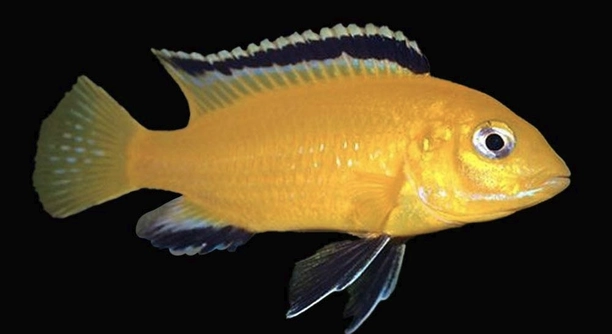
Seven days without light in my cichlid tank created an unusual and unsettling environment. The fish behaved differently, plants wilted, and algae growth halted. It was surprising to see how dependent the tank’s ecosystem is on consistent lighting.
The absence of light for a full week caused significant behavioral and environmental changes. Fish activity decreased, coloration faded, and natural plant growth slowed dramatically. Algae development was stunted, and the tank’s overall balance shifted noticeably during this period.
Observing these changes has highlighted the importance of light for maintaining a healthy and stable cichlid tank environment. The full impact went beyond my expectations.
The First Signs of Change
After just a couple of days without light, I noticed my cichlids behaving differently. They swam less actively and seemed to stay closer to hiding spots. The plants that usually thrived under consistent lighting began to droop and lose their vibrant green color. Algae, which normally forms a thin layer on decorations, stopped appearing entirely. Even the water seemed a little duller, as if the tank itself was quieter. It was fascinating to watch these changes unfold because everything in the tank is so interconnected. The fish, plants, and microorganisms all reacted quickly to the lack of light, showing just how dependent they are on consistent conditions. Observing this reminded me that even small adjustments in the tank environment can have visible effects. It was an unexpected lesson in patience, observation, and the importance of maintaining a regular schedule for light and care in an aquarium setting.
The changes were subtle at first but became more pronounced by the third day. Fish activity dropped noticeably.
By the end of the week, the difference was clear. Fish had paler colors, and plant leaves were limp. Some algae patches that normally appeared daily had vanished completely. Feeding times remained the same, but the fish’s appetite decreased slightly. Water parameters stayed stable, which reassured me that the changes were directly linked to the lack of light rather than other stressors. Watching their behavior and the tank’s condition shift so visibly made me more aware of the delicate balance in an aquarium ecosystem. It also reinforced the importance of regular observation, so I could detect changes quickly and respond appropriately to maintain a healthy environment.
Adjusting to the Dark Period
Even without light, I continued to feed and monitor the tank carefully.
I decided to document the entire week to better understand the effects. Every day, I took notes on fish activity, plant condition, and water clarity. The tank’s ecosystem responded in subtle ways that were easy to overlook if I hadn’t been tracking them closely. Color changes in the cichlids became more noticeable, and some fish seemed more hesitant to swim around the open areas. Plants lost turgor pressure, and leaves that were once sturdy and upright began to bend. Interestingly, once the light returned, the recovery was gradual. Fish slowly regained their coloration, and plants began to perk up. Algae growth resumed, covering surfaces at a normal pace. This experience highlighted how critical light is not just for visual aesthetics but for the health and behavior of all tank inhabitants. Consistency in lighting is key to avoiding stress and ensuring a thriving aquarium.
Behavioral Shifts in the Tank
By the second day, some cichlids began hiding more often. Active swimming decreased, and dominant fish showed less territorial behavior. The social dynamics of the tank changed noticeably in just a short time, making it clear how light influences their natural instincts and routines.
Fish that usually patrolled the entire tank became more cautious and stayed near familiar areas. Schooling patterns were disrupted, and some individuals lingered near plants or decorations instead of moving freely. The lack of light appeared to make them less confident, and feeding behavior changed slightly, with slower reactions to food. Even subtle movements and interactions among the fish shifted, showing how dependent they are on consistent lighting to maintain their natural rhythms and energy levels throughout the day.
Territorial displays nearly disappeared by the fifth day. Fish tolerated each other more, and aggressive behaviors reduced. Dominant individuals were less inclined to chase or assert control over certain spaces. Observing these changes highlighted the role light plays in maintaining natural behaviors and hierarchy in a cichlid tank. It became clear that lighting affects both activity levels and interactions, impacting the overall balance and atmosphere of the aquarium in ways that aren’t immediately obvious but are significant over time.
Plant Response to Darkness
Plant leaves began wilting quickly, showing visible signs of stress without light. Growth slowed dramatically, and older leaves started browning at the edges.
Photosynthesis halted, causing energy reserves in the plants to deplete. Roots remained healthy, but above-ground foliage weakened. Some plants that normally grew upright drooped heavily, while slower-growing species retained a slight structure but lacked vibrancy. Nutrient uptake continued minimally, but without light, the plants could not produce enough energy to maintain normal growth or coloration. Even small changes, like leaves turning pale or curling, indicated the absence of light was taking a clear toll on overall plant health. The visual shift emphasized how crucial consistent light exposure is for sustaining both plant life and the overall ecosystem of the tank.
Algae Halted
Algae growth stopped almost immediately. Surfaces that normally developed a thin green layer remained bare. The lack of light directly prevented photosynthesis, which slowed their reproduction and growth entirely within days.
Without algae forming, the tank looked cleaner but less natural. Decorations and substrate appeared duller, changing the overall visual balance of the aquarium noticeably.
Fish Color Fading
By the fourth day, fish coloration became muted. Bright hues dulled, and contrast between markings diminished. Energy levels also appeared lower, with slower movements and fewer interactions. These changes highlighted the link between light exposure and both physical appearance and vitality in cichlids.
Water Condition
Water clarity remained stable throughout the dark period. No major changes in parameters occurred, and ammonia, nitrate, and pH stayed within normal ranges, showing that the absence of light did not immediately affect chemical stability.
Feeding Behavior
Fish showed decreased interest in food by the sixth day. Appetite dropped slightly, and reactions to feeding slowed. Some fish lingered near food but did not consume it immediately, signaling mild stress or lower energy levels due to prolonged darkness.
How long can a cichlid tank go without light?
A cichlid tank can survive a few days without light, but noticeable changes begin within 24 to 48 hours. Fish behavior slows, plant growth decreases, and algae stops forming. Beyond a week, these effects become more pronounced, and the tank’s visual appeal and ecological balance are impacted significantly.
Will my fish die if the lights are off for a week?
Fish are generally resilient and can survive short periods without light. Mortality is unlikely in just seven days if water parameters are stable and feeding continues. However, prolonged darkness can cause stress, lower immune response, and increase vulnerability to illness, even if immediate death does not occur.
Why did my cichlids lose color?
Color fading is a natural response to decreased light exposure. Pigment cells reduce activity without sufficient light, causing duller coloration. Stress and lower activity levels also contribute. Once normal lighting resumes, colors typically recover gradually over several days to a week.
How did plants respond to no light?
Plants rely on photosynthesis to produce energy. Without light, growth slows dramatically, leaves may wilt, and older foliage can brown. Root systems often remain intact, but the above-ground parts weaken. Recovery is possible when light is restored, but prolonged darkness can permanently damage delicate or slow-growing species.
What happened to algae during this period?
Algae growth stopped almost immediately. Algae require light for photosynthesis and reproduction, so even a short-term absence halts development. Surfaces that usually accumulate a thin green layer stayed bare. This change made the tank appear cleaner but also altered its natural look.
Did fish behavior change during the dark week?
Yes, fish became less active and more cautious. Dominant individuals showed fewer territorial behaviors, and schooling patterns were disrupted. Many fish stayed near hiding spots or decorations rather than swimming freely. Appetite also decreased slightly, which reflects lower energy levels and mild stress caused by the lack of light.
Are there any long-term effects from a week without light?
Long-term effects are usually minimal if water quality and feeding remain consistent. Fish regain activity and coloration once light returns, and plants recover if the dark period wasn’t too extended. Repeated or prolonged light deprivation, however, can cause lasting stress and slow plant recovery, particularly in delicate species.
Should I adjust feeding during a dark period?
Feeding can continue as normal but monitor fish closely. Appetite often decreases, so overfeeding should be avoided to prevent water quality issues. Small, controlled portions help maintain health without adding excess waste that could destabilize the tank.
How quickly do things recover once light returns?
Fish coloration and activity usually rebound within a few days, while plants recover more slowly. Algae growth resumes gradually, restoring the tank’s natural appearance. Consistency in light schedules after the dark period helps the ecosystem stabilize and regain its normal balance.
Can prolonged darkness be used intentionally in a tank?
Short-term darkness can be used to slow algae growth or observe fish behavior under low-stress conditions. However, it should be limited, as extended periods without light negatively affect plants, fish behavior, and overall tank aesthetics. Careful monitoring is essential if using this technique.
How do I prevent negative effects in the future?
Maintaining a consistent lighting schedule is the most important step. Automatic timers help ensure regular light exposure. Monitoring water parameters, plant health, and fish behavior can catch early signs of stress, allowing adjustments before issues escalate. Regular observation ensures the tank remains balanced and healthy.
Is it necessary to supplement light if natural daylight is insufficient?
Yes, artificial lighting is important in indoor setups. Cichlids and plants rely on consistent light cycles. Without proper supplementation, plant growth slows, fish colors fade, and algae patterns change, affecting both aesthetics and the ecosystem’s stability. Reliable lighting ensures healthy behavior and thriving plant life.
The week without light in my cichlid tank was a surprising experience. Observing how quickly the fish and plants responded made it clear just how dependent the tank’s ecosystem is on consistent lighting. Fish activity decreased, colors faded, and plants began to droop. Even though water parameters remained stable, the overall balance of the tank shifted noticeably. It became evident that light is not only important for visual appeal but also plays a crucial role in maintaining natural behaviors and plant health. Seeing these changes unfold highlighted how interconnected every part of the aquarium is. Fish, plants, and even algae all rely on a predictable environment to function properly, and even a short disruption can have visible effects.
The behavioral shifts in the cichlids were particularly interesting. Fish that normally swam actively throughout the tank became more cautious, preferring to stay near hiding spots or familiar areas. Dominant fish reduced their territorial behaviors, and schooling patterns changed. Feeding behavior also slowed, showing how light influences both energy levels and activity. Plants reacted quickly as well, with leaves wilting and growth slowing significantly. Algae development stopped almost entirely, leaving surfaces bare and changing the overall look of the tank. This period without light served as a reminder that every element of an aquarium is sensitive to changes in its environment. Maintaining consistent care routines, including proper lighting schedules, is essential to ensure the health and well-being of all inhabitants.
Returning the lights to the tank restored much of what was lost during the dark week. Fish gradually regained their color and energy, plants began to recover, and algae resumed normal growth. The tank slowly returned to its usual balance, but it also emphasized the importance of monitoring and maintaining consistency. Even short-term disruptions can stress both fish and plants, and recovery takes time. This experience reinforced the need for careful observation and consistent maintenance in aquarium care. Light is a vital factor for the overall health of the tank, influencing behavior, appearance, and ecological balance. Understanding these effects helps ensure that a cichlid tank remains vibrant, active, and healthy for both fish and plants alike.

Hello,
If you enjoy the content that we create, please consider saying a "Thank You!" by leaving a tip.
Every little bit helps us continue crafting quality advice that supports the health, happiness, and well-being of pets around the world, for pets of all shapes, sizes, and species.
We really appreciate the kindness and support that you show us!