
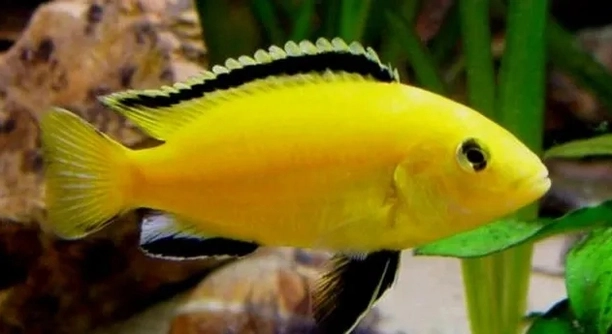
Keeping a fish tank can be rewarding, but aggression among fish can quickly turn it stressful. Many aquarists struggle with maintaining harmony, especially when certain species compete for territory or dominance within the same tank environment.
Designing tank layouts that strategically separate hiding spots, open swimming areas, and visual barriers can significantly reduce aggression peaks. Incorporating plants, rocks, and decorations in thoughtful patterns helps create zones that lower stress and promote peaceful interactions among fish.
Understanding these layouts can make a noticeable difference in your aquarium’s atmosphere. Small adjustments in arrangement often lead to calmer, healthier fish interactions and a more enjoyable viewing experience.
Open Swimming Zones
Creating open swimming zones allows fish to move freely without feeling trapped or cornered. Large open areas reduce competition for space and help fish establish their own territories naturally. By leaving central parts of the tank clear and clustering decorations along the edges, you can maintain visual interest without overcrowding. Fish often feel stressed when movement is restricted, and aggression tends to spike in cramped environments. Using sand or gravel as a base and leaving some areas unadorned encourages exploration and natural behaviors. Schools of fish especially benefit from open zones, as they can swim in groups without interference. Even territorial fish can coexist more peacefully when they have room to patrol their own space without confronting others constantly. Proper lighting that mimics natural daylight patterns further reduces tension and supports calmer interactions. Overall, carefully designed swimming zones balance aesthetics and function, making aggression less frequent.
Clear open areas help fish feel secure and reduce the likelihood of constant chasing or nipping incidents.
Arranging swimming zones thoughtfully requires observing your fish’s natural tendencies. Notice which areas are favored and which cause stress. Some species prefer mid-level swimming, while others patrol near the surface or bottom. Placing decorations to create lanes and sightlines allows fish to interact safely while retreating if needed. This setup also provides flexibility when adding new fish, minimizing territorial disputes. By strategically spacing hiding spots and open water, each fish gains a personal zone without constant confrontation. Maintaining a regular cleaning schedule and monitoring water quality further supports this peaceful environment, as stress from poor conditions can trigger aggression. Gradually adjusting the layout rather than making sudden changes helps fish acclimate, leading to long-term stability and harmony.
Visual Barriers
Visual barriers break lines of sight between aggressive fish, preventing unnecessary confrontations.
Adding plants, rocks, or driftwood creates secluded areas where fish can retreat and feel secure. Thoughtful placement of these barriers encourages natural behavior and reduces territorial disputes.
Using visual barriers is an effective method for lowering aggression peaks in aquariums. Tall plants or dense decorations along tank edges can prevent dominant fish from constantly watching or chasing others. These barriers allow shy or smaller fish to hide without being cornered, giving them confidence to explore safely. Layering different heights and textures adds complexity, making the environment engaging while serving a functional purpose. Even partial barriers can disrupt sightlines, calming overly territorial species. Over time, fish learn to navigate around these spaces, resulting in a more balanced social dynamic. Maintaining cleanliness around barriers is important, as algae or debris buildup can reduce hiding effectiveness. Properly designed visual barriers work in tandem with open swimming zones, providing both freedom and security, ultimately creating a more peaceful aquarium where fish can thrive.
Hiding Spots
Providing hiding spots reduces stress by giving fish a safe retreat when they feel threatened. Caves, dense plants, or small structures allow timid fish to escape dominant tank mates, lowering the overall aggression levels in the aquarium.
Hiding spots are essential for maintaining harmony among different species. Fish use these areas to rest, sleep, or simply observe without being disturbed. When multiple hiding spots are available, dominant fish cannot control all territories, which prevents bullying. Positioning them at different tank levels and corners ensures every fish has access to safety. Using natural materials such as driftwood or rock formations makes the tank feel more realistic while supporting healthy behavior. Even small additions can make a noticeable difference in aggression patterns, giving each fish a secure space to thrive.
Creating diverse hiding spots also encourages natural exploration and territorial balance. Fish interact more peacefully when they know a retreat is available. Mixing materials, textures, and plant types keeps the environment engaging, reducing boredom-related aggression. Regularly checking these areas for blockages or decay ensures the spots remain usable and safe. Over time, fish learn to recognize these spaces as secure zones, contributing to a calmer overall tank atmosphere.
Territorial Dividers
Territorial dividers give fish distinct areas, limiting conflicts over space. Dividers can be rocks, plants, or transparent panels that separate aggressive species.
Using territorial dividers helps establish clear boundaries and prevents constant confrontations. Fish are naturally territorial, and when territories overlap too much, aggression peaks. By creating zones, each fish can claim a personal area without intrusion. Dividers work well in both community and species-specific tanks, allowing dominant fish to patrol their section while smaller fish remain undisturbed. Positioning dividers thoughtfully, considering swimming patterns and preferred zones, ensures all fish benefit equally. Dividers also guide interactions during feeding, minimizing stress and preventing constant chasing. Consistent observation and occasional adjustments help maintain balance as fish grow or new additions arrive.
When placing dividers, consider height, transparency, and placement to encourage natural movement while maintaining visual separation. Tall plants or rock walls work as natural dividers, while panels can be used in larger tanks. The goal is to create structured territories without overly restricting movement. This approach supports peaceful coexistence and allows shy fish to explore confidently. Over time, these dividers reduce confrontations, improve overall tank dynamics, and contribute to a stable, harmonious environment.
Layered Planting
Layered planting creates depth and multiple hiding opportunities for fish. Taller plants at the back and shorter ones in the front allow fish to navigate freely while feeling secure in different tank areas.
This arrangement reduces line-of-sight conflicts and keeps aggressive interactions minimal. Fish feel less exposed when they can move between plant layers, which naturally lowers stress.
Separate Feeding Zones
Designating separate feeding zones helps prevent competition and reduces chasing during meals. Spacing out food allows slower or timid fish to eat without interference.
Floating Barriers
Floating barriers break open sightlines and give fish control over their personal space. They gently disrupt aggressive patterns and support calmer interactions throughout the tank.
FAQ
How can I tell if my fish are stressed due to aggression?
Signs of stress include hiding frequently, chasing or nipping, loss of appetite, and faded colors. Fish may cling to corners or the surface and show rapid breathing. Observing their behavior daily helps identify which species are being targeted or feeling threatened.
What types of decorations reduce aggression the most?
Caves, dense plants, driftwood, and rocks are effective. These items create hiding spots and visual barriers, giving fish places to retreat. Layering decorations at different heights encourages natural exploration and reduces confrontations. Even small or modest decorations can make a big difference.
Are open swimming zones really necessary?
Yes, they allow fish to move freely and establish their own territories. Open spaces reduce crowding, which often triggers aggression. Fish feel less trapped and more confident, leading to calmer interactions and fewer attacks.
How often should I adjust tank layouts?
Adjustments should be gradual and based on observing fish behavior. If certain areas become dominated or fights increase, rearranging hiding spots or visual barriers can restore balance. Sudden changes can stress fish, so slow modifications work best.
Can plant types influence aggression?
Yes, dense and tall plants provide security and break lines of sight. Fast-growing plants help maintain water quality and give shy species more confidence to explore. Combining different heights and textures creates zones that reduce stress and territorial disputes.
Do territorial dividers work for all fish types?
They are most effective for species that are naturally territorial or aggressive. Dividers separate spaces, letting dominant fish patrol their areas without constantly bothering others. Even partial barriers improve harmony and make feeding less competitive.
How important is water quality in controlling aggression?
Extremely important. Poor water conditions increase stress, making fish more irritable and prone to fights. Regular monitoring of pH, temperature, and ammonia levels supports calm behavior. Clean water ensures fish remain healthy and social.
Will overcrowding make aggression worse?
Yes, too many fish in one tank leads to stress and constant competition. Each species needs enough space for territory and swimming. Following recommended stocking limits and considering adult sizes prevents repeated conflicts and supports long-term balance.
Can feeding routines affect aggression?
Yes, spreading food across multiple zones prevents dominant fish from monopolizing meals. Timed feedings help fish settle into patterns and reduce chasing. Observing which fish are slower eaters allows you to make adjustments to ensure everyone gets enough food.
Are floating barriers necessary for small tanks?
They are helpful in smaller tanks where space is limited. Floating barriers break open sightlines and reduce constant exposure between aggressive and timid fish. Even simple arrangements, like floating plants or small panels, provide privacy and calm tension.
How do hiding spots affect breeding fish?
Hiding spots give breeding fish security to lay eggs and care for fry without interference. Dense cover or secluded areas prevent dominant fish from attacking and reduce stress for both parents and young. Strategic placement supports natural reproductive behavior.
Can aggression peaks be completely eliminated?
Complete elimination is unlikely, as aggression is natural for many species. However, careful layout design, visual barriers, hiding spots, and proper feeding routines significantly reduce peak incidents. Observing fish behavior and making small adjustments ensures a more peaceful tank environment.
Do fish remember aggressive encounters?
Some species do remember repeated aggression and may avoid certain areas or individuals. Providing multiple zones and escape routes helps prevent long-term stress and supports calmer social dynamics. Regular changes in decoration placement can disrupt aggressive patterns and give timid fish confidence.
Is it necessary to mix species with similar temperaments?
Yes, combining compatible species reduces constant conflict. Aggressive species may need to be separated from timid ones. Understanding each species’ behavior helps create a balanced community and lowers the risk of repeated fights.
How long does it take to see improvements after adjusting the layout?
Results can often be seen within a few days to weeks. Fish gradually explore new zones and learn to coexist more peacefully. Consistency in water quality, feeding, and decoration placement supports lasting improvements. Observation is key to understanding timing and effectiveness.
Do smaller tanks require more careful planning?
Absolutely. Limited space increases territorial disputes and reduces escape options. Careful placement of hiding spots, barriers, and open swimming zones is critical. Even small changes can have a big impact on stress reduction and aggression management.
Can plants alone control aggression?
Plants help but are not sufficient alone. Combining plants with hiding spots, visual barriers, open zones, and proper feeding practices is more effective. A well-thought-out environment addresses multiple triggers of aggression simultaneously.
Are some fish naturally more aggressive regardless of layout?
Yes, certain species have innate territorial or dominant behavior. Thoughtful tank design minimizes conflicts, but knowing the temperament of each species is essential for planning a balanced community. Visual barriers, hiding spots, and open zones remain useful for managing these fish.
Should I monitor fish interactions daily?
Daily observation is recommended. Monitoring helps identify stress, aggression, or changes in behavior early. Early detection allows layout adjustments or feeding changes before problems escalate, maintaining a calmer, healthier aquarium.
How do I integrate new fish without increasing aggression?
Introduce new fish slowly, ideally using a quarantine tank first. Place them in neutral zones or separate with dividers initially. Gradual acclimation reduces immediate territorial conflicts and allows fish to adjust to each other’s presence safely.
Can tank lighting affect aggression?
Yes, sudden bright lights or inconsistent lighting schedules can increase stress. Simulating natural light cycles with gradual transitions helps fish feel secure and reduces aggressive tendencies. Adjust lighting intensity to complement hiding spots and open swimming zones.
Does substrate type influence fish behavior?
Substrate can impact territoriality and comfort. Soft sand or fine gravel allows burrowing species to feel secure. Uneven or cluttered substrate can create stress points, while smooth areas provide open swimming zones and reduce unnecessary aggression.
Is it necessary to rotate decorations or plants?
Occasionally rearranging decorations prevents territorial fixation and gives shy fish new routes to explore. Gradual changes maintain familiarity while refreshing zones, lowering repeated aggression incidents. Regular rotation helps keep the tank dynamic and reduces prolonged stress.
Can water temperature swings trigger aggression?
Yes, unstable temperatures stress fish and make them more likely to chase or nip. Maintaining a consistent, species-appropriate temperature helps keep fish calm and interactions predictable. Heaters and thermometers ensure a stable environment for all inhabitants.
Do floating plants provide enough cover on their own?
Floating plants help break sightlines and reduce exposure, but they work best alongside other structures. Combining floating plants with rocks, caves, or tall plants maximizes security and creates layered zones for safer fish interactions.
How often should hiding spots be cleaned?
Regular cleaning prevents algae buildup and blockages that reduce hiding effectiveness. Cleaning frequency depends on plant density and tank size but should avoid disturbing fish excessively. Proper maintenance keeps spots functional and attractive for retreat.
Are aggressive fish always dominant?
Not necessarily. Aggression can be situational, often triggered by space, feeding, or stress. Even smaller or shy species may act aggressively if threatened. Understanding context helps manage interactions rather than labeling fish permanently as dominant.
Do barriers need to cover the whole tank?
No, partial barriers are often sufficient. They break sightlines and reduce tension without restricting swimming. Strategic placement allows natural movement while maintaining peace, balancing freedom and security for all fish.
How can I tell if my adjustments are working?
Reduced chasing, calmer swimming patterns, and fish spending more time in open areas indicate positive changes. Observing feeding behavior and overall coloration can also signal lower stress and improved interactions.
Can aggressive behavior return over time?
Yes, especially during breeding, growth, or after new introductions. Maintaining flexible layouts, feeding strategies, and hiding spots ensures aggression peaks remain controlled, supporting a stable and healthy tank environment.
Final Thoughts
Managing aggression in a fish tank is a matter of careful observation and thoughtful planning. Fish, by nature, have territorial instincts, and conflicts can arise even in well-maintained tanks. However, the way a tank is arranged can greatly influence how frequently these aggressive behaviors occur. Open swimming zones, visual barriers, hiding spots, and territorial dividers all play a key role in creating an environment where fish feel secure and have space to establish their own areas. Each adjustment, no matter how small, can reduce stress and limit confrontations between species or individuals. Over time, consistent care and layout adjustments help maintain a calmer atmosphere, supporting the health and well-being of all fish in the aquarium.
It is important to remember that aggression cannot be completely eliminated, as it is part of fish behavior. Some species are naturally more territorial, while others may be more social or passive. The goal is not to remove aggression entirely but to manage it in a way that prevents repeated peaks of conflict. Careful planning of hiding areas, barriers, and feeding zones ensures that dominant fish do not overwhelm timid species. Paying attention to water quality, lighting, and regular maintenance also contributes to calmer interactions, as stressed fish are more likely to act aggressively. Even small improvements, such as adding a few new plants or repositioning a rock formation, can make a noticeable difference in the tank’s social dynamic and overall harmony.
Maintaining a peaceful aquarium requires patience and ongoing observation. Fish behavior changes over time, whether due to growth, breeding, or the introduction of new members, and layouts may need adjustments accordingly. By understanding the natural tendencies of your fish and providing a structured, yet flexible, environment, you can create a balanced space that allows all species to thrive. Consistency in care, thoughtful placement of decorations, and attention to individual fish needs are essential for reducing aggression peaks. With careful planning and regular observation, your tank can remain a calm and stable home for your fish, where they can swim, explore, and interact safely.

Hello,
If you enjoy the content that we create, please consider saying a "Thank You!" by leaving a tip.
Every little bit helps us continue crafting quality advice that supports the health, happiness, and well-being of pets around the world, for pets of all shapes, sizes, and species.
We really appreciate the kindness and support that you show us!