
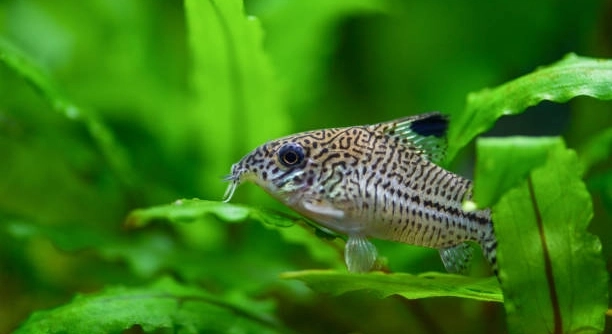
Have you ever noticed your Corydoras catfish acting differently depending on where they rest, explore, or feed in the tank? These behaviors might be subtle, but they can offer clues about their preferred environment.
Corydoras catfish often show preference for specific tank layouts based on shelter availability, substrate type, and water flow. Recognizing these preferences through consistent behavior patterns helps aquarists create a more comfortable and enriching space for their fish.
From plant cover to cave structures, learning what your Corydoras likes best can support both their comfort and overall tank harmony.
7 Clues Your Corydoras Prefers a Specific Tank Layout
Corydoras are naturally observant fish that interact with their environment in unique ways. If your layout includes plants, caves, or smooth substrate, you may notice them gathering in certain areas more often. These patterns are not random. Corydoras often repeat behaviors that help them feel safe and comfortable. For example, they might sift through sand in one corner, or spend more time under plant leaves rather than swimming in open water. Their movement, resting spots, and feeding choices can reflect a preference for specific features. Paying attention to these habits can tell you what they enjoy. When they avoid an area completely, it might be too exposed or lacks soft substrate. Watching them explore gives clear insight into their comfort level and natural behavior. Once you see these habits forming, you can adjust the layout to better match their needs. This helps create a more stable and peaceful tank environment.
Not all Corydoras will behave the same way, but their preferences usually develop over time. Patterns emerge with consistency.
Look for behaviors like repeated resting under driftwood, avoiding high-flow zones, or favoring shaded corners. These clues help you fine-tune your tank to match their comfort level and activity style.
Adjusting the Tank Based on Their Behavior
Observing their comfort zones helps you plan changes without overwhelming your fish. Always make gradual layout adjustments to avoid stress.
If your Corydoras consistently rest under certain plants or next to smooth rocks, it’s a sign they value that spot. Adding more of these features can enhance their comfort. If they ignore one side of the tank entirely, it may be too bare, too bright, or too rough. Consider using low-light plants, rounded stones, and fine sand to make these areas more inviting. Flow patterns also matter—strong current near the filter may keep them away. Try adjusting the angle or flow rate to encourage more movement. Also, check if their preferred areas are cooler or quieter. These small cues can help you understand what makes your fish feel secure. Layouts that consider their needs lead to more natural activity, reduced stress, and longer periods of visible, social behavior. Observing and responding to these signs helps create a healthier, more balanced aquarium.
Creating a Comfortable Space with Natural Elements
Corydoras are drawn to natural features that resemble their wild habitat. They enjoy smooth sand, gentle flow, and areas shaded by plants or driftwood. These elements support their instinct to forage, rest, and explore safely without stress or agitation.
A sandy substrate is essential for their well-being. Corydoras have delicate barbels they use to sift through the substrate in search of food. Gravel or rough surfaces can injure them over time. Fine sand is soft, easy to clean, and encourages natural foraging behavior. Adding live plants like Java fern or Anubias also offers shelter without blocking swim space. Plants should be rooted securely or attached to driftwood. Driftwood and rocks give hiding spots and shaded zones, which reduce stress. Spread these features throughout the tank to prevent crowding and support natural behavior. This layout will encourage movement and allow them to rest without feeling exposed.
The right water flow also makes a difference. Corydoras prefer slow to moderate movement. Strong currents can wear them out or make feeding difficult. Use sponge filters or adjust spray bars to create gentle flow. Position decorations to block direct current in some areas, forming pockets of calm water. These spaces become preferred resting spots. Combined with soft lighting, this helps keep your Corydoras active, healthy, and relaxed.
Watching for Social and Resting Patterns
Groups of Corydoras often rest together in preferred areas. They choose calm, shaded zones where they feel protected. If you see this pattern, it means the spot meets their comfort needs and should be preserved.
Resting behavior also tells you which areas feel safe. Corydoras often nap in short intervals, staying still on the substrate or hiding under cover. If they rest often in a certain part of the tank, it suggests that area feels secure. Avoid rearranging that section unless necessary. On the other hand, if they avoid a space or appear restless, check for sharp edges, harsh lighting, or strong current. Sometimes a small change, like moving a plant or rock, can make a big difference. Group behavior is also helpful to watch—when one fish explores a spot, others often follow. Their reactions to new elements show what feels natural and what does not.
Signs of Discomfort in the Layout
If your Corydoras constantly swim along the glass or try to escape, the layout might feel too exposed or stressful. These behaviors can mean the tank lacks cover, has strong lighting, or an uncomfortable current.
Avoiding certain sections of the tank is another clue. If they never visit one area, it might be too bright, noisy, or barren. Adding plants or reducing water movement in that zone can help.
Feeding Behavior and Layout Preferences
Where your Corydoras choose to eat reveals what areas they feel safest in. They prefer calm zones where food stays in place, especially near soft sand. If food always drifts away, they might not eat properly. Feeding in the same quiet section builds trust and routine. Consider placing food near driftwood, rocks, or plants where they already gather. If they scatter when eating, the spot may be too exposed. Feeding near shaded or covered areas supports natural scavenging behavior. Layouts that support relaxed feeding improve their health and reduce stress during mealtimes.
When to Change the Setup
Make changes slowly and observe their reaction. Sudden adjustments can cause stress or confusion. One small change at a time works best.
FAQ
How do I know if my Corydoras like the tank layout?
If your Corydoras are active, eat well, and rest in visible groups, the layout is likely working. They should explore calmly, forage along the bottom, and gather under plants or driftwood. Avoidance of certain areas, excessive hiding, or darting behavior may suggest stress or discomfort. Watch how they interact with different parts of the tank. If they return to specific areas repeatedly, it means they feel secure and comfortable there.
Do Corydoras prefer sand or gravel?
Corydoras need soft sand. Their barbels are sensitive, and rough gravel can damage them over time. Sand allows them to sift through the substrate naturally and search for food. It also supports their typical foraging behavior without causing injury. Fine-grain sand is ideal, and it’s easier to clean than most people assume. If switching from gravel, do it gradually to avoid stressing the fish. Mixing in a bit of sand first can help them adjust.
Can tank size affect layout preference?
Yes, tank size plays a big role. A larger tank gives more space to include varied features like hiding spots, plants, and open swimming areas. In a small tank, space is limited, so layout choices matter more. Without enough room, Corydoras may feel crowded or unsafe. Even in smaller tanks, keeping an open middle area with shaded corners and some line of sight breaks helps reduce stress. They should always have enough room to swim without bumping into objects or tankmates.
What kind of plants do Corydoras like?
Corydoras prefer low-light, slow-growing plants that create shade and cover. Good options include Java fern, Anubias, and floating plants like Salvinia or frogbit. These plants don’t require special lighting or CO₂, and they provide hiding spots without cluttering the tank. Plants should be arranged in corners or along the back, leaving room at the front for foraging. Corydoras often rest under leaves, so broad-leaf plants are ideal. Avoid sharp or fast-growing stems that crowd them out or poke them while they explore.
Should decorations be moved around often?
No, it’s better to keep changes minimal. Corydoras rely on familiar surroundings for comfort. Constant rearranging can confuse them or remove their favorite spots. If a change is necessary, adjust one small thing at a time. Watch how they respond. If they avoid a new area or seem unsettled, consider moving things back. Major layout shifts should only be done when needed for cleaning, disease treatment, or behavior correction.
Is it okay to use fake plants and décor?
Yes, as long as they are smooth and aquarium-safe. Avoid sharp plastic or hard decorations with rough edges. Soft silk plants are safer than rigid plastic ones. Choose items that mimic natural features like logs, caves, or roots. Place them in ways that offer hiding spots without trapping fish. Fake décor can be useful, especially if live plants are difficult to maintain. Just make sure there’s still open space for foraging and swimming.
Why do my Corydoras always rest in one spot?
They likely feel safest there. That area probably has soft flow, shade, or is tucked away from tank traffic. Corydoras often choose a consistent resting zone and return to it throughout the day. This is a sign of comfort, not laziness. If all your fish gather in one corner, it could also mean other sections of the tank are too bright or too exposed. Use this clue to adjust lighting or décor placement.
Can layout changes help aggressive tankmates leave Corydoras alone?
Yes. Adding more cover, visual breaks, and hiding places helps reduce tension from active or aggressive fish. If tankmates are harassing your Corydoras, rearranging the layout can give them new safe spots and reduce line-of-sight chases. Make sure your Corydoras have places where they can retreat without being cornered. Driftwood, rocks, and dense plants work well for this. Just make sure these spaces are still easy for Corydoras to swim through or exit.
Final Thoughts
Corydoras catfish are peaceful bottom dwellers that rely heavily on their environment to feel secure. They do not just swim randomly around the tank. Instead, they respond to their surroundings, seeking areas that offer comfort, safety, and room to explore. Their behavior can be a direct reflection of how well the tank layout supports their natural instincts. A good layout includes soft sand, hiding spots, shaded areas, and open space for swimming. Paying attention to how your Corydoras move, rest, and feed gives clear insight into what parts of the layout they prefer—or avoid.
Noticing the small things can make a big difference. When Corydoras always rest behind a plant, explore near driftwood, or gather around one section of the tank, it’s often because those spots provide exactly what they need. This can include low lighting, reduced water flow, or cover from tankmates. On the other hand, constant hiding or erratic swimming may be signs the current setup isn’t working for them. These changes don’t always mean something is wrong, but they can signal that an adjustment may help. Rearranging one or two elements, like moving a plant or adjusting the filter flow, can sometimes improve their comfort without causing too much stress.
Keeping your Corydoras happy doesn’t require a complicated setup. Simple elements like fine sand, smooth decorations, and leafy plants go a long way. The most important part is observing how your fish behave and responding to those signs with small, thoughtful changes. Let them show you what works for them. Over time, this approach builds a more stable and peaceful environment. It also makes your aquarium easier to maintain and more enjoyable to watch. When your Corydoras swim calmly, rest in groups, and feed confidently, it’s a good sign that your layout supports their needs. Making layout decisions based on their behavior is one of the best ways to create a tank they truly enjoy.

Hello,
If you enjoy the content that we create, please consider saying a "Thank You!" by leaving a tip.
Every little bit helps us continue crafting quality advice that supports the health, happiness, and well-being of pets around the world, for pets of all shapes, sizes, and species.
We really appreciate the kindness and support that you show us!