
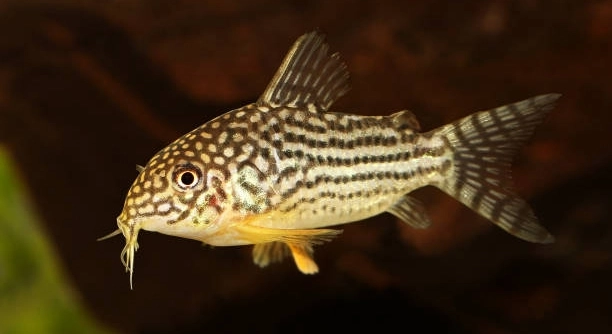
If you’ve noticed your Corydoras catfish staying in one spot, it could be a sign of something going on in your tank. These little fish are usually active, so it’s natural to want to understand what might be affecting their behavior.
Corydoras catfish often stay in one spot due to various factors such as stress, water quality issues, illness, or environmental discomfort. These factors can make them feel unsafe or unwell, prompting them to stay still.
Understanding the reasons behind your Corydoras’ stillness can help you create a better environment for your fish. We will go over some possible causes and solutions to get your catfish back to its playful self.
Poor Water Quality
If your Corydoras is staying in one spot, poor water quality could be the issue. Corydoras catfish are sensitive to changes in their environment, and even slight fluctuations in water conditions can cause stress. Common water problems like high ammonia, nitrites, or improper pH levels can all lead to the fish feeling unsafe or uncomfortable. The presence of excess waste, leftover food, or a lack of proper filtration can contribute to poor water quality.
To keep your Corydoras healthy and active, it’s essential to maintain the water in your tank. Regular water changes, testing water parameters, and ensuring your filtration system is working properly will help keep harmful substances at bay.
Make sure to check the temperature as well, as Corydoras thrive in slightly cooler water, around 72-78°F (22-26°C). If the temperature is too high or too low, it can cause the fish to retreat to a still position and avoid swimming. Consistency in water parameters is key to maintaining a happy, active fish.
Illness or Injury
Illness can cause a Corydoras to stay still. Fish that are unwell may not have the energy to swim around or may seek a quiet, safe spot in the tank.
Common illnesses such as swim bladder disorder, parasites, or bacterial infections could make it hard for the fish to swim or move normally. Symptoms to look for include cloudy eyes, white spots on the body, or changes in the way they breathe.
If you suspect your Corydoras is sick, isolate it from other fish to avoid spreading illness. You can also observe the fish for additional signs like unusual swimming behavior or staying at the surface or bottom. If you’re unsure, consult with a veterinarian who specializes in fish to get a proper diagnosis.
A quick response to any health concerns will prevent the illness from worsening and help your catfish recover faster.
Stress or Anxiety
Stress can cause Corydoras catfish to stay in one spot. They are sensitive to their surroundings and can get stressed by sudden changes in the tank or even from nearby fish.
The presence of aggressive tankmates or loud noises can unsettle them, leading to a lack of movement. Corydoras are bottom dwellers, so they may prefer a peaceful area with less disturbance. Adding more hiding spots like plants, caves, or decorations can give them a sense of security.
Constant stress can weaken the immune system of your fish and affect its overall health. Keeping the tank environment calm, quiet, and stable will help reduce stress and encourage normal behavior. A stress-free tank allows your Corydoras to thrive and remain active.
Water Temperature
Corydoras are sensitive to temperature changes and may stay still if the water is too hot or too cold.
The ideal water temperature for Corydoras catfish is between 72-78°F (22-26°C). If the water is too warm or cold, they may become lethargic, which causes them to stay in one spot. In addition to the temperature, sudden changes in water temperature can also stress your fish and make it hard for them to adjust.
To ensure your Corydoras is comfortable, invest in a reliable aquarium heater and thermometer to maintain a consistent temperature. Avoid placing your tank in drafty areas or near heat sources like direct sunlight or vents. Consistency is key for healthy fish.
Lack of Oxygen
Corydoras need well-oxygenated water to stay active. If the oxygen levels are low, they may stay in one spot or remain near the surface, gasping for air.
Ensure the water is properly aerated by using a filter with good water movement or adding an air pump. Regular water changes also help improve oxygen levels. A healthy tank environment is crucial for the well-being of your fish.
Overfeeding
Overfeeding can lead to poor water quality, which in turn causes lethargic behavior in Corydoras. Leftover food decays, increasing waste and lowering oxygen levels.
Feed only what your fish can consume in a few minutes to avoid excess food buildup. Cleaning up leftover food will help maintain water quality. Keep feeding schedules consistent and avoid overfeeding.
Tank Size and Space
If the tank is too small, your Corydoras may feel confined, leading to inactivity. They need enough space to move freely and explore.
A cramped environment can stress the fish, causing them to stay in one spot. Make sure your aquarium is appropriately sized for the number of fish you have. It’s always better to provide more space than not enough.
FAQ
Why is my Corydoras catfish hiding all the time?
Corydoras are naturally shy and like to have plenty of places to hide. However, if your fish is hiding constantly, it could be due to stress, poor water conditions, or illness. It’s important to ensure that your aquarium setup is suitable for your fish. Check for stressors like aggressive tankmates, too much light, or sudden temperature changes. If the hiding continues, test the water parameters and make sure they are within the ideal range. Poor water quality or illness may also cause your catfish to stay hidden for longer periods.
How can I tell if my Corydoras catfish is sick?
Signs of illness in Corydoras catfish include unusual behavior such as lethargy, staying in one spot, clamped fins, or rubbing against objects. Physical signs may include faded color, lesions, or white spots. If you notice these symptoms, check water quality first, as poor conditions often lead to illness. If the water quality is good and symptoms persist, it’s best to isolate the fish and seek advice from a veterinarian who specializes in fish. Addressing the problem quickly can help prevent the spread of disease to other tankmates.
Can my Corydoras catfish survive in a tank with high ammonia levels?
No, Corydoras catfish are very sensitive to high ammonia levels. Ammonia is toxic and can cause stress, illness, and even death in fish. High ammonia levels typically result from overfeeding, poor filtration, or insufficient water changes. Test your water regularly to keep ammonia levels at 0 ppm. If ammonia is present, perform a water change immediately and ensure your filter is working properly. Adding plants and using an appropriate filter will also help keep the water clean and oxygenated.
Why does my Corydoras catfish swim sideways or upside down?
Swimming sideways or upside down is a sign of a possible swim bladder issue. This condition can result from overfeeding, stress, or an injury. It can also occur due to bacterial or parasitic infections. If you notice this behavior, monitor your fish closely and avoid feeding for a couple of days to allow its digestive system to reset. Ensure the water quality is optimal and watch for any other signs of illness, such as bloating or abnormal swimming patterns. If the issue persists, a veterinary consultation is recommended.
How often should I feed my Corydoras catfish?
Corydoras catfish are bottom-dwelling scavengers and prefer small meals throughout the day. It’s best to feed them once or twice a day, providing only enough food they can consume within 2-3 minutes. Overfeeding can lead to water quality issues and lethargy. Leftover food can quickly decay and raise ammonia levels, so it’s essential to clean up excess food. If you have multiple Corydoras, ensure each one gets enough food. Offering a variety of sinking pellets, wafers, or live food can keep them healthy and satisfied.
Can Corydoras catfish live with other fish?
Yes, Corydoras catfish are peaceful and social fish that can live well with most other species, especially non-aggressive ones. They are commonly kept with small community fish, such as tetras, guppies, and rasboras. Avoid keeping them with overly aggressive fish that might stress or harass them. Corydoras are also bottom dwellers, so make sure your other fish aren’t competing for the same space. Ideally, your tank should have plenty of hiding spots and decorations to create a stress-free environment for all your fish.
Do Corydoras catfish need a heater in their tank?
Corydoras catfish are tropical fish that thrive in stable water temperatures between 72-78°F (22-26°C). If your home’s temperature fluctuates or is cooler than this range, using a heater will help maintain a consistent temperature. A heater is particularly important during colder months. Sudden drops in temperature can stress your fish and lead to illness. Always check the water temperature regularly using a thermometer to ensure the conditions are optimal for your Corydoras.
Can Corydoras catfish eat algae?
Corydoras catfish will occasionally nibble on algae, but they should not be relied upon as the main algae cleaner in your aquarium. They prefer sinking foods like pellets or wafers and are not as effective at controlling algae growth. To prevent algae buildup, you should maintain good water quality, reduce excessive light, and clean your tank regularly. Algae-eating fish like plecos or certain snails are better suited for algae control. Corydoras will help keep the bottom of the tank clean by eating leftover food, but algae will need a separate solution.
How can I improve the water quality for my Corydoras catfish?
Good water quality is crucial for the health of Corydoras catfish. First, ensure that you have a reliable filtration system that is appropriate for the size of your tank. Regular water changes (about 20-25% weekly) will help maintain clean water and reduce toxins. Test your water for ammonia, nitrites, and nitrates regularly to ensure they are within safe levels. Adding live plants can also help absorb excess nutrients and improve overall water quality. Lastly, avoid overfeeding and remove any uneaten food promptly to prevent water contamination.
How do I keep my Corydoras catfish active and healthy?
To keep your Corydoras catfish active, it’s essential to provide a proper environment. Ensure they have plenty of hiding spots, such as caves or plants, to reduce stress. Maintain stable water conditions with a temperature range of 72-78°F and proper filtration. Feeding a balanced diet and performing regular water changes will also contribute to their overall health. Avoid overcrowding your tank, as this can cause stress and health problems. A calm and well-maintained environment will keep your Corydoras catfish happy and active.
Final Thoughts
Corydoras catfish are usually active and social fish that enjoy exploring their environment. However, if your Corydoras is staying in one spot, it could be a sign of something affecting its well-being. Understanding the possible causes can help you create a better environment for your fish. Water quality, temperature, stress, and illness are just a few factors that could make your fish inactive. By addressing these issues, you can ensure that your catfish stays healthy and happy.
Maintaining optimal water conditions is crucial for the health of your Corydoras. They thrive in stable environments, so make sure to regularly check the water parameters like ammonia, nitrites, and pH levels. Proper filtration, regular water changes, and monitoring the temperature will help you keep the water in good shape. If the water quality is poor or fluctuates too much, your Corydoras may become stressed or ill, which can lead to them staying in one spot. Make sure to keep their living conditions as consistent as possible.
While Corydoras catfish are known for being peaceful and hardy, they are still susceptible to changes in their environment. If your catfish is acting strangely, it’s important to rule out factors like illness, injury, or improper tank conditions. By observing your fish closely and making adjustments when necessary, you can ensure that they are living in a healthy and stress-free environment. With the right care, your Corydoras catfish can continue to thrive and show off their playful personalities.

Hello,
If you enjoy the content that we create, please consider saying a "Thank You!" by leaving a tip.
Every little bit helps us continue crafting quality advice that supports the health, happiness, and well-being of pets around the world, for pets of all shapes, sizes, and species.
We really appreciate the kindness and support that you show us!