
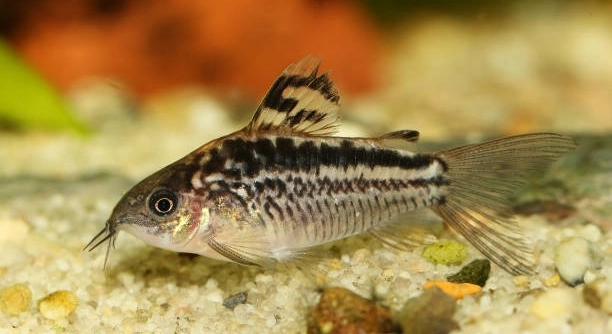
Corydoras catfish are popular freshwater aquarium fish, known for their peaceful nature and distinct behaviors. However, if you notice your fish flashing against the gravel, it can be concerning. Understanding this behavior is important for their well-being.
Flashing is typically a sign of irritation, discomfort, or stress. Your Corydoras may be reacting to poor water conditions, parasites, or physical injury. Identifying the cause early can help prevent further harm to the fish.
Addressing flashing behavior early will improve your fish’s health and help maintain a stable aquarium environment. Identifying the root cause can lead to effective solutions for a happier tank.
Poor Water Quality
Flashing in Corydoras catfish can often be linked to poor water quality. When the water in your tank is not properly filtered or if there are high levels of toxins, your fish can become stressed. This stress may cause them to rub against the gravel or objects in the tank. Ammonia, nitrites, and nitrates are common water contaminants that can irritate fish skin and gills. Additionally, if the pH levels are too high or low, Corydoras may exhibit similar behavior. Keeping the water clean is essential for their health and comfort. Regular water changes and testing the water for harmful chemicals can prevent flashing and keep your fish happy.
Your Corydoras catfish may be reacting to unclean water conditions. Testing for ammonia, nitrites, and nitrates will help you determine if water quality is the problem.
To ensure your Corydoras are swimming comfortably, maintain proper filtration and perform regular water changes. Investing in a good water testing kit will help you monitor the water quality effectively. Your fish will thank you by staying healthy and active when their environment is clean.
Parasites
Parasites can also cause Corydoras catfish to flash against the gravel. External parasites like ich or skin flukes can irritate their skin, leading them to rub on rough surfaces. Internal parasites may cause discomfort as well, though external symptoms are often more obvious. Treating parasites early will prevent further harm to your fish.
If you suspect parasites, observe your fish closely. White spots on the skin or abnormal swimming can indicate ich. Flukes may cause redness or swelling around the gills. If parasites are present, using an aquarium-safe treatment is crucial to address the issue and restore your fish’s health.
Removing the parasite source is essential in keeping your Corydoras comfortable. Regularly cleaning the tank, using medicated baths, or adding aquarium salt may help treat and prevent parasitic infections. Always research the correct treatments for your specific parasite to ensure that your catfish remain safe and stress-free during the healing process.
Injury or Physical Irritation
Injuries from sharp objects or tankmates can cause flashing behavior in Corydoras. They may rub against the gravel to relieve the discomfort from a wound or abrasion. Check your tank for any rough decorations or other fish that may be aggressive. Even minor injuries can cause your fish to act out.
If your fish has sustained an injury, it’s important to remove any sharp objects from the tank to avoid further harm. Also, watch for signs of aggression from other fish. In some cases, an injury can develop into a more serious issue if not treated right away. Keep an eye on your catfish for any unusual swelling or redness.
You can help your Corydoras heal by adding aquarium salt to the water to promote healing and prevent infections. If you suspect another fish is bullying your Corydoras, consider relocating aggressive tankmates. Removing stressors is key to ensuring your catfish recovers and returns to normal behavior.
Poor Diet
A poor diet can also lead to flashing in Corydoras catfish. When they lack essential nutrients or consume improper food, their health can decline. This might cause them to scratch against the gravel in search of relief. Offering them a well-balanced diet will reduce this risk.
Make sure to feed your Corydoras high-quality food, such as pellets, flakes, and occasional live or frozen foods like worms. A variety of food will ensure they get the necessary vitamins and minerals, helping to keep them healthy and less likely to display signs of distress.
Stress from Tankmates
Corydoras catfish can be stressed by aggressive or territorial tankmates. Flashing against the gravel may be their way of coping with this stress. Fish that bully or chase your Corydoras can cause them to act out. It’s important to ensure that all tankmates are compatible.
Tankmates like larger or more aggressive fish can make Corydoras feel threatened. If this is happening, you may need to rearrange your tank or remove the aggressive fish. Providing hiding spots and peaceful companions will reduce stress and make your Corydoras feel safe and secure.
Water Temperature
Flashing can also be triggered by inappropriate water temperature. Corydoras catfish prefer a stable range of 72-78°F. If the water is too warm or cold, they may try to adjust their body temperature by rubbing against surfaces. This could lead to flashing behavior.
Maintaining the proper water temperature is essential for the well-being of your fish. If your tank’s heater is malfunctioning or the room temperature fluctuates too much, your fish may become stressed. Using a reliable aquarium heater and thermometer ensures that your Corydoras are in an ideal environment, reducing discomfort and flashing.
FAQ
What does flashing mean in Corydoras catfish?
Flashing in Corydoras catfish refers to the behavior where they rub or scrape their bodies against surfaces like the gravel or decorations in the aquarium. This action usually occurs when the fish are irritated, stressed, or uncomfortable. It’s a way for them to relieve physical discomfort, like from parasites or poor water conditions. If this behavior becomes frequent, it’s important to identify the underlying cause to ensure your fish’s health.
Why is my Corydoras flashing but looks healthy?
Even if your Corydoras looks healthy, flashing could still be a sign of minor discomfort. This could be due to environmental factors such as water quality or stress from tankmates. It may also be an early warning sign of parasites or irritation from rough surfaces in the tank. Watch for other signs of illness, like changes in behavior or appearance, and address potential issues promptly to prevent further problems.
How can I stop my Corydoras from flashing?
To stop your Corydoras from flashing, you need to address the root cause of the behavior. Start by testing and improving the water quality, ensuring the tank is well-filtered and free from harmful chemicals. If parasites are suspected, treat the tank with an appropriate medication. Additionally, check for any physical injuries or stress from other fish and remove any sharp objects that could cause harm. A proper diet and tank conditions will help your Corydoras feel more comfortable and reduce the flashing behavior.
Can flashing be a sign of illness?
Yes, flashing can be a sign of illness in Corydoras catfish. It’s often linked to skin irritation or discomfort caused by parasites, such as ich or skin flukes. However, it can also be a reaction to poor water quality, stress, or even internal health issues. If the flashing persists or is accompanied by other symptoms like loss of appetite, lethargy, or visible lesions, it’s crucial to investigate further and provide the necessary treatment to prevent further complications.
How can I treat parasites in Corydoras catfish?
If you suspect your Corydoras has parasites, start by isolating the affected fish in a quarantine tank to prevent spreading. You can treat external parasites like ich or skin flukes with specialized aquarium medications available at pet stores. Follow the instructions carefully for safe and effective treatment. You may also use aquarium salt to help ease irritation and promote healing. Always check the water quality and keep the tank clean to prevent future outbreaks.
Do Corydoras catfish need a special diet to avoid flashing?
Yes, a balanced diet is crucial for the health of your Corydoras catfish. A poor or inadequate diet can contribute to poor overall health, potentially causing stress or flashing behavior. Offer them a variety of high-quality food, such as sinking pellets, frozen or live food like bloodworms or brine shrimp, and occasional vegetable matter. Ensure that they are getting the necessary vitamins and nutrients to stay healthy and avoid deficiencies that could lead to flashing.
How do I know if my Corydoras is stressed?
Stress in Corydoras catfish can manifest in several ways. In addition to flashing, they may become more skittish, swim erratically, or hide more than usual. Stress can be caused by poor water quality, aggressive tankmates, overcrowding, or improper tank conditions. It’s important to observe their behavior closely and make changes to the environment to reduce stress. Providing plenty of hiding spots, ensuring proper tank conditions, and keeping the water clean will help alleviate stress.
Can flashing be a sign of injury?
Flashing can indeed be a sign of injury, especially if your Corydoras is rubbing against rough surfaces. Injuries from sharp objects in the tank or aggression from other fish may cause discomfort, prompting the catfish to flash. Check your tank for any sharp decorations or objects that could harm your fish. If you notice any physical wounds, treat them promptly by removing any stressors and maintaining clean water to support healing.
What is the ideal water temperature for Corydoras catfish?
Corydoras catfish thrive in water temperatures between 72°F and 78°F. Water that is too cold or too hot can stress the fish and contribute to flashing. Ensure your aquarium heater is set to the correct temperature and check it regularly with a thermometer. A stable water temperature will help prevent discomfort and stress for your fish, reducing the likelihood of flashing.
Can overcrowding cause Corydoras to flash?
Yes, overcrowding can cause stress in Corydoras catfish, which may lead to flashing behavior. When there are too many fish in a tank, they may feel stressed and unable to establish their territories or find peaceful spaces. This can trigger behaviors like flashing. To avoid overcrowding, make sure your tank is the right size for the number of fish you have. Providing enough space for each fish to swim freely will help reduce stress and improve their overall health.
Final Thoughts
Flashing in Corydoras catfish can be caused by several factors, but it’s important to understand that it’s usually a sign of discomfort or irritation. Whether it’s due to poor water quality, parasites, or stress from tankmates, flashing is a behavior that should not be ignored. If you notice your Corydoras rubbing against the gravel or other surfaces, take the time to assess the environment they’re in. Checking the water parameters and ensuring the tank is properly maintained is a good place to start. Regular water changes and good filtration can go a long way in preventing many of the issues that lead to flashing.
If you suspect parasites are the cause, it’s crucial to treat your fish promptly. Parasites like ich or flukes can cause a lot of discomfort, and if left untreated, they can seriously harm your Corydoras. Always use aquarium-safe medications and follow the instructions carefully to avoid damaging your tank’s ecosystem. Additionally, if your fish has sustained any injuries, remove any sharp objects from the tank and give them time to heal. Injuries can be easy to overlook, but they can lead to further complications if not addressed quickly. By keeping an eye on both the physical and environmental factors, you can help your Corydoras recover and stay healthy.
Finally, remember that a balanced diet and good tankmates can make a big difference in the health and happiness of your Corydoras. Overcrowding or aggressive fish can add unnecessary stress, which might lead to flashing. Providing a variety of foods and ensuring your tank has peaceful companions will reduce stress and prevent many of the behaviors associated with discomfort. Keeping your Corydoras in a stable, clean, and calm environment is the best way to prevent flashing and help them thrive. With careful attention to their needs, your fish can live a healthy and peaceful life.

Hello,
If you enjoy the content that we create, please consider saying a "Thank You!" by leaving a tip.
Every little bit helps us continue crafting quality advice that supports the health, happiness, and well-being of pets around the world, for pets of all shapes, sizes, and species.
We really appreciate the kindness and support that you show us!