
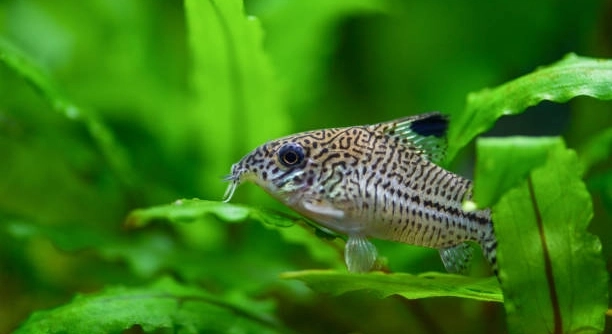
Corydoras catfish are a popular choice for many aquarium owners. Known for their hardworking nature, they play a vital role in keeping tanks clean. Their small size and peaceful temperament make them ideal tank companions for various fish species.
Corydoras catfish are excellent at cleaning aquariums due to their constant scavenging behavior. They feed on leftover food, detritus, and algae, helping maintain a clean tank environment. Their ability to reach the tank’s substrate makes them particularly effective.
Their cleaning habits go beyond just picking up debris. They are a great asset to any aquarium setup, working diligently to maintain cleanliness without disturbing the balance of the ecosystem.
1. Active Scavengers: Constantly Cleaning the Substrate
Corydoras catfish are natural scavengers, constantly moving around the tank’s substrate in search of food. Their primary job is to pick up leftover food and organic matter that settles on the bottom. This habit prevents excess waste from building up, which can lead to poor water quality. They use their barbels (whisker-like extensions on their faces) to sift through the substrate and detect tiny food particles. Even when there’s no visible food, they’ll forage for detritus or decaying plant matter, making sure that your aquarium stays cleaner for longer.
They spend much of their time near the bottom of the tank, rooting around in the gravel or sand. Their constant cleaning helps keep the aquarium in a better state overall, especially when keeping other fish that may not clean the substrate as efficiently. Their instinctive behavior ensures there’s less build-up of debris.
This cleaning process helps reduce ammonia levels that can lead to poor water conditions. By removing waste particles from the tank, Corydoras help maintain a stable and healthier environment for all aquatic life present.
2. Peaceful Tank Mates: Safe for All Fish
Unlike some other cleaning fish, Corydoras catfish are peaceful and non-aggressive. This makes them a safe addition to any aquarium, as they won’t harm other fish. Their slow, deliberate movements and small size make them non-intrusive, so they don’t pose a threat to any of their tank mates. In fact, they are often found peacefully coexisting with various species, including those that may be territorial or more aggressive. Corydoras avoid conflict by staying on the bottom of the tank, leaving other fish to occupy the middle or top areas.
Because they are bottom dwellers, Corydoras help clear out food that falls to the bottom without disturbing other fish. As a result, you won’t have to worry about them stealing food from others. This peaceful demeanor makes them a great addition for anyone looking to maintain a calm and clean tank environment. Corydoras make sure your aquarium stays healthy and balanced without any unnecessary disruption.
3. Adaptable to Various Tank Setups
Corydoras catfish are highly adaptable and can thrive in various tank setups. Whether your tank has gravel, sand, or a mix of both, these fish will be comfortable. They are not picky about tank conditions as long as there is a safe, clean environment. Corydoras do best in tanks with a good filtration system and stable water parameters. They thrive in slightly acidic to neutral water, but they can tolerate a range of temperatures. With their gentle nature and ability to adjust, they make an easy addition to most freshwater aquariums.
They’re also fine in tanks of varying sizes, from small desktop aquariums to larger community tanks. These fish do well in groups of at least three to six, which helps them feel safe and confident while they clean. The more space you offer, the more they’ll feel comfortable and natural in their environment. Their versatility makes them perfect for beginners and seasoned aquarium owners alike.
Since they are such flexible tank inhabitants, you can pair them with many other species. Corydoras are excellent at fitting into community tanks, where different species can coexist peacefully while the catfish do their cleaning job. With minimal care, these fish will help keep your tank clean without disrupting the balance.
4. Minimal Maintenance Required
Corydoras catfish don’t need excessive care to perform their cleaning duties. They’re easy to maintain, requiring only regular water changes and proper feeding. Unlike other fish that may need special attention or complicated care routines, Corydoras only need to be monitored for signs of illness or stress. Keeping the water temperature and pH within suitable ranges ensures their health. Adding a good filter to the tank is essential to help maintain water quality as they forage.
They also don’t require special food beyond their normal diet of sinking pellets, frozen food, or occasional treats. Since they forage for detritus, they’re able to clean while being self-sufficient in their dietary habits. You won’t need to worry about overfeeding them, as they know how to find what they need without creating excess waste. Their low-maintenance needs make them perfect for aquarium owners who want efficient tank cleaners without much extra effort.
Corydoras are also low in aggression, meaning there’s less stress on the entire tank environment. Their peaceful nature allows other fish to live freely without competition for food. Regular water checks and keeping an eye on their behavior is usually all that’s required to ensure these fish are performing their cleaning role well.
5. Great for Controlling Algae Growth
Corydoras catfish help keep algae in check by grazing on the algae that grows on tank surfaces. They often nibble on plant leaves, decorations, and the tank walls, removing thin layers of algae. This natural algae control reduces the need for chemical algae treatments, making them a more eco-friendly choice.
Their foraging behavior isn’t just limited to food particles; they’ll also help clear the tank of unwanted algae growth. While they don’t eliminate all algae, their presence helps keep it under control. Regular maintenance is still necessary, but Corydoras are great at limiting the build-up of algae over time.
This cleaning method is particularly helpful for aquariums that have live plants. Algae can compete with plants for nutrients, but Corydoras help to balance this out by reducing algae growth without harming the plants. Their cleaning routine contributes to a healthier and more visually appealing tank.
6. Help with Debris Breakdown
Corydoras catfish not only clean the substrate but also contribute to breaking down organic matter. They consume decaying plant matter, leftover food, and other organic waste that settles on the tank floor. As they eat, they help decompose these materials, making it easier for beneficial bacteria to further break down waste.
This process aids in maintaining good water quality by reducing the buildup of organic waste that would otherwise contribute to ammonia spikes. Without these clean-up duties, tanks can quickly become overrun with excess food or decaying plants, leading to poor water conditions.
Corydoras contribute to a more stable and balanced aquarium ecosystem by helping to manage waste breakdown, improving overall tank health. They also indirectly benefit other organisms by ensuring waste isn’t left to decay and potentially harm the environment.
7. Easy to Breed in Captivity
Corydoras catfish are known to breed relatively easily in aquarium settings. With the right environment, they will often spawn without much intervention. To trigger breeding, a slight water change with cooler water may be all that’s needed. They will typically lay eggs on plants or tank decorations.
Their ability to breed in captivity means you don’t have to worry about sourcing new fish if you want more Corydoras. Once they breed, the eggs hatch in about 3 to 5 days, depending on water temperature. After hatching, the fry are easy to care for and grow quickly.
This breeding ability can be an advantage for aquarium owners looking to maintain or expand their Corydoras population naturally. You can enjoy watching the little catfish grow and thrive in your tank while keeping the ecosystem balanced.
FAQ
What size tank do Corydoras catfish need?
Corydoras catfish are small, peaceful fish that can thrive in tanks as small as 10 gallons, though larger tanks are always better. A 20-gallon tank is a good size for a small group of them, as it gives them more room to roam and forage. The size of your tank should depend on how many Corydoras you plan to keep. A group of at least 3-6 is ideal for their social needs. Larger tanks help maintain more stable water parameters, which is important for their health.
Corydoras do best in tanks with gentle filtration, so be sure to avoid strong water currents that can stress them. They also prefer tanks with soft, sandy substrate to avoid injuring their barbels as they forage.
Can Corydoras catfish live with other fish?
Yes, Corydoras catfish are known for their peaceful nature and get along well with a wide variety of tank mates. They are great community fish and can coexist with other peaceful species. They tend to stay on the bottom of the tank, which allows them to avoid interactions with fish that prefer the middle or top layers.
These catfish are safe to keep with small, non-aggressive fish such as tetras, guppies, and danios. However, avoid keeping them with overly territorial or aggressive fish, as Corydoras are calm and might get stressed or injured. They also do best in groups, so keeping a small school of them is beneficial for their well-being.
What do Corydoras catfish eat?
Corydoras catfish are omnivores and enjoy a varied diet. In the wild, they feed on detritus, small invertebrates, and plant material found on the substrate. In your tank, they will happily eat sinking pellets, frozen foods (like bloodworms or brine shrimp), and occasional treats like blanched vegetables.
It’s important not to overfeed them. Since they often scavenge leftover food, ensure that you are feeding your other fish properly to prevent food from piling up at the bottom. Corydoras will clean up the excess, but too much food can lead to water quality problems.
How often should I feed Corydoras catfish?
Corydoras should be fed once or twice a day, depending on the size of your tank and the number of other fish you have. Keep the portions small to avoid overfeeding, as they are efficient scavengers. Feeding them at the same time as your other fish ensures they get their share without competing with more dominant species.
They can go without food for a day or two if necessary, as they’re used to foraging on their own. However, it’s better to establish a regular feeding routine to ensure they’re getting enough nutrition.
How do I know if my Corydoras catfish are healthy?
Healthy Corydoras catfish have clear, bright eyes and smooth, clean fins. They should be active, constantly foraging along the substrate or hiding in caves or plants. If they’re constantly staying in one spot, acting sluggish, or staying at the surface of the water, it could be a sign of stress or illness.
Look for signs of injury, like frayed fins or damaged barbels, which could indicate fighting or poor water quality. Corydoras are sensitive to poor water conditions, so regular water changes and monitoring are essential for their health.
Do Corydoras catfish need a filter?
Yes, Corydoras catfish do best in tanks with a reliable filtration system. While they don’t require strong currents, they do benefit from clean, well-oxygenated water. A gentle filter will keep the water free of waste, which is important for maintaining the tank’s overall health.
A sponge filter is often a good choice for Corydoras catfish, as it provides gentle filtration without creating too much current. If you’re using a power filter, ensure that the water flow isn’t too strong, as this can stress the fish and make it harder for them to forage effectively.
How do I maintain good water quality for Corydoras catfish?
Maintaining good water quality is crucial for Corydoras catfish. Regular water changes, at least 25-30% once a week, help prevent the build-up of harmful toxins like ammonia and nitrate. You should also test the water regularly for pH, hardness, and ammonia levels to ensure they stay within safe ranges.
Corydoras thrive in slightly acidic to neutral water, with a pH between 6.0 and 7.5. Water temperature should be kept between 72°F and 78°F. A good filtration system and avoiding overfeeding will also help maintain water quality.
Can Corydoras catfish breed in a home aquarium?
Yes, Corydoras catfish can breed in captivity, and they do so relatively easily under the right conditions. To trigger spawning, a slight drop in water temperature or a water change with cooler water may encourage them to breed.
They lay eggs on plants, rocks, or tank decorations. After the eggs are laid, they usually hatch in 3-5 days, depending on the water temperature. Corydoras are good parents, and once the eggs hatch, the fry will feed on infusoria and other tiny foods. You can raise the fry in a separate tank to avoid them being eaten by adults.
Do Corydoras catfish need special care?
Corydoras catfish are relatively low-maintenance and don’t need special care compared to other species. They do best in stable water conditions, and regular water changes and proper feeding routines will keep them healthy. Their primary needs are a suitable substrate for foraging, good filtration, and a peaceful environment.
The most important thing is to avoid keeping them in tanks with strong currents, as they prefer calm, slow-moving water. Keep an eye on water quality and the health of the fish, and they should thrive with minimal effort.
Final Thoughts
Corydoras catfish are highly beneficial additions to any aquarium. Their constant scavenging behavior and peaceful nature make them one of the most popular choices for aquarium owners. These little fish are experts at cleaning up debris, leftover food, and algae from the tank. By foraging along the substrate, they help maintain a cleaner, healthier environment, reducing the chances of harmful waste building up. Their peaceful temperament ensures that they won’t disrupt the harmony in your tank, even if you have other species living together. This makes them ideal for community tanks where multiple species coexist.
Corydoras catfish are also low-maintenance. They don’t require complicated care routines or special attention. They thrive in a wide range of tank conditions, as long as the water parameters remain stable. They can live comfortably in tanks of various sizes and are adaptable to different substrates, including gravel, sand, or a mix. With the right water conditions, a stable filtration system, and regular feeding, Corydoras can live long, healthy lives while performing their cleaning duties. They are a great option for beginners or those who want a hassle-free cleaning crew in their tanks.
Overall, Corydoras catfish contribute more than just cleanliness to an aquarium. Their natural scavenging helps keep the tank in better condition, which benefits all the other fish and plants living there. Their peaceful, social behavior makes them a joy to observe, and they often form bonds with other Corydoras, adding life and activity to the bottom of the tank. With their versatility, easy care, and helpful cleaning habits, Corydoras catfish are an excellent choice for anyone looking to improve their aquarium’s environment.

Hello,
If you enjoy the content that we create, please consider saying a "Thank You!" by leaving a tip.
Every little bit helps us continue crafting quality advice that supports the health, happiness, and well-being of pets around the world, for pets of all shapes, sizes, and species.
We really appreciate the kindness and support that you show us!