
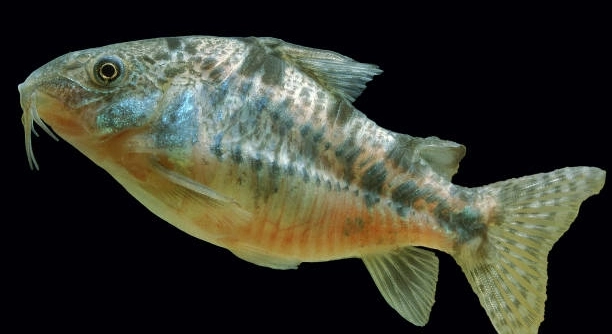
Moving your Corydoras catfish to a new tank can be a stressful experience for both the fish and the owner. Understanding how to help them settle in quickly is crucial for their well-being. In this article, we will explore effective ways to ease the transition.
The key to helping your Corydoras catfish adjust after a tank move is to provide a calm environment. Ensure the water parameters are stable, avoid sudden temperature changes, and offer hiding spots. This will reduce stress and encourage natural behaviors.
By following these steps, you can help your Corydoras feel more at ease in its new home, promoting a healthier, happier fish.
Create a Stress-Free Environment
When moving your Corydoras catfish, reducing stress is your top priority. These fish are known for being sensitive to changes in their environment. Setting up a peaceful and secure space is essential for them to adjust comfortably. Start by setting up the tank before transferring the fish. This gives you time to ensure the water temperature, pH, and other parameters are stable. Avoid placing the tank in a high-traffic area, as noise and vibrations can upset the fish. Corydoras prefer hiding spaces, so make sure to add decorations or plants that provide cover. A soft, dark substrate can also help make them feel more secure. Once the tank is ready, gently acclimate your fish to the new water. Sudden changes in conditions can shock them, so it’s important to introduce them gradually.
Creating a calm, secure space for your Corydoras helps them adjust without added stress. Take the time to prepare and monitor their surroundings.
Fish will begin to feel more comfortable once they realize the environment is stable. Ensure their basic needs, such as food and water conditions, are met. You can also observe their behavior during the first few days. Corydoras may be shy at first but will gradually explore the tank when they feel safe. Always remember that consistent care goes a long way in helping your fish adapt.
Focus on Water Quality
Water quality plays a major role in helping your Corydoras catfish settle in. Poor water quality can lead to health problems and stress. Regularly check water parameters such as ammonia, nitrites, and nitrates to ensure they are within acceptable levels. Maintaining proper filtration will help keep the water clean and clear. Use a gentle filter to avoid strong currents, as Corydoras prefer calmer water. Perform partial water changes weekly to ensure freshness and remove any accumulated toxins. Test the water regularly to avoid any sudden fluctuations that may harm your fish.
Clean, stable water is essential for your Corydoras catfish to adjust smoothly. Keep the water quality consistent for their health.
A stable environment is crucial for the well-being of your fish. Proper filtration is necessary to keep the water free of harmful substances. Monitor the water regularly to ensure your Corydoras catfish can thrive in their new home. With consistent care, they will adapt quickly and remain healthy.
Provide Hiding Spots
Corydoras catfish feel much safer when they have places to hide. Adding caves, plants, or decorations creates spaces where they can retreat and relax. This reduces stress, as they are naturally shy creatures. Avoid overcrowding the tank with too many hiding spots, as they need room to move around as well.
A well-decorated tank will allow your Corydoras catfish to find refuge whenever needed. Soft, smooth rocks or driftwood are excellent choices. Ensure that the hiding spots are easily accessible and not obstructed by other decorations. Providing different levels in the tank, such as plants growing at various heights, also adds complexity and security for your fish.
Fish often seek shelter after a tank move to feel less vulnerable. By giving your Corydoras a few options for hiding, they will adapt more easily to their new environment. Over time, they’ll venture out more as they grow accustomed to the tank and surroundings.
Maintain Consistent Feeding
After a move, your Corydoras catfish may be hesitant to eat at first. It’s important to keep their feeding schedule consistent. Offer them high-quality pellets or freeze-dried foods, and avoid overfeeding. Too much food can pollute the water and cause stress. Try feeding small amounts twice a day to avoid overloading the tank.
Corydoras catfish are bottom feeders, so sinking pellets are ideal. They will search for food near the substrate, so be sure to place the food in areas they can easily access. Avoid introducing live foods too early, as this could add stress to the transition.
By maintaining a steady feeding routine and offering appropriate foods, your Corydoras will feel more at ease in their new home. They’ll gradually start eating as they grow more comfortable with their environment. Over time, they’ll become more active and confident in their new space.
Avoid Overcrowding the Tank
Overcrowding a tank can lead to unnecessary stress for your Corydoras catfish. Too many fish in a small space can cause territorial disputes, limited resources, and poor water quality. Keep the number of fish appropriate for the tank size to ensure everyone has enough space to thrive.
When you add more fish than the tank can handle, it affects the health of all your aquatic animals. Corydoras need ample space to swim and explore, so it’s important not to overcrowd. Maintain a balanced fish-to-water ratio and regularly monitor the tank’s condition to avoid potential problems.
Monitor Tank Temperature
Temperature stability is vital for your Corydoras catfish’s adjustment. They thrive in water temperatures between 72°F and 78°F. Keep the tank temperature consistent, as sudden changes can cause stress or illness. Use a reliable aquarium heater to maintain the proper range.
Monitor the temperature regularly with a thermometer to prevent fluctuations. This is especially important in the first few days after a move, as Corydoras may be more sensitive to temperature changes. A stable environment will help your catfish feel more secure and comfortable in their new home.
Observe Their Behavior
Observing your Corydoras catfish closely after the move is essential. Watch for signs of stress, such as excessive hiding, swimming erratically, or refusal to eat. Address any issues promptly by adjusting the tank’s environment, water parameters, or feeding routine.
Pay attention to the fish’s activity levels and their willingness to explore. Healthy Corydoras will eventually become more active and curious as they adjust. If you notice unusual behavior, it may indicate that further changes are needed to improve their comfort.
FAQ
What is the best tank size for Corydoras catfish?
Corydoras catfish do best in tanks that are at least 20 gallons. This size provides enough space for them to swim and explore. While they can live in smaller tanks, they tend to feel more secure and comfortable in larger environments. A bigger tank also helps maintain stable water conditions, which is crucial for their health. Avoid cramming too many fish into a small space, as overcrowding can lead to stress and health issues.
How often should I change the water in my Corydoras tank?
For optimal health, change about 25% to 30% of the water every 1-2 weeks. Regular water changes keep harmful substances like ammonia and nitrates at safe levels, reducing stress for your Corydoras catfish. It also helps maintain a stable water temperature and pH, which are essential for their well-being. Make sure to treat tap water with a water conditioner before adding it to the tank to remove chlorine and other harmful chemicals.
Can Corydoras catfish live with other fish?
Yes, Corydoras catfish are peaceful and can live with most other fish species, especially those that are non-aggressive. They are social creatures and thrive when kept in groups of at least three to five. Avoid keeping them with fin-nippers or large predatory fish, as they may become stressed or even injured. Compatible tankmates include peaceful fish like guppies, tetras, and other small catfish.
How do I know if my Corydoras is stressed?
Stressed Corydoras catfish may exhibit a variety of behaviors, including excessive hiding, swimming erratically, or scratching their bodies against objects in the tank. They may also refuse to eat or appear lethargic. Stress can be caused by poor water quality, sudden temperature changes, overcrowding, or incompatible tankmates. If you notice signs of stress, check the water parameters, reduce tank activity, and ensure your fish have hiding spots to feel secure.
What do Corydoras catfish eat?
Corydoras catfish are bottom feeders and primarily eat sinking pellets, wafers, or live and frozen foods like bloodworms, brine shrimp, and daphnia. They may also graze on algae in the tank. It’s important to feed them a varied diet to ensure they receive all the necessary nutrients. Avoid overfeeding, as leftover food can pollute the water and lead to health problems.
Why isn’t my Corydoras eating after the move?
It’s not uncommon for Corydoras catfish to lose their appetite after a tank move. Stress from the change in environment can make them hesitant to eat. Give them time to adjust, and try offering different types of food, such as frozen or live options, to entice them. Ensure the water quality is ideal, as poor conditions can also affect their appetite. If the issue persists, check for any signs of illness and consider adjusting the tank setup.
Can Corydoras catfish survive in a tank with a filter?
Yes, Corydoras catfish can live in a tank with a filter, but it’s important to choose a filter with a gentle flow. Corydoras are not strong swimmers and can become stressed by strong currents. Look for filters labeled as “gentle” or “low-flow” to ensure the water circulation doesn’t disturb them. A well-filtered tank will maintain better water quality, which is essential for your Corydoras’ health.
Are Corydoras catfish sensitive to changes in water parameters?
Yes, Corydoras catfish are quite sensitive to changes in water parameters, such as pH, temperature, and hardness. Sudden fluctuations can cause stress and even lead to illness. It’s important to monitor these parameters regularly and make gradual adjustments if necessary. If you plan to introduce new fish or make significant changes to the tank, do so slowly to allow the Corydoras time to acclimate.
How can I help my Corydoras adjust to a new tank?
To help your Corydoras catfish adjust to a new tank, maintain stable water conditions, provide plenty of hiding spots, and offer a consistent feeding routine. Avoid sudden changes in temperature or water parameters. Acclimate your fish gradually by floating the bag with the fish in the tank water for 15-20 minutes before releasing them. This will help prevent shock and reduce stress.
How long does it take for Corydoras catfish to adjust to a new tank?
The adjustment period for Corydoras catfish can vary depending on the fish and the conditions of the new tank. On average, it can take anywhere from a few days to a couple of weeks for them to fully settle in. During this time, ensure the tank’s water parameters remain stable, and provide hiding spots where they can feel secure. Gradually, you should notice your Corydoras becoming more active and exploring their new environment.
What is the lifespan of a Corydoras catfish?
Corydoras catfish can live for 5 to 10 years if cared for properly. Providing them with a stable tank environment, maintaining good water quality, and offering a balanced diet will help them reach their full lifespan. Avoiding common stressors, such as overcrowding and poor water conditions, is key to their longevity.
Can I keep different species of Corydoras catfish together?
Yes, different species of Corydoras catfish can generally live together, as long as they are similar in size and temperament. Corydoras are social fish, and they often do well when kept in groups of the same species, but they can also enjoy the company of other species. Just be sure that the tank provides enough space and hiding spots for all the fish.
Final Thoughts
Helping your Corydoras catfish adjust to a new tank after a move is a process that requires patience and care. These small, peaceful fish thrive in stable environments, so maintaining proper water conditions is key to their health and happiness. Make sure to keep the water temperature, pH, and hardness within suitable ranges. A consistent environment reduces stress and allows your fish to adapt more easily. Over time, they will settle in and begin to show their usual playful and curious behavior.
In addition to water quality, consider the social aspects of their environment. Corydoras are schooling fish and feel most comfortable in groups. Keeping them with other peaceful fish, such as tetras or guppies, can also help them feel secure. Avoid overcrowding the tank, as it can lead to stress, which hinders their adjustment. Ensure there is enough space and hiding spots for your Corydoras to explore and retreat when needed. Observing their behavior closely can help you identify potential problems early, allowing for quick adjustments.
Lastly, be patient. It might take some time for your Corydoras to fully adjust to their new surroundings. They may not eat or explore right away, but with time, they will adapt to the new tank environment. Regularly monitor their behavior and water conditions, and remember that small changes can make a big difference. By providing a stress-free and stable environment, you can help your Corydoras catfish thrive in their new home for years to come.

Hello,
If you enjoy the content that we create, please consider saying a "Thank You!" by leaving a tip.
Every little bit helps us continue crafting quality advice that supports the health, happiness, and well-being of pets around the world, for pets of all shapes, sizes, and species.
We really appreciate the kindness and support that you show us!