
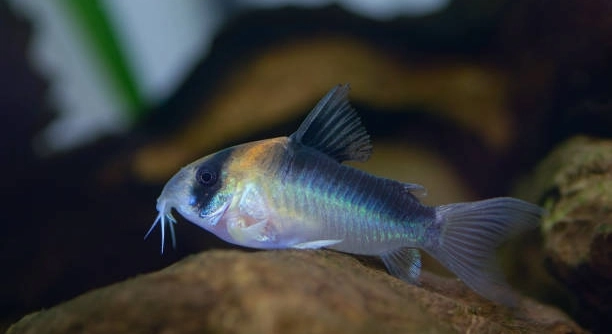
Corydoras catfish are peaceful creatures that thrive in tanks with proper water flow. Without it, they can struggle, showing signs of distress. It’s important to identify these symptoms early to help them recover and stay healthy.
Poor water flow in your tank can affect Corydoras catfish by causing stress and poor health. Common signs include decreased activity, irregular swimming patterns, and difficulty breathing. Monitoring water conditions is essential for preventing long-term harm.
Addressing water flow issues promptly can improve your fish’s health and well-being. Understanding the signs helps create a better environment for your Corydoras catfish.
Signs of Poor Water Flow in Your Corydoras Catfish Tank
Water flow is crucial for the health of Corydoras catfish. They are bottom dwellers and rely on a steady flow of water to filter oxygen and debris from the tank. Without proper flow, they may become stressed, leading to changes in behavior and health. Poor water circulation can lead to oxygen depletion in the water, which may cause your fish to show signs of lethargy or abnormal behavior. Additionally, stagnant areas in the tank can cause harmful substances to build up, worsening water quality and affecting your fish’s well-being.
Inadequate water flow can make Corydoras catfish swim in unusual patterns, or even stay near the surface to get more oxygen. A healthy flow ensures they move naturally across the tank, searching for food and exploring. With a poor current, they may become immobile or overly stressed.
The solution is simple: maintain proper filtration and ensure water is moving evenly through the tank. Regularly check your tank’s filter and consider upgrading if necessary to keep water circulation at optimal levels.
Impact on Oxygen Levels
Without sufficient water movement, oxygen levels can drop. As bottom dwellers, Corydoras need oxygen-rich water. If water flow is weak, they struggle to breathe properly, affecting their overall health. This can lead to lethargy and erratic swimming behavior.
Good filtration systems and aerators are necessary to improve water flow. A steady flow helps maintain proper oxygenation, ensuring the fish remain active and healthy. Regular maintenance is essential to avoid this issue.
Changes in Behavior Due to Poor Water Flow
When the water flow is inadequate, Corydoras catfish may exhibit abnormal behavior. They could become lethargic or avoid swimming altogether, instead staying near the bottom or hiding. This is a clear sign that the water conditions aren’t ideal.
Corydoras are active fish that enjoy exploring their environment. If they are stressed due to stagnant water, they might stay in one spot for long periods. You may notice them having difficulty swimming or avoiding certain areas in the tank. These changes in behavior should be addressed to keep your fish healthy and comfortable.
Over time, poor water flow can result in long-term health issues. Reduced activity levels can affect the fish’s immune system, leaving them vulnerable to illnesses. It’s important to make adjustments to improve water flow and keep their environment safe.
Effect on Feeding Habits
Poor water flow can also affect how Corydoras catfish feed. These fish often forage for food on the bottom of the tank, relying on water movement to carry small food particles. Without enough flow, they may have difficulty finding food.
If the water isn’t circulating properly, food may settle in certain areas, making it harder for the fish to find and consume it. Corydoras may struggle to locate their meals, causing them to lose weight or become malnourished. Increasing the water flow ensures food is distributed evenly, making it easier for the fish to feed naturally.
Ensuring a strong current can encourage your Corydoras catfish to actively search for food, improving their feeding habits. Proper water flow prevents food from accumulating in one spot, allowing them to feed as they would in a natural environment.
Impact on Water Quality
When water flow is insufficient, water quality can degrade quickly. Stagnant water traps waste and uneaten food, leading to ammonia build-up. This can result in poor water conditions that harm your Corydoras.
Dirty water increases stress levels and decreases oxygen, affecting the fish’s overall health. Proper flow ensures waste is filtered out and prevents harmful substances from accumulating.
Difficulty Breathing
Corydoras need well-oxygenated water to breathe properly. With weak water flow, oxygen levels can drop, making it harder for them to take in enough air. This can lead to rapid gill movement and gasping at the water’s surface.
The addition of a stronger filter or air pump can help restore oxygen levels. A steady flow ensures they can breathe easily and stay active.
Swimming Problems
Without proper water flow, Corydoras may have trouble swimming naturally. These fish rely on currents to help guide their movements. A lack of flow forces them to expend more energy trying to move.
By ensuring consistent water movement, you can reduce stress and improve their swimming behavior. Proper flow helps the fish maintain their natural swimming patterns and overall health.
FAQ
How can I tell if my Corydoras catfish is struggling due to poor water flow?
If your Corydoras catfish is struggling due to poor water flow, you may notice changes in behavior. They might become less active, swim erratically, or avoid moving around the tank. You may also observe them staying near the surface or hiding in one spot. These are signs that the current isn’t ideal, and they’re trying to conserve energy or get oxygen.
What should I do if I notice my Corydoras catfish acting lethargic?
If your Corydoras seems lethargic, first check the water flow and quality. Ensure the filter is functioning properly and the current is strong enough for the fish to move naturally. If necessary, upgrade the filter or add an air pump to improve oxygen levels. Additionally, check the water parameters for temperature, pH, ammonia, and nitrate levels. Poor water quality can also contribute to lethargy.
Can I adjust the water flow in my tank to help my Corydoras catfish?
Yes, you can adjust the water flow by either adjusting the filter’s flow rate or adding additional equipment such as a powerhead or air stones. Ensure that the water moves gently enough to avoid overwhelming your Corydoras, as they prefer calm currents. A slight increase in flow can encourage natural swimming behavior without causing stress.
How often should I clean the filter to maintain proper water flow for my Corydoras catfish?
It’s important to clean the filter regularly to maintain good water flow. The frequency will depend on your tank size and stocking levels, but generally, cleaning the filter every 4-6 weeks is a good starting point. A clogged filter can decrease water flow and contribute to poor water quality, affecting the health of your Corydoras.
Do Corydoras catfish need strong water flow?
Corydoras prefer moderate water flow, mimicking their natural environment in rivers and streams. Too strong of a current can cause stress, while too little flow can lead to stagnant water, affecting their health. It’s best to maintain a gentle yet steady water flow to support their natural behavior and breathing.
Can poor water flow lead to diseases in Corydoras catfish?
Yes, poor water flow can indirectly lead to diseases in Corydoras catfish. Stagnant water encourages the build-up of waste and harmful substances, which can weaken your fish’s immune system. This makes them more susceptible to bacterial and fungal infections. Maintaining proper water flow helps keep the tank clean and your fish healthy.
What are the best water flow conditions for Corydoras catfish?
Corydoras thrive in tanks with a moderate water flow that simulates the currents of their natural habitat. Aim for a flow that isn’t too strong, as they are bottom dwellers and prefer gentle currents. A well-maintained filter or an adjustable powerhead can help achieve this balance. Regular water changes and proper filtration also contribute to maintaining good water flow conditions.
Can Corydoras catfish survive without a filter?
While Corydoras catfish can technically survive without a filter, it’s not recommended. A filter plays an essential role in maintaining water quality, keeping the water clean, and providing some level of flow. Without a filter, waste can accumulate quickly, leading to poor water conditions that can stress your fish and cause health issues.
How do I know if my Corydoras is getting enough oxygen in the water?
If your Corydoras is struggling to breathe, gasping at the surface, or swimming near the top of the tank, it’s a sign that oxygen levels may be low. Insufficient water flow can cause oxygen depletion, especially in tanks with high stocking levels or poor filtration. Adding an air stone or improving filtration can help increase oxygen levels.
Will adding an air pump improve water flow for my Corydoras catfish?
Yes, adding an air pump can help improve water flow and oxygen levels in your tank. Air pumps increase water movement, creating a gentle current that can benefit your Corydoras catfish. However, make sure the flow is not too strong, as this can overwhelm them. Adjusting the placement of the air stone or pump can help create an ideal current.
How do I prevent poor water flow from affecting my Corydoras catfish?
To prevent poor water flow, regularly check and clean your filter, adjust the flow rate if needed, and ensure the tank is not overstocked. Perform routine water changes and check for dead spots where water circulation is poor. Adding equipment like powerheads or air stones can help maintain consistent water flow and prevent stagnation.
Final Thoughts
Maintaining proper water flow in your aquarium is essential for the health and well-being of your Corydoras catfish. These fish thrive in environments with gentle currents, mimicking their natural habitat in rivers and streams. Without proper water flow, your Corydoras may experience stress, reduced activity, and even health issues due to poor water quality. Stagnant water can lead to the accumulation of waste and harmful substances, which can affect the overall quality of the water. Ensuring that your tank has the right balance of flow can prevent these problems and create a comfortable environment for your fish.
When adjusting water flow, it’s important to strike a balance. Corydoras do not require strong currents, but they do need some movement to thrive. A filter with adjustable flow or the addition of an air pump can help provide the necessary circulation without overwhelming your fish. Regularly cleaning your filter and checking water quality can also help ensure that the current remains steady and effective. If you notice signs of poor water flow, such as your Corydoras becoming lethargic or having trouble swimming, it’s crucial to address the issue promptly. Simple changes like increasing filtration or adding equipment to improve water movement can make a significant difference.
In conclusion, taking care of your Corydoras catfish involves more than just providing food and a clean tank. Proper water flow is an essential factor in keeping them healthy and active. By paying attention to water movement, oxygen levels, and overall water quality, you can create a stable environment for your fish. Regular maintenance and the right equipment can help prevent poor water flow from affecting your Corydoras. This ensures that your fish stay happy, active, and free from the stress that stagnant water can cause.

Hello,
If you enjoy the content that we create, please consider saying a "Thank You!" by leaving a tip.
Every little bit helps us continue crafting quality advice that supports the health, happiness, and well-being of pets around the world, for pets of all shapes, sizes, and species.
We really appreciate the kindness and support that you show us!