
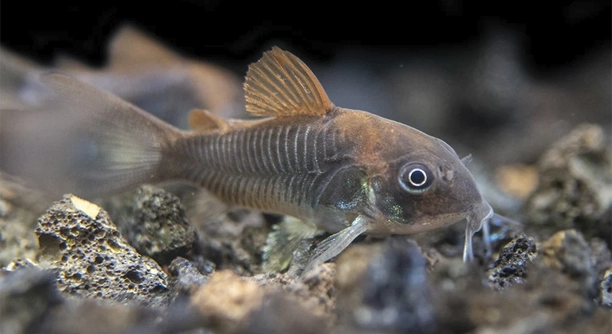
Corydoras catfish are sensitive creatures, and changes in their tank can cause stress. Knowing how to help them adjust is essential for their well-being. Ensuring they feel secure during this time will promote their health and happiness.
The key to helping your Corydoras catfish feel secure after tank changes is to maintain a calm environment. This includes controlling water parameters, providing hiding spots, and limiting stressors like bright lights or loud noises. Consistent care will help them feel safe.
Taking these steps will help your Corydoras catfish settle in smoothly. By creating a stable environment, you can help them adjust faster and enjoy a peaceful home.
Create a Calm Environment for Your Corydoras
After a tank change, it’s important to minimize sudden disruptions for your Corydoras. These fish are naturally shy and can easily become stressed by unexpected changes. Maintaining a calm environment can help them settle in quickly. A quiet room away from loud noises or other tank disruptions is ideal. Adding decorations or plants that they can hide in will also help. Corydoras feel safer when they have somewhere to retreat to if they feel threatened. Creating this environment will reduce their stress levels and help them adapt to any changes in their habitat.
The water temperature should remain consistent to prevent any additional shock. Corydoras prefer slightly warmer waters, typically between 72°F and 78°F. Sudden fluctuations can cause stress and make it harder for them to adjust.
Consider adding a sponge filter instead of a traditional filter to reduce water movement. Corydoras are bottom dwellers and prefer calm water. High water flow can make them feel exposed and unsafe, adding unnecessary stress.
Ensure Proper Water Quality
Water quality is crucial for your Corydoras’ well-being. Sudden shifts in water parameters, such as pH or hardness, can make them feel uncomfortable. It’s important to test the water regularly, especially after a tank change. Corydoras thrive in stable environments, so avoid drastic changes that can stress them out.
Test the water for ammonia, nitrites, and nitrates. High levels of any of these can be toxic to fish, so keeping them in check is vital. Corydoras are sensitive to poor water conditions, and maintaining clean water is key to their health. In addition, if you have live plants in the tank, they can help balance the water by absorbing excess nutrients.
Lastly, ensure you use a reliable water conditioner to remove chlorine or chloramine from tap water. Even small amounts can irritate their sensitive skin and gills, affecting their ability to feel secure.
Provide Hiding Spots
Corydoras need places to hide in order to feel secure after a tank change. Without hiding spots, they can become stressed and more susceptible to illness. Adding plants, rocks, or caves will provide them with the necessary shelter. These spaces help them retreat if they feel threatened or overwhelmed. It’s important that these hiding spots are not only plentiful but also properly sized to allow them to hide comfortably.
Adding plants with broad leaves or caves will encourage natural behaviors like foraging. Corydoras enjoy exploring, and they feel more secure when they have access to spaces where they can rest undisturbed. Avoid overcrowding the tank, as too many decorations could limit their access to shelter. Balance is key.
Consider placing hiding spots near the bottom, where Corydoras naturally dwell. They feel safest in these areas, and it will allow them to rest comfortably while still being able to observe their surroundings.
Monitor Feeding Habits
After a tank change, Corydoras might feel too stressed to eat. During this period, it’s essential to monitor their feeding habits closely. Offering smaller meals can encourage them to eat without overwhelming them. Corydoras are scavengers, so they typically enjoy eating food that falls to the bottom. Placing food close to the substrate will help them feel comfortable and more likely to feed.
Overfeeding can lead to water quality problems, so make sure to only offer the amount they can consume within a few minutes. After their initial adjustment period, you may notice their appetite returning to normal. In the meantime, try feeding them food that is easier for them to eat, such as sinking pellets or frozen foods like bloodworms.
Avoid disturbing them during their feeding time, as this can increase stress. Allow them to feel safe as they eat, and try to maintain a consistent feeding schedule. Regular feeding habits help them regain confidence and settle into their new environment.
Keep Lighting Low
Bright lights can stress out Corydoras after a tank change. These fish prefer dimmer lighting, as they are naturally more active during low-light conditions. By keeping the lights lower, they feel more secure. It’s important to mimic their natural environment by reducing light intensity, especially during the adjustment period.
If you use a light timer, consider shortening the light period for a few days to help them adjust. Avoid sudden changes in lighting that could startle them. Gradually returning to regular lighting routines will help them feel less stressed and more comfortable in their new environment.
Maintain a Consistent Tank Routine
Routine is essential for Corydoras. After a tank change, sticking to a regular maintenance schedule will help them feel secure. Consistency reduces the stress caused by unexpected changes. Perform water changes at regular intervals and feed them at the same time each day. A stable routine provides a sense of familiarity.
Having a predictable schedule gives them time to adjust without sudden disturbances. This consistency in their environment helps your Corydoras feel safer and more relaxed. Avoid changing water parameters, decorations, or lighting frequently, as this can disrupt their sense of security.
Limit Tank Mates’ Activity
Corydoras can become stressed if tank mates are too active, especially after a tank change. If there are other fish in the tank, try to reduce their activity or movement for a few days. Active or aggressive fish can disturb the Corydoras, making them feel unsafe.
If possible, isolate more active fish temporarily to give your Corydoras some space. Creating a quieter, calmer environment will help them settle in faster. Keep an eye on interactions between tank mates and adjust accordingly. Corydoras will feel more at ease when they’re not constantly being disturbed by other fish.
FAQ
How long does it take for Corydoras to adjust after a tank change?
The adjustment period for Corydoras can vary, but generally, they need about 2-3 days to settle in. During this time, their behavior may change, such as hiding more or being less active than usual. It’s important to avoid making any further changes to their environment during this period to help them feel more secure. They will gradually return to their normal activity level as they get used to the new setup.
Can Corydoras survive in a tank with high water flow?
Corydoras are bottom dwellers and prefer slow-moving water. High water flow can stress them out, making them feel exposed and uncomfortable. If your tank has a strong current, consider using a sponge filter or adjusting the filter to reduce water flow. Ensuring calm, low-flow water helps your Corydoras feel safe.
How often should I feed Corydoras after a tank change?
After a tank change, it’s best to feed your Corydoras small meals more frequently. This reduces the chance of overfeeding and helps them feel more secure. Offer food that sinks to the bottom, where they naturally forage, such as sinking pellets or frozen food. Feed them once or twice a day, depending on their appetite.
Can I add new tank mates right after a tank change?
It’s best to wait a few days after a tank change before adding new tank mates. Corydoras are sensitive to changes, and introducing new fish too soon can increase stress. After a tank change, give your Corydoras time to adjust and settle into their new environment before adding any new fish.
How can I tell if my Corydoras is stressed?
Signs of stress in Corydoras include hiding more than usual, reduced activity, loss of appetite, or darting around the tank. They may also show signs of physical stress, such as clamped fins or pale coloration. If you notice these signs, check the water quality, reduce stressors, and ensure they have enough hiding spots.
Should I change the water right after a tank change?
You don’t need to do another water change immediately after a tank change, unless there is a water quality issue. Corydoras are sensitive to frequent changes in water parameters, so it’s important to give them time to adjust. Regular water changes should be scheduled after the initial period of adjustment, but not too soon after the tank change.
How do I create a peaceful environment for my Corydoras?
To create a peaceful environment for your Corydoras, focus on maintaining stable water conditions, low light, and providing plenty of hiding spots. Avoid sudden changes in their environment and minimize noise or other disturbances. Keep tank mates calm and avoid introducing aggressive fish that could add stress.
What water temperature is best for Corydoras?
Corydoras thrive in temperatures between 72°F and 78°F (22°C – 26°C). Keeping the water temperature within this range helps them feel secure and reduces the risk of stress. Make sure to avoid sudden temperature fluctuations, as these can cause shock and make it difficult for your Corydoras to adjust.
Is it okay to use chemicals in the tank during the adjustment period?
It’s best to avoid using any chemicals, such as water conditioners or medications, during the adjustment period unless absolutely necessary. Corydoras are sensitive to changes in water quality, and adding chemicals can further stress them. If you must use chemicals, ensure they are fish-safe and follow the instructions carefully.
Can Corydoras survive without a filter?
While Corydoras can survive for a short period without a filter, it’s not ideal in the long run. A filter helps maintain water quality by removing waste and toxins. Without a filter, the water can quickly become polluted, which increases the stress on your fish. If you need to temporarily turn off the filter, ensure regular water changes to keep the tank clean.
Final Thoughts
Helping your Corydoras feel secure after a tank change is essential for their health and well-being. These fish are naturally sensitive to their environment, and sudden changes can cause them stress. By providing a calm, stable environment with hiding spots and low lighting, you can ease their transition and ensure they feel safe. Avoiding rapid changes in their water conditions and keeping a consistent routine will also help them adjust more quickly.
Patience is key when it comes to Corydoras. While they may take a few days to settle in, their behavior should return to normal once they feel secure. It’s important to avoid making any drastic changes during this time, as it could prolong their stress. Monitoring their feeding habits and adjusting their meals to smaller portions will also help. Corydoras are scavengers, so they enjoy foraging for food near the bottom of the tank. Placing their food in areas where they naturally forage will encourage them to eat, helping them regain their energy.
Remember that every Corydoras is different, and their adjustment time may vary. By keeping their tank clean, maintaining consistent routines, and providing hiding spots, you are creating an environment where they can thrive. Regularly checking water parameters and ensuring they’re not exposed to aggressive tank mates will also improve their chances of settling in comfortably. Taking these steps can help reduce stress and support the long-term health of your Corydoras after a tank change.

Hello,
If you enjoy the content that we create, please consider saying a "Thank You!" by leaving a tip.
Every little bit helps us continue crafting quality advice that supports the health, happiness, and well-being of pets around the world, for pets of all shapes, sizes, and species.
We really appreciate the kindness and support that you show us!