
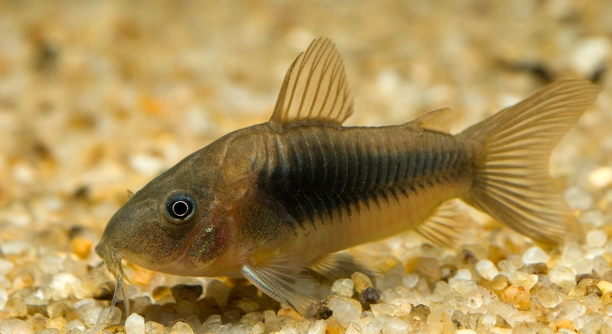
Corydoras catfish are peaceful and social creatures that need a secure environment to thrive in your aquarium. Ensuring they feel safe is key to their well-being and long-term health.
The most effective ways to make sure your Corydoras catfish feels secure in the tank are providing plenty of hiding spots, maintaining stable water conditions, and avoiding sudden changes in the environment. A well-balanced habitat helps reduce stress.
Creating a safe space for your Corydoras ensures they are happy and healthy. A few simple adjustments can go a long way in making them feel more comfortable in your tank.
Provide Plenty of Hiding Spots
Corydoras catfish are naturally shy and prefer to stay hidden, especially when they feel vulnerable or threatened. In the wild, they hide under rocks, plants, and other debris. In your tank, providing caves, plants, or decorations can help them feel secure. These hiding spots are essential for reducing stress and allowing them to rest comfortably. A few simple additions, like smooth rocks or driftwood, can create ideal hiding spaces without overcrowding the tank.
Adding hiding spots encourages your Corydoras to explore and engage naturally. A tank with plenty of safe spaces will create a much more relaxed environment for them.
These hiding areas not only reduce stress but also allow the catfish to exhibit more natural behaviors. When they have spots to retreat to, they’ll feel more comfortable moving around the tank and feeding, leading to better overall health. It’s crucial to ensure the spots are well-placed, so they don’t disrupt water flow or overcrowd the tank.
Maintain Stable Water Conditions
Consistency in water temperature, pH, and hardness is vital for the health of Corydoras catfish.
Fluctuating water conditions can make them feel stressed, leading to health problems. Corydoras are sensitive to sudden changes, and it’s best to keep the tank water as stable as possible. Regular testing and adjustments help maintain the right balance.
Setting up a reliable filtration system is a great way to maintain stable water conditions. It’s also important to perform regular water changes to prevent any harmful buildup of toxins or waste. Ensure that the tank’s temperature stays within the ideal range for your catfish—around 72°F to 78°F. This consistency helps them feel secure in their environment, leading to a happier, healthier tank.
Avoid Sudden Changes in the Tank Environment
Corydoras catfish are sensitive to sudden shifts in their environment. Abrupt changes in water temperature, lighting, or tank setup can cause stress and make them feel insecure. Gradual adjustments are key to ensuring they remain comfortable.
If you need to make changes, do so slowly and consistently. For example, when adjusting water temperature, allow it to rise or drop slowly to avoid shocking the catfish. This same principle applies when changing tank decorations or adding new fish. Quick shifts can unsettle them and impact their overall well-being.
It’s also important to keep the tank’s lighting consistent. Corydoras catfish prefer low to moderate light, and sudden increases in brightness can cause them to hide more often. Keeping the lighting consistent helps them feel more secure. By avoiding drastic changes, you can create a calm, stable environment that supports their natural behaviors and health.
Choose Tankmates Carefully
Corydoras are peaceful fish and do best with non-aggressive tankmates. When selecting other fish, avoid species that are too large, fast, or aggressive, as they may intimidate or even harm your catfish.
In an ideal setup, choose calm fish that won’t compete for food or space. Small, peaceful species like tetras or guppies are often good companions. Avoid keeping Corydoras with fin-nipping species, as this can increase stress levels. Ensure that tankmates are peaceful to promote a safe, friendly environment for everyone.
The overall dynamics of the tank will have a significant impact on the security of your Corydoras. Incompatible tankmates can make them feel threatened and stressed, potentially affecting their health and behavior. Keeping them with the right companions will allow your catfish to thrive in a stress-free environment. A peaceful community tank is essential for the well-being of your Corydoras catfish.
Offer Soft Substrate
Corydoras catfish are bottom dwellers and prefer soft substrates like sand or fine gravel. Hard or sharp materials can irritate their sensitive barbels and skin, making them feel uncomfortable. A soft substrate allows them to forage naturally without injury.
Sand or fine gravel mimics their natural habitat and provides a more secure environment for them. Make sure the substrate is deep enough for them to sift through. This setup helps them maintain natural behavior, such as scavenging for food and hiding.
A comfortable bottom layer enhances the overall tank experience for Corydoras. It keeps them active, healthy, and less stressed, allowing them to feel at home.
Provide Adequate Food
Corydoras catfish are bottom-feeding scavengers, meaning they rely on food that falls to the tank’s floor. It’s essential to ensure they are getting enough nutrition by providing sinking pellets, wafers, or a variety of live or frozen foods.
Overfeeding can cause water quality issues, but underfeeding may lead to malnourishment. To help them feel secure, offer food at the right times and in the right amounts. Watch them to ensure they are eating well and not competing for food with other fish.
A varied diet is important for their health and well-being. Adding a mix of protein and vegetable-based foods helps keep them healthy and content.
Limit Tank Stress
Too much movement or noise around the tank can stress your Corydoras. Excessive activity from humans or other pets can make them feel unsafe. Create a calm, quiet space for them to thrive.
A peaceful environment reduces stress and promotes healthy behavior. By keeping their surroundings calm, your Corydoras can rest and feel secure in their space.
FAQ
How do I know if my Corydoras catfish is stressed?
Stress in Corydoras can show in several ways. You might notice them hiding more often, staying at the bottom of the tank, or swimming erratically. A stressed catfish might also stop eating or exhibit unusual behavior like rubbing against tank decorations. Pay attention to these signs and make sure their environment is stable. Check for changes in water conditions or aggression from tankmates, as these can contribute to stress.
Can Corydoras catfish live alone?
While Corydoras can technically live alone, they thrive best in groups. These catfish are social creatures that feel more secure and comfortable when kept with other Corydoras. A group of at least three or four is recommended to help them feel safe and reduce stress. Keeping them in groups allows them to interact and behave more naturally.
What temperature is best for Corydoras catfish?
Corydoras prefer water temperatures between 72°F and 78°F (22°C to 26°C). Keeping the water within this range is important for their overall health and comfort. Too cold or too hot water can stress them out and lead to health problems. Regularly check the temperature using a reliable aquarium thermometer to maintain the ideal conditions.
Do Corydoras need a filter?
Yes, a filter is essential for maintaining good water quality in your tank. Corydoras catfish are sensitive to poor water conditions, so a filter helps remove waste and toxins. However, it’s important to make sure the filter isn’t too strong, as Corydoras prefer calm waters. You can use a gentle filter or baffle the current to keep it low.
What should I feed my Corydoras catfish?
Corydoras are bottom feeders, so they thrive on sinking pellets, wafers, or live/frozen foods like bloodworms and brine shrimp. It’s essential to offer them food that sinks to the bottom so they can easily access it. Make sure to vary their diet to include both protein and vegetable-based options. Be mindful not to overfeed them, as uneaten food can pollute the water.
Can Corydoras live with other fish?
Yes, Corydoras are peaceful fish and can live with a variety of non-aggressive tankmates. Choose small to medium-sized fish that won’t intimidate or harass them. Avoid species that are too large, fast, or fin-nipping. Some good tankmates for Corydoras include tetras, guppies, and other peaceful bottom dwellers.
How often should I clean my Corydoras tank?
Regular tank maintenance is crucial for keeping Corydoras healthy. Perform partial water changes every 1-2 weeks, depending on the size of your tank and the number of fish. Clean the substrate to remove uneaten food and debris. Also, check the filter to ensure it’s working properly. Keeping the tank clean helps reduce stress and keeps water quality stable.
Why are my Corydoras not eating?
If your Corydoras are not eating, it could be due to stress, poor water conditions, or illness. First, check the water parameters like temperature, pH, and ammonia levels to make sure they are within the ideal range. If everything is in order, try offering a different type of food. Corydoras can be picky, so varying their diet might help. If the issue persists, consider checking with a veterinarian for a possible health problem.
Can Corydoras catfish tolerate brackish water?
Corydoras are freshwater fish and should not be kept in brackish water. They are adapted to live in soft, slightly acidic freshwater environments. Keeping them in brackish water can cause stress and health issues. Make sure to provide them with the right freshwater conditions for optimal health.
How big do Corydoras catfish get?
Most Corydoras species remain relatively small, typically growing to around 2 to 3 inches (5 to 7.5 cm) in length. However, some species, like the larger Brochis species, can grow up to 4-5 inches (10-12 cm). They are ideal for smaller tanks because of their small size, but they still need plenty of space to move around comfortably.
Do Corydoras need special lighting?
Corydoras catfish prefer low to moderate lighting. They are nocturnal creatures and feel more secure in dimly lit environments. Bright lighting can stress them out and make them more skittish. Consider using a subdued light or providing plenty of plants to offer natural hiding places. Keep the lighting consistent to avoid stressing your catfish.
What is the lifespan of Corydoras catfish?
Corydoras can live for around 5 to 10 years when cared for properly. Ensuring stable water conditions, a balanced diet, and a stress-free environment will help them live a long, healthy life. Regular tank maintenance and good care can ensure your Corydoras enjoy a lengthy lifespan in your aquarium.
Are Corydoras catfish sensitive to chemicals?
Yes, Corydoras are sensitive to chemicals like chlorine, chloramine, and heavy metals commonly found in tap water. Always treat tap water with a dechlorinator before adding it to the tank. Using a high-quality water conditioner can help keep your fish safe. Regularly test the water to ensure there are no harmful chemicals present.
Why is my Corydoras catfish swimming upside down?
If your Corydoras is swimming upside down, it could be a sign of swim bladder issues or poor water conditions. Swim bladder disorders can cause difficulty in buoyancy, making the fish swim abnormally. Check the water parameters and make sure everything is stable. If the issue continues, it may be necessary to seek veterinary advice.
Final Thoughts
Corydoras catfish are relatively easy to care for, but they do require certain conditions to feel secure and thrive in an aquarium. By providing them with plenty of hiding spots, soft substrates, and stable water conditions, you can create an environment where they feel safe and comfortable. Their peaceful nature makes them ideal for community tanks, but it’s important to choose tankmates that are calm and won’t stress them out. With a little attention to detail, you can create the perfect habitat for these delightful bottom dwellers.
It’s also essential to monitor their behavior closely. Corydoras catfish are sensitive to changes in their environment, so any sudden shifts in water quality, temperature, or tank setup can cause them stress. If you notice any unusual behavior like hiding too much or swimming erratically, it’s a good idea to check the water conditions and ensure everything is stable. Additionally, ensure they are getting enough food by offering sinking pellets, live food, or frozen options that suit their scavenger nature. Overfeeding or underfeeding can both lead to problems, so a balanced feeding routine is key.
In the end, keeping Corydoras happy in your aquarium is about understanding their needs and creating a stable, secure environment. They are peaceful fish that enjoy the company of their own kind and other non-aggressive tankmates. With proper care and attention, Corydoras can live a long and healthy life in your tank. By making sure their environment is safe, they will reward you with their calming presence and enjoyable behavior. It’s about maintaining the right balance in their habitat and ensuring they feel as secure as possible.

Hello,
If you enjoy the content that we create, please consider saying a "Thank You!" by leaving a tip.
Every little bit helps us continue crafting quality advice that supports the health, happiness, and well-being of pets around the world, for pets of all shapes, sizes, and species.
We really appreciate the kindness and support that you show us!