
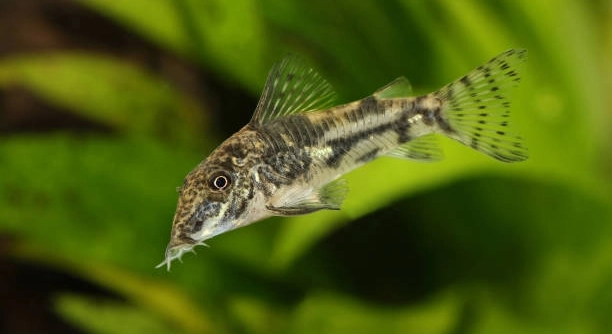
Corydoras catfish are popular tank residents due to their peaceful nature and interesting behavior. However, when placed in a newly cycled tank, they may face certain challenges that can indicate they are struggling.
Your Corydoras catfish may show signs of stress in a newly cycled tank due to unstable water conditions, improper filtration, or lack of beneficial bacteria. These stress factors can lead to health issues, making it essential to monitor your fish closely.
Watching for these signs early can make a huge difference in helping your Corydoras thrive. We’ll guide you through key symptoms to look out for, ensuring your catfish stay healthy and happy in their new environment.
Signs of Stress in Corydoras Catfish
When placed in a newly cycled tank, Corydoras catfish can be sensitive to the changes in their environment. The tank’s water chemistry, temperature fluctuations, and lack of established bacteria can all contribute to stress. They are particularly vulnerable during the initial weeks of tank cycling. It’s important to monitor water parameters, such as pH, ammonia, nitrites, and nitrates, closely. Even minor shifts in these levels can cause your catfish to become stressed or ill. Additionally, filtration systems may not be fully developed, which can lead to an increase in toxins like ammonia and nitrite. During this delicate period, keeping your water conditions stable will make a big difference in your catfish’s health.
If you notice changes in behavior or physical appearance, there may be an underlying issue. Corydoras are hardy but can be quick to show signs of distress if something’s off in their environment.
By regularly testing the water and adjusting conditions as needed, you can provide the right environment for your Corydoras to adjust to the tank safely. This will help them avoid prolonged stress and promote their overall well-being.
Common Symptoms of Struggling Corydoras
Sometimes, Corydoras catfish can appear lethargic, swim erratically, or show signs of physical distress.
These symptoms can vary from fish to fish, but generally, you should watch for slow movements, difficulty swimming, or lack of appetite. You may also notice changes in their coloration, such as fading or darkening. If your catfish are sitting at the bottom of the tank, not interacting with their tank mates, or hiding more often, these can all be signs that they’re struggling.
Another sign to watch for is labored breathing. Corydoras are bottom dwellers, so if they are frequently gasping for air at the surface, it could indicate a lack of oxygen in the water or poor water quality. If your catfish’s gills seem enlarged or they’re rubbing against objects in the tank, this could point to an irritation caused by harmful substances. Testing the water regularly will help you identify any issues with oxygen levels, water hardness, or pH.
Ensuring the tank’s environment is ideal and stress-free for your catfish will go a long way in preventing serious health issues.
Water Quality Issues
Poor water quality is one of the most common reasons Corydoras may struggle in a newly cycled tank. Ammonia and nitrite spikes are especially dangerous and can cause significant stress.
Ammonia and nitrites are toxic to fish, and since the tank’s filter hasn’t fully matured, they can build up quickly. During the cycling process, the beneficial bacteria needed to break down these toxins are not yet established. Regular water changes and testing water parameters will help you keep track of any dangerous spikes. If water quality issues are detected, address them immediately by performing a water change and checking the filtration system.
High levels of nitrate can also be a concern if the tank is overfed or overcrowded. A good practice is to feed small amounts of food at a time and remove any uneaten food promptly. This will prevent food decay, which contributes to nitrate buildup and poor water conditions. Always ensure that your filter is functioning properly to remove excess waste and toxins from the water.
Temperature Fluctuations
Corydoras catfish are sensitive to temperature changes, which can add stress to their system. They prefer a steady temperature range between 72-78°F (22-26°C).
Rapid temperature fluctuations can cause shock, leading to weakened immune systems and increased vulnerability to diseases. It’s essential to have a reliable heater that maintains a consistent temperature in the tank. If the tank’s temperature is fluctuating too much, you may notice your Corydoras behaving oddly or moving sluggishly.
Avoid placing your tank near windows, vents, or other sources of temperature change. This will help maintain the right environment. Additionally, use a thermometer to check the water’s temperature regularly. A stable environment is crucial for the health of your catfish and will help reduce the stress that can arise from temperature instability.
Lack of Beneficial Bacteria
In a newly cycled tank, the absence of beneficial bacteria can lead to poor water conditions, which stresses your Corydoras.
The tank’s filtration system needs time to grow these bacteria that help break down waste, such as ammonia and nitrites. Without them, these toxins build up and harm your fish.
To help, you can speed up the bacterial colonization by adding some filter media from an established tank or using bacterial supplements. This will help establish a more stable environment for your Corydoras.
Overfeeding
Overfeeding is a common problem that worsens water quality. It’s easy to give your Corydoras too much food, which leads to excess waste.
Uneaten food decays in the tank, causing ammonia and nitrite spikes. This quickly deteriorates water quality and stresses your catfish. Stick to small portions and remove any uneaten food within a few hours.
Stress from Tankmates
Corydoras are peaceful fish and can get stressed out by aggressive tankmates.
Aggressive fish may nip at your catfish or outcompete them for food, leading to anxiety and health issues. When choosing tankmates, make sure they are compatible with Corydoras. Fish that are calm and non-aggressive are the best companions.
FAQ
How long should I wait before adding Corydoras to a newly cycled tank?
It’s best to wait until the tank has fully cycled, which usually takes about 4-6 weeks. This ensures the beneficial bacteria are established, making the environment safer for your Corydoras. Adding fish too early can expose them to high levels of toxins, which can cause stress or even harm. During the cycling process, ammonia and nitrites are present in the tank, and your Corydoras won’t be able to tolerate those harmful substances. Test the water regularly and wait until ammonia and nitrites read as zero before introducing any fish.
How can I tell if my Corydoras catfish is stressed?
Stressed Corydoras may display signs like erratic swimming, hiding more than usual, or rubbing against tank decorations. They may also become lethargic, spend more time near the surface, or have a reduced appetite. Another common sign is their color fading or darkening. If your Corydoras is showing these behaviors, it could be reacting to environmental factors such as water quality, temperature fluctuations, or poor tank mates.
Can I add Corydoras to my tank if it has not fully cycled?
It is not recommended to add Corydoras to a tank that is not fully cycled. A newly cycled tank can have spikes in ammonia and nitrites, which are harmful to fish. These spikes can lead to stress, illness, or even death in your Corydoras. Wait until the cycling process is complete and water parameters are stable before introducing your fish. If you are eager to add them sooner, consider using bacterial supplements to help speed up the cycle.
What should I do if I notice ammonia or nitrite spikes in my tank?
If you detect ammonia or nitrite spikes, the first step is to perform a water change to dilute the toxins. Removing around 25-50% of the water can help bring levels down quickly. Afterward, test the water again to ensure the levels are dropping. Consider adding an ammonia remover or a biological filter enhancer to help speed up the process of breaking down these harmful substances. It’s also a good idea to monitor your filtration system to make sure it is functioning properly.
Can Corydoras live with other species in a community tank?
Yes, Corydoras are peaceful and do well in community tanks with other non-aggressive fish. They enjoy swimming in groups, so it’s better to have more than one. However, you should avoid pairing them with aggressive or overly active fish, as these can stress your Corydoras out. Also, avoid tankmates that might compete with them for food, as Corydoras are bottom dwellers and rely on food near the substrate. Make sure all fish in the tank have plenty of space and resources.
How do I ensure my Corydoras are getting enough oxygen?
Corydoras typically do well in tanks with good water movement and oxygen exchange. If they are gasping at the surface, it could indicate low oxygen levels in the water. Adding an air stone or adjusting the filter to create more surface agitation can help increase oxygen exchange. You can also increase water circulation to improve oxygen flow, but make sure it’s not too strong, as Corydoras prefer calm waters. Keep an eye on the tank’s temperature as well—warmer water holds less oxygen.
What temperature is best for Corydoras catfish?
Corydoras thrive in water temperatures between 72-78°F (22-26°C). Keeping the water within this range is important for their health and well-being. Temperatures outside of this range can stress your Corydoras and make them more susceptible to disease. A reliable heater will help maintain a consistent temperature, and it’s a good idea to use a thermometer to monitor the water. Avoid rapid temperature changes, as this can cause shock to your fish.
How often should I feed my Corydoras?
Corydoras should be fed small amounts of food once or twice a day. Overfeeding can lead to poor water quality and health issues. It’s best to feed them what they can consume in 2-3 minutes to avoid leftover food decaying in the tank. Use sinking pellets or wafers that are designed for bottom feeders, as Corydoras are bottom dwellers. Make sure to remove any uneaten food to prevent it from affecting the water quality.
Why are my Corydoras staying at the bottom of the tank?
Corydoras are bottom-dwelling fish, so it’s completely normal for them to spend most of their time near the substrate. However, if they are spending more time than usual at the bottom or are not interacting with the rest of the tank, it could be a sign of stress or illness. Poor water quality, low oxygen levels, or temperature fluctuations could cause them to seek refuge at the bottom. Ensure that your tank’s environment is stable and safe for your fish.
How can I tell if my Corydoras is sick?
Sick Corydoras may exhibit a variety of signs, including fading or darkening colors, difficulty swimming, or abnormal breathing patterns. You might also notice sores, lesions, or fin clamping. They may become less active, stop eating, or rub their bodies against tank decorations. If you suspect your Corydoras is ill, test the water for toxins and ensure the tank environment is ideal. If symptoms persist, consider isolating the fish and consulting a veterinarian or aquatic specialist for proper diagnosis and treatment.
Can Corydoras be kept in a tank with plants?
Yes, Corydoras can thrive in tanks with plants. They enjoy having places to hide and forage, and live plants provide them with both. However, it’s important to ensure the plants are safe for the catfish and won’t be damaged by their bottom-dwelling behavior. Some plants, like Anubias and Java Fern, are ideal for Corydoras tanks because they can tolerate low light and thrive in the substrate without getting uprooted. Keep the plants trimmed and healthy to maintain a balanced tank environment.
Final Thoughts
When introducing Corydoras catfish to a newly cycled tank, it’s essential to be patient and mindful of the conditions they need to thrive. These fish are hardy but still require a stable environment to feel comfortable. Ensuring the tank is fully cycled, maintaining proper water quality, and keeping the temperature consistent will help prevent stress and health problems for your Corydoras. Monitoring the water regularly and making adjustments as needed is a key part of creating a healthy environment for them.
Overfeeding, poor tankmates, and sudden temperature changes can also cause unnecessary stress for your Corydoras. By being mindful of the amount of food you provide and making sure your fish are not competing with more aggressive species, you can create a peaceful environment where your catfish can thrive. Additionally, maintaining the right water flow and keeping the tank clean will help ensure the health of your fish in the long run.
If you do notice any signs of stress or illness in your Corydoras, it’s important to act quickly. Addressing the problem early—whether it’s water quality issues, temperature fluctuations, or tankmate conflicts—can make a big difference in your fish’s recovery. Regular maintenance, such as water changes and testing water parameters, will help you avoid these issues before they become serious. With a little attention and care, your Corydoras will enjoy a long, healthy life in their new home.

Hello,
If you enjoy the content that we create, please consider saying a "Thank You!" by leaving a tip.
Every little bit helps us continue crafting quality advice that supports the health, happiness, and well-being of pets around the world, for pets of all shapes, sizes, and species.
We really appreciate the kindness and support that you show us!