
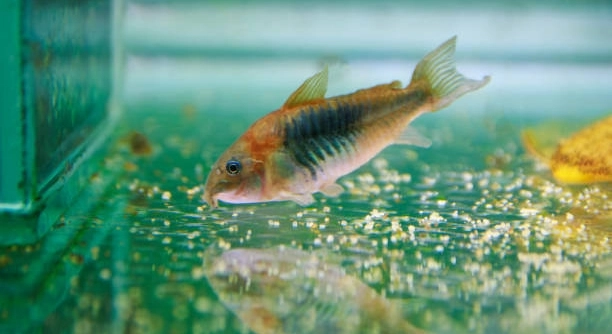
Corydoras catfish are popular aquarium fish, known for their peaceful nature and unique behaviors. They can be challenging to breed without the right environment. Creating optimal tank conditions is crucial for successful breeding.
To improve breeding conditions for Corydoras catfish, maintain clean, well-oxygenated water with a stable temperature of 72–78°F. Offer a balanced diet, ensure proper tank size, and include hiding spots. Regular water changes and soft, slightly acidic water can also encourage breeding.
Creating the perfect environment is key for successful breeding. Implementing these steps will help optimize your Corydoras catfish tank conditions.
Maintaining Clean Water Conditions
Keeping water clean is one of the most important factors for breeding Corydoras catfish. Frequent water changes are essential for maintaining water quality. Water should be free of excess ammonia, nitrites, and nitrates to avoid stress on the fish. It’s also important to use a good filtration system. A sponge filter is often recommended, as it provides gentle filtration without disturbing the delicate bottom dwellers.
A water test kit can help track levels of ammonia, nitrites, and nitrates, ensuring they remain at safe levels.
To improve water quality, use dechlorinated water during changes. This protects the fish and encourages natural breeding behavior. Keep the water temperature between 72–78°F, as fluctuations can stress the fish and hinder breeding.
Temperature Control for Breeding
Maintaining the right temperature is crucial for encouraging Corydoras to breed. A heater with a reliable thermostat can help keep the water stable. The ideal range for breeding is between 72°F and 78°F. Any significant changes can reduce the chances of successful breeding.
A steady temperature simulates their natural habitat, making them feel more comfortable. Corydoras may refuse to breed if the water temperature is inconsistent.
Tank Size and Space
A spacious tank provides enough room for Corydoras to move freely, which is important for their health and breeding. A 20-gallon tank is usually the minimum size recommended for breeding pairs. Smaller tanks can cause stress, which can interfere with reproduction.
Corydoras catfish are bottom dwellers and need ample space to explore and forage. Overcrowding can lead to aggressive behavior, especially during breeding. Providing hiding spots such as plants or caves can help reduce stress by giving them areas to retreat to when needed.
Larger tanks also offer better filtration and water stability, which are key for breeding success. The more space available, the easier it is to maintain optimal water conditions.
Feeding Practices
Feeding plays a significant role in breeding success. A balanced diet ensures that Corydoras receive the necessary nutrients for healthy reproduction. Offer a variety of foods such as high-quality pellets, frozen or live foods, and occasional plant matter like spinach.
It’s important not to overfeed, as excess food can lead to water pollution. Offering smaller amounts of food two or three times a day is sufficient. Make sure to remove uneaten food to maintain water quality. Healthy, well-fed Corydoras are more likely to breed successfully.
Water pH and Hardness
The ideal water pH for breeding Corydoras catfish is slightly acidic, around 6.0 to 7.0. A pH above this range can inhibit breeding, while lower pH can cause stress. Maintaining a consistent pH is key.
Test water regularly to ensure the pH remains within this range. Use products designed for aquarium use to adjust the water if needed. Avoid drastic changes, as sudden shifts can harm the fish.
Corydoras also thrive in soft to moderately hard water. Water hardness should range from 2 to 15 dGH. Soft water helps mimic their natural habitat and supports breeding.
Lighting
Corydoras catfish prefer subdued lighting, as they are naturally found in darker, more shaded environments. Bright lighting can cause stress and may discourage breeding.
Use dim or indirect lighting to help create a comfortable environment. A consistent day-night cycle of 10-12 hours of light is ideal to mimic their natural habitat.
FAQ
How can I tell if my Corydoras catfish are ready to breed?
Corydoras catfish become sexually mature between 6 and 12 months. You can tell they are ready to breed when the males begin chasing the females and displaying courtship behaviors. Males often swim around the females in a “T” shape, attempting to nudge them to initiate spawning. Additionally, females may become fuller in the abdomen as they prepare to lay eggs.
What is the best tank setup for breeding Corydoras?
To breed Corydoras successfully, a well-maintained tank with appropriate water conditions is essential. A 20-gallon tank is ideal for a small breeding group. Provide hiding spots with plants or caves where the fish can retreat. A soft substrate, such as fine sand, is preferable as it allows the fish to lay eggs safely. Proper filtration is important, but ensure the filter doesn’t create strong currents that may stress the fish.
How often should I feed Corydoras during the breeding process?
Corydoras should be fed several small meals per day, around 2–3 times. Focus on a varied diet, including high-quality pellets, frozen or live foods such as bloodworms or brine shrimp, and occasional vegetables like spinach. Overfeeding should be avoided, as it can negatively affect water quality, so remove uneaten food promptly.
What water temperature is ideal for breeding Corydoras catfish?
The best temperature range for breeding Corydoras catfish is between 72°F and 78°F. This stable temperature mimics their natural habitat and supports their reproductive cycle. Temperature fluctuations can stress the fish, reducing their chances of breeding.
Can Corydoras breed in tap water?
Corydoras catfish can breed in tap water, but it’s crucial to ensure the water is treated to remove chlorine and chloramine. Test the water for pH, hardness, and ammonia levels before using it in the tank. If tap water is too hard or alkaline, you may need to adjust the parameters using special products or by mixing with RO (reverse osmosis) water.
Do Corydoras need a specific substrate for breeding?
Yes, Corydoras catfish prefer a soft substrate, such as fine sand, for breeding. They typically lay their eggs on smooth surfaces like plants or decorations, but having a fine sand substrate allows them to move comfortably and naturally. Avoid using gravel or sharp objects, as these can damage their delicate barbels and cause stress.
How long does it take for Corydoras eggs to hatch?
Corydoras eggs generally hatch in 3 to 5 days, depending on water temperature. Higher temperatures within the optimal range can speed up the hatching process, while lower temperatures may extend it. The eggs are often laid on surfaces like plants, glass, or decorations, where they can be easily monitored.
Do I need to remove the eggs from the tank?
It’s not strictly necessary to remove the eggs, but doing so can help protect them from being eaten by the parents or other tank mates. If you choose to leave the eggs in the tank, ensure the environment is safe and free from aggressive fish. Alternatively, you can carefully transfer the eggs to a separate breeding tank with similar water conditions.
How do I care for Corydoras fry once they hatch?
After hatching, Corydoras fry will rely on their yolk sac for the first few days. Once they start swimming freely, you can feed them with small, finely ground food such as baby brine shrimp or specialized fry food. Keep the water clean and perform frequent small water changes to maintain good water quality for the fry.
Should I separate the male and female Corydoras after breeding?
Once the breeding process is complete, it is often a good idea to separate the male and female temporarily. This helps reduce stress and prevents further spawning attempts that might disrupt the tank. You can reintroduce them after the fry have grown a little.
How long will Corydoras breed for?
Corydoras catfish can breed multiple times throughout their lives. They may breed every few weeks if the conditions are right. As they age, their breeding frequency might decrease, but they can continue breeding for several years with proper care.
Can Corydoras breed with other fish species?
Corydoras are typically bred within their own species. While they may interact with other fish species in the tank, breeding between different fish species is unlikely. It’s best to keep Corydoras with compatible species that won’t compete for space or food, which could stress them out and interfere with breeding.
Final Thoughts
Successfully breeding Corydoras catfish requires attention to detail and careful maintenance of their environment. Water quality is the most crucial factor to ensure their health and reproduction. Regular water changes, proper filtration, and monitoring of ammonia, nitrite, and nitrate levels are necessary for maintaining a suitable habitat. Temperature, pH, and water hardness also play important roles in creating the right conditions for breeding. A stable, clean environment will reduce stress and encourage natural behaviors, such as courtship and egg-laying.
Feeding is another essential part of the breeding process. Providing a balanced diet with a variety of food sources ensures that Corydoras catfish receive the nutrients they need for both health and breeding. Overfeeding can cause water quality problems, so it’s important to feed only the amount the fish can consume within a few minutes. Regular, small feedings throughout the day are ideal. It’s also beneficial to include live or frozen foods, such as bloodworms or brine shrimp, to encourage spawning. Remember to remove any uneaten food to avoid fouling the water.
Lastly, the tank setup plays a significant role in breeding success. A well-sized tank with ample space for the fish to swim and hide is essential. Corydoras catfish are bottom dwellers, so providing a soft substrate like fine sand allows them to move comfortably and lay eggs safely. Adding plants or caves gives them places to retreat, reducing stress. By focusing on water quality, nutrition, and tank conditions, you can create an environment where Corydoras will thrive and breed.

Hello,
If you enjoy the content that we create, please consider saying a "Thank You!" by leaving a tip.
Every little bit helps us continue crafting quality advice that supports the health, happiness, and well-being of pets around the world, for pets of all shapes, sizes, and species.
We really appreciate the kindness and support that you show us!