
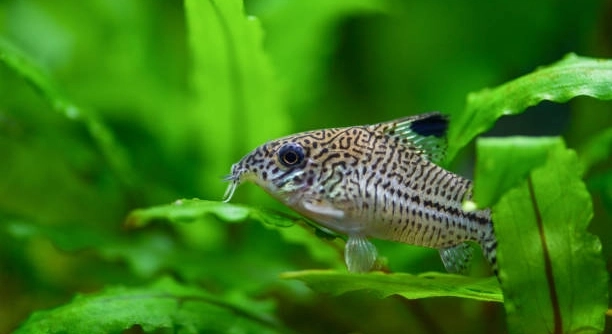
Corydoras catfish are popular aquarium fish due to their playful and peaceful nature. However, some common mistakes can harm their health and well-being. Knowing what to avoid can help you maintain a thriving tank with these delightful creatures.
To ensure the health of your Corydoras catfish, avoid overfeeding, subjecting them to harsh water conditions, and neglecting their need for tank mates. Additionally, it is essential to avoid placing them in tanks with aggressive species or overcrowding.
With a few simple precautions, you can create a safe and healthy environment for your Corydoras. Keep reading to learn more about what to avoid.
Overfeeding Your Corydoras Catfish
Overfeeding is a common mistake when it comes to keeping Corydoras. While these fish are bottom dwellers and enjoy scavenging for food, excessive feeding can lead to poor water quality and health problems. When food is left uneaten in the tank, it decomposes, creating harmful toxins that can affect the entire aquarium. Overfed Corydoras are also prone to obesity and digestive issues, which can shorten their lifespan.
A good rule of thumb is to feed them only what they can consume in about two to three minutes. It’s important to keep an eye on their eating habits, especially if there are other tank mates. Remove any leftover food promptly to maintain a clean and healthy environment. Overfeeding also contributes to a rise in ammonia levels, which is harmful to both fish and plants.
To avoid this, feed your Corydoras in small amounts, adjusting for their activity level and the number of other fish in the tank. This ensures a balanced diet and helps maintain a stable water condition, making for happier fish.
Harsh Water Conditions
Corydoras require stable and clean water conditions. Harsh water parameters, such as fluctuating pH or temperature, can stress your fish and lead to health issues. Maintaining a consistent environment is key to their well-being.
Corydoras thrive in soft, slightly acidic water. Sudden changes in water parameters can weaken their immune systems, making them more susceptible to diseases like fungal and bacterial infections. Regular water testing is crucial to ensure your aquarium remains a safe space for them.
Aggressive Tank Mates
Corydoras are peaceful fish, so placing them with aggressive species can cause significant stress. Stress weakens their immune system and can lead to disease outbreaks. Tank mates should be calm and non-aggressive, allowing your Corydoras to thrive in a secure environment.
Species like tetras, guppies, and peaceful barbs are ideal tank mates for Corydoras. Avoid housing them with larger or territorial fish, such as cichlids, which may intimidate or harm them. Aggression can lead to hiding behavior and reduce their activity levels, making them more vulnerable to illness.
Aggressive fish might also compete for food, leaving Corydoras underfed and malnourished. This can contribute to further stress and health issues. Providing a peaceful, well-planned tank will allow your Corydoras to flourish, keeping them active and healthy in a harmonious environment.
Overcrowding the Tank
Overcrowding a tank can lead to poor water quality, increased competition for food, and a lack of space for your Corydoras to swim freely. While Corydoras are social fish, they still need enough space to thrive.
In a crowded tank, waste builds up faster, and the oxygen level can drop, causing stress and health issues. Overcrowding also leads to territorial disputes, which can stress Corydoras and prevent them from feeling safe. Additionally, overcrowding affects the water’s filtration system, leading to toxic buildup.
It’s crucial to maintain a proper fish-to-tank size ratio. A general guideline is one inch of fish per gallon of water, but take into account the fish’s activity level and size. A spacious, clean tank helps maintain water quality and creates an ideal environment for Corydoras.
Poor Tank Maintenance
Failing to maintain your tank can lead to a variety of issues for Corydoras. Dirty water with excessive waste can harm their health, making it harder for them to thrive. Regular cleaning and water changes are essential to keep the environment safe.
Regular tank maintenance, including removing uneaten food and debris, will help reduce the buildup of harmful toxins like ammonia and nitrites. A clean filter is also necessary to keep water flowing properly and maintain healthy oxygen levels. Regular water changes every week or two can also help keep conditions stable.
If left unchecked, poor tank maintenance can cause a decline in water quality, leading to stressed Corydoras. High stress levels make these fish more vulnerable to diseases, and the accumulation of toxins can result in fish deaths.
Incorrect Tank Temperature
Corydoras thrive in a stable temperature range between 72°F and 78°F. Temperatures outside of this range can cause stress and weaken their immune system, leaving them vulnerable to illness. Maintaining the right temperature is crucial for their health.
A sudden drop or increase in temperature can cause shock, disrupting their bodily functions and leading to disease outbreaks. If the tank is too cold, Corydoras become sluggish, and if it’s too warm, they may struggle with oxygen levels. A stable environment keeps your fish active and healthy.
Inadequate Substrate
Corydoras catfish need a soft, fine substrate to thrive. Sharp gravel or rough materials can injure their sensitive barbels, which are crucial for their ability to forage for food. They are bottom dwellers and need a substrate that allows them to dig without harm.
Using sand or fine gravel creates a safer environment, as it is gentle on their barbels. Additionally, the substrate helps support beneficial bacteria that break down waste, contributing to a cleaner tank. A proper substrate prevents injuries and aids in keeping the tank’s water quality stable.
FAQ
How often should I feed my Corydoras catfish?
It’s best to feed Corydoras catfish small portions once or twice a day. They are bottom dwellers and often scavenge for food, so avoid overfeeding. Too much food left in the tank can lead to poor water quality and health issues for your fish. Feed them what they can eat in about two to three minutes. Remove any leftover food to keep the tank clean.
What is the ideal water temperature for Corydoras catfish?
Corydoras catfish prefer a water temperature between 72°F and 78°F. Consistency is key, so try to avoid sudden temperature fluctuations. Using a reliable aquarium heater and thermometer will help you maintain a stable environment. If the temperature drops too low, your Corydoras may become sluggish, while higher temperatures can reduce oxygen levels, leading to stress.
Can I keep Corydoras catfish with other fish?
Yes, Corydoras catfish are peaceful and social. They do best in tanks with calm fish like tetras, guppies, or peaceful barbs. Avoid aggressive or large fish that may bully or harm them. The ideal setup allows your Corydoras to swim freely and feel secure in their environment.
What should I avoid when keeping Corydoras catfish?
Some things to avoid include overfeeding, harsh water conditions, overcrowding, and aggressive tank mates. It’s also essential to maintain a clean tank with regular water changes and to provide a soft, fine substrate for their sensitive barbels. Neglecting these factors can cause stress, poor health, and even death.
How do I prevent diseases in Corydoras catfish?
To prevent diseases, maintain clean water with regular changes, avoid overcrowding, and ensure the temperature is stable. Introducing new fish carefully and quarantining them first can help avoid bringing in infections. It’s also important to monitor your Corydoras for any signs of illness, such as loss of appetite, faded colors, or unusual behavior.
What is the best substrate for Corydoras catfish?
Corydoras catfish need a soft, fine substrate like sand or smooth gravel. This prevents injury to their barbels as they forage along the tank floor. Avoid sharp materials like jagged rocks or coarse gravel, as they can cause harm. A suitable substrate also supports beneficial bacteria that aid in maintaining water quality.
How do I properly clean my Corydoras catfish tank?
Cleaning your tank is crucial for keeping your Corydoras healthy. Remove any uneaten food and debris daily. Perform partial water changes (about 25-30%) once a week to prevent toxic buildup. Clean the substrate with a siphon to remove waste and dirt without disturbing the fish too much. Also, regularly clean the filter to maintain proper water flow.
Can Corydoras catfish live alone?
While Corydoras can technically survive alone, they are social creatures and thrive in groups. Keeping at least three to five Corydoras together encourages natural behaviors and reduces stress. They are bottom-dwelling fish that feel safer and more confident in the company of others.
Why are my Corydoras catfish hiding?
Corydoras are typically social and active fish. If they’re hiding, it could be due to stress, poor water conditions, or aggressive tank mates. Check your water parameters, and ensure your Corydoras have peaceful companions. Also, ensure they have plenty of hiding spots to feel secure.
How can I tell if my Corydoras catfish is stressed?
Signs of stress in Corydoras include hiding, loss of appetite, and a change in their normal swimming behavior. They may also dart around the tank or stay near the surface if the water quality is poor. Stress can also cause color fading or fin clamping. If you notice these signs, test the water parameters and address any issues promptly.
How long do Corydoras catfish live?
Corydoras catfish can live for 5 to 7 years, sometimes even longer with proper care. Their lifespan can be affected by factors like water quality, diet, and the presence of tank mates. Regular maintenance and a stable environment help ensure they live a long, healthy life.
Can Corydoras catfish eat algae?
Corydoras will occasionally nibble on algae, but they should not be relied upon as the primary algae control in your tank. They are omnivores and need a balanced diet, including high-quality pellets, frozen foods, and occasional vegetable matter. Use an algae scraper or algae-eating fish for better algae control.
Do Corydoras catfish need a filter?
Yes, Corydoras catfish require a filter to maintain clean water. A filter helps remove excess waste and maintains the oxygen levels in the tank. While Corydoras enjoy calm waters, make sure the filter isn’t too strong, as they prefer gentle water flow.
Are Corydoras catfish easy to care for?
Corydoras catfish are relatively easy to care for, making them a great choice for beginner fishkeepers. They are hardy and adaptable but require proper water conditions, a clean tank, and compatible tank mates. Regular maintenance and attention to their environment are key to keeping them healthy and happy.
How can I encourage breeding in Corydoras catfish?
To encourage breeding, maintain stable water conditions, and provide a balanced diet with occasional live or frozen foods. A slight temperature increase and water change can stimulate spawning. Corydoras prefer to breed in groups, so having multiple males and females increases your chances of success.
Final Thoughts
Corydoras catfish are relatively easy to care for but require attention to detail. Keeping your tank clean, maintaining the right water temperature, and providing a safe environment will help your fish thrive. They are peaceful creatures that do best when kept in groups, and ensuring their health requires regular monitoring of water conditions and their general well-being. With a bit of effort, these fish can live for years and add life to any aquarium.
It’s important to remember that Corydoras need specific care, such as a fine substrate to protect their sensitive barbels. Overfeeding, poor water quality, and stressful tankmates can all lead to health problems. Keeping a routine for water changes, feeding, and tank maintenance will help prevent these issues. Consistent care also means providing a varied diet to keep them healthy and active, making sure they have enough food to forage and explore.
Lastly, ensuring your Corydoras are not exposed to any sudden changes in their environment can significantly reduce stress. While they are resilient, they are sensitive to poor water conditions, sudden temperature fluctuations, and rough handling. With a peaceful tank, regular tank care, and attention to their needs, you’ll enjoy a long-lasting relationship with these unique and entertaining fish.

Hello,
If you enjoy the content that we create, please consider saying a "Thank You!" by leaving a tip.
Every little bit helps us continue crafting quality advice that supports the health, happiness, and well-being of pets around the world, for pets of all shapes, sizes, and species.
We really appreciate the kindness and support that you show us!