
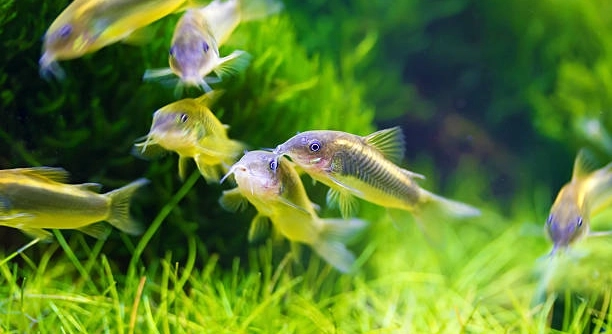
Corydoras catfish are popular in aquariums, known for their peaceful nature. However, they can become stressed from changes in their tank environment, affecting their health and behavior. It’s important to identify the signs early to ensure their well-being.
Stress in Corydoras catfish often occurs after a tank change, causing behavioral and physical changes. These clues include erratic swimming, loss of appetite, or hiding. Recognizing these signs promptly allows for corrective measures to reduce stress and promote recovery.
Observing your fish for stress clues will help you take timely action to restore their comfort. This can ensure a healthy, thriving aquarium.
Signs of Stress in Corydoras Catfish After a Tank Change
Corydoras catfish are generally hardy, but a sudden tank change can trigger stress. Stress is commonly seen when there is a shift in water conditions, such as temperature, pH, or water hardness. These factors can cause physical and behavioral reactions. After a tank change, it’s important to watch for signs that your fish may be struggling. Changes in their environment might cause them to act differently than usual, like hiding more often or swimming erratically. Physical symptoms such as rapid gill movement, changes in color, or even fin clamping may appear as well. While this stress might not be permanent, understanding it is key to preventing long-term health issues.
The stress can be a result of different factors like water temperature fluctuations or insufficient acclimatization. It can cause significant discomfort, leading to lethargy and lack of appetite. Addressing these issues early will help restore your fish to a healthier state.
To reduce stress, make sure the new tank conditions are stable before introducing your fish. Gradual changes, such as slowly adjusting the water temperature, will allow your Corydoras to adapt without becoming overwhelmed. Monitoring water parameters regularly helps ensure they remain within a safe range, promoting a stress-free environment. If necessary, consider adding hiding spots to help them feel secure while adjusting. After a few days, they should return to their usual behavior if the water conditions are optimal. Keep a close eye on their eating habits and general activity levels to assess their recovery.
Behavioral Changes You Might See
Stress can affect your Corydoras in different ways, with some signs more noticeable than others.
When your fish start showing behaviors like excessive hiding or swimming erratically, it’s an immediate red flag. Corydoras are generally peaceful and active, so any drastic change in behavior could be linked to stress. Sometimes, this can lead to them becoming more skittish, darting around the tank. This sudden urge to swim in an erratic manner may be an attempt to escape discomfort. Additionally, the fish might rub their bodies against tank objects, which could indicate irritation or discomfort from water quality changes. Often, you’ll also see them clinging to the tank’s bottom or staying in one corner as they try to avoid stressors. It’s important to differentiate these behaviors from normal sleep patterns to avoid unnecessary concern.
Taking proactive measures like checking water conditions and maintaining a peaceful tank environment will help reduce these disruptions. Make sure your Corydoras are not overexerting themselves and that their behavior isn’t signaling further distress.
Decreased Appetite and Lack of Eating
After a tank change, it’s common for Corydoras catfish to stop eating or eat less than usual. Stress from environmental changes can affect their feeding habits. If your fish are not eating for a few days, it could be a sign they are stressed and trying to adjust to the new surroundings.
A decrease in appetite might also point to poor water conditions, like improper temperature or pH levels. It’s important to check water parameters before jumping to conclusions about stress. Corydoras are bottom feeders and may take time to acclimate to their new habitat, but prolonged lack of eating can lead to other health issues. If they refuse food for more than 48 hours, it’s a good idea to check the water quality again and adjust it if needed. Ensuring the water temperature is appropriate and stable can help your catfish feel more comfortable and willing to eat.
Introduce food gradually, starting with something they enjoy, to encourage eating. A reduction in feeding may also cause them to lose some of their energy and make them appear more lethargic. It’s important to keep an eye on their behavior and monitor any other signs of stress. If feeding doesn’t improve, try offering food at different times of day to ensure it’s not a behavioral issue. Keeping the environment calm and stress-free will help them return to normal eating habits.
Physical Symptoms of Stress
When Corydoras catfish are stressed, they may show physical changes in their appearance. These could include fading color, gill flaring, or rapid breathing. Stress affects the catfish’s overall health and can impact their ability to function normally. Their usual vibrant color might dull as a result of discomfort.
Stress-induced physical changes often happen when water conditions are unstable. For example, if the water temperature is too high or too low, the fish may struggle to maintain their natural color. Additionally, Corydoras may exhibit fin clamping, where their fins are pulled close to their body instead of being spread out as they usually are. This behavior indicates they are stressed and uncomfortable in their environment. Another sign could be their gills moving rapidly, suggesting they are trying to get more oxygen in response to water quality problems.
If you notice any of these symptoms, it’s crucial to act quickly. Check the tank’s water parameters and try to stabilize them as soon as possible. Adjusting the temperature, salinity, and filtration can help improve water quality. In some cases, you might need to adjust the lighting to make the environment less stressful for your fish. Over time, once the water conditions stabilize, the physical symptoms should improve.
Hiding More Than Usual
Corydoras catfish tend to hide when stressed, especially after a tank change. Their natural behavior is to seek shelter when feeling unsafe or uncomfortable. If you notice your catfish spending more time hidden than usual, it’s likely due to the stress of the new environment.
Fish that are stressed may seek refuge in dark areas or the corners of the tank, away from bright lights or open spaces. If this behavior lasts more than a few days, it could indicate that the fish are struggling to adjust. Monitor their movements and behavior closely.
Erratic Swimming Patterns
One of the most noticeable signs of stress in Corydoras catfish is erratic swimming. After a tank change, they may swim rapidly or seem disoriented. This is often due to water changes that disrupt their comfort level. Corydoras typically swim calmly along the bottom, but stress may cause them to act out.
If your catfish are swimming in circles or darting around the tank, it could indicate that they’re uncomfortable with the water conditions or trying to escape stress. Watch for these erratic behaviors, as they signal that your fish are struggling to adapt. Take action to address any water quality issues.
Increased Gasping at the Surface
Stressful tank changes can cause Corydoras to gasp at the water surface. This behavior occurs when the oxygen levels in the water drop, often due to poor water quality or temperature fluctuations. Gasps for air are a sign that your fish are not getting enough oxygen.
If you notice your Corydoras gasping, check the oxygen levels and ensure the water temperature is stable. Improving aeration with an air pump or increasing water movement can help provide more oxygen. Keeping the water quality high is essential for preventing long-term health problems.
FAQ
What should I do if my Corydoras catfish stops eating after a tank change?
If your Corydoras catfish stops eating after a tank change, first check the water quality. Ensure that the temperature, pH, and hardness are in the right range. Stress from changes in water conditions can cause them to lose their appetite. Additionally, make sure the food offered is appropriate for Corydoras. Try feeding them at different times of the day or offering a variety of foods, such as sinking pellets or live food, to entice them. If they continue to refuse food for more than a couple of days, monitor their behavior closely and consider making necessary adjustments to the tank environment.
How can I reduce stress in Corydoras after a tank change?
To reduce stress in Corydoras catfish after a tank change, it’s important to keep the environment as stable as possible. Gradually adjust the water temperature, and ensure that all water parameters are within the correct range before introducing the fish. Avoid making major changes to the tank setup, such as rearranging decorations or adding new tank mates, as this can increase stress levels. You can also add hiding spots like plants or caves to give your Corydoras a safe space to retreat when they feel stressed. Keeping the tank well-filtered and regularly changing the water can also help maintain a healthy and stress-free environment for your catfish.
Is it normal for Corydoras to hide after a tank change?
Yes, it is normal for Corydoras to hide after a tank change. Like many fish, Corydoras are sensitive to changes in their environment. When stressed, they may seek shelter in darker, quieter parts of the tank. This behavior is usually temporary as they adjust to the new conditions. However, if hiding continues for several days or is accompanied by other signs of stress, such as rapid breathing or erratic swimming, it could indicate that the water quality needs adjustment. Be sure to check the water parameters and give your catfish time to acclimate to their new surroundings.
How long should I wait for my Corydoras to adjust after a tank change?
Typically, Corydoras should begin to adjust to a new tank setup within a few days. It’s normal for them to be more reserved or cautious during this time. Most Corydoras will start to swim normally and resume feeding once they feel comfortable with the new environment. If they haven’t shown signs of improvement after a week, it’s worth revisiting the water conditions and ensuring everything is ideal for their health. Make sure to monitor the temperature, pH, and ammonia levels, as these factors play a huge role in their well-being.
What are the best water parameters for Corydoras catfish?
Corydoras catfish thrive in water with a temperature between 72-78°F (22-26°C). The pH should range from 6.0 to 7.5, with the water hardness between 2-15 dGH. Stable water conditions are essential, as drastic changes can stress the fish. Regular water changes and a good filtration system will help keep these parameters in check. It’s also important to check the ammonia and nitrite levels, ensuring they are at 0 ppm to avoid toxicity that could harm your catfish.
Should I be worried if my Corydoras catfish is swimming erratically after a tank change?
Erratic swimming after a tank change is often a sign of stress, but it is usually temporary. Corydoras can become disoriented when their environment changes, especially if water conditions like temperature, pH, or oxygen levels are not optimal. If the erratic swimming continues for an extended period, it could indicate that the tank conditions are still not right. It’s important to check water quality regularly, and ensure the fish are not being disturbed by strong currents or other stressors in the tank. If the behavior persists, consider giving your Corydoras more time to adjust or making the necessary environmental adjustments.
What should I do if my Corydoras catfish is gasping at the surface?
If your Corydoras catfish is gasping at the surface after a tank change, this often indicates that the oxygen levels in the tank are too low. This can happen if the water temperature is too high or if there’s insufficient aeration. First, check the water temperature to make sure it’s not causing stress. Then, improve aeration by adding an air pump or increasing the water movement with a filter. Additionally, you should monitor the ammonia and nitrite levels to make sure the water is clean and oxygen-rich. Gasping for air can lead to long-term health issues, so take action quickly to correct the oxygen levels in the tank.
Can I add more Corydoras to the tank after a change?
It’s best to wait until your current Corydoras have fully adjusted to the new tank conditions before adding more fish. Adding new fish too soon can cause additional stress for the existing fish, especially if the water parameters are still settling. Once the water has stabilized and your current Corydoras appear healthy and active, you can slowly introduce more fish. When adding new Corydoras, ensure the water quality is still optimal, and monitor both the new and existing fish closely for any signs of stress or aggression.
How often should I change the water in my Corydoras tank?
Regular water changes are essential to maintaining a healthy environment for your Corydoras catfish. You should perform partial water changes of about 25-30% every 1-2 weeks, depending on tank size and fish load. More frequent changes might be needed if you have a high bioload or if the water parameters are fluctuating. Always check the water quality before doing any changes to ensure you’re not disturbing the tank too much. Maintaining consistent water quality helps prevent stress-related issues and ensures your Corydoras remain healthy.
Are there any signs that my Corydoras are still stressed after a tank change?
Yes, there are several signs that your Corydoras may still be stressed after a tank change. These include continued hiding, erratic swimming, decreased appetite, and physical changes such as faded color or rapid gill movement. If the stress signs persist beyond a few days, it’s important to check the water parameters and make necessary adjustments. Sometimes, adding more plants or hiding spots can help them feel more secure. If the symptoms do not improve, consult with an aquarium professional to identify potential underlying issues with the tank environment.
Final Thoughts
Corydoras catfish are sensitive creatures, and changes in their environment, like a tank shift, can cause them stress. This stress can show in various ways, from erratic swimming patterns to hiding more than usual. While this is a normal reaction, it’s important to observe and address any ongoing issues to ensure their well-being. Ensuring that the water quality is stable and optimal for them will help them recover faster and feel more comfortable in their new surroundings. Over time, as the tank settles and the catfish adjust, their behavior should return to normal.
Patience is key when caring for Corydoras after a tank change. It might take a few days or even a week for your fish to fully adjust. During this time, provide them with a peaceful environment and avoid making additional changes that could increase their stress. Monitor their behavior closely, especially for signs like rapid swimming or gasping for air, which may suggest that the water quality needs adjustment. By keeping a close eye on their needs and being mindful of their stress levels, you’ll help them settle in and thrive.
Ultimately, understanding the specific needs of Corydoras catfish will go a long way in ensuring a smooth transition for them after a tank change. Regular water testing, providing hiding spaces, and avoiding sudden changes are just a few of the key steps in creating a healthy environment. With time and attention, your Corydoras will likely return to their usual peaceful behavior, and the stress from the tank change will be a thing of the past. Always remember that these little fish rely on a stable and safe environment to thrive, and your care will help them adjust.

Hello,
If you enjoy the content that we create, please consider saying a "Thank You!" by leaving a tip.
Every little bit helps us continue crafting quality advice that supports the health, happiness, and well-being of pets around the world, for pets of all shapes, sizes, and species.
We really appreciate the kindness and support that you show us!