
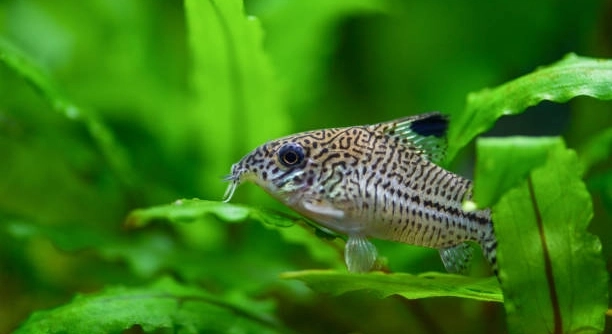
Do your Corydoras often hide or show signs of stress in their tank? It may be time to reassess their environment.
Corydoras catfish feel vulnerable when kept in poorly structured tanks, exposed to bright lighting, or housed without enough companions. Addressing these specific environmental and social needs can significantly reduce stress and help them feel more secure.
Simple adjustments to their tank setup and care routine can make a big difference in how safe and confident they feel each day.
Add More Hiding Spots
Corydoras feel safer when they have plenty of places to hide. Using decorations like caves, driftwood, or dense plants helps them feel protected and encourages natural behavior. A tank with open spaces and no shelter can leave them feeling exposed, increasing their stress levels. When hiding areas are available, they’ll explore more and stay active without fear. It’s also helpful to position the tank in a low-traffic area of the room. Sudden movement or vibrations can make them skittish. Always ensure hiding spots are smooth and safe, without sharp edges that could injure their delicate barbels or bodies.
Providing shelters also helps reduce aggression from tank mates. It gives your Corydoras the option to retreat if they feel threatened or overwhelmed.
Give them at least one hiding area per fish. You can use coconut shells, PVC pipes, or thick moss walls to offer coverage without taking up too much space.
Reduce Strong Lighting
Bright lighting can make Corydoras anxious. They are naturally shy and feel more secure in dim or shaded environments.
Use floating plants or adjustable lighting to create a calmer tank atmosphere. Dim lighting not only reduces stress but also encourages more active behavior during the day. Avoid direct overhead lights or sharp spotlights. Consistent, gentle lighting mimics their natural habitat more closely and allows them to feel safe while exploring. Floating plants like frogbit or water lettuce can also soften the light while adding visual appeal. If your lighting is too strong, consider using a timer or lowering the brightness settings to create a more balanced day and night cycle.
Keep Them in Groups
Corydoras are social and do best when kept in groups of at least six. Keeping fewer can make them feel unsafe. A proper group helps them interact naturally, reducing stress and encouraging more active, confident behavior.
When Corydoras are kept alone or in small numbers, they often stay hidden and inactive. In groups, they form tight shoals, explore together, and show natural foraging habits. It also helps reduce fear-based behavior, especially in community tanks with other species. A larger group gives each individual a sense of security, making them more relaxed in their environment. Their social structure relies on visual and physical contact, so isolation or small numbers can interfere with their normal patterns. You don’t need to overcrowd the tank, but providing enough space for six or more Corydoras can make a noticeable difference in how comfortable they feel.
Use a soft substrate and peaceful tank mates to support their group behavior without stress or interference. Avoid housing them with aggressive species that may disrupt their movements or claim the same bottom space. Even small changes in social structure can affect their well-being, so maintaining a healthy group size supports a balanced, low-stress environment where they can thrive.
Use a Soft, Sandy Substrate
Rough substrates can damage Corydoras’ sensitive barbels, making them feel vulnerable and less likely to forage. A soft sand layer is safer and allows natural digging. It also supports their overall health and keeps them more active during the day.
Corydoras spend most of their time on the bottom of the tank, using their barbels to search for food. A coarse or sharp substrate like gravel can cause injuries and infections, leading to long-term stress. Sand is not only gentler but also easier for them to sift through. It encourages normal scavenging behavior, which keeps them mentally stimulated. Fine sand also prevents food from getting trapped and rotting between larger particles. When switching to sand, rinse it thoroughly to avoid cloudy water. Keep it clean with regular gentle vacuuming to maintain a healthy environment. A comfortable substrate helps reduce their anxiety and allows for more confident movement across the tank.
Keep Water Quality Stable
Corydoras are sensitive to poor water conditions. Sudden changes in temperature, ammonia, or pH can stress them out quickly. Regular water changes and testing help keep things balanced and allow them to stay healthy and relaxed.
Use a gentle filter that doesn’t create strong currents. Corydoras prefer calm water.
Feed Them a Balanced Diet
Feeding a mix of sinking pellets, frozen foods, and the occasional vegetable helps them stay healthy and feel secure. When Corydoras have enough food, especially protein-rich options like bloodworms or brine shrimp, they are more active and confident. Uneaten food can pollute the tank, so avoid overfeeding. Feed them once or twice a day in small amounts they can finish within a few minutes. Make sure food reaches the bottom where they feed. Observing their feeding behavior also helps catch early signs of stress or illness. A consistent feeding schedule helps them feel safe and settled in their environment.
Avoid Loud Noises Nearby
Vibrations from loud TVs, speakers, or banging furniture can stress Corydoras. Keep their tank in a quieter area.
FAQ
How many Corydoras should I keep together?
Corydoras are schooling fish and feel safest in groups. Keeping at least six together is best. Smaller groups can make them stressed and less active. In a group, they show more natural behavior, interact with each other, and explore the tank more confidently. Larger groups can also help reduce skittish behavior, especially in tanks with other species. If your tank allows, keeping even more than six can further improve their well-being.
Can Corydoras live with other fish?
Yes, Corydoras can live peacefully with many community fish. They do well with calm, non-aggressive species like tetras, guppies, or rasboras. Avoid pairing them with large or aggressive fish that might pick on them or outcompete them for food. Always monitor how the tank mates interact and make sure your Corydoras aren’t being bullied or pushed away from food. Corydoras are bottom dwellers, so choosing tank mates that stay in the middle or top levels helps reduce competition.
What temperature is best for Corydoras catfish?
Corydoras prefer stable temperatures between 72°F and 78°F (22°C to 26°C). Sudden changes can cause stress and weaken their immune system. Using a reliable heater and thermometer helps keep the water consistent. Avoid placing the tank near windows or vents that could lead to temperature swings. Even a few degrees of fluctuation in a short time can affect their comfort and behavior.
How can I tell if my Corydoras are stressed?
Signs of stress in Corydoras include hiding constantly, rapid gill movement, loss of appetite, or darting around the tank. If they’re staying still for long periods or gasping at the surface, something may be wrong. Check water quality, tank mates, lighting, and temperature. Make gradual adjustments if needed. Observing them daily can help catch small problems early.
Do Corydoras need a lot of space?
Corydoras are small, but they still need enough space to move around in groups. A 20-gallon tank is a good starting size for six Corydoras. If you’re adding more or keeping other fish, a larger tank is better. They like open swimming areas and hiding spots, so a long tank layout works best.
How often should I feed my Corydoras?
Feed Corydoras once or twice a day. Give them food they can finish in about 2–3 minutes. Sinking pellets are ideal since they feed at the bottom. You can also offer frozen or live treats like bloodworms. Avoid overfeeding, as uneaten food can spoil water and cause stress.
Why do my Corydoras sometimes dash to the surface?
Corydoras have the ability to breathe air from the surface, which is normal behavior. However, if they do this often, it could mean low oxygen levels in the water. Check your filter, aeration, and water temperature. Warmer water holds less oxygen, so cooler tanks may help.
Is gravel okay for Corydoras?
Gravel isn’t ideal because it can damage their barbels. A soft sand substrate is safer and lets them sift through it naturally while feeding. Sand also reduces the risk of bacterial infections from injuries. If you already have gravel, consider switching to fine sand to keep them healthier and more comfortable.
Do Corydoras need hiding spots?
Yes, hiding spots help them feel safe. Use plants, driftwood, rocks, or small caves. These give them places to retreat and rest without feeling exposed. When they feel secure, they behave more naturally and stay healthier overall. Make sure all decor is smooth and free of sharp edges.
Can I keep different types of Corydoras together?
Different Corydoras species can live together peacefully, especially if their care needs are similar. They may not shoal as tightly as a single-species group, but they still benefit from each other’s presence. Just make sure your tank has enough space and hiding areas for all of them.
Final Thoughts
Corydoras catfish are peaceful, active fish that enjoy living in groups and exploring their environment. Helping them feel less vulnerable starts with understanding their basic needs. They rely on stable water conditions, soft substrate, calm surroundings, and plenty of places to hide. A good diet, proper tank mates, and a quiet location also make a big difference. These simple adjustments not only reduce stress but also help them stay active, healthy, and social. When they feel safe, you’ll see more natural behaviors like foraging, playful swimming, and resting together.
Taking care of Corydoras doesn’t require anything too complex. What they need most is consistency and a little attention to detail. Regular water checks, appropriate feeding habits, and thoughtful tank setups go a long way in creating a safe space for them. Even things like using a soft sand bottom or adding extra plants can improve their comfort and well-being. Watching their habits can help you notice early signs of stress or discomfort. Addressing those signs early can prevent larger problems and keep your Corydoras feeling secure and happy in their tank.
Providing a safe and supportive home for your Corydoras is about making small, steady improvements that match their natural behavior. Each of the seven methods shared helps create a calmer environment where they can thrive. They are social, curious, and sensitive fish, and a well-planned tank setup helps them feel more at ease. Whether you’re new to keeping Corydoras or already have experience, these steps help build a stable, low-stress home for them. With the right care, they will reward you with peaceful behavior, healthy activity, and a stronger connection to their environment.

Hello,
If you enjoy the content that we create, please consider saying a "Thank You!" by leaving a tip.
Every little bit helps us continue crafting quality advice that supports the health, happiness, and well-being of pets around the world, for pets of all shapes, sizes, and species.
We really appreciate the kindness and support that you show us!