
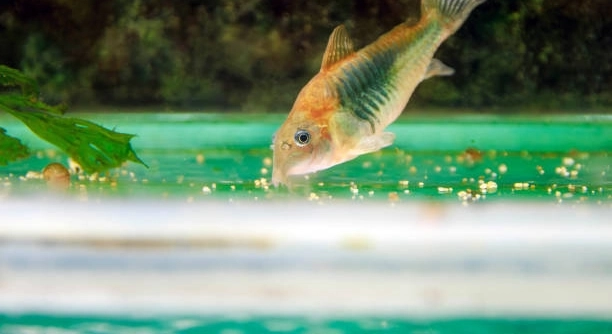
Corydoras catfish are popular aquarium fish loved for their peaceful nature. However, like all pets, they can get sick from time to time. Recognizing the signs of illness in these fish is important to ensure they stay healthy and happy.
The best way to tell if your Corydoras catfish is sick is by observing changes in its behavior, physical appearance, or swimming habits. Common signs include unusual swimming patterns, lack of appetite, discoloration, and lesions on the skin.
Understanding these key indicators can help you spot any problems early. The following article will guide you through the signs to watch for and how to take action when needed.
Common Signs of Sickness in Corydoras Catfish
Corydoras catfish are generally hardy fish, but they can still become ill under certain conditions. Changes in their behavior or physical appearance often indicate something is wrong. If you notice your catfish staying at the surface more than usual, swimming erratically, or hiding frequently, these could be signs of distress. In some cases, they may become lethargic or stop eating altogether. Changes in the color of their skin or fins, such as fading or darkening, should also be monitored closely.
If you spot these signs early, you can act quickly to prevent further issues. The sooner you recognize a problem, the easier it is to treat it and keep your fish healthy. Keep a close eye on your catfish’s movements and appearance regularly to stay ahead of any potential health concerns.
A healthy Corydoras is active and engages in normal behaviors like scavenging on the tank floor. When they become sick, they may exhibit changes in these patterns. It’s important to regularly observe their habits and check for any signs of abnormality. Early detection helps reduce stress for both the fish and the owner.
Poor Appetite or Lack of Eating
A decrease in appetite is one of the earliest signs of illness in Corydoras catfish. If your fish is not eating as usual, it’s essential to assess other health indicators as well. This could be a sign of stress, water quality issues, or a bacterial infection.
Loss of appetite can result from poor water conditions, such as incorrect temperature or high levels of ammonia or nitrites. If these issues are not addressed quickly, they can worsen the fish’s health. It’s also important to consider changes in diet or feeding habits, as certain foods may not appeal to your catfish when they are sick.
To improve the situation, begin by checking the water quality. Corydoras are sensitive to poor water conditions, so adjusting temperature or cleaning the tank could solve the issue. In some cases, switching to a different type of food or offering live food may stimulate your catfish’s appetite. If the problem persists, consulting a veterinarian familiar with fish health is a good next step.
Abnormal Swimming Behavior
If your Corydoras catfish starts swimming in unusual patterns, it might be a sign of illness. You may notice it swimming erratically, in circles, or at the surface more than usual. Such behavior often indicates stress or discomfort.
Often, poor water conditions can trigger abnormal swimming. If ammonia or nitrites are too high, your fish will struggle to swim normally. Another reason could be injuries or infections that affect their ability to move smoothly. Watching for these changes can help identify when your catfish is under distress.
Ensure that your tank’s water parameters are optimal, and monitor your fish closely for any changes. Sometimes, an infection or parasite may cause the fish to swim abnormally. If the odd behavior persists, it’s important to act quickly by improving water quality and seeking treatment if necessary.
Visible Skin Changes
Corydoras catfish are generally known for their smooth, shiny scales. When their skin begins to look abnormal, it’s a clear sign something is wrong. You may notice discoloration, lesions, or even sores on their body.
These changes could be due to a number of factors. It may be caused by an infection, parasite, or fungal growth. Poor water quality can also cause skin irritation, leading to visible signs of distress. If your catfish’s skin looks faded or discolored, take a closer look at their environment to rule out water-related issues.
One common condition in Corydoras catfish is ich, a parasitic infection that creates small white spots on the skin. If your fish develops lesions or open sores, it’s crucial to treat the tank water immediately to prevent further spread of infection. Regular water changes and careful observation of your fish can help you address any skin-related problems.
Loss of Balance
Corydoras catfish are known for their stable, graceful swimming. If they begin to lose their balance, it’s a clear sign of trouble. This could manifest as constant flipping, tipping, or difficulty staying upright.
When your catfish has trouble balancing, it’s often due to a bacterial or parasitic infection. In some cases, internal organ issues or swim bladder problems can also affect their ability to stay balanced in the water. Poor water conditions, such as incorrect temperature or water chemistry, can contribute to these issues.
Pay attention to the way your catfish moves, and if it struggles to stay upright, consider checking your tank’s water parameters and reviewing the fish’s overall health.
Rapid Gasping or Breathing Issues
If you notice your Corydoras catfish gasping at the surface or breathing heavily, it’s an indication that something is wrong. This behavior usually points to low oxygen levels, water contamination, or gill problems.
Ensure your tank has proper filtration, aeration, and water circulation. Low oxygen levels are often caused by overcrowding, poor water movement, or high ammonia levels. Sometimes, a parasitic infection can affect the gills, making it difficult for your catfish to breathe properly. A sudden increase in breathing rate should prompt immediate water checks and possible changes.
Swollen or Bloated Belly
A swollen or bloated belly in Corydoras catfish can be caused by internal infections, constipation, or even overfeeding. This can make your fish look unusually round and could affect its behavior.
It’s important to carefully monitor their eating habits. Overfeeding can lead to constipation or digestive issues, which can make your catfish feel uncomfortable and lead to bloating. However, if your fish is swollen and not eating or behaving normally, it might be a sign of internal parasites or infection, and further investigation is necessary.
FAQ
How can I tell if my Corydoras catfish is stressed?
Stress in Corydoras catfish is often visible through behavioral changes. If your fish is hiding more often, swimming erratically, or rubbing against objects in the tank, it may be stressed. Stress can be caused by sudden changes in water conditions, poor tank mates, or inadequate hiding spots. You should address the root cause by checking water quality, ensuring the tank environment is suitable, and observing the interactions between your fish and its tank mates.
What are the signs of a Corydoras catfish having an infection?
Infections in Corydoras catfish can manifest in different ways. Look for lesions, swelling, or discoloration on the skin. If your fish starts swimming oddly, has trouble breathing, or refuses to eat, these could be signs of infection. Common infections include bacterial, fungal, or parasitic, each showing different symptoms. A thorough check of the water quality and immediate treatment with appropriate medication is recommended to treat these issues.
Why is my Corydoras catfish swimming at the surface?
Corydoras catfish are bottom dwellers and typically prefer staying near the substrate. If your fish is swimming at the surface or gasping for air, it could indicate a problem with oxygen levels in the tank. Poor filtration, overcrowding, or insufficient aeration can cause low oxygen levels. Another possible reason is poor water quality, including high levels of ammonia or nitrites. Ensure the tank is well-ventilated and the filtration system is running efficiently to avoid this issue.
How do I improve the water quality for my Corydoras catfish?
To improve water quality for your Corydoras catfish, maintain proper filtration, keep the water temperature stable, and conduct regular water changes. The water should be clean, with pH levels, hardness, and ammonia levels kept within safe ranges. Corydoras are sensitive to water conditions, so it’s essential to check the water parameters frequently, especially after adding new fish or making changes to the tank. Regular tank cleaning, such as removing debris and vacuuming the substrate, is also crucial.
Can Corydoras catfish live with other fish?
Yes, Corydoras catfish are peaceful and generally do well with other non-aggressive species. They thrive in community tanks with fish that are not too large or territorial. Avoid housing them with fin-nippers or aggressive species. It’s best to keep them with other peaceful bottom dwellers, like tetras, rasboras, or small livebearers. Be mindful of the tank size and the overall tank dynamics to ensure everyone gets along.
What should I feed my Corydoras catfish?
Corydoras catfish are omnivores and enjoy a variety of foods. A balanced diet should include sinking pellets, live or frozen foods such as bloodworms, brine shrimp, and vegetables like blanched spinach or zucchini. They also appreciate occasional protein-based foods, but it’s important not to overfeed. Feed them small amounts two to three times a day to prevent water contamination. Make sure the food reaches the bottom of the tank, as Corydoras are bottom feeders.
How can I treat a sick Corydoras catfish?
To treat a sick Corydoras catfish, first identify the symptoms and isolate the affected fish if necessary. If the issue seems related to water quality, perform a partial water change and check the water parameters. For infections, use an appropriate aquarium medication based on the type of illness. If you suspect a parasite, consider using anti-parasitic treatments. Always follow the medication instructions and monitor the fish closely for any changes in behavior or condition. It may be helpful to consult an aquarium specialist or veterinarian if you’re unsure of the diagnosis.
Why is my Corydoras catfish staying at the bottom of the tank?
Corydoras catfish are naturally bottom-dwelling fish, so staying at the bottom of the tank is normal behavior. However, if the fish is not moving, is lethargic, or appears to be hiding more than usual, it could be a sign of illness or stress. Check the water conditions and look for signs of infection, injury, or parasites. If the fish is healthy but still inactive, it may simply be resting or staying out of the way of more active tank mates.
Can Corydoras catfish jump out of the tank?
Corydoras catfish are not known for jumping, but they can occasionally leap out of the tank, especially if they are startled or if the tank lid is not securely in place. To prevent this, ensure your tank is covered with a well-fitted lid or mesh top. Even though they are not high jumpers, Corydoras will explore the water surface if they feel threatened, and an open tank could lead to accidental escapes. Always ensure the tank’s environment is safe for your fish.
How do I know if my Corydoras catfish is pregnant?
Corydoras catfish don’t technically get “pregnant” in the way some fish do, but females can carry eggs after mating. A pregnant female will appear slightly rounder than usual, especially around the belly. You may also notice her becoming more active or seeking out a spot to lay her eggs, such as on a flat surface in the tank. Male Corydoras will chase the female, and once the eggs are laid, they will be fertilized. If you’re breeding Corydoras, ensure that you have a separate breeding tank to prevent other fish from eating the eggs.
Final Thoughts
Corydoras catfish are generally hardy and low-maintenance fish that can thrive in a well-maintained tank. However, like all pets, they can experience health issues from time to time. Recognizing the early signs of sickness is crucial for preventing more serious problems. By being observant and understanding what to look for, you can keep your Corydoras healthy and happy. Regularly monitoring water quality, behavior, and physical appearance will help you spot any signs of distress early on.
The key to keeping your Corydoras catfish healthy lies in maintaining a stable environment. Good water quality is essential for their well-being. Make sure to check the water’s temperature, pH, ammonia, and nitrite levels regularly. If you notice any issues with these, adjust the tank conditions as needed. In addition to water quality, it’s important to feed them a balanced diet. Overfeeding can lead to health problems, so it’s better to provide smaller, more frequent meals. Also, keep an eye on their behavior and swimming patterns. If they become lethargic, stop eating, or start showing signs of illness, act quickly to address the problem.
If you follow these simple steps and stay vigilant, your Corydoras catfish should thrive. Regular tank maintenance, attention to diet, and early detection of illness are all part of providing the best care for your fish. Although Corydoras are tough little fish, they still require the right conditions to live a long, healthy life. By knowing what to look for and how to respond, you’ll be able to provide the best care for your fish and ensure they continue to enjoy their peaceful life in your aquarium.

Hello,
If you enjoy the content that we create, please consider saying a "Thank You!" by leaving a tip.
Every little bit helps us continue crafting quality advice that supports the health, happiness, and well-being of pets around the world, for pets of all shapes, sizes, and species.
We really appreciate the kindness and support that you show us!