
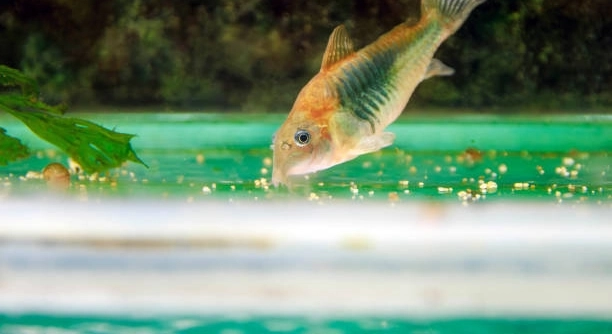
Corydoras catfish are known for their playful and social nature. As with other fish, understanding their behavior can be fascinating. Their interactions with their environment, including their owners, may leave you wondering about their memory and recognition capabilities.
Corydoras catfish have limited memory, and while they may recognize familiar faces, their memory spans are short. They are not capable of forming lasting bonds like some pets, but they may associate certain stimuli with feeding or safety.
These small creatures rely heavily on their surroundings for survival. Understanding their behavior helps enhance their well-being and interaction with their environment.
The Memory Capabilities of Corydoras Catfish
Corydoras catfish have an interesting approach to memory. Unlike more complex animals, their memory isn’t designed for long-term relationships. They have basic cognitive abilities that help them navigate their environment. Fish like these typically rely on simple associations, like linking a person’s presence with feeding time. This means while they may recognize a familiar face, their memory doesn’t last long enough for lasting bonds to form.
Memory in fish is short, but it can be effective enough to establish routines. These fish have been known to remember feeding times or associate certain areas of their tank with safety. However, they lack the capacity to remember their owners or surroundings for extended periods.
Their memories might last for a few minutes to an hour at best, which is why they won’t react the same way as more complex pets like dogs. The fact that they can form associations with food or safety helps them survive, but it doesn’t mean they will remember you beyond that. It’s important to note that these fish, though social, don’t form emotional attachments the way some other pets do.
Recognizing Their Owners
Corydoras catfish are not known for recognizing their owners in a deep, meaningful way. They may remember your presence for short periods.
However, the recognition they display is mostly based on immediate needs, such as food. While they can associate you with feeding, they won’t bond like a dog might. Their brains are simply not built for such emotional connections. Understanding this can make it easier to appreciate their unique behavior.
Their ability to recognize faces is limited. Still, they may react to the sound or sight of a person who consistently feeds them. This is more about routine and habit than actual memory. It’s an interesting survival mechanism that allows them to thrive in their tank. They might swim to the surface when they hear you approaching, expecting a meal.
How Corydoras Catfish Interact with Their Environment
Corydoras catfish are highly sensitive to their surroundings. They rely on their environment for food, shelter, and protection. Their social nature helps them feel secure in a group. By staying close to others, they reduce the risks posed by predators.
The catfish’s social behavior is more about survival than emotional connection. They seek safety by staying together in groups. These fish may display behavior like swimming in synchrony, especially in response to perceived threats. This instinctive behavior is crucial for minimizing danger. Being in a group also provides opportunities for foraging, as they search for food along the tank floor.
Their interactions with their environment are based on learned associations, primarily related to safety and food. This reliance on environmental cues helps them navigate the tank. They also display a level of curiosity, often exploring different areas for food or shelter. Understanding this aspect of their behavior shows how these fish use their environment for both safety and nourishment.
Feeding and Routine
Corydoras catfish can form basic routines around feeding times. While they may not have long-term memories, they can remember when and where they are fed. This short-term memory helps them associate certain actions with getting food.
They might swim to the surface or approach the area where they are regularly fed. This pattern isn’t about emotional attachment but about conditioning. Their ability to recall this routine is crucial for their survival. The timing of feeding helps them anticipate food, ensuring they don’t miss out on essential nutrients. Regular feeding also encourages their social behavior, as they gather together in anticipation of the next meal.
However, once the routine ends, their memory of the event fades quickly. While their interactions with you may be brief, their behavior is influenced by the association with feeding times. It’s a practical survival mechanism, one that helps them thrive in both wild and captive environments.
Social Behavior and Group Dynamics
Corydoras catfish thrive in groups. Their social behavior is crucial for their sense of security. They often remain close to others for protection. This group dynamic helps them feel safe from predators and gives them opportunities to forage together.
When kept in groups, they display comfort and less stress. It’s natural for them to swim in schools, moving together as a unit. This behavior is vital to their well-being. In a group, they can easily adapt to changes in their environment. They communicate with each other through movements and body language, helping maintain the group’s cohesion.
Interaction with Other Fish
Corydoras catfish are peaceful and non-aggressive. They often coexist well with other species in community tanks. Their calm nature makes them ideal tank mates for other fish.
Their ability to avoid conflict is due to their peaceful behavior. They are more focused on foraging and staying close to their group than engaging with other species. This makes them less likely to disrupt the harmony of a community tank. Their interactions with other fish are generally neutral, as they prefer to keep to themselves and avoid confrontation.
How to Maintain Their Health
To maintain a healthy environment for your Corydoras catfish, ensure the water remains clean. Regular water changes are essential to avoid toxins. A stable temperature and pH level will help them thrive.
These catfish are sensitive to water conditions. Sudden changes can cause stress or illness. Proper filtration and regular checks of water quality are necessary to keep the tank environment stable. It’s also essential to provide a variety of hiding spots, as these catfish enjoy exploring and retreating to safe spaces when needed.
FAQ
Do Corydoras catfish recognize their owners?
Corydoras catfish do not have the ability to recognize their owners in the way pets like dogs or cats do. Their memory is short-term, and while they may associate you with feeding, they won’t remember you after a few minutes. They respond to the presence of familiar stimuli, like the sound of you approaching or the appearance of food, but they do not form lasting bonds.
How do Corydoras catfish communicate?
Corydoras catfish communicate primarily through body movements and behaviors. They swim together in groups for safety, using synchronized movements to stay united. They also interact with their surroundings, such as using their barbels to feel for food on the substrate. These small fish do not vocalize but communicate through subtle actions that help maintain group cohesion and safety.
What is the best tank setup for Corydoras catfish?
A well-maintained tank with soft, fine substrate is ideal for Corydoras catfish. They like to forage along the bottom, and a fine substrate prevents injury to their barbels. Additionally, a well-filtered tank with stable water conditions (temperature around 72–79°F and pH between 6.0 and 7.5) helps them thrive. It’s also important to include plenty of hiding spaces, such as caves or plants, for them to retreat to when needed.
How often should I feed my Corydoras catfish?
Corydoras catfish should be fed once or twice a day. They are bottom feeders, so they enjoy sinking pellets or food that sinks to the substrate. It’s important to provide a varied diet that includes high-quality sinking pellets, frozen or live foods like bloodworms, and occasional vegetables like blanched spinach. Overfeeding should be avoided to maintain clean water conditions.
Can Corydoras catfish live with other fish?
Yes, Corydoras catfish are peaceful and can live with many other species. They do best in community tanks with calm, non-aggressive fish. They can live with species like tetras, rasboras, and other small peaceful fish. It’s important to avoid aggressive or overly large species that could harm or stress them. Corydoras catfish thrive when kept in schools of at least six, as they feel more secure in numbers.
Do Corydoras catfish need a heater?
Yes, Corydoras catfish do best in warm water. A heater is recommended to maintain a stable temperature between 72°F and 79°F. Sudden drops or fluctuations in temperature can stress them and lead to illness. Ensuring that the water temperature remains constant is important for their health and well-being.
How do I know if my Corydoras catfish is healthy?
Healthy Corydoras catfish will be active, swimming at the bottom of the tank and foraging for food. They should have clear eyes, a smooth body, and no signs of lesions or damage. Watch for any changes in behavior, such as lethargy, difficulty swimming, or refusal to eat, as these could indicate stress or illness. Additionally, healthy catfish should have vibrant color, and their barbels should be intact.
Why is my Corydoras catfish hiding all the time?
Hiding can indicate stress or discomfort. If your Corydoras catfish is constantly hiding, it may be feeling unsafe or unwell. This could be due to aggressive tankmates, water quality issues, or sudden changes in its environment. Check for signs of illness and ensure that the tank conditions are stable. Adding more hiding spots or adjusting the tank environment may help them feel more secure.
Can Corydoras catfish live alone?
While Corydoras catfish can technically live alone, they are social creatures and do much better in groups. It’s recommended to keep at least six Corydoras together to allow them to exhibit their natural social behaviors and feel safe. Without companions, they may become stressed, which can negatively affect their health and behavior.
How do I maintain water quality for Corydoras catfish?
Maintaining water quality is crucial for the health of your Corydoras catfish. Regular water changes of 25–30% every one to two weeks are essential. Use a good filtration system to keep the water clean and ensure that nitrate and ammonia levels stay low. Monitoring the tank’s pH, temperature, and hardness is also important for their health. Test the water regularly to ensure it remains within the ideal parameters for these fish.
What are the signs of a stressed Corydoras catfish?
Stress in Corydoras catfish can manifest in several ways. A stressed catfish may display erratic swimming, hiding more often than usual, or failing to eat. It may also appear lethargic or lose its vibrant color. Stress can be caused by poor water quality, aggressive tankmates, sudden changes in temperature, or overcrowding. If your fish exhibits these behaviors, it’s important to identify the cause and address it immediately.
How do I breed Corydoras catfish?
Breeding Corydoras catfish is possible with the right environment and care. To encourage breeding, ensure the water temperature is between 74°F and 78°F, and keep the water clean. Providing a fine substrate allows the fish to lay eggs, and creating a separate breeding tank may help protect the eggs from other fish. The female will lay eggs on surfaces like plants or tank glass, and the male will fertilize them. After fertilization, the eggs should hatch in 4–6 days, and the fry can be fed a diet of finely crushed food or special fry food.
Final Thoughts
Corydoras catfish are fascinating creatures with simple yet distinct needs. While they may not form deep bonds like some other pets, they are social animals that benefit greatly from being in groups. Their peaceful nature makes them ideal for community tanks, and they thrive in environments where they feel safe and secure. Proper care, including maintaining clean water and providing enough hiding spots, will ensure that these catfish stay healthy and active. With the right tank setup and attention, Corydoras catfish can be a charming and low-maintenance addition to any aquarium.
One important aspect of keeping Corydoras catfish is understanding their behavior. They are not solitary creatures and should be kept in groups to promote well-being. These catfish are bottom dwellers and will spend a significant amount of time foraging for food on the tank substrate. They are calm and non-aggressive, which makes them compatible with a variety of peaceful tankmates. However, they can be sensitive to water conditions, so maintaining stable temperature and pH levels is crucial. By meeting these needs, you can avoid stress and help your Corydoras catfish thrive in a balanced environment.
Overall, caring for Corydoras catfish does not require a lot of complex care routines, but it does involve paying attention to the details that ensure their comfort and safety. Regular water changes, stable environmental conditions, and appropriate tank mates are essential for their well-being. With these factors in place, you can enjoy watching your Corydoras catfish interact in the tank, displaying their social behavior and peaceful nature. When kept in a proper environment, these catfish can live healthy, active lives and bring a touch of tranquility to your aquarium.

Hello,
If you enjoy the content that we create, please consider saying a "Thank You!" by leaving a tip.
Every little bit helps us continue crafting quality advice that supports the health, happiness, and well-being of pets around the world, for pets of all shapes, sizes, and species.
We really appreciate the kindness and support that you show us!