
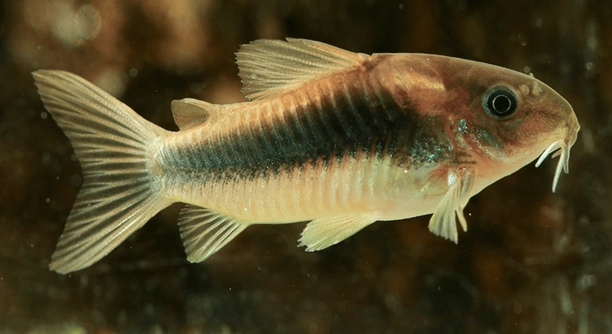
Is your Corydoras catfish rubbing itself against rocks and plants more often than usual in your aquarium setup at home?
The most common reason Corydoras catfish rub against rocks and plants is due to skin irritation caused by poor water quality, parasites, or stress. These behaviors are typically a sign of discomfort that requires immediate attention.
Understanding the causes behind this behavior can help improve your fish’s environment and overall well-being moving forward.
Parasites or Skin Irritation
Corydoras catfish rubbing against surfaces could be a sign of parasites irritating their skin or gills. These parasites are often introduced through new tank mates, live food, or contaminated water. If your fish appears more restless, is flicking its fins, or has dull patches on its body, these could be early signs of an issue. Regular water changes and quarantining new additions can help prevent these outbreaks. A microscopic check or medication may be necessary to treat the problem. Left untreated, parasites can cause long-term damage and compromise the fish’s immune system over time.
Maintain stable water parameters and test weekly. Treat with antiparasitic medications if rubbing continues.
If you’re seeing repeated rubbing after introducing new fish or food, consider that something foreign may have brought in parasites. Quick isolation of affected fish and cleaning your tank can stop further spread. Use a reputable medication based on symptoms for best results.
Poor Water Quality
Sudden shifts in pH, ammonia spikes, or high nitrate levels can cause discomfort. Fish respond to this by rubbing or flashing.
Water quality plays a major role in keeping Corydoras healthy. Even if your tank looks clean, invisible imbalances can irritate your fish. Regular testing for ammonia, nitrite, nitrate, and pH is essential. A filter that’s too small, infrequent water changes, or overcrowding can lead to rapid shifts that stress the fish. Rubbing is their way of trying to find relief. Try changing 20–30% of the water weekly, checking all readings after any adjustments, and making sure your filter is strong enough for your tank size. Adding live plants can also help balance water chemistry. A good routine keeps their environment stable and gives them less reason to show signs of discomfort.
Territorial Behavior
Some Corydoras may rub against surfaces during territorial disputes or when adjusting to new tank mates. This is especially common in smaller tanks where space is limited or hiding spots are few. Mild aggression or competition can trigger rubbing as a stress response.
If you recently added new fish or rearranged the tank, your Corydoras might be reacting to the changes. Rubbing could be a result of establishing dominance or simply feeling unsettled in a tighter environment. Ensure there’s enough space for each fish to claim its own area. Adding extra hiding spots using plants, rocks, or decorations can reduce stress. When fish feel more secure, they are less likely to engage in territorial displays like rubbing. Also, try to keep Corydoras in proper-sized groups, as they’re more peaceful and balanced when in schools of six or more.
Even peaceful species like Corydoras need room to feel safe. Overcrowding causes stress, leading to unusual behavior like rubbing. Make sure your tank size is appropriate for the number of fish. A 20-gallon tank is a good starting point for a small school. Provide multiple caves or shaded areas where they can rest without being disturbed. Monitor for signs of bullying and redistribute tank features if needed.
Sand Irritation
Fine gravel or sharp substrate can cause physical discomfort, especially for Corydoras that constantly sift through the bottom with their barbels. A rough substrate may scratch their bodies, causing them to rub on nearby surfaces for relief.
Corydoras thrive best with soft, sandy substrate. Their barbels are sensitive and can become damaged from rough or sharp gravel. If you notice fraying or shorter barbels, your substrate may be part of the problem. Switching to smooth aquarium sand reduces friction and keeps them comfortable while they forage. Avoid using substrates with large, jagged grains. Also, keep the sand clean by gently vacuuming debris during water changes. Bacteria buildup in dirty substrate can irritate their skin too. Regular upkeep and the right substrate type make a big difference. Your Corydoras will appear more relaxed and active, and you’ll likely see a decrease in rubbing or scraping behaviors.
Stress from Sudden Changes
Moving decorations, changing water temperature too quickly, or rearranging plants can stress Corydoras. When stressed, they may rub against surfaces to soothe themselves or react to discomfort. Keep their environment stable and changes gradual whenever possible.
Even bright lighting or loud noises near the tank can cause stress. Try covering part of the tank or placing it in a calmer area of your home.
Chemical Irritants in the Water
Chemical residues from cleaning products, untreated tap water, or aquarium medications can irritate Corydoras’ sensitive skin and gills. These irritants often trigger rubbing or flashing behavior. Always dechlorinate new water and rinse any equipment or decorations before adding them to the tank. Avoid scented or soapy items near the tank.
Boredom or Lack of Stimulation
Corydoras are active and curious fish. If the tank lacks variety, they may rub or show unusual behaviors out of boredom. Try rotating décor or adding live plants and driftwood for enrichment.
FAQ
Why is my Corydoras rubbing but still eating normally?
Rubbing without other major symptoms, like loss of appetite or lethargy, might suggest a mild irritation rather than a serious illness. This could be due to slightly off water parameters, early signs of parasites, or rough substrate. Even if they’re eating well, it’s worth checking ammonia, nitrite, and pH levels. Watch closely for any additional signs, like redness, clamped fins, or barbel damage. If rubbing persists beyond a few days, consider a preventive treatment with a general parasite medication. Minor stress can develop into larger health problems if ignored for too long, even in active eaters.
Can Corydoras hurt themselves by rubbing too much?
Yes, excessive rubbing can lead to skin abrasions, damaged barbels, or stress-related illnesses. If the behavior is frequent and forceful, it’s a signal that something in their environment is wrong. Rough rocks, poor water quality, or parasites can all contribute. Damaged barbels make it harder for Corydoras to forage, which affects their feeding habits long-term. Over time, repeated rubbing may lower their immune response, making them more prone to infections. Catching and resolving the cause early prevents injury and helps keep your fish healthy and active. Frequent rubbing should never be ignored or dismissed as normal.
How do I check if parasites are the cause?
Start by observing the behavior of all your fish. If multiple fish are rubbing or flashing, that increases the likelihood of parasites. Look closely for tiny white spots, excess mucus, or changes in skin texture. If you have a microscope, you may be able to detect external parasites through a skin scrape (though this should only be done if you’re confident and careful). For most hobbyists, the easiest step is to isolate the affected fish and treat the whole tank with a broad-spectrum anti-parasitic medication. Also, clean your equipment and avoid introducing unquarantined fish.
Should I worry if only one Corydoras is rubbing?
It’s not always serious, but it shouldn’t be ignored either. A single fish rubbing occasionally might be reacting to something specific—such as a minor scrape, early irritation, or stress. Begin by checking the water quality and substrate. If it continues and the rest of the fish remain unaffected, monitor the rubbing individual for signs of infection or injury. It’s possible they’re simply more sensitive or reacting to something before the others. If the behavior becomes more frequent or spreads to other fish, act quickly to resolve the issue.
Can rubbing be caused by overfeeding or poor diet?
Overfeeding can lead to dirty water, which in turn causes rubbing. Excess waste increases ammonia and nitrate levels. While food itself doesn’t usually cause rubbing directly, poor diet weakens the fish’s immune system. If your Corydoras aren’t getting enough variety, they may become more sensitive to irritants. Stick to high-quality sinking pellets, supplemented with blanched veggies or frozen foods like bloodworms. Always feed small portions that are eaten quickly, and remove leftovers. A clean, balanced environment supports both digestive health and overall comfort.
How long should I wait before treating my fish?
If you’ve already checked and corrected water quality and the fish is still rubbing after 48–72 hours, it’s time to act. Don’t delay if you notice other symptoms like discoloration, fin clamping, or listlessness. Mild cases can quickly become more serious, especially in small or heavily stocked tanks. If you’re unsure of the exact cause, start with general treatments like a mild anti-parasitic or a salt bath (only if your tank mates can tolerate it). Just make sure to follow dosage instructions and remove activated carbon from the filter during treatment.
Can stress alone really cause rubbing?
Absolutely. Corydoras are sensitive to stress from noise, frequent movement near the tank, overcrowding, or even sudden light changes. While stress might seem harmless at first, it impacts their immune system and makes them more reactive to minor irritants. This is why a peaceful, stable environment matters. Something as simple as moving the tank near a TV or a door can lead to strange behaviors like rubbing. Make sure their surroundings are calm, their tank mates are peaceful, and they have places to rest and hide. Reducing stress often improves rubbing behavior.
Final Thoughts
When your Corydoras catfish starts rubbing against rocks or plants, it can be easy to overlook. Sometimes, it’s just a minor reaction to changes in the tank. Other times, it’s a sign that something more serious is going on. Understanding the possible reasons—like poor water quality, parasites, or stress—can help you take action quickly. Paying close attention to their behavior is one of the best ways to spot problems early. Even small changes in how they swim, eat, or interact with their surroundings can tell you a lot about their health and comfort.
Keeping a clean and stable environment is key. Make it a habit to check your water parameters regularly, especially after water changes or the introduction of new fish. Always rinse new decorations or plants before placing them in the tank. Use gentle, rounded substrate to protect their sensitive barbels, and make sure your tank mates are peaceful and not causing stress. Try not to overfeed, and remove leftovers to avoid extra waste building up in the water. If rubbing continues after checking all these things, consider treating for parasites or asking for help from a vet who understands fish care.
Corydoras are peaceful, bottom-dwelling fish that thrive in calm, well-maintained tanks. They are usually very active and curious, so when something seems off, it’s worth taking seriously. Rubbing may not always mean something is wrong, but it’s better to investigate than to wait and see. The sooner you respond, the easier it is to help your fish recover and return to their usual behavior. Staying on top of their needs not only helps stop rubbing but also builds a better environment for all your fish. With a little care and attention, you can keep your Corydoras happy, healthy, and comfortable in their home.

Hello,
If you enjoy the content that we create, please consider saying a "Thank You!" by leaving a tip.
Every little bit helps us continue crafting quality advice that supports the health, happiness, and well-being of pets around the world, for pets of all shapes, sizes, and species.
We really appreciate the kindness and support that you show us!