
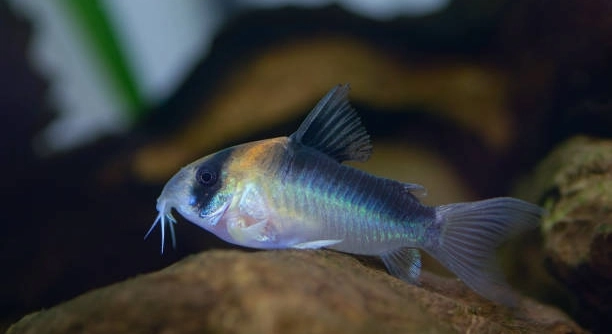
Corydoras catfish are known for their active behavior, often swimming up and down the tank’s glass. This movement can be both fascinating and concerning for aquarists. Understanding the reasons behind this behavior can help ensure your fish’s well-being.
The most common cause of this repetitive swimming is stress or discomfort, often due to poor water conditions, inadequate tank size, or incompatible tank mates. Ensuring optimal water quality, space, and social environment can help reduce this behavior.
Addressing these key factors will improve your fish’s health and reduce unnecessary stress, making their environment more suitable.
Stress from Poor Water Conditions
Corydoras catfish are sensitive to water quality. If the water is dirty, too warm, or lacks oxygen, they will often exhibit erratic behavior, such as swimming up and down the tank glass. These fish thrive in clean, well-maintained tanks. It’s crucial to monitor water parameters such as ammonia, nitrite, nitrate levels, and pH regularly. If any of these levels are off, it can cause stress, prompting the fish to swim excessively. Proper filtration, regular water changes, and maintaining consistent temperature and oxygen levels will help prevent this behavior.
A stable and healthy tank environment is key to reducing stress. Regular cleaning and monitoring water conditions can make a significant difference.
Stress can also come from rapid changes in water temperature, making it important to ensure gradual adjustments when needed. A reliable heater and thermometer help maintain stability, which is vital for your Corydoras’ health.
Inadequate Tank Size
Corydoras need plenty of swimming space to stay active and comfortable. A tank that is too small limits their movement, leading to stress. These fish are social, so they also need to have enough room to interact with other fish without feeling crowded. It’s recommended to have a tank of at least 20 gallons for a small group of Corydoras. If the tank is too cramped, they may start displaying abnormal behavior such as swimming up and down the glass. Ensuring your tank is large enough for their needs will help them feel more secure.
Larger tanks give Corydoras the space they need to explore.
Incompatible Tank Mates
Corydoras can become stressed if they share their tank with aggressive or overly active fish. Larger or more dominant species might intimidate them, causing them to swim up and down the glass. Choosing tank mates that are peaceful and non-threatening helps keep the Corydoras calm and reduces erratic swimming behavior.
Fish that are too aggressive will often compete for space and resources, leading to heightened stress levels. Incompatible tank mates can result in Corydoras feeling unsafe, which increases their chances of exhibiting abnormal behavior. Opt for species known for their peaceful nature, such as tetras or other small, non-aggressive fish.
When adding new fish to the tank, it’s important to ensure that they get along well with Corydoras. If you notice any signs of bullying or constant chasing, it’s best to separate the fish. A peaceful community tank promotes healthier, happier Corydoras.
Overfeeding
Overfeeding can lead to poor water quality, which in turn stresses Corydoras. Uneaten food in the tank rots, releasing harmful chemicals like ammonia, making the water unsafe for your fish. This can cause them to swim aimlessly, often against the glass, trying to find cleaner water. Overfeeding also contributes to an increase in algae growth, further degrading water conditions.
It’s essential to feed Corydoras the right amount of food. These fish have small stomachs and require only small portions at regular intervals. A general rule is to feed them what they can consume within a few minutes to avoid leftover food. Proper feeding habits ensure a cleaner tank and healthier fish.
By maintaining a feeding schedule, you’ll help keep the water clean and prevent stress-related swimming behaviors. Ensuring your Corydoras get the proper amount of food is one of the simplest ways to keep their environment healthy and calm.
Poor Tank Decoration
Corydoras need hiding spots and places to explore. If their tank lacks plants, rocks, or driftwood, they may feel exposed and stressed. This can lead to them swimming up and down the glass in an attempt to find a secure spot. Adding decorations helps make them feel more at ease.
Decorations not only provide comfort but also mimic their natural environment, reducing anxiety. Corydoras are bottom dwellers and prefer tanks with soft substrates and hiding places. Without such features, they may swim in circles or against the glass, trying to find a safe space.
Adding some plants, caves, or even a piece of driftwood will give them a place to rest and explore. These simple changes can help reduce the constant swimming behavior.
Illness or Injury
If your Corydoras is unwell or injured, it may start to swim erratically, including up and down the glass. Illnesses like parasitic infections or injuries can cause discomfort, leading them to seek out a different environment. Constant swimming can indicate distress, so it’s important to inspect your fish closely.
Signs of illness can include changes in appearance, behavior, or eating habits. If your Corydoras is swimming abnormally, it’s crucial to check for any visible injuries or signs of disease. A visit to a vet or aquatic specialist may be necessary to properly diagnose the issue.
Inconsistent Lighting
Corydoras are sensitive to light, and changes in light intensity or duration can disrupt their routine. If their tank has irregular lighting, it could stress them, causing them to swim up and down the glass. Consistent lighting helps regulate their natural cycles and reduces unnecessary movement.
Ensure your tank’s light is on a consistent schedule. Fish thrive on a regular day-night cycle, and any disruptions can affect their behavior. Avoid sudden changes in lighting or long periods of darkness. A stable environment with predictable light patterns supports their well-being.
FAQ
Why does my Corydoras swim up and down the glass?
Corydoras swimming up and down the glass is often a sign of stress or discomfort. This behavior is typically caused by poor water conditions, inadequate tank size, or incompatible tank mates. Ensuring your tank has clean water, enough space, and peaceful companions will help reduce this behavior. Additionally, overfeeding, poor tank decoration, and inconsistent lighting can also contribute to this swimming pattern. Make sure the environment is stable and comfortable for your Corydoras to minimize stress.
How can I reduce stress in my Corydoras?
To reduce stress in Corydoras, you should maintain clean water conditions by regularly changing the water and checking water parameters such as pH, ammonia, and nitrate levels. Ensure the tank is large enough for your fish to move freely and add hiding spots for them to feel secure. Choose peaceful tank mates and avoid aggressive species that may intimidate your Corydoras. Proper feeding practices, such as feeding small portions and avoiding overfeeding, also help keep the water clean and reduce stress. Lastly, consistent lighting schedules provide a natural environment that helps reduce anxiety.
Is it okay to keep Corydoras with other fish?
Yes, Corydoras can be kept with other fish as long as they are peaceful and not too aggressive. These fish are bottom dwellers and prefer a calm environment, so tank mates should be non-threatening. Tetras, small livebearers, and other peaceful fish work well. Avoid aggressive or large fish that may harass or outcompete the Corydoras for food. Ensure the tank has enough space for all species to coexist without feeling cramped.
What type of tank size is best for Corydoras?
Corydoras need a tank that provides ample space for them to swim freely. A tank of at least 20 gallons is recommended for a small group of Corydoras. Larger tanks are even better, as they provide more room for your fish to explore and reduce stress. Overcrowded tanks can cause territorial disputes, leading to more stress and abnormal swimming behaviors. Larger tanks also allow for more stable water conditions, which is essential for the well-being of your Corydoras.
What is the best substrate for Corydoras?
Corydoras are bottom dwellers and prefer soft substrates like fine sand or smooth gravel. A rough substrate can cause injury to their delicate barbels, leading to discomfort and potential health issues. Fine sand allows Corydoras to sift through it naturally, as they often search for food by rooting through the substrate. Avoid sharp or coarse gravel that could harm their sensitive barbels. Providing the right substrate is crucial for their comfort and health.
How often should I feed my Corydoras?
Corydoras should be fed small portions two to three times a day. They have small stomachs and can easily overeat, leading to water pollution and health problems. Only feed what they can consume in a few minutes, and remove any uneaten food to maintain water quality. It’s best to provide a balanced diet that includes sinking pellets, frozen foods like bloodworms, and occasional vegetable matter. Overfeeding can cause stress by degrading water quality, so it’s essential to feed them appropriately.
Do Corydoras need a filter?
Yes, a filter is essential for maintaining clean water in your Corydoras tank. Corydoras are sensitive to water quality, and a filter helps remove waste, excess food, and harmful chemicals. Choose a filter with a gentle flow to avoid disturbing the fish too much, as Corydoras prefer calm waters. Regularly clean and maintain the filter to ensure it is working efficiently. A filter also helps oxygenate the water, which is important for the health of your fish.
Why is my Corydoras not eating?
If your Corydoras is not eating, there could be several reasons. Illness, stress, or poor water quality are common causes. Check the water parameters to ensure the tank is clean and the temperature is appropriate. Corydoras are sensitive to changes in their environment, so sudden temperature fluctuations or water chemistry changes can make them lose their appetite. If the tank is overcrowded, or if they are being outcompeted for food, they may stop eating as well. A visit to an aquatic vet may be needed if the fish shows signs of illness.
How can I prevent my Corydoras from becoming sick?
To prevent sickness in Corydoras, maintain a stable and clean environment. Regular water changes and proper filtration are key to avoiding waterborne diseases. Monitor the water parameters regularly to ensure the pH, temperature, and other levels are within the ideal range for Corydoras. Avoid sudden changes in water temperature and introduce new fish gradually to prevent introducing pathogens. A well-balanced diet and the correct tank mates will also contribute to their health. Quarantine any new fish before introducing them to the main tank to reduce the risk of spreading diseases.
Can Corydoras live alone?
Corydoras are social fish and thrive in groups. While they can technically survive alone, they may become stressed and exhibit abnormal behaviors, such as excessive swimming. It’s best to keep at least three Corydoras together to ensure they feel safe and secure. A group allows them to engage in natural behaviors, such as schooling and foraging together. Keeping a small group of Corydoras will promote their well-being and reduce stress.
Are Corydoras good for beginners?
Corydoras are generally good for beginner aquarists due to their hardiness and peaceful nature. However, they still require proper care, including maintaining water quality and providing a suitable tank environment. Beginners should ensure they are keeping Corydoras with compatible tank mates, feed them appropriately, and monitor water conditions regularly. With the right setup, Corydoras can be a rewarding fish for any aquarist.
Final Thoughts
Corydoras catfish are generally peaceful and easy-to-care-for fish, but they can exhibit unusual behaviors when something in their environment is off. Swimming up and down the glass can be a sign of stress, discomfort, or even health issues. Understanding the common causes of this behavior—such as poor water quality, tank overcrowding, or lack of tank decoration—is essential for addressing the issue. Ensuring that your Corydoras have the right environment to thrive can help prevent stress and support their overall well-being. Regular tank maintenance, proper feeding, and creating a suitable habitat for your fish are key to keeping them happy and healthy.
By making simple adjustments to your tank setup, you can improve the quality of life for your Corydoras. Adding plants, driftwood, or caves will provide hiding spots and allow your fish to feel secure. Keeping the water clean with regular changes, monitoring the filtration system, and maintaining appropriate temperature and pH levels will also contribute to a healthier tank. If your Corydoras continue to swim up and down the glass, consider checking for possible illnesses or signs of injury. Illness or stress can cause them to act out, so it’s crucial to be proactive in identifying and solving any problems in the tank.
While Corydoras are relatively low-maintenance fish, they do require some attention to ensure they remain comfortable. Whether you’re a new aquarist or an experienced one, it’s important to monitor your fish’s behavior regularly. Addressing any issues promptly will prevent more serious problems down the line. Keeping Corydoras in a well-maintained, peaceful tank will not only reduce their anxiety but also create a better environment for all the other inhabitants. By providing a stable and enriching habitat, you’ll help your Corydoras thrive for many years.

Hello,
If you enjoy the content that we create, please consider saying a "Thank You!" by leaving a tip.
Every little bit helps us continue crafting quality advice that supports the health, happiness, and well-being of pets around the world, for pets of all shapes, sizes, and species.
We really appreciate the kindness and support that you show us!