
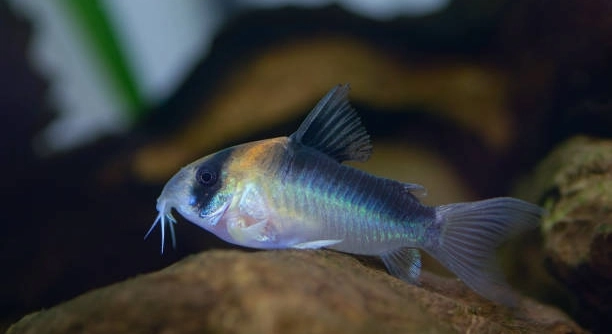
Is your Corydoras catfish acting differently since you changed the filter in its tank? Subtle changes can sometimes mean something important.
Corydoras catfish may react poorly to a new filter due to changes in water flow, noise, or water chemistry. These shifts can cause stress or health issues. Spotting early signs helps prevent long-term damage or discomfort.
Understanding the signs can help you act quickly and protect your fish’s health in the long run.
7 Signs Your Corydoras Catfish May Be Struggling with a New Filter
When you install a new filter, it can shift the environment in your tank more than you might expect. Corydoras catfish are sensitive to changes, especially in water flow and oxygen levels. A stronger current can tire them out, while a louder motor can stress them. You may notice them hiding more often, losing interest in food, or showing strange swimming behavior. Sometimes their color may fade, or they might stay at the bottom without moving much. All of these can be signs that something isn’t right. Watching them closely during the first week after changing the filter is important. If anything seems off, it’s worth checking how the filter is affecting the water and their comfort. They are peaceful fish that prefer calm, stable surroundings, so even a small change can impact their well-being more than it might seem at first glance.
These changes can happen quickly, so it’s important to act as soon as you see something unusual.
If your Corydoras are gasping at the surface, resting too much, or seem uninterested in their environment, the new filter could be affecting oxygen or stirring up debris. Poor positioning or excessive flow might also make it harder for them to rest or breathe comfortably. Floating particles or a cloudy tank may signal that the filter isn’t balanced well for their setup. Adjusting the flow or adding sponge pre-filters can help calm things down. It may also help to observe how they react right after feeding or during cleaning times—this can tell you a lot about whether they’re stressed or just adjusting. If they’re constantly swimming against the current or staying still in corners, the flow is likely too strong. Small tweaks to your setup can bring quick improvements and keep your fish feeling more secure and healthy. Take your time and make changes gradually to avoid further stress.
What to Do Next If You Notice These Signs
Start by checking the filter’s position and strength. A slight shift in angle can reduce the current and help your Corydoras feel safer.
If the behavior continues, test the water parameters right away. Ammonia or nitrate spikes can happen if the new filter disrupted beneficial bacteria or caused debris to stir. Consider using a sponge to soften the current or move decorations to help block the flow. Corydoras like shaded, still areas, so building spaces like this can help them feel more at ease. Also, reduce loud vibrations—some filters vibrate more than others, and that noise can cause extra stress. A foam mat or filter pad underneath the unit can help reduce this. Avoid overfeeding during this time, since leftover food can add to water issues. If you recently cleaned the tank or added new media, remember it can take a few days for the balance to return. Keeping a close eye on both the water quality and your fish’s behavior is the best way to guide them back to normal.
How to Adjust the Filter Without Stressing Your Corydoras
Start by lowering the flow rate if your filter allows it. Corydoras prefer gentle currents, and too much movement can make them anxious or tired. Placing plants or decorations in front of the output can also help slow the flow.
Use sponge filters or baffles made from aquarium-safe materials to reduce water movement. If your filter doesn’t have adjustable settings, try redirecting the flow against the glass to break its strength. Avoid sudden changes, as they may stress your fish further. Spread out any adjustments over a couple of days. Observe their response after each change. If they begin swimming more freely or return to their regular spots, your adjustments are helping. Also, make sure the filter noise isn’t too loud. Sometimes vibrations can carry through the tank and affect bottom-dwellers like Corydoras. A small pad or sponge under the filter can reduce the sound and help keep the environment calm.
Cleaning the filter can also help if debris buildup is making it louder or harder to regulate. Rinse parts in tank water—not tap—to preserve beneficial bacteria. If the current is too strong even after adjustments, consider swapping to a gentler model like a sponge or internal filter designed for small tanks. These still offer good filtration without overwhelming your fish. You can also rearrange your tank layout to include more hiding spots or quiet areas. Driftwood, plants, and caves are good options. Corydoras often use these areas when they feel stressed. If they start exploring again and show interest in food, it’s a sign they’re doing better. Watch closely for a few days after each tweak. It’s better to take things slow and make small changes than to completely switch the setup all at once. Stability is what helps Corydoras thrive.
How Long It Takes for Corydoras to Adjust
Corydoras usually need a few days to a week to adjust to a new filter. Their comfort level depends on how big the change was and how sensitive they are to water movement and noise.
If signs of stress continue after a week, small changes might still be needed. Sometimes just a little adjustment in flow or placement helps them settle back in.
When You Might Need to Replace the Filter
If your Corydoras are still showing stress after you’ve adjusted the flow, checked the water, and waited patiently, it might be time to consider a new filter. Look for signs like cloudy water that doesn’t clear up, excessive noise, or constant hiding. Filters that are too strong or not suitable for smaller fish can keep the tank in a state of constant imbalance. Sponge filters or internal models made for gentle flow are a safer choice. You don’t have to replace the filter right away, but if nothing seems to work after careful adjustments, a new one may be the better long-term solution.
Signs Your Fish Are Improving
When your Corydoras start exploring more, eating well, and showing normal movement patterns, it’s a good sign they’re adjusting. Watch for clear eyes, smooth swimming, and active digging.
FAQ
Can a new filter change the water chemistry?
Yes, it can. A new filter may disturb the beneficial bacteria already present in your tank. This can lead to small spikes in ammonia or nitrite, especially if the old filter media wasn’t transferred or cycled properly. Water chemistry changes can stress Corydoras quickly, so testing water regularly after a filter change is important. Use a liquid test kit to check levels every day for the first week. If the tank is still cycling, keep an eye out for any signs of distress like fast breathing or inactivity. Regular water changes may help stabilize things faster.
Should I run the old and new filter together?
If possible, yes. Running both filters for about a week can help transfer beneficial bacteria to the new one. This helps reduce the chance of ammonia spikes. Corydoras are sensitive to sudden changes, so keeping both running gives them more time to adjust slowly. If the new filter is too strong, you can set it to a lower setting or block part of the output. Slowly remove the old filter after seven to ten days, as long as your water tests remain stable and your fish look healthy. This gentle approach reduces the chance of stress.
Is it normal for Corydoras to stop eating after a filter change?
It can happen. Stress from new water movement, noise, or changes in tank layout might cause your Corydoras to skip meals for a day or two. As long as the water quality is good and there are no signs of disease, they will usually start eating again once they feel more secure. Try offering food at a quieter time of day and reduce any outside disturbances. Sinking wafers and small bits of blanched vegetables may tempt them back into eating sooner. If they continue refusing food for more than a few days, check the tank’s parameters again.
How do I tell if the water flow is too strong?
If your Corydoras are struggling to swim, clinging to corners, or hiding more than usual, the current might be too strong. They’re bottom dwellers and don’t like to fight against constant movement. You might also see them resting more often or floating in one spot without swimming. Try placing plants or rocks near the filter output to break up the flow. If that doesn’t help, consider switching to a sponge filter or a lower-flow internal filter. The goal is to create calm areas where your Corydoras can rest and explore comfortably without being pushed around.
Can filter noise affect Corydoras behavior?
Yes, it can. Corydoras are sensitive to vibrations and sudden noises. A loud filter motor or one that rattles can make them anxious. You might see them hiding or remaining very still when the noise level increases. Placing a sponge or foam pad under the filter can help absorb some of the vibration. Also, check for any loose parts or trapped air in the filter that might be making extra noise. Repositioning the filter or switching to a quieter model may improve their behavior. A calm, quiet environment is important for their sense of safety.
Should I clean the new filter before using it?
Always rinse a new filter and its parts in dechlorinated water before putting it in the tank. This removes any dust, debris, or manufacturing residues that could affect water quality. Never use soap or household cleaners. If the filter has carbon, sponges, or other media, make sure they’re also rinsed. Installing a clean but pre-rinsed filter is one of the easiest ways to avoid problems with cloudiness or chemical leaching. Even if the packaging says “pre-washed,” it’s better to do it yourself to be safe.
Why are my Corydoras breathing fast after the filter change?
Rapid breathing is usually a sign of stress, low oxygen, or poor water quality. A new filter may cause turbulence that reduces surface gas exchange or stirs up waste trapped in the substrate. Check your water parameters immediately. If everything seems normal, try adjusting the flow or adding an air stone. Corydoras need well-oxygenated water but not heavy movement. If they’re gasping at the surface or breathing hard for more than a few hours, it’s a sign that something in the tank isn’t right and needs to be corrected soon.
How long should I wait before deciding if the filter is working well?
Give it at least one full week. Watch your fish’s behavior, feeding habits, and water test results during this time. If everything stays stable and your Corydoras return to their usual activity level, the filter is likely doing its job. If they remain stressed or the water becomes cloudy, you may need to make more changes. Every tank is different, and even a good filter might not suit every setup. It’s okay to tweak things until the environment feels right for your fish. Patience and small adjustments usually lead to better long-term results.
Final Thoughts
Making changes to your aquarium can be stressful—not just for you, but also for your Corydoras catfish. A new filter may seem like a small upgrade, but for sensitive fish, it can be a big shift. It changes the way water moves, how clean the tank stays, and sometimes even the noise in their environment. These changes can lead to stress if they happen too quickly or if the new setup doesn’t match their needs. Watching how your fish behave during this time is the best way to know if they’re reacting well or struggling. Small signs, like hiding more often, breathing faster, or skipping meals, can be important signals that something is off.
The good news is that most problems caused by filter changes can be fixed with a few careful adjustments. Slowing down the flow, changing the filter’s position, or adding decorations to block the current can all help your Corydoras feel more secure. Keeping up with water tests and doing regular, gentle cleanings will also help keep conditions stable. If you’ve recently upgraded the filter, don’t be too quick to replace it again. It’s often better to wait and observe. Most Corydoras just need time to get used to the new flow and surroundings, especially if the water quality stays good and the noise level is kept low. A calm, quiet tank with good hiding spots goes a long way in helping them adjust.
There’s no perfect timeline or one-size-fits-all fix when it comes to your fish’s comfort. Some Corydoras settle into a new setup in a few days, while others may take longer. That’s why it’s important to stay patient and make changes slowly. Avoid rushing to switch filters or move things around too often, as this can lead to more stress. Stick to a routine and keep an eye on your fish’s habits. If they start eating again, move around the tank normally, and look relaxed, these are all signs they’re adapting. Making thoughtful changes and giving your fish time to adjust will help keep them healthy and happy in the long run. Your care and attention truly make a difference in how well they handle change.

Hello,
If you enjoy the content that we create, please consider saying a "Thank You!" by leaving a tip.
Every little bit helps us continue crafting quality advice that supports the health, happiness, and well-being of pets around the world, for pets of all shapes, sizes, and species.
We really appreciate the kindness and support that you show us!