
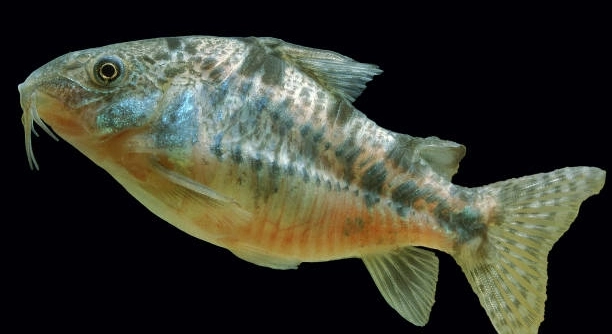
Do your Corydoras scatter and hide every time you change the water in their tank, leaving you concerned about their well-being?
The best way to prevent Corydoras catfish from getting stressed during water changes is to match the new water’s temperature, pH, and hardness as closely as possible to the existing tank water, and to perform slow, gradual changes.
These small steps can make a big difference in how your fish respond, leading to a more peaceful and healthy aquarium environment.
Match the New Water Parameters Closely
Corydoras catfish are sensitive to sudden changes in their environment, especially when it comes to water quality. One of the most effective ways to keep them calm during water changes is by making sure the new water closely matches the tank’s existing parameters. This includes temperature, pH, and general hardness. Even small shifts in these can cause stress, and over time, this stress may impact their health. Using a reliable thermometer and water testing kit helps ensure everything stays consistent. Prepare the water ahead of time and let it reach the right temperature before adding it. If you use tap water, make sure to dechlorinate it properly and allow it to sit to stabilize. Matching water parameters isn’t hard once you make it a regular part of your routine. It’s a small effort that goes a long way toward keeping your fish happy and healthy.
When the water feels familiar, your Corydoras will stay more relaxed and active, instead of rushing to hide.
Taking the time to test and adjust your replacement water before each change is a simple habit that helps avoid stress. It also supports long-term stability in your tank, which Corydoras truly rely on. Skipping this step can cause discomfort or even illness, especially in smaller tanks where changes are felt faster. If your home’s water source tends to vary, consider mixing reverse osmosis water with tap water to fine-tune it. A stable environment helps fish show their natural behaviors, including social swimming and foraging along the bottom. Over time, this approach strengthens your fish’s immune system and supports a peaceful tank community. Keep a small notebook to track your parameters—it’s an easy way to spot patterns or needed adjustments. This consistency gives your Corydoras the calm, familiar water conditions they thrive in.
Use a Gentle Pour or a Water Diffuser
A strong stream of water splashing into the tank can startle your Corydoras and stir up the substrate, causing stress.
Instead of pouring water directly into the tank, try using a small container to slowly add water. You can also use a water diffuser or pour the new water over your hand to break the flow. Corydoras are bottom dwellers and don’t appreciate the sudden turbulence that fast pouring can create. They prefer a calm and stable environment, and a strong flow can stir up debris, creating a mess and spooking them. A diffuser is easy to make—just use a clean plastic lid with holes or a sponge to scatter the water. If you’re using a hose or siphon, adjust the flow rate to a slow trickle. Always pour the water away from where your Corydoras like to rest. These small changes help keep them at ease and maintain the peaceful feel of their home.
Avoid Large Water Swings All at Once
Changing too much water at one time can throw off the balance in your tank, which easily stresses Corydoras. Instead, aim for smaller, more frequent water changes to keep things steady.
A sudden drop or rise in water temperature or chemistry can quickly cause panic in these peaceful bottom-dwellers. Large changes can also remove too much beneficial bacteria at once, affecting the biofilter. Stick to changing about 20–30% of the water each time, depending on your tank size and stocking levels. Spread the changes out over a few days if your tank needs more than that. This slower approach helps your Corydoras stay calm and reduces the risk of them getting sick or hiding for long periods. Smaller changes also make it easier for you to monitor their behavior and catch any signs of stress early, like rapid gill movement or loss of appetite.
When you do smaller water changes regularly, your tank becomes more stable overall. Corydoras can adjust more easily because the shifts in temperature, pH, and hardness are gentle. It’s also less work for your filter and reduces the chance of kicking up debris or causing a cloud of waste. The calmer the environment stays, the more your fish will trust it. Regular water changes also help prevent buildup of harmful waste products like ammonia or nitrites. Just make sure you’re still checking your parameters, especially if your tank is heavily stocked. Clean water, introduced in smaller amounts, makes it easier for your Corydoras to thrive.
Keep the Substrate Clean but Undisturbed
Corydoras spend most of their time exploring the bottom of the tank, so keeping the substrate clean is important for their health and comfort. Just avoid stirring it up too much during water changes.
Vacuuming the substrate helps remove leftover food and waste, but aggressive cleaning can release trapped gases or disturb helpful bacteria. Use a gentle touch and focus on the areas where debris collects, usually around decor or in corners. Try not to uproot plants or drag the vacuum too deeply into the substrate, especially if you use sand, which can compact easily. Corydoras also use their barbels to search for food along the bottom, and a dirty or disturbed surface can lead to infections or damaged barbels. Keeping a light but steady cleaning schedule ensures the bottom stays tidy without causing sudden changes in the tank’s balance. This allows your fish to go about their routine comfortably.
Some aquarists choose to clean half the substrate one week and the other half the next. This method works well for keeping stability while still removing waste. If your substrate is very fine, like sand, gently swishing the vacuum just above the surface is usually enough to pick up debris without creating a mess. Avoid using tools that dig too deep or cause strong suction. Corydoras can be startled by quick movements near their level, so clean slowly and let them move away on their own. Observing their behavior after cleaning can help you adjust your method if needed. A tidy, calm bottom space helps them stay active and stress-free.
Keep the Tank Quiet During Water Changes
Loud noises and sudden movement around the tank can make Corydoras nervous. Try to keep the area calm and avoid quick hand motions or dropping tools into the water.
If you need to move decor or plants, do it slowly and gently. Keeping things quiet helps your fish feel safe.
Add Floating Plants or Hiding Spots
Floating plants help block bright light and reduce stress during water changes. Corydoras feel safer when they have darker, shaded areas to retreat to. Even plastic or silk plants can help if live ones aren’t an option. Adding small caves, driftwood, or soft decorations gives them places to hide when they feel uneasy. During water changes, these hiding spots give them the choice to stay out of sight until things settle down. Fish that feel secure are less likely to panic or dart around wildly. This setup also improves their daily comfort and supports natural behavior.
Handle the Filter Gently
Avoid turning off the filter for too long or cleaning all parts at once. Sudden changes in flow or water quality can disturb your Corydoras and the tank’s balance.
FAQ
Why do Corydoras get stressed during water changes?
Corydoras are sensitive to changes in their environment, particularly when it comes to water quality. Sudden fluctuations in temperature, pH, or water hardness can cause them stress. They may feel vulnerable because their natural instinct is to hide when they sense environmental changes. A drastic change can also disrupt the balance of the tank, affecting both the fish and the beneficial bacteria that help maintain water quality. It’s important to make gradual adjustments to avoid shocking their system.
How can I tell if my Corydoras are stressed during a water change?
Stressed Corydoras may exhibit behaviors like hiding more than usual, staying near the bottom of the tank, or swimming erratically. They may also breathe rapidly, which is a sign of discomfort or oxygen deprivation. In extreme cases, stressed fish may refuse to eat or develop visible signs of illness like pale coloration or damaged fins. If you notice these symptoms after a water change, it’s important to assess what might have triggered the stress and make adjustments for the future.
Is it okay to do large water changes for Corydoras?
Large water changes can be stressful for Corydoras, especially if they cause sudden temperature or pH shifts. It’s best to avoid water changes larger than 30% at once. Doing smaller, more frequent water changes helps keep the environment stable. By making gradual adjustments, you reduce the chances of causing shock, and your fish can more easily acclimate to the changes.
Can I use tap water for my Corydoras?
Tap water can be used for Corydoras, but it’s essential to treat it before adding it to the tank. Chlorine and chloramine, common in tap water, are harmful to fish. Always dechlorinate tap water using a water conditioner designed for aquariums. Additionally, check that the pH, hardness, and temperature of the tap water match the tank’s parameters. If your tap water tends to fluctuate a lot, it might be better to mix it with reverse osmosis (RO) water to achieve a more stable balance.
How often should I change the water for Corydoras?
It’s best to change 20–30% of the water every week or two, depending on tank size and the number of fish. For smaller tanks or tanks with higher stocking levels, more frequent changes may be necessary to keep the water quality in check. Regular, smaller water changes are less stressful for Corydoras compared to large changes. Always test the water parameters before and after the change to ensure consistency.
What should I do if I accidentally pour water into the tank too quickly?
If you’ve poured water too quickly and startled your Corydoras, don’t panic. The first step is to check the water parameters to ensure they haven’t been disrupted. If there’s been a significant change in temperature or chemistry, you might want to add some dechlorinated water slowly to balance things out. To reduce stress, try dimming the lights and avoid disturbing the fish for a while. If the water change was only a minor disturbance, they’ll likely calm down quickly.
How can I reduce the noise during a water change to avoid stressing my fish?
To keep noise to a minimum during water changes, try to handle equipment carefully. Use soft siphons or rubber tubing that won’t make loud splashing noises when in contact with the water. When cleaning or adjusting tank decorations, do so slowly and quietly. Keeping the room quiet and calm during the process can help prevent startling your Corydoras. Avoid sudden movements or loud talking near the tank. If possible, consider doing water changes during a quieter time of day when there’s less activity around the tank.
Should I turn off the filter during water changes?
It’s generally a good idea to leave the filter running during water changes unless you’re doing a deep clean. Keeping the filter on helps maintain water circulation and ensures oxygen levels stay high, which is important for your Corydoras’ health. Turning off the filter for long periods can lower oxygen levels, making your fish more stressed. However, if you are cleaning the filter media, turn it off for a short time, but make sure to clean it gently and don’t remove too much beneficial bacteria at once.
Can I change the substrate during a water change?
Changing the substrate can disturb the tank environment and stress your Corydoras. It’s better to replace substrate gradually rather than all at once. Corydoras depend on the substrate for foraging, so any change can affect their comfort. If you need to replace or clean the substrate, do it in small sections over time, and avoid disturbing the bottom too much during a water change. Always make sure the new substrate is safe and suitable for Corydoras, such as fine sand.
Why do my Corydoras hide after a water change?
Corydoras may hide after a water change because they feel vulnerable to the sudden changes in their environment. This is particularly true if the water change was accompanied by rapid changes in temperature, pH, or water flow. Hiding is a natural coping mechanism. Ensure that the water parameters are stable, and offer your fish hiding spots, such as caves or plants, so they feel more secure. Once the water stabilizes, they will likely resume their normal behavior.
Can I use a water conditioner to prevent stress during water changes?
Yes, a water conditioner is helpful in ensuring that the new water is safe for your Corydoras. It removes harmful chemicals like chlorine and chloramine, which are commonly found in tap water and can stress your fish. Some water conditioners also neutralize ammonia and heavy metals, providing additional protection. Always use a conditioner that is appropriate for aquarium use and follow the instructions carefully. While it won’t completely eliminate stress from temperature or pH shifts, it does make the water safer and more stable for your fish.
Final Thoughts
Taking care of Corydoras catfish during water changes doesn’t have to be difficult, but it does require some attention to detail. These fish are sensitive to changes in their environment, and sudden shifts in water quality can cause unnecessary stress. By making sure the water temperature, pH, and hardness match closely with what’s already in the tank, you can help your Corydoras feel more comfortable. A consistent, gradual approach to water changes, such as changing only 20–30% of the water at a time, ensures that your fish won’t be overwhelmed. The goal is to make the water feel familiar and stable for them.
It’s also important to keep their environment calm during water changes. Avoid loud noises, quick movements, or sudden disturbances near the tank. Corydoras are shy and easily startled, so keeping things quiet will help them stay relaxed. Additionally, adding hiding spots like caves, plants, or driftwood gives them a place to retreat if they feel uneasy. It’s these small touches that can make a big difference in their overall stress levels. Ensuring they have places to hide when needed and not disturbing the substrate too much can also reduce the chance of stress.
Lastly, monitoring your Corydoras’ behavior before, during, and after water changes is essential. If they’re hiding more than usual or showing signs of distress, it might be a sign that the water change was too abrupt or that other factors are out of balance. Regularly testing the water’s temperature, pH, and hardness will help you maintain a stable environment for your fish. Consistency is key to keeping your Corydoras healthy and happy in the long run. With just a few careful practices, you’ll create an environment where they can thrive without unnecessary stress.

Hello,
If you enjoy the content that we create, please consider saying a "Thank You!" by leaving a tip.
Every little bit helps us continue crafting quality advice that supports the health, happiness, and well-being of pets around the world, for pets of all shapes, sizes, and species.
We really appreciate the kindness and support that you show us!