
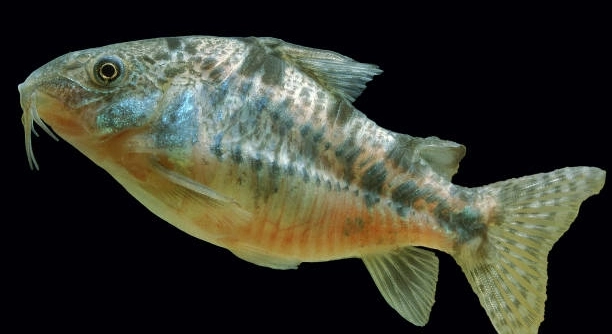
Corydoras catfish are known for their calm swimming behavior, but erratic movements can sometimes raise concerns. If your fish is swimming strangely, there could be several factors affecting its behavior. It’s important to identify the cause.
Erratic swimming in Corydoras catfish is typically caused by water quality issues, stress, or health problems. Poor water conditions, such as high ammonia levels or low oxygen, can lead to unusual swimming patterns. Stress from tankmates or improper care can also contribute.
Understanding the underlying causes of your catfish’s behavior can help you address any issues and improve their well-being.
Poor Water Quality
If your Corydoras catfish is swimming erratically, poor water quality is one of the most common causes. Ammonia, nitrites, and high levels of nitrates can quickly build up in an aquarium and harm fish. Even slight changes in water parameters can cause discomfort, leading to abnormal swimming patterns. Additionally, low oxygen levels can cause fish to struggle for air, resulting in erratic movement. Regular water changes and proper filtration can help prevent these issues. Ensure the water is tested frequently, and always maintain the ideal temperature for your fish.
Water conditions play a significant role in the behavior of your catfish. Consistent monitoring is necessary to keep it in optimal shape.
High levels of ammonia and nitrates, along with poor filtration, will affect your fish’s health. If you notice erratic swimming, consider testing your tank water for harmful substances and perform a water change to address the issue immediately.
Stress and Overcrowding
Stress is another key factor that can influence your catfish’s swimming behavior. It can result from overcrowded tanks or aggressive tankmates. When Corydoras feel threatened, they may dart around or hide more often. These fish need space to thrive and should not be kept in overly crowded environments. If your tank has a lot of aggressive or territorial species, it may cause constant stress for the Corydoras.
When keeping Corydoras, it’s crucial to avoid overcrowding.
Providing them with enough space and choosing peaceful tankmates will help keep stress levels low. Additionally, ensuring plenty of hiding spots for your catfish will allow them to feel safe and reduce stress.
Water Temperature
Water temperature fluctuations can disrupt your Corydoras catfish’s swimming patterns. If the temperature is too high or low, it can stress your fish and cause erratic behavior. Corydoras prefer stable temperatures, generally between 72°F and 78°F. Rapid changes, such as when the heater is malfunctioning, can be harmful.
Check the water temperature regularly, especially when adding new equipment or adjusting tank settings. Keeping the temperature within the ideal range will help your Corydoras feel comfortable and swim normally. You can also use a reliable thermometer to monitor temperature stability.
Keeping the water temperature consistent is essential for your catfish’s health. Sudden drops or increases can affect their metabolism and overall well-being. Investing in a quality heater with a thermostat will ensure that your aquarium maintains a stable, suitable temperature range.
Illness or Injury
Illness or injury can lead to abnormal swimming behavior in Corydoras catfish. A fish suffering from a disease or injury may swim erratically or even float near the surface. Common illnesses include parasitic infections or bacterial issues. Injuries from tank decor or aggressive tankmates can also cause distress.
If your Corydoras shows signs of illness or injury, immediately isolate the fish in a quarantine tank. Check for symptoms like abnormal swimming, lesions, or a loss of appetite. Early diagnosis and proper treatment are essential to prevent the condition from worsening.
If the fish is injured, ensure that the tank is safe and free from sharp objects. A well-maintained environment can prevent injury and provide a space for healing. If symptoms persist, consult an aquarium professional to address potential diseases or infections.
Overfeeding
Overfeeding is another issue that can cause your Corydoras to swim erratically. When fish eat too much, the excess food can pollute the tank and lead to poor water quality. This will affect their behavior and overall health.
To avoid overfeeding, feed your catfish only what they can consume in a few minutes. Remove any uneaten food promptly to keep the tank clean. Maintaining a proper feeding routine will help keep your fish healthy and reduce erratic swimming patterns caused by overfeeding.
Tank Maintenance
Proper tank maintenance is essential for keeping your Corydoras catfish swimming normally. Regular water changes and cleaning the substrate will prevent debris buildup that can impact water quality. Ensure your filtration system is working effectively, as a well-maintained filter will help keep the water clean.
Clean your aquarium at least once every two weeks, removing uneaten food and checking for any signs of contamination. This helps avoid health issues and keeps the fish calm and comfortable in their environment.
Tank Size
An appropriately sized tank is important for maintaining your Corydoras catfish’s well-being. If the tank is too small, your fish may feel cramped and stressed, leading to erratic movements. A 20-gallon tank is usually the minimum size for a small group of Corydoras.
Providing ample space for your catfish allows them to swim freely and reduces stress. A larger tank also gives you more room to add plants and hiding spots, promoting a healthier and more comfortable environment for your fish.
FAQ
Why is my Corydoras catfish swimming upside down?
If your Corydoras is swimming upside down, it may indicate an issue with its swim bladder. The swim bladder helps fish maintain buoyancy, and any malfunction can cause abnormal swimming behavior, including flipping upside down. Other possible causes include injury, infection, or poor water quality.
To address this, check the water conditions and ensure that they are within the ideal range. If the water quality is fine, monitor your catfish for other signs of illness. If the fish continues to swim upside down, it may be worth isolating it in a quarantine tank and consulting with an aquarium professional for treatment.
Can stress cause my Corydoras to swim erratically?
Yes, stress is a common cause of erratic swimming in Corydoras catfish. Stress can be triggered by various factors, including overcrowding, aggressive tankmates, or sudden changes in water conditions. When stressed, Corydoras may swim rapidly or in a disorganized manner, trying to escape their environment.
To reduce stress, ensure that your Corydoras has a peaceful tank with appropriate tankmates and enough space. Provide hiding spots and plants to give them places to feel secure. Monitoring water parameters will also help maintain a stable and stress-free environment for your fish.
How do I know if my Corydoras has an infection?
Infections in Corydoras catfish can cause erratic swimming, but other signs will help you identify an infection. Look for symptoms like lesions, discoloration, faded fins, or changes in behavior such as lethargy or loss of appetite. If your catfish is swimming erratically and showing these signs, it’s possible they are suffering from an infection.
If you suspect an infection, immediately isolate the affected fish in a quarantine tank to prevent spreading. Consult an aquarium professional to determine the correct treatment. You may need to use medication or change the water to help your fish recover.
Is my Corydoras swimming erratically due to poor water quality?
Poor water quality is one of the most common reasons for erratic swimming in Corydoras catfish. High levels of ammonia, nitrites, or low oxygen can cause your fish to swim in an abnormal manner. Additionally, inconsistent water temperatures can stress your catfish, leading to erratic behavior.
To prevent this, test the water regularly for ammonia, nitrites, and nitrates. Keep the water temperature stable within the recommended range of 72°F to 78°F. Perform regular water changes and ensure that your filtration system is working efficiently to maintain healthy water conditions.
Can overcrowding cause my Corydoras to swim erratically?
Yes, overcrowding can cause Corydoras to swim erratically. When too many fish are in a tank, it can lead to stress, reduced oxygen levels, and competition for food and space. Overcrowding also increases the risk of disease transmission, which can contribute to abnormal swimming behavior.
To avoid overcrowding, make sure your tank is appropriately sized for the number of fish you have. For Corydoras, a 20-gallon tank is generally sufficient for a small group. If you notice signs of overcrowding, consider transferring some fish to another tank or reducing the number of tankmates.
How can I improve my Corydoras’ swimming behavior?
To improve your Corydoras’ swimming behavior, you should focus on maintaining a stable, healthy environment. Start by monitoring water quality and temperature, ensuring they are within the proper range. Remove any uneaten food and debris from the tank regularly to prevent poor water quality.
Also, provide enough space for your Corydoras to swim comfortably and add hiding spots to reduce stress. Make sure the tank has compatible tankmates and that there is no aggression. With proper care and attention to their environment, your catfish should swim more naturally.
What should I do if my Corydoras is swimming in circles?
If your Corydoras is swimming in circles, it could be a sign of stress, poor water quality, or an infection. Circling behavior can also indicate neurological issues, which may be caused by a bacterial or parasitic infection.
Check the water parameters to rule out poor water quality and ensure the temperature is stable. If the water is fine, monitor your fish for other signs of illness. If circling continues, isolate the fish in a quarantine tank for closer observation and treatment, if necessary.
Why is my Corydoras swimming near the surface of the water?
Swimming near the surface can indicate that your Corydoras is struggling with low oxygen levels or poor water quality. In an aquarium with insufficient oxygen, fish may swim near the surface to get more air. Another possibility is that the fish is looking for food, as Corydoras often swim near the top during feeding time.
Check your filtration system to ensure it’s working properly and providing adequate oxygenation. If the water quality seems fine, consider adding more aeration to the tank to improve oxygen levels. Regular water changes can also help maintain a healthy environment.
Can my Corydoras be swimming erratically due to overfeeding?
Overfeeding can lead to poor water quality, which in turn can cause your Corydoras to swim erratically. Excess food that isn’t eaten decomposes in the tank, raising ammonia and nitrate levels. This can make the water unsafe for fish and cause them to act abnormally.
To avoid overfeeding, only feed your Corydoras what they can eat in a few minutes. Remove any leftover food to keep the tank clean. This will not only help with erratic swimming but also improve the overall health of your fish.
Final Thoughts
When observing erratic swimming in your Corydoras catfish, it’s essential to consider various factors that could be affecting their behavior. From poor water quality to overfeeding or even stress, understanding the underlying cause can help you take the right steps to improve their condition. Corydoras are generally peaceful and resilient fish, but like any other aquatic species, they require a stable environment to thrive. Regular monitoring of tank conditions, including temperature, pH, and ammonia levels, is key to ensuring that your fish remain healthy and active.
Addressing issues like poor water quality or overcrowding can have an immediate positive effect on the behavior of your catfish. Keeping their tank clean, providing enough space, and ensuring that they have compatible tankmates can help alleviate stress. Overfeeding should also be avoided, as it can lead to water contamination and health issues. Always remember that Corydoras catfish are bottom dwellers, so they will feel most comfortable in an environment where they can hide and forage in the substrate. Providing this type of habitat will allow them to exhibit more natural behavior and reduce erratic swimming.
Lastly, while erratic swimming can be concerning, it’s important to approach the situation calmly and methodically. If your Corydoras continues to swim abnormally despite maintaining good water quality and reducing stress factors, it may be time to consult with a professional. Identifying whether the issue is related to an infection or other health problems is crucial for timely treatment. By staying attentive to your catfish’s needs and environment, you can ensure that they stay healthy and exhibit normal behavior.

Hello,
If you enjoy the content that we create, please consider saying a "Thank You!" by leaving a tip.
Every little bit helps us continue crafting quality advice that supports the health, happiness, and well-being of pets around the world, for pets of all shapes, sizes, and species.
We really appreciate the kindness and support that you show us!