
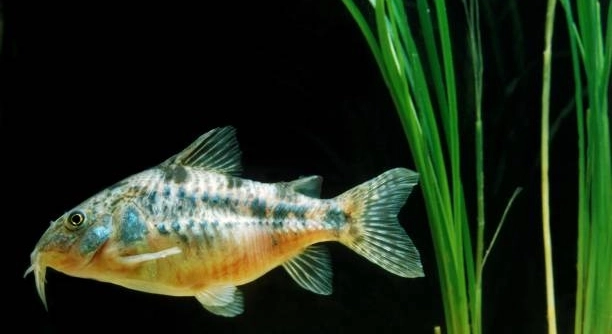
Do you ever find yourself checking on your Corydoras catfish, wondering if they’re truly happy and thriving in their group setting?
Corydoras catfish show comfort through social behaviors such as shoaling, synchronized swimming, and active exploration. When kept in appropriately sized groups, these fish tend to display relaxed body language, consistent feeding habits, and reduced hiding behavior.
Recognizing these subtle signs can help you support their well-being and create a more peaceful aquarium environment.
7 Clues Your Corydoras Catfish Is Comfortable in Its Group
Corydoras catfish are social fish that thrive in groups, and their behavior often reflects how comfortable they feel. One of the most noticeable signs of comfort is shoaling—when they swim close together, often in sync. If your Corydoras are regularly seen exploring the tank as a group rather than hiding, that’s a positive indicator. Comfortable Corydoras also feed with ease, coming out during feeding time and interacting without hesitation. They may rest side-by-side or even pile up gently, which is a common sign of trust. Healthy activity levels, clear eyes, and clean fins all support the idea that they’re in a relaxed, stable group. Watching them calmly sift through the substrate together or interact with their surroundings shows they feel safe and engaged. When these fish are not stressed, their colors may appear more vibrant, and their movements smoother. Group dynamics play a big role in their overall health.
If your Corydoras hide often, dart around suddenly, or stay apart from the group, they might not feel secure.
To help them feel more comfortable, keep them in groups of at least six, and provide plenty of hiding spots and smooth substrate. Avoid loud noises and sudden lighting changes. This creates a calmer, safer environment.
Why Group Size Matters
Corydoras are naturally inclined to be in groups, and small group sizes can lead to stress or inactivity.
Keeping too few can result in shy, reclusive behavior. In contrast, when you house six or more together, they begin to show more natural social behaviors like following each other, playing, and calmly foraging. The security of a group reduces anxiety and encourages them to interact with their environment more. In tanks where only two or three Corydoras are present, it’s common to see them hiding most of the time or becoming inactive. Even with ideal water conditions, they still need that social bond to thrive. If your fish are hiding constantly or seem uninterested in their surroundings, consider if the group is too small. Adding more of the same species can completely change their activity level and behavior. A proper group also spreads out any dominant behavior, keeping the social balance. Making sure they have company is one of the easiest ways to improve their quality of life.
Behavior That Signals Comfort
Comfortable Corydoras often move around the tank together in calm, coordinated ways. They sift through the substrate, explore decorations, and occasionally rest side by side. These quiet moments and shared activities show they feel secure in their space and with each other.
Active exploration is a big sign that your Corydoras are at ease. You’ll often see them poking their noses into the substrate, hunting for food, or gliding across the tank floor. They may follow each other in lines or circles, swimming with gentle movements. When at rest, they choose spots near each other rather than hiding alone. These behaviors show that they trust their environment and the other fish around them. Watching them interact this way helps you know they’re doing well. It’s also a good reminder that consistent care and the right tank setup make a big difference in their daily comfort.
Another clear sign is how your Corydoras respond to changes. When they’re comfortable, a minor shift—like you walking by the tank or a light turning on—won’t cause panic. They may pause, but they won’t scatter. A relaxed fish remains steady, moving slowly instead of darting. This tells you they aren’t living in constant stress. If they’re startled easily or freeze up often, that might mean something is off. Maybe the group is too small, or the environment isn’t calm enough. Observing their reactions can help you catch small problems early before they grow into bigger issues. These small behaviors say a lot about how safe they feel.
Physical Signs of a Happy Corydoras
Bright, clear eyes and smooth, undamaged fins are signs of a healthy, stress-free Corydoras. When comfortable, their bodies appear well-kept, and they show no signs of stress markings, fin clamping, or dull coloring.
When Corydoras are comfortable in their group and tank, their overall appearance reflects it. Their barbels—the small whisker-like parts around their mouths—remain clean and intact. Healthy barbels mean they’re not scraping them on rough substrate or hiding out constantly. Their bodies take on a slightly more vibrant tone when they feel safe, and their breathing stays steady and relaxed. There shouldn’t be any frantic gill movement or rapid darting. A fish that feels at ease moves slowly, pausing often, and rarely isolates itself. If their fins are open and flowing rather than clamped against their bodies, that’s another good sign. Pay attention to these physical cues—they show whether your Corydoras feel secure in their group setup.
Interaction With Other Fish
When Corydoras feel safe, they calmly share the tank with other peaceful fish. They won’t chase or get chased often, and they’ll continue their routines without being overly alert or nervous around tankmates.
A stressed Corydoras might avoid certain areas or fish entirely. If they’re constantly hiding or darting away from others, it could mean they feel unsafe or crowded in the tank. Balanced interactions show comfort.
Resting Habits
Corydoras rest often during the day, especially when they feel secure. You might see them lying still on the substrate or against a smooth surface, usually near other Corydoras. Resting in the open or around their group shows trust in their surroundings. If they’re always hiding to rest, it could mean they’re not fully comfortable.
Feeding Behavior
A Corydoras that’s comfortable in its group eats confidently. They swim out together during feeding time and explore the bottom for food without hesitation. If one or more avoid eating or only come out after others are gone, they may feel anxious or out of place. Confident eaters tend to be healthier overall.
Response to Tank Changes
Comfortable Corydoras handle small changes calmly. Rearranged decorations, water changes, or slight movement outside the tank won’t send them into hiding. They might pause briefly, then return to what they were doing. Sudden panic or long periods of hiding can point to discomfort or a lack of security in their environment.
FAQ
How do I know if my Corydoras are stressed?
Stressed Corydoras may exhibit several signs, including hiding for long periods, avoiding food, and swimming erratically. If they are often seen darting around or spending excessive time in one corner of the tank, they may be uncomfortable. Clamped fins, discolored or faded markings, and rapid gill movements are also indicators of stress. These behaviors suggest the fish may not feel secure in their environment, or they may not be adjusting well to the group.
Can Corydoras live alone?
While Corydoras can technically survive alone, they are social creatures and thrive in groups. A single Corydoras will likely feel lonely, stressed, and inactive. It is always best to keep them in groups of at least six to promote natural behaviors and reduce stress. In a group, they gain a sense of security, which encourages active foraging and socializing. Without company, they are more prone to hiding or exhibiting signs of stress.
What tank size is best for Corydoras catfish?
Corydoras are small, but they need space to swim and explore. A minimum of 20 gallons is ideal for a small group of Corydoras, as it provides enough room for swimming and ensures water quality remains stable. A larger tank allows for better water circulation and gives the fish more hiding spots and areas to explore. Avoid overcrowding, as this can increase stress and lead to poor water quality.
Can Corydoras live with other fish?
Yes, Corydoras can live with many peaceful fish species. They do best with other non-aggressive species, such as tetras, rasboras, and guppies. Corydoras are bottom dwellers and typically do not compete with others for space. However, avoid keeping them with larger or more aggressive fish, as these might intimidate or harm them. Always make sure tankmates are compatible in terms of size and temperament.
Why are my Corydoras staying in one spot?
If your Corydoras are staying in one spot for extended periods, it may indicate stress, illness, or discomfort. They could be avoiding other fish or feeling insecure in their environment. Sometimes, water quality issues like high ammonia levels, low oxygen, or inappropriate temperature can also cause this behavior. Check water parameters and make sure there’s enough hiding spots and space in the tank to keep them comfortable. Also, consider if the group size is adequate or if there are any potential stressors like loud noises or strong lighting.
What water conditions do Corydoras need?
Corydoras prefer clean, slightly acidic to neutral water with a temperature range of 72°F to 78°F. They thrive in well-filtered tanks with minimal current, as they have sensitive barbels and prefer gentle water flow. Regular water changes are essential to maintain water quality, and it’s crucial to keep ammonia and nitrite levels at zero. Monitoring pH levels between 6.5 and 7.5 will help create an ideal environment for your Corydoras to flourish.
Why are my Corydoras’ barbels eroding?
Eroding barbels are often a sign of poor water quality, especially when ammonia or nitrite levels are too high. Sharp or rough substrate can also cause physical damage to their sensitive barbels. It’s important to use smooth, fine gravel or sand to avoid abrasion. Regular water changes and tank cleaning will help reduce toxins in the water. If the problem persists, test water parameters and make adjustments as necessary.
Can Corydoras be kept with shrimp?
Corydoras are typically peaceful and can live with shrimp, especially species like cherry shrimp or ghost shrimp. They won’t usually harm the shrimp, but they might scavenge the tank for leftover food, which can include small shrimp. To avoid issues, provide plenty of hiding spots for the shrimp to retreat to. Larger shrimp may be at risk if the Corydoras become too curious or the fish are very hungry.
Do Corydoras need a sand substrate?
While not absolutely necessary, sand is often recommended for Corydoras. They are bottom feeders and prefer soft, fine sand to sift through, which helps them feed naturally. Sharp gravel or rough substrates can damage their sensitive barbels and make feeding uncomfortable. If sand is not an option, make sure the gravel is smooth and not too large, ensuring it won’t harm their barbels.
How often should I feed my Corydoras?
Corydoras are bottom feeders, and they will sift through the substrate for food. Feed them once or twice a day, offering a balanced diet of sinking pellets, frozen or live foods, and occasional plant matter. Avoid overfeeding, as uneaten food can lead to water quality problems. You can also supplement their diet with algae wafers or blanched vegetables like zucchini, which they enjoy.
Why is my Corydoras not eating?
If your Corydoras is not eating, it may be a sign of stress, poor water quality, or illness. Check the water parameters to ensure they’re within the optimal range. A sudden change in environment, overcrowding, or new tankmates might also stress them out. Additionally, if the fish is hiding or acting lethargic, it could be unwell. If the issue persists, consider consulting an aquarium professional for advice.
Final Thoughts
Corydoras catfish are peaceful, social fish that thrive best in groups. When kept in an environment that matches their needs, they become active and display comforting behaviors. If your Corydoras are swimming together, feeding well, and exploring the tank, these are all signs they feel secure. Their physical appearance, such as clear eyes and smooth fins, also reflects their comfort. Ensuring your Corydoras have a safe and calm environment with proper water conditions and the right tankmates will go a long way in maintaining their health and happiness.
It’s important to regularly check the water quality in your tank and make necessary adjustments to maintain a healthy habitat for your Corydoras. Keeping their tank clean, maintaining stable water parameters, and providing enough space are vital for their well-being. Make sure they have enough hiding spots and smooth substrate for them to feel safe. Also, remember that Corydoras are bottom dwellers, so adding plants or decorations that offer both hiding spots and room to swim will help them thrive. Being mindful of their social needs is equally essential—having at least six Corydoras in a group will help reduce stress and promote natural behaviors.
By observing your Corydoras and understanding their body language and behaviors, you can identify any issues early on. If they seem stressed or behave differently than usual, it’s important to take action right away. Whether it’s adjusting water parameters, adding more fish to their group, or providing additional hiding places, small changes can make a big difference in how they feel. Keeping these fish happy requires attention and care, but the reward is a lively and healthy tank full of curious and active Corydoras.

Hello,
If you enjoy the content that we create, please consider saying a "Thank You!" by leaving a tip.
Every little bit helps us continue crafting quality advice that supports the health, happiness, and well-being of pets around the world, for pets of all shapes, sizes, and species.
We really appreciate the kindness and support that you show us!