
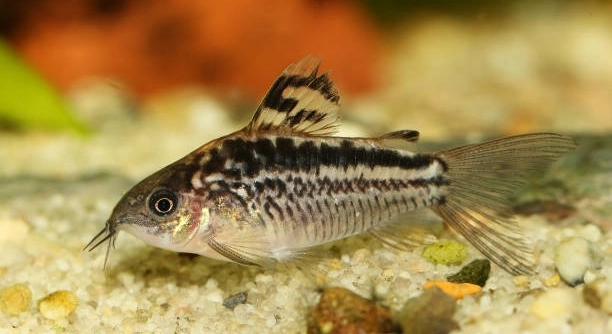
Are your Corydoras catfish acting a bit shy or different after being introduced to a new tank environment?
A Corydoras catfish that is adjusting well will show signs such as active swimming, regular feeding, clear eyes, and social behavior. These indicators reflect comfort, proper health, and a stable transition into the new habitat.
Learning these signs can help you support your fish during this period and keep their environment safe and stress-free.
Sign 1: Active and Curious Swimming
When your Corydoras catfish feels comfortable in its new tank, one of the first things you’ll notice is active and curious swimming. They won’t just stay hidden in corners or behind decorations. Instead, they’ll glide along the bottom of the tank, explore new hiding spots, and sometimes swim up and down along the glass. This is a good sign that they’re feeling safe and are adjusting well to their surroundings. If they’re moving in small groups, that’s even better—it shows they feel secure enough to socialize. Corydoras are naturally social, so seeing them engage with their environment and each other is something to feel good about. A healthy tank setup, with smooth substrate and plenty of hiding spots, helps them explore safely. Strong movement and steady patterns mean your water quality and tank conditions are likely meeting their needs, supporting their transition from the store or previous tank.
They may also playfully dart to the surface for air, which is normal due to their unique breathing habits.
Be sure to observe their movements each day. It helps to track any changes that might signal stress or discomfort early on.
Sign 2: Regular Eating Habits
Corydoras that feel safe will accept food and show interest when it’s feeding time.
Once they’re adjusted, they’ll start to search the bottom for food right after it’s offered. Corydoras are bottom feeders, and you’ll often see them sifting through the substrate for bits of sinking pellets or leftover flakes. If they ignore food or stay in hiding during meals, that may point to stress or an issue in the water. However, a good appetite is a reliable sign that their bodies are settling in and they’re not feeling threatened. Make sure the food you’re offering sinks quickly and doesn’t cloud the water. Variety is also helpful—mixing sinking wafers, frozen foods, and occasional live treats can keep them engaged and healthy. Feeding them at the same time each day encourages routine and makes it easier to spot any issues if one fish suddenly stops showing up at mealtime. Eating well is always a positive sign.
Sign 3: Clear Eyes and Healthy Skin
Corydoras that are adjusting well will have clear, bright eyes and smooth skin without any signs of damage or discoloration.
Their skin should look clean and slightly shiny without cloudy patches or spots. Healthy Corydoras also have full, intact fins that are not clamped or frayed. If you see any white fuzz, red streaks, or peeling, that could be a sign of poor water conditions or stress. During the adjustment period, it helps to check on them closely for changes in their appearance. You don’t need to disturb them—just observe from the outside. Clean, conditioned water and consistent temperatures are key. If your fish look the same—or better—after a few days, that’s a positive sign they’re feeling comfortable.
Skin issues usually show up early when something’s wrong, so clear eyes and healthy skin are some of the easiest ways to confirm that everything is going smoothly in the new tank.
Sign 4: Calm Resting Periods
Corydoras often rest between active periods, especially during daylight hours when the lighting is bright and the tank is quiet.
If your fish is adjusting well, you’ll see them lying still on the bottom without signs of distress. This quiet resting is normal and healthy. They may tuck themselves under decorations or just pause in a low-traffic area of the tank. It’s not the same as hiding due to fear—resting fish will still respond to light or movement around them, showing they’re relaxed, not scared. Their gills will move slowly and evenly. If they stay in one spot too long or show fast breathing, that’s worth checking. But calm breaks during the day are a good sign your Corydoras feels safe. It means the tank is stable enough for them to rest without fear. Balanced rest and activity are part of a healthy routine as they settle in.
Sign 5: Social Behavior With Other Corydoras
Corydoras are schooling fish, and once they feel comfortable, they’ll stay close to other Corydoras in the tank.
You’ll often see them swimming together or resting side by side. This group behavior shows they feel safe and connected to their surroundings.
Sign 6: Responsive to Tank Activity
A well-adjusted Corydoras will react gently to movement around the tank without panicking.
They might swim away for a moment but return quickly to their normal behavior. This shows they’re alert but not overly stressed or scared.
Sign 7: No Erratic Swimming or Hiding
Erratic swimming, crashing into tank walls, or constant hiding are signs something is wrong. If your Corydoras are moving smoothly and only hide occasionally, they’re likely feeling at ease. Normal, calm movement means they’ve adapted to the new space and feel safe enough to stay visible and active.
FAQ
How long does it usually take for Corydoras to adjust to a new tank?
Most Corydoras take around 7 to 10 days to fully adjust to a new tank, though this can vary depending on factors like tank size, water quality, and the number of fish introduced at once. During this period, it’s normal for them to be a little more cautious or shy. Providing a stable temperature, soft substrate, and hiding spots can help speed up the adjustment. Avoid changing too many things at once. Let them settle gradually without sudden disturbances.
What are the first signs of stress in Corydoras?
Early signs of stress include clamped fins, rapid gill movement, unusual hiding, refusal to eat, and staying near the surface too often. Some fish may also swim frantically or bump into decorations and tank walls. Stress is often caused by poor water conditions, high ammonia or nitrite levels, or sudden changes in temperature. It can also happen when there are too few Corydoras in the tank, as they are social and need a group to feel secure. Watching for early changes helps prevent bigger issues later.
Should I keep Corydoras in groups?
Yes, always keep Corydoras in groups of at least six. These fish are naturally social and become stressed when kept alone or in pairs. A group lets them feel safe and behave more naturally. You’ll see them exploring, resting together, and swimming in loose formations. A proper group size also helps reduce aggression or anxiety that could be triggered by isolation. A well-sized school makes them more active and playful, which is a sign of comfort in the tank.
Why are my Corydoras hiding all the time?
Constant hiding can mean they’re not feeling safe or something in the tank is off. It may be a sign of poor water quality, incorrect lighting, or too much noise nearby. If they’ve just been introduced, hiding is expected for a few days. Make sure they have hiding spots like caves or plants, but also check water parameters like ammonia, nitrite, nitrate, and temperature. Over time, if conditions are good and the tank is calm, they’ll spend more time out in the open.
Is it normal for Corydoras to swim to the surface often?
Yes, Corydoras have a special ability to gulp air from the surface. It’s part of how they breathe. Occasional surface visits are completely normal. However, if they’re going up very often or in a panicked way, it might mean the water doesn’t have enough oxygen or there’s too much waste. Make sure your filter is working well and that there’s enough surface movement to keep oxygen levels up. If only one fish is doing this often, check for other signs of illness.
How can I tell if my Corydoras is sick or just adjusting?
When a Corydoras is just adjusting, it may hide more and eat less at first, but these behaviors improve within a few days. A sick fish, on the other hand, may have cloudy eyes, ragged fins, white patches, bloated belly, or show strange swimming behavior for longer than a week. Watch for signs that get worse instead of better. If in doubt, test your water first and isolate the fish if symptoms increase. Quick action often leads to better outcomes.
What water conditions do Corydoras prefer for a smooth transition?
They prefer soft to moderately hard water, a pH between 6.0 and 7.8, and a temperature of 72–78°F (22–25°C). Keep ammonia and nitrite at 0 ppm and nitrate below 20 ppm. Make changes slowly and avoid large water swings. Use a soft substrate to protect their sensitive barbels, and keep lighting gentle for the first few days. A calm, steady setup gives them the best chance to settle in comfortably and stay healthy.
Final Thoughts
Helping your Corydoras catfish adjust to a new tank takes a bit of time and patience, but it’s not hard if you pay attention to the right things. Watching how they swim, eat, and rest can give you useful clues about how they’re feeling. Most Corydoras will act a little shy at first. They may hide or stay still, especially in the first few days. This is normal and usually nothing to worry about. As long as the water is clean and the tank is peaceful, they will slowly begin to explore and settle in. It’s important not to disturb them too much during this early period. Let them get used to their new home at their own pace.
Keeping your tank stable is one of the most important things you can do. Sudden changes in temperature, light, or water quality can make your fish feel unsafe. Corydoras like a steady environment where they know what to expect. Feeding them small amounts at regular times also helps. Overfeeding or using food that floats too long on the surface can lead to stress or water problems. A varied diet with sinking foods that reach the bottom is best. Also, always remember that Corydoras are social fish. If they are alone or in a group that is too small, they won’t behave normally. A group of at least six is ideal to help them feel secure and active.
As your Corydoras begin to settle in, you’ll notice more natural behaviors. They may swim in small groups, sift through the sand, or rest calmly near each other. These are good signs that they feel safe. If you see clear eyes, healthy skin, and steady movement, that means they are doing well. You don’t need to do anything special—just give them clean water, good food, and space to feel comfortable. It’s also helpful to check in on them regularly. Small changes in behavior can tell you a lot. The better you understand their normal routine, the easier it will be to spot anything unusual. In the end, keeping Corydoras happy is mostly about providing a safe space where they can live calmly and naturally.

Hello,
If you enjoy the content that we create, please consider saying a "Thank You!" by leaving a tip.
Every little bit helps us continue crafting quality advice that supports the health, happiness, and well-being of pets around the world, for pets of all shapes, sizes, and species.
We really appreciate the kindness and support that you show us!