
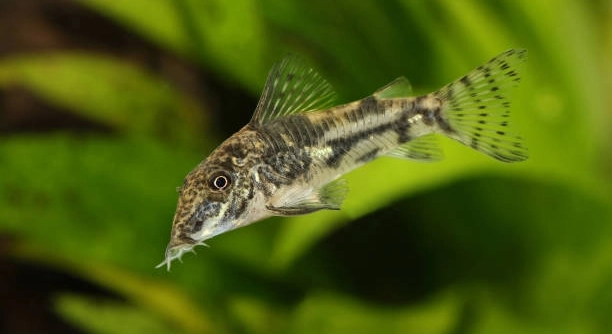
Have you ever noticed your Corydoras catfish acting a little differently, perhaps exploring more or spending less time hiding?
A Corydoras catfish becomes more social when it starts spending more time in open spaces, interacting with tank mates, and showing less skittish behavior. These changes typically indicate comfort, good health, and proper tank conditions.
Spotting these signs can help you better understand your fish’s behavior and ensure they feel safe and happy in their home.
7 Clues Your Corydoras Catfish Is Becoming More Social
One clear sign that your Corydoras is becoming more social is increased movement around the tank. A shy Cory will often hide under decorations or stay near the bottom corner. But a more comfortable, social one will start exploring, especially in groups. Corydoras are schooling fish, so they naturally feel more secure with others. When you see yours swimming alongside tank mates, especially during the day, it shows growing confidence. Another clue is their interest in feeding time. Social Corys will swim out quickly to grab food, rather than waiting for the coast to clear. You may also notice them resting together or even stacking on top of each other. These are natural behaviors that reflect comfort and bonding. Even subtle changes, like hanging out in brighter areas, point to a shift. All of this signals that your fish is feeling safe, calm, and more connected to its environment.
A more social Corydoras might also follow your hand when you approach or move near the tank.
It’s important to note that these behaviors develop gradually. You may not see changes overnight, but small signs show progress. If you’ve recently changed tank conditions, like adding more Corys or improving the setup, these behaviors might begin to appear. Keep watching for them.
How Tank Setup Affects Corydoras Behavior
Proper tank setup plays a big role in how your Corydoras behaves day to day.
Corydoras thrive in well-structured environments. Adding hiding spots like driftwood, caves, and live plants helps them feel secure, which encourages more open behavior later. A soft, sandy substrate is also important because they like to sift through it without damaging their barbels. Water conditions need to be clean and stable—use a gentle filter and keep ammonia and nitrites at zero. Keep the lighting soft; bright lights can stress them and make them hide. Corys are also happier in groups of five or more. If they’re alone or with just one or two others, they may become more withdrawn. Once all of these needs are met, Corydoras feel safer and begin to display more social habits. You’ll likely see them schooling, playing, and showing less hesitation when you approach. These details might seem small, but they’re essential for your Corys to show their full personality.
Other Signs to Watch For
A Corydoras that is becoming more social may also show curiosity during tank maintenance or when new items are added. They might swim closer instead of hiding like they used to.
You may notice your Cory hovering around more active areas of the tank. They could start spending time near filter outflows, or follow the movement of other fish. These are good signs. Social behavior in Corydoras includes synchronized swimming, where two or more move in unison. This shows trust among the group. Another detail to watch is how often they rest in open spaces rather than tucked away. A relaxed Corydoras often lies on the substrate without signs of stress, such as rapid gill movement or color fading. If your Cory seems more comfortable with its surroundings and interacts more with the environment, that’s a strong sign of improved social behavior and overall well-being.
You might even hear subtle clicking sounds from your Corydoras. These are vocalizations they sometimes make when interacting with each other, especially during feeding or playful moments. While not always obvious, it’s another behavior that tends to show up more as they become social. Some Corys may even begin to “greet” you at the front of the tank during regular routines. Watching them evolve in this way can be rewarding.
When to Worry About a Shy Cory
A Corydoras that hides constantly, even during feeding time, may be stressed or sick. Healthy, social fish typically become more curious over time, especially when kept in groups and proper conditions.
If your Cory remains isolated, avoids swimming with the group, or shows physical signs like a clamped fin, faded color, or labored breathing, there may be something wrong. Double-check your water quality and ensure the temperature is stable. Sometimes, aggression from other tank mates or lack of hiding spots can cause a Cory to withdraw. Also, make sure your fish is eating. A shy Cory might miss meals if it’s too scared to come out, leading to more weakness. Try rearranging the tank or adding more Corydoras to encourage comfort. If nothing changes after several days, consider a closer inspection for illness. Early action can make a big difference in helping your Cory recover and feel safe again.
Social Behavior vs. Normal Resting
Corydoras often rest motionless on the bottom, which is completely normal. This doesn’t mean they’re shy or unhealthy. They take short breaks throughout the day, especially after swimming around or eating.
The key difference is how they act when active. Social Corys interact with others, while shy ones stay hidden.
How Feeding Time Reveals Their Personality
Feeding is one of the best times to observe a Corydoras’s behavior. A more social fish will come out quickly once food enters the tank, often swimming with others and sifting through the substrate. If your Cory actively joins the group and doesn’t hesitate to grab food, it’s showing healthy, confident behavior. On the other hand, a shy Cory may wait until everyone else is gone or might not come out at all. Over time, consistent participation in feeding can be a clear sign of growing comfort. It can also help you spot problems early if that behavior suddenly changes.
Why Tank Mates Matter
Aggressive or fast-moving tank mates can discourage Corydoras from socializing. Peaceful companions help them feel safe enough to come out.
FAQ
How long does it take for a Corydoras to become social after being added to a tank?
It usually takes a few days to a couple of weeks for a Corydoras to settle in and show social behavior. The timing depends on tank conditions, tank mates, and how many Corys are in the group. If they are alone or the environment is stressful, it may take longer. But once they feel safe and get used to the routine, you’ll likely see them start to explore more and interact. Just be patient and give them time to adjust naturally without forcing any changes too quickly.
Do Corydoras need to be in groups to become social?
Yes, Corydoras are schooling fish and feel most secure when they’re in groups of five or more. In smaller numbers, they may act shy or stressed. Being around others helps them display more natural behaviors, like swimming together, foraging, and resting side by side. A single Corydoras often becomes withdrawn, and some may even stop eating. So if you want to see social behaviors, make sure to keep them in a proper group. It makes a big difference in how they act and how relaxed they feel.
What if my Corydoras is still hiding after a few weeks?
If your Cory is still hiding a lot after a few weeks, check your tank setup. Bright lighting, loud sounds, or aggressive tank mates can make them feel unsafe. Also, make sure water parameters are stable and ideal—ammonia and nitrites should be at zero. You can try adding more plants or hiding spots to help them feel secure. Adding a few more Corys can also help, especially if your current group is small. If everything checks out and they still hide, watch for signs of illness or stress like clamped fins or lack of appetite.
Can Corydoras become social with humans?
They won’t bond like dogs or cats, but Corydoras can recognize routines and become more comfortable with you. Some will swim up to the glass when they see you approach, especially around feeding time. They may not form a strong attachment, but they can learn that you’re not a threat and may even follow your hand when you move near the tank. Consistency helps. Try feeding at the same time and keeping your movements slow and calm to build trust. Over time, they’ll associate you with safety and food, which helps bring out their social side.
Why is one Corydoras more social than the others?
Just like people, Corydoras have individual personalities. Some are naturally more curious or active. If one is always out front while the others hide, that’s normal. It doesn’t mean something is wrong with the rest. But it’s still a good idea to observe closely. Make sure the quieter fish aren’t being bullied or missing out on food. If all environmental factors are good and no one seems stressed, it’s probably just individual behavior. Over time, the others may start to copy the more social one, especially if the group bond gets stronger.
Is it normal for Corydoras to play or chase each other?
Yes, especially in larger groups. They often swim together in quick bursts or seem to follow each other around. This kind of behavior is playful and part of their social nature. As long as there’s no fin nipping or obvious signs of aggression, it’s nothing to worry about. It’s actually a good sign—they feel safe and comfortable. If chasing seems constant or rough, though, double-check the tank conditions and observe for any stress-related signs. But in most cases, it’s just a normal and fun part of Corydoras life.
Final Thoughts
Corydoras catfish are peaceful and gentle fish that do best when they feel safe in their tank. Their social behavior is a good sign that everything is going well. When your Corydoras starts swimming in groups, coming out during feeding time, or resting in open areas, it shows they are comfortable. These signs may seem small, but they tell you a lot about how your fish is feeling. Watching your Corydoras become more active and social can also help you notice changes early if something isn’t right.
Taking care of Corydoras means paying attention to their needs. They enjoy being around their own kind, so keeping them in a group of five or more helps them feel secure. A well-set-up tank with soft sand, hiding spots, gentle water flow, and calm tank mates can make a big difference. These things encourage your fish to explore more, interact with others, and show their personality. If one Cory is hiding or not eating, it’s worth checking on water quality, tank setup, and the behavior of other fish. Sometimes small changes can help your shy Cory feel more at ease.
Being patient is also important. Not all Corydoras will become social right away. Some may take longer to adjust, especially if they came from a stressful environment. But with the right care, most will settle in and start to act more relaxed over time. Their behavior will change gradually, so it helps to watch closely and notice the small signs of progress. When they begin to swim together, explore the tank more often, or even react to your presence, it means they feel safe. Understanding these changes can help you take better care of them and make sure their environment supports healthy, natural behavior.

Hello,
If you enjoy the content that we create, please consider saying a "Thank You!" by leaving a tip.
Every little bit helps us continue crafting quality advice that supports the health, happiness, and well-being of pets around the world, for pets of all shapes, sizes, and species.
We really appreciate the kindness and support that you show us!