
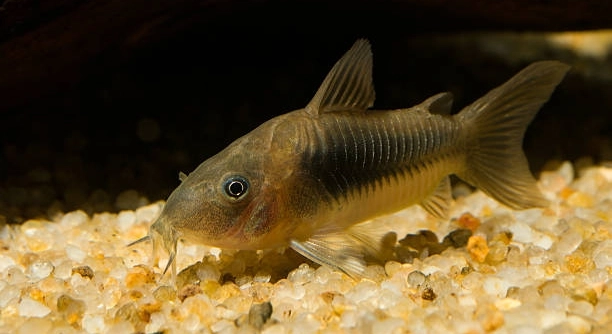
Corydoras catfish are resilient but can become stressed due to various factors. Stress can affect their health and behavior, making it essential to address it quickly. There are simple and effective ways to help your fish recover.
The primary method to alleviate stress in Corydoras catfish is to improve water conditions. Ensure stable water temperature, appropriate pH levels, and clean, well-oxygenated water. This provides a stress-free environment for your fish to thrive and recover.
By understanding these stress-reducing methods, you’ll be able to create a healthier environment for your Corydoras catfish.
Maintain Stable Water Temperature
One of the most important factors in keeping Corydoras catfish healthy is maintaining a stable water temperature. Sudden fluctuations in temperature can cause stress and lead to health problems. Corydoras thrive in water temperatures ranging from 72°F to 79°F (22°C to 26°C). Keeping the tank within this range will ensure that the fish are comfortable and less prone to stress.
If your tank temperature drops or rises suddenly, it can trigger physiological changes in the fish, which may weaken their immune system. Use a reliable aquarium heater to regulate temperature, and always monitor it with a thermometer. When the water temperature remains consistent, Corydoras will feel safer and recover faster from stress.
Temperature stability is crucial, as even minor changes can affect the fish’s metabolism and overall health. A thermometer placed at the tank’s surface will help you track any shifts. Pair this with a heater that maintains consistent warmth to create a stable environment.
Ensure Proper Water Quality
Water quality is directly tied to the health and recovery of your Corydoras catfish. Water conditions such as ammonia, nitrite, and nitrate levels need to be monitored. High levels of these chemicals can stress your fish and delay recovery. Regular water changes will help maintain healthy water and reduce toxic buildup.
To keep the water clean, perform partial water changes of around 25% every week. Test the water regularly with a quality test kit, focusing on ammonia, nitrites, and nitrates. Keeping the tank clean is just as important as temperature control when it comes to fish health.
In addition to routine water changes, use a good filtration system that can efficiently remove waste and debris. This keeps the water oxygenated, which is essential for Corydoras catfish, as they require high oxygen levels. You can also add live plants to help maintain water quality by absorbing excess nutrients.
Provide Hiding Spots
Corydoras catfish are naturally shy and prefer hiding spots where they can feel secure. Adding hiding spots to the tank can help reduce stress and provide a safe retreat for your fish. Small caves, plants, or decorations can create areas where they can rest and escape from potential threats.
Providing hiding places will help the fish feel less exposed, allowing them to regain their strength. Place these hiding spots strategically in different areas of the tank to give them more options. Avoid overcrowding the tank with too many decorations, as it can lead to territorial stress between the fish.
When Corydoras catfish feel threatened or stressed, they retreat to their hiding spots to reduce anxiety. By creating a comfortable environment with multiple places for them to hide, you ensure they can manage stress better. This simple step will promote their recovery.
Control Tank Lighting
Lighting can have a significant impact on the stress levels of your Corydoras catfish. Too much light can cause discomfort, while too little light can interfere with their natural behaviors. Corydoras prefer dim lighting or shaded areas, especially during the day. Provide natural lighting cycles with the use of a timer to simulate day and night.
Overly bright lights can create a stressful environment for these nocturnal fish. Dim lighting allows them to feel more comfortable, and their natural behaviors, like foraging, are not hindered. Avoid harsh or overly bright lights that can make your Corydoras anxious.
A simple timer for your aquarium light can help simulate natural light cycles, providing consistent day and night periods. Reducing light exposure at night helps reduce stress and allows your Corydoras to rest undisturbed. It’s a simple yet effective way to help your fish feel at ease.
Avoid Overcrowding the Tank
Overcrowding is a common cause of stress for Corydoras catfish. When too many fish are placed in a tank, it can lead to competition for space, food, and oxygen. This can increase stress levels and hinder their ability to recover from stress.
Ensure that your tank is spacious enough for the number of fish you have. The recommended stocking level is about one inch of fish per gallon of water. Providing ample space reduces territorial behavior and allows the Corydoras to feel more secure.
A less crowded environment encourages healthier behavior and promotes a faster recovery from stress. It’s important to keep the tank balanced to avoid overcrowding, which can otherwise lead to unnecessary strain on the fish.
Feed a Balanced Diet
Providing a balanced diet plays a vital role in reducing stress for Corydoras catfish. High-quality food supports their immune system and overall health. Offering a variety of foods such as sinking pellets, frozen or live foods, and vegetables will provide them with the nutrition they need to recover.
An unbalanced diet can weaken their immune system, making them more susceptible to diseases. Corydoras benefit from a diet rich in protein, as well as occasional plant matter. Feeding them a varied diet ensures they get the necessary nutrients and helps reduce stress.
Proper nutrition also helps in the healing process. A well-fed Corydoras will be more energetic, active, and better equipped to handle stress. Make sure to avoid overfeeding, as excess food can lead to poor water quality, further stressing the fish.
Limit External Stressors
External factors, such as loud noises or sudden movements, can also stress out Corydoras catfish. These fish are sensitive to vibrations and disturbances in their environment. It is essential to maintain a calm and quiet space around the aquarium to help your fish recover properly.
Avoid tapping on the tank or making abrupt movements around it. Corydoras catfish may become startled and stressed by sudden changes. Keeping their environment as calm as possible will help them feel safe and secure. Regular interactions should be minimal to prevent unnecessary stress.
By limiting external stressors, your Corydoras can relax and focus on recovering. Maintaining a peaceful and stable environment is key to reducing any stress and promoting healing.
FAQ
What are the signs that my Corydoras catfish is stressed?
Stress in Corydoras catfish can be observed through certain behavioral changes. These fish may hide more than usual, swim erratically, or show signs of lethargy. They may also exhibit rapid gill movements, or their color may become dull. Additionally, a stressed Corydoras may stop eating, which is a major indicator of distress. If you notice any of these signs, it’s crucial to assess the environment and make necessary adjustments.
How do I know if my Corydoras catfish is recovering from stress?
Recovery can be observed when your Corydoras starts swimming more normally and becomes more active. If they begin to explore the tank again, eat regularly, and return to their usual hiding spots when needed, it’s a good sign that they are recovering. A brighter color and a more relaxed swimming pattern also indicate a reduction in stress. It’s important to be patient, as recovery may take time depending on the severity of the stress.
Can stress cause long-term health problems in Corydoras catfish?
Yes, prolonged stress can lead to long-term health issues in Corydoras catfish. Chronic stress weakens their immune system, making them more susceptible to diseases and infections. Additionally, stress can cause physical problems such as fin rot, damaged scales, or improper growth. It can also lead to reproductive issues in breeding pairs. To prevent these long-term effects, it’s essential to address stressors promptly and ensure a stable, healthy environment.
How often should I check the water quality in my Corydoras tank?
Water quality should be checked at least once a week, but more frequent checks may be necessary if you notice signs of stress in your Corydoras. Testing for ammonia, nitrites, and nitrates ensures that the water is safe. A good filtration system can also help maintain water quality, but regular monitoring is key to preventing water-related stress.
What should I do if the water temperature fluctuates in my Corydoras tank?
If the water temperature fluctuates, it’s crucial to stabilize it immediately. Sudden changes can shock the fish and cause stress. Use a reliable aquarium heater to maintain a consistent temperature within the ideal range of 72°F to 79°F (22°C to 26°C). If fluctuations are due to external factors like room temperature, consider placing the tank in a more stable location or using an additional heater to control the environment.
Is it safe to add new fish to a tank with stressed Corydoras?
It’s best to wait until your Corydoras have recovered from stress before adding new fish to the tank. Introducing new fish to a stressed environment can increase tension and lead to aggression or further health issues. Once your Corydoras are stable, ensure that the new fish are compatible with the tank’s conditions, including water parameters and temperament, to avoid additional stress.
Can Corydoras catfish recover from severe stress?
Corydoras catfish can recover from severe stress, but it depends on the duration and cause of the stress. Immediate action is essential to provide the right environment and address the underlying issue. If the fish is showing signs of physical damage or illness, it may require medical treatment in addition to stress reduction. With proper care, many Corydoras can make a full recovery, but some may require more time and attention.
How do I prevent my Corydoras catfish from becoming stressed in the first place?
Preventing stress starts with maintaining a stable tank environment. Regular water changes, proper filtration, and consistent water temperature are essential. Avoid overcrowding the tank and provide enough hiding spots for the fish. Additionally, reduce external stressors like loud noises and sudden movements near the tank. Proper diet and tank mates are also important in ensuring your Corydoras stay stress-free.
Can I use aquarium medications while my Corydoras catfish is stressed?
It’s advisable to use aquarium medications cautiously while your Corydoras is stressed. Medications can sometimes add extra strain to a stressed fish. If medication is necessary due to illness, it should be administered in a quarantine tank, not the main aquarium, to minimize stress. Always follow the dosage instructions carefully and avoid administering treatments if the fish is not actively showing signs of illness.
Should I reduce the lighting in my tank to help reduce stress for Corydoras?
Yes, reducing the lighting in your tank can help reduce stress for Corydoras catfish. They prefer low light conditions and can become stressed under bright lighting. Using a dim light or providing shaded areas with plants or decorations allows your fish to feel more comfortable and secure. A regular day-night cycle can also help maintain their natural rhythms, contributing to their overall well-being.
What is the best diet for Corydoras catfish to help them recover from stress?
A balanced diet is crucial for recovery. High-quality sinking pellets are a staple for Corydoras, but they also benefit from live or frozen foods like bloodworms and brine shrimp. Occasional plant-based foods, such as blanched zucchini or peas, are also good for their digestive health. Providing variety ensures they get all the nutrients needed to regain strength and improve their immune system.
Can I use aquarium salt to help with stress in Corydoras catfish?
Aquarium salt can be used cautiously in certain situations to reduce stress or help with minor injuries, but it should be done carefully. Corydoras are sensitive to salt, and overuse can harm them. If you choose to use salt, ensure that it’s dissolved properly, and only add it in small amounts to avoid any adverse effects. Always research the proper usage based on the specific needs of your fish.
What type of filter is best for a Corydoras tank?
A gentle filter is best for Corydoras catfish. These fish prefer calm waters, so a strong current from a high-powered filter can cause stress. Choose a filter that provides good water circulation without creating turbulence. Sponge filters are often recommended for tanks with Corydoras because they provide both filtration and aeration without disturbing the fish too much.
Final Thoughts
Corydoras catfish are hardy and resilient, but like any fish, they are sensitive to stress. Identifying the signs of stress early can make a significant difference in their recovery. By maintaining a stable tank environment, providing the right diet, and reducing external stressors, you can help your Corydoras recover more quickly. The key is to be patient and give them time to adjust and heal, while actively managing the factors that may be contributing to their stress.
It’s important to understand that stress in Corydoras catfish can come from multiple sources, including overcrowding, poor water quality, sudden temperature fluctuations, and even tankmates. Managing these factors is crucial for keeping your fish healthy and comfortable. A well-maintained aquarium, with appropriate water conditions and the right tank setup, will go a long way in ensuring the overall well-being of your fish. Being mindful of their environment helps to prevent stress and supports long-term health.
Remember, recovery from stress can take time, and each fish is different. Some Corydoras may bounce back quickly, while others may need more time to adjust. Regular monitoring of water quality, diet, and behavior is essential. By staying proactive and making adjustments as needed, you can ensure your Corydoras catfish remain healthy and happy. With proper care, they can thrive in your aquarium for years to come.

Hello,
If you enjoy the content that we create, please consider saying a "Thank You!" by leaving a tip.
Every little bit helps us continue crafting quality advice that supports the health, happiness, and well-being of pets around the world, for pets of all shapes, sizes, and species.
We really appreciate the kindness and support that you show us!