
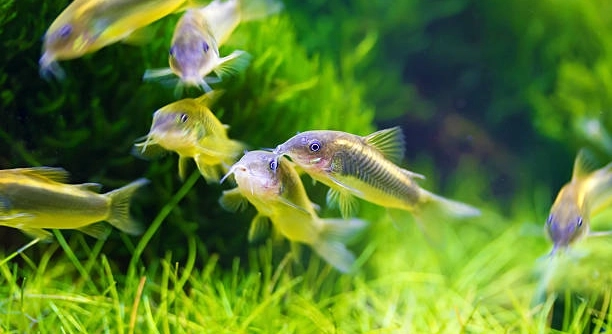
Is your Corydoras catfish acting a little different lately, leaving you unsure if something might be wrong in the tank?
The most reliable way to tell if your Corydoras catfish is acting abnormally is by closely observing changes in its behavior, such as lethargy, erratic swimming, or loss of appetite. These signs may indicate stress, illness, or poor water conditions.
From subtle shifts in movement to noticeable changes in appearance, learning to spot these signs early can make a big difference in your fish’s health and comfort.
7 Symptoms That May Show Your Corydoras Is Unwell
Corydoras catfish are usually active, peaceful fish that enjoy spending time at the bottom of the tank, often moving around in small groups. When something changes in their behavior or appearance, it’s important to take notice. Common symptoms that may point to an issue include rapid breathing, loss of appetite, hiding more than usual, faded coloring, swimming erratically, clamped fins, or lying still for long periods. These changes can be triggered by poor water quality, stress from other fish, or illness. Catching these signs early can make a difference in how well your fish recovers. It’s a good idea to keep a log of any changes you see, especially if they continue for more than a day or two. Acting quickly by checking water parameters and adjusting care can prevent things from getting worse. Most health issues in Corydoras can be fixed with small, timely changes.
A Corydoras that hides more often or stays still too long may be dealing with stress, sickness, or discomfort from water conditions.
Rapid breathing is one of the first signs that something might be wrong. It usually means the fish is not getting enough oxygen or is feeling stressed. This can happen when the water is too warm or the tank is not properly cleaned. Corydoras are sensitive to high ammonia or nitrite levels, so testing the water should be your first step. If the levels are too high, a partial water change and a clean filter can help. Always watch how your fish behaves after changes. If symptoms continue, you might need to isolate the sick fish or look into medications. It’s best to avoid using treatments unless you’re sure what’s wrong. Watching closely and keeping things simple can often solve the problem before it becomes serious. Prevention through regular care is easier than dealing with an ongoing health issue.
What Causes These Symptoms?
Most problems in Corydoras are linked to their tank environment or changes in how they are cared for.
The water quality is often the reason your Corydoras starts acting differently. Even small changes in temperature, pH, or ammonia levels can affect them. These fish thrive in clean, well-oxygenated tanks with soft, slightly acidic to neutral water. If there’s leftover food or waste building up, ammonia levels can rise quickly. Regular tank maintenance, like weekly water changes and keeping the filter clean, helps keep the balance. Another issue is stress caused by tankmates. Corydoras do best with peaceful fish and plenty of hiding spaces. If they’re bullied or feel unsafe, they may hide more or act anxious. Diet also matters—a lack of proper nutrients can lead to weakness or illness over time. Feeding them a balanced mix of sinking pellets, occasional live food, and blanched vegetables gives them the energy they need. Looking at these factors step by step can help bring your Corydoras back to its normal self.
How to Observe Your Corydoras Correctly
Watch your Corydoras when they are most active, usually during feeding time or early in the day. Normal behavior includes gentle swimming, group movement, and short bursts of activity near the bottom. Any major change from this pattern could be a sign that something’s wrong.
If your Corydoras starts swimming frantically, gasping near the surface, or separating from the group, it’s time to look closer. Check for signs like clamped fins, a bloated belly, or pale coloration. These subtle changes often show up before more obvious symptoms. Using a notebook or your phone to track changes daily can help you catch patterns early. Watching how they behave after meals or during water changes also gives helpful clues. A fish that ignores food or hides after eating may be feeling unwell. Set aside a few minutes a day for quiet observation without disturbing the tank too much.
It’s easier to notice abnormal behavior when you’re familiar with your Corydoras’s usual habits. Make a mental note of how they usually rest, swim, and interact with each other. This way, small changes—like one fish staying in a corner or breathing harder—will stand out more quickly. Keep the tank light low during observation to reduce stress.
What to Do If Something Seems Off
Start by testing the water for ammonia, nitrite, nitrate, and pH. Fixing water problems can often reverse mild symptoms quickly. Perform a partial water change and clean the substrate gently. Avoid overfeeding during this time.
If symptoms continue after the water is corrected, consider isolating the fish in a separate tank. Use clean, conditioned water and keep the temperature stable. Don’t add medicine right away—many problems improve just with clean water and rest. Observe the isolated fish for two to three days. If signs like white spots, ulcers, or erratic swimming persist, you may need to treat with a medication suited to the problem, like antifungals or antibiotics. Make sure to research the medicine first and follow the instructions carefully. Sometimes, removing aggressive tankmates or adding more hiding spots helps reduce stress. Patience and close monitoring go a long way in keeping your Corydoras healthy.
When to Seek Help from a Vet
If your Corydoras has visible wounds, swims sideways, or hasn’t eaten for more than two days, it’s best to contact an aquatic vet. Waiting too long can make the problem harder to treat. Early help gives your fish a better chance to recover.
Look for a vet who has experience with fish. Many general vets don’t treat aquarium species, so it’s worth calling ahead. Bring details about your tank setup, water test results, and photos or videos of the symptoms. This can help the vet figure out what’s going on faster.
Tips for Preventing Future Problems
Keep the water clean, stable, and well-oxygenated. Change 25–30% of the tank water weekly and vacuum debris from the substrate. Feed a balanced diet and avoid overfeeding. Choose peaceful tankmates and make sure your Corydoras has hiding spots. Quarantine new fish before adding them to the main tank.
Final Thoughts
Small signs can mean big problems if ignored. Watching your Corydoras closely and acting early makes all the difference.
FAQ
How do I know if my Corydoras is stressed?
Stress in Corydoras can show in several ways. If your fish is hiding more often, not eating, or swimming erratically, these are signs of stress. They may also stop interacting with tankmates or appear more skittish than usual. The water quality, tankmate behavior, or environmental changes can all be contributing factors. Stress can also cause them to breathe faster or more heavily, which is often linked to poor water conditions or sudden temperature changes. It’s important to test the water regularly and keep the tank environment stable.
What should I do if my Corydoras isn’t eating?
If your Corydoras isn’t eating, it could be a sign of stress, illness, or water quality issues. First, check the water parameters, including ammonia, nitrites, and temperature. Poor water conditions are often the root cause of loss of appetite. If the water checks out, try offering different types of food, like sinking pellets, frozen food, or live food. Sometimes, Corydoras can get stressed if they feel threatened or if there are tankmates that bully them. Ensure there are plenty of hiding spots in the tank. If the fish still isn’t eating after a few days, it may be worth isolating it to reduce stress and help it recover.
Why is my Corydoras swimming sideways or upside down?
Swimming sideways or upside down is a serious symptom of a problem. This behavior may indicate a swim bladder disorder, which can be caused by overfeeding, water quality issues, or infection. A Corydoras with a swim bladder problem may also have difficulty staying upright or may float near the surface. If the issue persists, you should check the water conditions, remove excess food, and possibly isolate the fish. In some cases, antibiotics or other treatments might be necessary, so contacting a vet could be helpful.
Can Corydoras get parasites?
Yes, Corydoras can get parasites just like other fish. Common parasites that affect them include ich (white spot disease), velvet, and external worms. Symptoms of parasites include spots on the skin, a decrease in activity, rubbing against objects, or abnormal swimming patterns. If you suspect parasites, it’s crucial to treat the tank with an appropriate medication and quarantine infected fish if necessary. Parasites can spread quickly, so immediate action can prevent it from affecting other tankmates.
How do I treat fin rot in my Corydoras?
Fin rot is usually caused by bacterial infections and is often linked to poor water quality. Symptoms include frayed, discolored fins, and sometimes, a lack of appetite or lethargy. To treat fin rot, first, perform a water change and clean the tank thoroughly. It’s also important to ensure the water temperature and pH are within the correct range. If the infection seems advanced, you might need to use a bacterial treatment or aquarium salt to help the healing process. Be sure to isolate the affected fish if necessary and monitor them closely. Keeping the tank clean and reducing stress is key to preventing fin rot in the future.
Why is my Corydoras turning pale or losing color?
When a Corydoras loses its color or turns pale, it may be due to stress, illness, or water quality problems. Poor water conditions, such as high ammonia levels, can lead to faded coloring. Stress from aggressive tankmates, overcrowding, or improper temperature can also cause a Corydoras to lose its vibrant appearance. If your Corydoras is pale, start by checking the water quality and making any necessary adjustments. A change in diet or introducing new tankmates that are less aggressive might help. If the condition persists, consider seeking veterinary advice.
How can I prevent my Corydoras from getting sick?
Preventing illness in Corydoras is about keeping their environment clean and stable. Regular water changes (about 25–30% weekly) are essential for maintaining healthy water parameters. Keep the tank temperature and pH within the recommended range and test the water often. Avoid overfeeding and remove any uneaten food quickly to prevent water contamination. Providing a varied diet with sinking pellets, occasional live food, and some vegetables ensures they get the right nutrition. Finally, monitor your Corydoras’s behavior closely, and make sure your tankmates are peaceful to avoid unnecessary stress.
Is it normal for my Corydoras to bury itself in the substrate?
Yes, Corydoras often bury themselves in the substrate, especially when they are resting or searching for food. They are natural bottom-dwelling fish, and this behavior is part of their normal routine. It’s completely normal to see your Corydoras digging around in the gravel or sand, either to hide or forage for leftover food. However, if the fish is staying buried for extended periods or seems lethargic while doing so, it may indicate a health problem, such as stress, infection, or poor water quality. Keep an eye on their overall behavior.
What should I do if my Corydoras has white spots?
White spots on your Corydoras’s body are likely a sign of ich, also known as white spot disease. This is a common parasite that affects many types of fish. Ich is highly contagious and can spread quickly throughout the tank if not treated promptly. The best treatment is to raise the water temperature slightly (but not too quickly) and add an ich treatment solution to the tank. Make sure to follow the instructions carefully. During treatment, keep the water clean and continue to monitor the health of your fish. Isolating the affected Corydoras in a quarantine tank can prevent the spread of the disease to other fish.
Can I keep Corydoras with other fish?
Yes, Corydoras are peaceful and social fish that can be kept with many other species, especially those that are calm and not too aggressive. They tend to do well with other bottom dwellers or community fish, as long as the tank is large enough to prevent overcrowding. Avoid keeping them with large, aggressive fish that may harass or bully them. Corydoras are also sensitive to fin-nipping species, so it’s best to keep them with fish that are not overly territorial. Always introduce new fish slowly and monitor their interactions closely.
Final Thoughts
Corydoras catfish are generally hardy and peaceful fish, making them a great addition to most aquariums. However, like any pet, they need proper care and attention to stay healthy. Observing your Corydoras daily can help you spot changes in their behavior or appearance early, which can prevent more serious problems from developing. The key is consistency—maintaining clean water, providing a balanced diet, and ensuring a stress-free environment will go a long way in keeping your fish happy.
If you notice any unusual behavior or physical changes in your Corydoras, it’s important to act quickly. Common issues, such as stress or poor water quality, can be resolved with simple adjustments, like cleaning the tank or doing a water change. However, more serious problems, like parasites or infections, may require professional treatment. Always remember that isolating a sick fish can help prevent the spread of illness to others in the tank. If symptoms persist, seeking advice from an aquatic vet will give you the best chance to help your fish recover.
Taking care of Corydoras is about more than just fixing problems as they arise—it’s about creating a healthy and balanced environment where your fish can thrive. Regular maintenance, observing their behavior, and providing the right care will ensure they live a long and healthy life. By paying attention to small details, you can make sure your Corydoras stay active and vibrant, enjoying their peaceful life in your aquarium.

Hello,
If you enjoy the content that we create, please consider saying a "Thank You!" by leaving a tip.
Every little bit helps us continue crafting quality advice that supports the health, happiness, and well-being of pets around the world, for pets of all shapes, sizes, and species.
We really appreciate the kindness and support that you show us!