
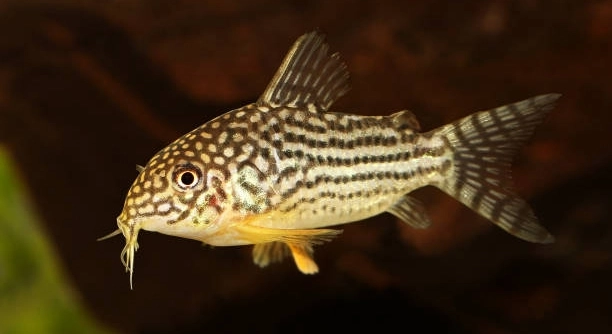
Corydoras catfish are small, peaceful creatures that thrive in groups. These friendly fish are often seen swimming together in schools, exhibiting interesting behavior that serves a vital purpose for their survival.
Corydoras catfish form schools primarily for protection, socialization, and environmental factors. The safety of numbers helps reduce predation risks, while schooling also allows them to communicate and cooperate with one another in their aquatic environment.
Understanding why these fish prefer to school can help improve your aquarium setup. Keep reading to explore the reasons behind their social behavior and how to ensure they thrive in your tank.
Protection from Predators
One of the main reasons Corydoras catfish prefer to group together is for protection. In the wild, these small fish face many predators, including larger fish and birds. By schooling, they create confusion for predators, making it harder for a single fish to be singled out. This strategy improves their chances of survival, as predators are less likely to catch a fish from a school than one swimming alone. The safety in numbers is crucial to their survival, and it’s a behavior seen in many other species of fish as well.
When Corydoras are in groups, they feel more secure, and they often stay close to each other. In an aquarium setting, this behavior is just as important for their well-being. Ensuring your Corydoras are in a group of at least six can help mimic their natural instincts, keeping them less stressed and more active.
In an aquarium, you can provide the same level of safety by adding hiding spots. These spots help Corydoras feel more secure and reduce anxiety. Offering places where they can retreat during the day will make them feel less vulnerable, leading to healthier and more active fish.
Social Interaction
Corydoras catfish are not solitary animals; they are naturally social. In the wild, they engage with one another in various ways, including scavenging for food and swimming together in unison. The presence of other catfish encourages a healthy level of interaction and activity. In an aquarium, these interactions help to keep them mentally stimulated and emotionally balanced.
Without enough company, Corydoras may become stressed, leading to poor health or even sickness. While they can live alone, they thrive in groups, and their social behavior is key to their overall well-being. The dynamics of a school allow them to develop bonds and maintain a sense of community, something crucial to their species.
Ensuring your Corydoras are kept in groups with the right amount of space allows them to engage in natural behaviors like schooling, playing, and foraging together. Not only does this make them more active, but it also reduces the chance of loneliness or stress. Healthy social interactions will help keep your fish happy and content.
Communication and Coordination
Corydoras catfish use their schooling behavior to communicate and coordinate with each other. When one fish detects danger or finds food, the others quickly follow suit. This collective action helps the group stay together and respond to changes in their environment.
These fish communicate through subtle movements, like swimming in a coordinated manner. Their schooling behavior helps them react to threats or food sources faster than they would individually. This interaction also keeps the group moving in a more synchronized way, helping them avoid predators and successfully forage. In the aquarium, you might notice this same behavior, especially when they detect new food.
Coordination within the school also aids in their feeding habits. Corydoras are bottom feeders, often scavenging the substrate for food. By schooling, they work together to find and share food more efficiently. This collaboration not only ensures they get enough nutrition but also strengthens their bonds with each other. It’s a key part of their daily life, both in the wild and in captivity.
Stress Reduction
Being in a group can significantly reduce stress for Corydoras catfish. In the wild, being alone would make them more vulnerable to predators. By sticking together, they feel more secure and less anxious about their environment.
In an aquarium, the presence of other Corydoras helps mimic their natural habitat. If kept alone, these fish might feel isolated and stressed, which can lead to poor health. The social interaction within a school provides emotional comfort. It encourages them to move around freely and reduces the likelihood of stress-induced behaviors like hiding or lethargy.
Corydoras that are stressed out might display unhealthy signs, such as staying at the bottom of the tank or refusing food. A school helps provide the safety net they need to be more active and healthy. This stress-reducing effect is essential for long-term well-being, ensuring they remain happy and thriving in your aquarium.
Environmental Comfort
Corydoras catfish prefer the comfort of a familiar environment. Swimming in a group creates a sense of stability, which is especially important in new or unfamiliar surroundings. This behavior helps them feel more at ease in different settings.
In an aquarium, providing a consistent and stable environment helps them feel safe and secure. A well-maintained tank with proper water conditions and hiding spots allows Corydoras to thrive. Grouping together helps these fish adjust more easily to changes in their environment, reducing stress and promoting overall health.
Keeping your Corydoras in a school simulates their natural behavior and enhances their well-being. It provides them with the comfort they need to be active and healthy.
Feeding Efficiency
Schooling increases the efficiency with which Corydoras find and consume food. As bottom feeders, these catfish work together to scavenge for food, allowing them to cover a larger area. This cooperation ensures that no one fish is left without food.
When kept in a group, Corydoras often forage together in a synchronized manner, helping them spot food quickly. This shared feeding time creates less competition among them, and the food distribution is more balanced. Additionally, they feel more confident when they’re in groups, allowing them to feed actively instead of hiding due to fear.
Reproductive Behavior
Corydoras catfish are more likely to breed when they are kept in groups. In the wild, a school of Corydoras provides the ideal environment for mating. The presence of multiple fish helps them form the necessary bonds for reproduction.
In an aquarium, keeping a group of Corydoras encourages natural courtship behaviors. Mating typically involves males chasing females and performing specific rituals. These fish will often breed more readily in schools, especially when water conditions are ideal. When properly cared for, your Corydoras are more likely to thrive and reproduce, continuing their cycle.
FAQ
Why do Corydoras need to be in groups?
Corydoras are social fish, and they thrive in groups due to their natural instincts. In the wild, being part of a school helps them stay safe from predators, find food more easily, and interact socially. In an aquarium, keeping them in groups reduces stress, promotes healthier behavior, and encourages more active movements. A group of at least six Corydoras is recommended to replicate their natural behavior and keep them feeling secure.
How many Corydoras should I have in my aquarium?
Ideally, you should have at least six Corydoras in your aquarium. They are naturally social creatures, and keeping them in smaller groups can cause stress, making them more vulnerable to illness and inactivity. A group of six or more provides them with a sense of security and encourages social interaction, which helps them feel more comfortable and active. The size of your tank should also accommodate this number, as overcrowding can lead to water quality issues.
Can Corydoras live alone?
While Corydoras can technically live alone, it is not recommended. These fish are social and feel most at ease when surrounded by others of their kind. Living alone can lead to loneliness and stress, which negatively affects their health. In the wild, they rely on schooling for protection and companionship, so it’s best to mimic that behavior in your aquarium for their well-being.
What happens if Corydoras are kept alone?
If Corydoras are kept alone, they may become stressed and lethargic. They could hide more often, refuse to eat, and may even show signs of physical stress, like faded coloration. Over time, this isolation can weaken their immune system, making them more susceptible to illness. Keeping them in a group, however, ensures they remain active, social, and healthy.
Can Corydoras school with other fish?
Corydoras typically school with their own species. While they might swim alongside other types of fish, they don’t usually form schools with them. The instinct to school is species-specific, and Corydoras feel more comfortable with other Corydoras. However, Corydoras are peaceful and can live with many other fish species in a community tank, as long as the tankmates are not aggressive or large enough to pose a threat.
What size tank do Corydoras need?
Corydoras are small fish, but they still require a tank with enough space to swim and form a school. A minimum of a 20-gallon tank is recommended for a small group of Corydoras. The tank should provide enough room for them to interact and explore. If you plan to keep more fish in the tank, it’s a good idea to increase the size accordingly to avoid overcrowding and maintain good water quality.
Do Corydoras need a filter?
Yes, Corydoras do best in aquariums with proper filtration. They are sensitive to poor water quality, and a filter helps maintain stable conditions by removing debris and toxins. Corydoras prefer clean, well-oxygenated water, and a filter is essential for keeping their environment healthy. However, it’s important to choose a filter with a gentle flow, as Corydoras prefer calmer water.
How often should I feed Corydoras?
Corydoras are bottom feeders and will scavenge for food throughout the day. It’s best to feed them small amounts of food two to three times a day. Since they are bottom dwellers, you may want to offer sinking pellets or wafers that are designed for bottom-feeding fish. Ensure they get enough food without leaving excess, as decaying food can pollute the water.
What do Corydoras eat?
Corydoras are omnivores and will eat a variety of foods. Their diet should consist of sinking pellets, frozen or live food like bloodworms and brine shrimp, and occasional vegetable matter such as blanched zucchini or spinach. They will also scavenge leftover food from the aquarium substrate. It’s important to feed them a balanced diet that includes protein, fiber, and other nutrients.
How long do Corydoras live?
Corydoras can live for around 5 to 10 years with proper care. Their lifespan can vary depending on factors like water quality, diet, and general aquarium conditions. Providing a stable, clean environment with a proper diet helps ensure they live a long and healthy life. Regular maintenance of the tank, including water changes, will also contribute to their longevity.
Are Corydoras easy to care for?
Yes, Corydoras are relatively easy to care for. They are hardy fish and can adapt to various water conditions, though they prefer slightly acidic to neutral water with temperatures between 72-78°F (22-26°C). They require a clean tank with gentle filtration, as they are sensitive to poor water quality. They are peaceful and can live with a wide range of other fish, making them a popular choice for community tanks.
Do Corydoras breed in captivity?
Corydoras can breed in captivity, but it typically requires specific conditions. A breeding group of at least six Corydoras is ideal, and the water temperature should be slightly higher than usual (around 78°F or 25°C). Breeding often occurs when they feel secure, and there’s plenty of food available. After mating, the female will lay eggs on surfaces like plants or decorations. Once the eggs hatch, the fry should be fed infusoria or specially prepared fry food.
Final Thoughts
Corydoras catfish are fascinating creatures with unique social behaviors that make them stand out in the aquarium world. They are peaceful, bottom-dwelling fish that enjoy the company of their own kind, and keeping them in groups is essential for their well-being. By schooling together, they reduce stress, communicate with one another, and increase their chances of survival. This instinctual behavior is something that can be easily replicated in home aquariums by maintaining a group of at least six Corydoras. Providing the right environment, including clean water and enough space for them to move freely, will ensure they stay healthy and active.
One of the main reasons Corydoras thrive in groups is because of their natural need for protection. In the wild, their schooling behavior helps them avoid predators and find food more efficiently. The presence of others helps them feel secure and reduces anxiety, making them more likely to stay active and socialize. In an aquarium setting, this translates to healthier and more vibrant fish. Keeping them in a school also allows them to engage in their natural behaviors like scavenging and playing, which are essential for their happiness and overall well-being.
When setting up your aquarium for Corydoras, it’s important to remember that they are not only social but also peaceful. They can coexist with many other species in a community tank, as long as the tankmates are compatible in size and temperament. Regular maintenance, such as water changes and ensuring proper filtration, will keep their environment in top shape. By providing the proper care, food, and social conditions, you can enjoy the company of these charming fish for many years, watching them interact with one another and flourish in a peaceful, thriving tank.

Hello,
If you enjoy the content that we create, please consider saying a "Thank You!" by leaving a tip.
Every little bit helps us continue crafting quality advice that supports the health, happiness, and well-being of pets around the world, for pets of all shapes, sizes, and species.
We really appreciate the kindness and support that you show us!