
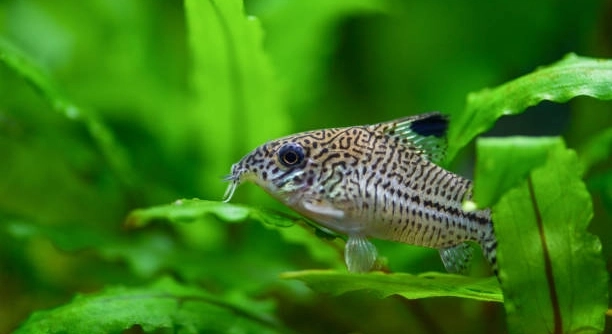
Corydoras catfish are often seen swimming near the bottom of the tank, a behavior that can sometimes be confusing for aquarium owners. Understanding why your Corydoras prefer staying near the bottom can help keep your fish happy and healthy.
Corydoras catfish typically swim near the bottom of the tank due to their natural instincts. As bottom dwellers, they prefer the substrate for foraging and hiding. Factors like water quality, tank mates, and stress can influence this behavior.
Learning more about why this behavior occurs can ensure that your fish are comfortable and thriving. Understanding these factors is key to a better aquarium experience for both you and your Corydoras.
Natural Behavior of Corydoras Catfish
Corydoras catfish are naturally bottom-dwelling fish. They have specialized barbels around their mouths, which help them search for food in the substrate. This behavior is instinctive and not necessarily a sign of stress. In the wild, these fish are often found in rivers and streams with muddy bottoms, where they search for small food particles. This is why you may find them near the bottom of your tank most of the time. They feel most secure when close to the substrate, where they can hide and scavenge for food.
Even if everything in your tank seems fine, this behavior is quite normal. Corydoras catfish are not designed to swim in the open water like some other fish species. Their tendency to stick to the bottom is simply part of who they are as a species.
You can make sure your Corydoras have enough space and substrate to explore. Providing them with plants and hiding spots can help them feel safe, which may encourage natural behavior. The bottom of your tank can be a great place for them to forage for leftover food and interact with their environment.
Water Quality Matters
Poor water quality is a common reason why Corydoras might swim only near the bottom. If the water is dirty or oxygen levels are low, they may avoid swimming higher up in the tank. Clean water helps them feel secure and allows them to swim around more freely.
Maintaining the proper water conditions is essential for all fish, but especially for bottom-dwellers like Corydoras. Poor water quality can lead to stress, which affects their behavior. Corydoras rely on clean water to thrive. Inadequate filtration or frequent water changes can cause the water quality to deteriorate. Regular testing of the tank’s water is important to make sure it remains safe for your fish. Ammonia, nitrites, and nitrates should all be within safe ranges.
When water quality is ideal, Corydoras catfish are more active and may swim around the tank. They feel more comfortable exploring the entire tank when the environment is stable. In addition to proper water filtration, you should also check for things like water temperature, pH levels, and any chemicals that might have been introduced into the water.
Tank Mates and Stress
Stress caused by aggressive tank mates is another reason why your Corydoras may swim near the bottom. Corydoras catfish are peaceful fish and can easily be intimidated by more active or aggressive species. Fish that swim aggressively or compete for food can cause stress, leading the Corydoras to retreat to the bottom for safety. Even if tank mates don’t show visible aggression, the constant movement or territorial behavior can still create an environment of stress for bottom-dwelling fish.
If you notice that your Corydoras spend more time at the bottom after adding new fish to the tank, this might be the reason. Some fish species are better suited for tank setups with Corydoras, while others may not get along as well. It’s crucial to ensure that the fish in your tank have compatible temperaments. Consider the swimming behavior, size, and aggression levels of potential tank mates before introducing them. Corydoras are peaceful fish that will thrive in a community tank with non-aggressive species that don’t compete heavily for resources.
Be mindful of the social dynamics in your tank. Creating a peaceful environment will help your Corydoras feel more secure and less likely to stay at the bottom. Adding more hiding spots and plants can also help your catfish feel protected from potential stressors.
Water Temperature and Corydoras Behavior
Corydoras catfish are sensitive to water temperature. If the water is too cold, they may remain near the bottom to conserve energy. Low temperatures can slow down their metabolism, causing them to be less active overall. On the other hand, water that is too warm can also cause stress, leading to unusual behavior.
To keep your Corydoras comfortable, the water temperature should ideally range between 72°F and 78°F (22°C to 26°C). If the temperature falls below or rises above this range, it may cause your catfish to retreat to the bottom more often. Sudden temperature fluctuations can also be harmful, so it’s best to keep the tank stable.
Using a reliable aquarium heater can help maintain the proper temperature. It’s also essential to monitor the temperature regularly with a thermometer. If your tank has temperature fluctuations, consider improving the insulation of the tank or using a more powerful heater to maintain consistency.
Diet and Foraging
Corydoras catfish are bottom feeders that enjoy scavenging for food. If they aren’t getting enough food or if the food isn’t sinking to the bottom, they might stay near the substrate, searching for leftovers. Over time, they may avoid swimming higher up if they feel there is a lack of food at higher levels.
It’s essential to feed your Corydoras catfish food that sinks to the bottom, like sinking pellets, and make sure it’s distributed evenly throughout the tank. If food only floats on the surface or higher in the tank, your catfish might not feel comfortable exploring for it. They thrive when they can find food easily on the bottom.
Also, ensure your Corydoras aren’t competing for food with other fish species. Aggressive eaters may grab all the food before your catfish get a chance to enjoy it. By ensuring they have enough food near the bottom, your Corydoras will feel less stressed and more active.
Aquarium Size and Space
If your aquarium is too small, Corydoras catfish may stay near the bottom due to limited space. A cramped tank can make them feel confined, which may lead to a decrease in swimming activity. Larger tanks give them more room to move around.
A tank that’s too small can cause stress, even if water quality and temperature are right. Corydoras prefer spacious environments where they can swim freely, forage, and find hiding spots. If your tank is overcrowded, your Corydoras may not feel safe enough to explore the entire space.
Providing ample space allows your fish to express their natural behavior, improving their overall health and well-being. Consider upgrading to a larger tank if possible, especially if you plan on adding more fish. A spacious environment can reduce stress and encourage more activity.
Lighting and Its Effects
Corydoras catfish may also swim near the bottom if the aquarium lights are too bright. These fish prefer low-light conditions and may avoid areas where lighting is harsh or intense. Darker areas in the tank can make them feel safer.
A dimmer light or the use of plants to block the light will help create a more comfortable environment for your Corydoras. This can encourage them to swim more freely and explore the middle or top sections of the tank. Providing shaded areas can give them the opportunity to feel more secure.
Illness or Injury
If your Corydoras are swimming only near the bottom, it could be a sign of illness or injury. When fish are unwell, they often reduce their activity levels and stay in low areas of the tank. Illness can cause them to feel weak and avoid swimming freely.
FAQ
Why do Corydoras catfish swim only at the bottom?
Corydoras catfish are bottom-dwelling fish by nature. They use their barbels to search for food along the substrate, and they feel safest when close to the bottom. This behavior is instinctive, not a sign of stress or illness. As bottom feeders, they naturally stay near the tank’s substrate to forage and explore. It’s important to provide them with plenty of hiding spots and substrate to make them feel secure. If everything else in the tank is healthy, this behavior is simply part of who they are.
Can water temperature affect how much Corydoras swim?
Yes, water temperature plays a significant role in the behavior of Corydoras catfish. If the water is too cold or too warm, they might become sluggish and swim less. Corydoras thrive in a temperature range of 72°F to 78°F (22°C to 26°C). If the temperature falls outside this range, they may spend more time at the bottom to conserve energy or avoid stress. Sudden changes in temperature can also shock their system, making them less active. Consistent water temperature is essential for keeping your Corydoras happy and active.
How can I improve my Corydoras’ environment?
To make your Corydoras more comfortable, ensure the tank has a soft substrate like sand or fine gravel. They like to dig through it to search for food. Adding plants and decorations will give them hiding spots, which makes them feel secure. Make sure your tank has adequate filtration to maintain clean water, as poor water quality can lead to stress. Also, avoid bright lights that could make them feel exposed. Ensuring proper water parameters (temperature, pH, and hardness) will help your Corydoras stay healthy and active.
Should I be concerned if my Corydoras never swim at the top?
It’s not unusual for Corydoras catfish to avoid the top of the tank. As bottom dwellers, they are naturally inclined to stay near the substrate. If your Corydoras are active at the bottom and eating well, there’s no need to worry. However, if they seem lethargic or spend too much time hiding, it could indicate a problem with water quality, temperature, or tank mates. As long as they are swimming around at the bottom, foraging, and behaving normally, this behavior is just part of their natural instincts.
Can I keep Corydoras with other fish?
Corydoras are peaceful fish and generally get along well with other non-aggressive species. However, they can be stressed by larger, more aggressive tank mates that might chase them or compete for food. It’s best to keep them with fish that don’t swim aggressively or dominate feeding times. Consider species that are calm and don’t occupy the bottom of the tank, like small tetras or peaceful livebearers. A well-balanced community tank with compatible species will help your Corydoras feel more secure and active.
Do Corydoras need to be in groups?
Yes, Corydoras are social fish and should be kept in groups of at least three to five. When kept alone, they may feel stressed and less secure. A group allows them to interact and feel more confident in their environment. Having companions also encourages more natural behaviors, like swimming and foraging together. If you have a small tank, it’s still a good idea to keep at least two Corydoras, but a larger tank is ideal to support a small group. The presence of other Corydoras helps reduce stress and promotes healthier, more active fish.
Can Corydoras live with shrimp?
Corydoras and shrimp can coexist in the same tank, as long as the shrimp species are peaceful and not too small. Corydoras are bottom feeders and won’t typically bother shrimp, but be cautious with very tiny or delicate shrimp, as they might get accidentally disturbed. Shrimp like Amano shrimp, Cherry shrimp, or Ghost shrimp are usually safe companions for Corydoras. However, avoid keeping them with larger, more aggressive shrimp species that may threaten the catfish or steal food.
What should I feed my Corydoras?
Corydoras are omnivorous bottom feeders that enjoy a varied diet. You can feed them sinking pellets, frozen or live foods like bloodworms and brine shrimp, and occasional plant matter such as blanched zucchini or spinach. It’s important to offer sinking foods because Corydoras prefer foraging near the substrate. Make sure to provide enough food for them to forage throughout the day, as they are scavengers. Overfeeding can lead to poor water quality, so offer small amounts of food that they can finish in a few minutes.
Can Corydoras live with other bottom feeders?
Corydoras can live with other bottom feeders, but compatibility depends on the species. They generally do well with other peaceful bottom dwellers like loaches or smaller species of catfish. However, avoid keeping them with other highly territorial bottom feeders that might compete for space or food. Larger species that share the bottom of the tank may cause stress or aggression. Be sure to choose tank mates that are compatible in temperament and size to ensure a peaceful and healthy tank environment for all fish.
What is the ideal tank size for Corydoras?
Corydoras can thrive in tanks as small as 20 gallons if they are kept in small groups. However, larger tanks provide more space for swimming and foraging, which benefits the overall health of the fish. A larger tank also helps maintain stable water parameters and reduces stress from overcrowding. If you plan to keep multiple Corydoras, or if you want to add other fish species, consider a tank size of 30 gallons or more. The more space they have, the more comfortable and active they will be.
Final Thoughts
Understanding why your Corydoras catfish swim near the bottom can help you create a better environment for them. These fish are naturally bottom dwellers, so it’s important to remember that this behavior is normal and part of their nature. They feel most comfortable near the substrate where they can forage for food and find shelter. As long as they are active, eating well, and not showing signs of illness, there’s no need to be concerned about their bottom-swimming habits. It’s simply how they thrive in their aquatic world.
However, there are several factors that could influence how much time your Corydoras spend at the bottom. Water quality, temperature, and the presence of aggressive tank mates are all things that should be monitored closely. If your Corydoras seem more lethargic than usual or are hiding too much, it might be time to check your tank’s conditions. Poor water quality or sudden temperature changes can stress them out and cause them to stay near the bottom more than normal. Keeping your tank clean and maintaining stable water conditions will help reduce any potential stressors that could impact your fish’s behavior.
Lastly, don’t forget that Corydoras are social creatures. Keeping them in groups of at least three to five can make them feel more secure and comfortable. These fish prefer to swim and interact with others of their kind. A larger tank with plenty of hiding spaces, soft substrate, and appropriate lighting will provide them with an ideal environment to thrive. With the right care, your Corydoras will continue to do what they do best—scavenging along the bottom, staying active, and enjoying a peaceful life in your aquarium.

Hello,
If you enjoy the content that we create, please consider saying a "Thank You!" by leaving a tip.
Every little bit helps us continue crafting quality advice that supports the health, happiness, and well-being of pets around the world, for pets of all shapes, sizes, and species.
We really appreciate the kindness and support that you show us!