
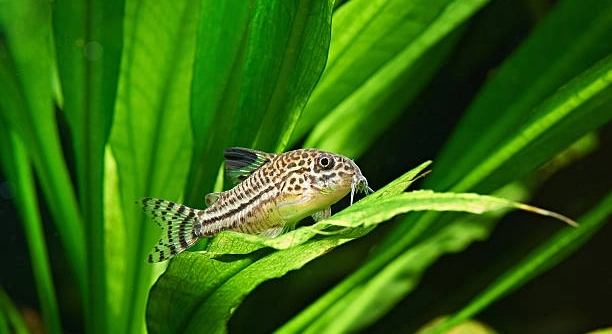
Corydoras catfish are popular aquarium pets due to their friendly nature. Many fish owners enjoy interacting with these bottom dwellers, but it can be tricky to tell if your catfish truly enjoys your company.
Corydoras catfish exhibit several behavioral signs that indicate they enjoy interacting with you. These include approaching the glass when you’re nearby, actively swimming around when you feed them, and exhibiting playful behavior during water changes or tank cleaning.
These subtle yet meaningful behaviors show a deeper connection with your catfish. Keep an eye on these clues to understand your fish better.
Signs Your Corydoras Catfish is Comfortable Around You
If your Corydoras catfish is comfortable with your presence, you’ll start to notice certain patterns in its behavior. One key indicator is how they react when you approach the tank. Fish that are familiar with their owners may swim near the glass, showing interest in what’s going on. They can become more curious, even seeming to recognize when it’s feeding time. As you get closer, they’ll often come to the surface or approach the tank wall, as if excited to see you.
Catfish that feel safe around their owners often show these behaviors repeatedly. This isn’t limited to just feeding. When you’re nearby, they might swim actively instead of staying still or hiding. A calm, playful attitude is a good sign that your catfish enjoys your company.
Additionally, these fish sometimes play with other tank mates or explore new areas when you’re around. This means they are comfortable in their environment and with you present. Understanding these signals helps ensure your pet’s comfort and happiness in its tank.
Feeding Time: A Clear Indicator
At feeding time, your Corydoras catfish may swim to the surface or the front of the tank, eagerly waiting for food. This can show trust and a connection with you, especially if they come up every time you approach with food.
Your catfish’s behavior during feeding times can also highlight their level of comfort. If they eagerly dart toward you and explore their surroundings while you’re present, it means they have learned to associate you with positive experiences. They are actively engaging and anticipating the feeding routine. Over time, you may notice them getting more active or even following your movements.
If your catfish consistently shows this excitement around feeding, it’s a sign that they’re happy with their environment and the routine you’ve set for them. A healthy and happy catfish will eagerly anticipate these moments, demonstrating trust in you.
Swimming Patterns Reveal Comfort
If your Corydoras catfish is enjoying your presence, their swimming patterns will change. Healthy, content catfish tend to swim actively rather than staying hidden at the bottom of the tank. When they are around you, they may move more freely, exploring different parts of the tank.
You might also notice your catfish darting back and forth along the glass or swimming to different levels of the tank. This behavior indicates that the catfish is feeling safe and playful, not stressed or scared. If they swim confidently while you’re nearby, this shows that they trust their environment and you.
Consistent movement and curiosity are signs of a happy fish. It’s an indication that your catfish enjoys exploring and feels secure enough to move around even with you close by. Active swimming is a good sign that your fish is comfortable in your presence.
Bubbles and Water Surface Interactions
When Corydoras catfish are comfortable, they may spend time near the surface of the water, creating small bubbles or interacting with the tank surface. These small signs can indicate that they are relaxed and at ease, especially if they do this while you’re near.
This behavior often occurs when the fish are exploring their environment, and it can happen when you’re close to the tank. It’s a sign that they’re not shy and are curious about their surroundings. Sometimes, they will come up for a brief swim near the surface, especially when looking for food. When they exhibit these behaviors, it shows they are not anxious and are willing to interact in their environment.
Catfish that frequently hang around the surface of the water are likely very comfortable with you. They are not just tolerating your presence but are actively participating in their habitat with confidence and calmness. This is one of the most reliable signs your fish enjoys interacting with you.
Interactive Behavior with Tankmates
Corydoras catfish that enjoy interacting with you often display more social behavior with other fish in the tank. They may swim alongside their tankmates or engage in playful chasing. This social interaction suggests they feel safe and confident in their environment.
When they interact well with their tankmates, it’s an indicator of comfort. They won’t hide away or avoid other fish, but instead, will actively participate in the communal life of the aquarium. This can be especially true when your catfish is familiar with the routine and feels safe within their surroundings.
Healthy, social interactions with other fish are important signs your Corydoras catfish is comfortable with both you and the tank environment. A catfish that stays hidden or isolates itself from tankmates could be feeling stressed or insecure.
Exploration of Tank Corners
If your Corydoras catfish is enjoying their environment, they’ll often explore every corner of the tank. They’ll swim around decorations, plants, and even the substrate. Their curiosity shows that they’re at ease in their space and open to new experiences.
Exploring various parts of the tank helps your fish stay mentally and physically active. It’s a sign that they are not just passive observers but are genuinely engaged with their environment. When catfish explore, it also means they trust the space enough to move around without fear of danger. Their movements become more confident, and they seem less hesitant about venturing into different areas of the tank.
Regular Behavior During Water Changes
Water changes can be a stressful event for many fish, but if your Corydoras catfish is relaxed during these times, it is a sign of a positive relationship with you. They may stay active, swim freely, and even show curiosity about the water change process.
FAQ
How can I tell if my Corydoras catfish is stressed?
Stressed Corydoras catfish often exhibit a few noticeable behaviors. They may stay hidden, refuse to eat, or swim erratically. If your fish is constantly hiding or staying in a corner, it might be anxious about changes in its environment. Stress can also make the fish less active, with slow or sluggish swimming. Changes in water quality, temperature, or tank mates could also cause stress, so it’s important to monitor these factors. If your fish is stressed, try adjusting their environment by improving water quality or reducing disturbances in the tank.
Can Corydoras catfish get used to their owners?
Yes, Corydoras catfish can become familiar with their owners over time. As they start recognizing your routine, they may associate you with feeding time and begin swimming toward you when they see you. This shows that they trust you and feel safe around you. If you consistently interact with them during feedings or while cleaning their tank, they can learn to feel comfortable with your presence. However, it’s important to avoid sudden movements or loud noises that could startle them.
Do Corydoras catfish enjoy being touched?
While Corydoras catfish may become accustomed to your presence, they don’t enjoy being touched. These fish are bottom dwellers, and their bodies are sensitive to physical contact. If you touch them, it could cause them stress, disrupt their natural behavior, or damage their delicate slime coating. It’s best to observe and interact with your catfish through the tank glass rather than attempting to physically touch them. Respect their space and enjoy watching them swim freely.
What do I do if my Corydoras catfish is not eating?
If your Corydoras catfish is not eating, it could be a sign of stress, illness, or water quality issues. Start by checking the water parameters, such as temperature, pH, ammonia, and nitrate levels. Poor water quality is a common cause of appetite loss. Additionally, make sure you’re offering the right type of food, such as sinking pellets or live food, as Corydoras prefer food that sinks to the bottom. If the problem persists, consider consulting a vet to rule out any health concerns.
Why does my Corydoras catfish dig in the substrate?
Corydoras catfish are natural burrowers, and digging in the substrate is a normal behavior for them. They use their barbels (whisker-like structures) to search for food in the sand or gravel. This behavior is a sign of a healthy catfish, as it’s part of their instinct to forage for small organisms. If you notice them digging, it means they are comfortable and engaged in their natural behavior. Just make sure the substrate is not too sharp, as this could harm their sensitive barbels.
How do I know if my Corydoras catfish is sick?
Signs of illness in Corydoras catfish include lethargy, loss of appetite, abnormal swimming (such as floating at the surface or sinking to the bottom), or visible lesions. If your fish’s behavior drastically changes or you notice unusual marks on their body, it’s essential to check the water quality immediately. Illnesses such as parasitic infections, fungal growths, or bacterial diseases can affect Corydoras, so isolating the sick fish and seeking medical treatment can help prevent the spread of disease. Regular water changes and good tank maintenance are key to keeping your fish healthy.
Can Corydoras catfish live with other species?
Corydoras catfish are peaceful and social, making them excellent tankmates for many species. They generally get along with other non-aggressive fish that prefer similar water conditions. Good companions include small tetras, rasboras, or peaceful livebearers. However, it’s best to avoid larger or aggressive fish that might stress out your Corydoras. Keep in mind that Corydoras are bottom-dwelling fish, so they may appreciate having some space at the bottom of the tank to themselves, away from more active swimmers.
What is the ideal tank size for Corydoras catfish?
Corydoras catfish are small, but they need space to move around and feel comfortable. A tank of at least 20 gallons is recommended for a small group of Corydoras. This size allows them to swim freely and interact with each other. It also provides enough space for the catfish to forage for food. If you have a larger aquarium, you can keep more Corydoras, but always make sure the tank has adequate filtration and swimming space. A well-maintained tank with proper water conditions is essential for their health.
Why is my Corydoras catfish staying near the surface?
Corydoras catfish typically stay at the bottom of the tank, but if they are staying near the surface, it could indicate a problem. Low oxygen levels, poor water quality, or a high ammonia concentration can cause them to move upwards. Check your filtration system and ensure proper aeration in the tank. If the issue persists, perform a water change and monitor their behavior closely. If needed, test the water parameters to make sure they’re within the ideal range for Corydoras catfish.
How can I encourage my Corydoras catfish to interact with me more?
To encourage your Corydoras catfish to interact with you, try establishing a consistent feeding routine. Corydoras learn to associate you with food, so they may swim up to greet you when you approach the tank. Spending time near the tank and gently observing them can also help build trust. However, avoid making sudden movements or loud noises that could startle your fish. Over time, as they become familiar with you, they may begin to show more curiosity and comfort in your presence.
Final Thoughts
Understanding how to tell if your Corydoras catfish enjoys interacting with you is important for maintaining a healthy, happy aquarium. These fish are naturally social and curious, and they show their comfort through behaviors like swimming actively, approaching the tank glass, and interacting with their tankmates. By observing these behaviors, you can better understand how your catfish feels and whether it’s enjoying its environment. This connection helps you provide the best care possible, ensuring your fish remains healthy and content in its home.
It’s important to remember that every Corydoras catfish is unique, and their interactions with you might differ depending on their individual personalities. Some might be more reserved, while others may actively seek your attention. As long as they show signs of comfort, such as exploring the tank, approaching you for food, or swimming with ease, it’s likely that they’re enjoying their time with you. Being patient and consistent in your care will help build a positive relationship with your fish, allowing you to learn more about their needs and preferences.
Ultimately, fostering a strong bond with your Corydoras catfish takes time and understanding. Keep an eye on their behavior, ensure they have a suitable environment with good water quality, and interact with them regularly. This way, you can ensure that your catfish feels safe and secure, making it easier to tell when they’re enjoying your presence. By providing the right care, your Corydoras will thrive and remain an active, joyful part of your aquarium.

Hello,
If you enjoy the content that we create, please consider saying a "Thank You!" by leaving a tip.
Every little bit helps us continue crafting quality advice that supports the health, happiness, and well-being of pets around the world, for pets of all shapes, sizes, and species.
We really appreciate the kindness and support that you show us!