
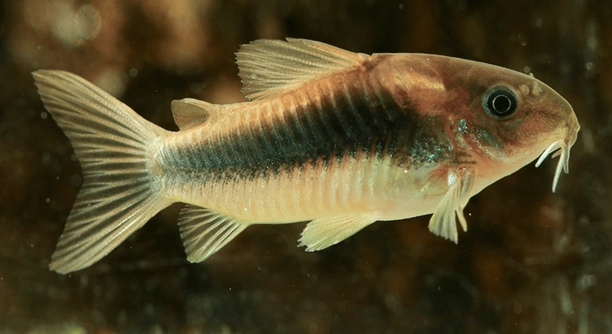
Creating a comfortable environment for your Corydoras catfish in a planted tank can be key to their overall well-being. Ensuring their habitat is ideal helps them thrive and feel at ease in their underwater home.
To help your Corydoras catfish feel more comfortable in a planted tank, focus on water quality, tank setup, and feeding routines. Providing hiding spots, maintaining stable water parameters, and offering a balanced diet all contribute to a healthier, happier fish.
Understanding these aspects can significantly improve your Corydoras catfish’s quality of life. With the right adjustments, you can ensure your fish feel secure and content in their environment.
Providing Hiding Spots
One of the easiest ways to make your Corydoras feel more comfortable in a planted tank is by offering plenty of hiding spots. Corydoras are naturally shy fish, so having places to retreat to helps them feel safe. Adding plants, driftwood, or rocks provides both physical shelter and a sense of security. The right amount of hiding spaces can prevent your catfish from becoming stressed. They enjoy rummaging through substrate, so include areas where they can dig and explore.
Adding live plants to your aquarium can also serve multiple purposes. The plants offer cover for your catfish while improving water quality. Dense plant growth provides areas for Corydoras to explore while allowing them to feel shielded from any potential threats. These plants also contribute to the natural behavior of your catfish, allowing them to stay engaged while feeling safe.
Ultimately, hiding spots can mimic the natural environment of Corydoras. Whether it’s caves, plants, or decorations, giving them ample choices encourages natural behavior and helps prevent stress.
Maintaining Stable Water Parameters
Stable water parameters are crucial for Corydoras comfort. Sudden fluctuations in temperature, pH, or ammonia levels can cause stress or even harm them.
Corydoras are quite sensitive to changes in water quality, especially in their stomachs. A stable water temperature between 72°F and 78°F is ideal for these fish, and a pH level between 6.0 and 7.5 is typically preferred. Make sure to check your tank’s water regularly for any signs of instability. Stable water conditions are essential for their health.
Maintaining consistent water conditions also ensures that your catfish will be less likely to suffer from illnesses caused by stress. Regular water changes, appropriate filtration, and using a good water testing kit can go a long way in ensuring stability. A stable environment helps your Corydoras thrive long-term, preventing discomfort and giving them a sense of security.
Offering a Balanced Diet
A balanced diet is key to your Corydoras’ health. Feeding them the right amount of food ensures they remain active and comfortable.
Corydoras are bottom dwellers and typically enjoy sinking pellets, but they can also eat live or frozen foods like brine shrimp or bloodworms. Offering a variety of food helps keep them healthy and prevents boredom. Overfeeding can lead to water quality issues, so always feed small amounts and monitor how much they eat. Leftover food can pollute the tank quickly, so be sure to remove any uneaten portions.
A nutritious and well-rounded diet promotes better growth, vibrant colors, and overall well-being in Corydoras catfish. Regular feeding with a variety of high-quality foods also supports their immune system and enhances their natural behaviors. Ensuring they receive proper nutrition will allow them to feel secure and thrive in their environment.
Substrate Considerations
Choosing the right substrate is vital for Corydoras. They naturally dig and scavenge in the sand, so the substrate should allow for this behavior.
Fine, soft sand works best for these fish. Gravel with sharp edges can hurt their delicate barbels, which they use to search for food. A sand substrate provides a safe area for Corydoras to dig, reducing the risk of injury. It also helps maintain the tank’s aesthetics by creating a more natural-looking environment.
A soft substrate also supports the biological filtration process. Sand traps debris, which helps keep the tank clean, while promoting beneficial bacteria growth. Proper substrate will ensure your Corydoras are comfortable and able to exhibit their natural digging and scavenging habits without the risk of harm.
Lighting Conditions
Proper lighting is essential for Corydoras catfish. Bright light can stress them out, as they prefer dimmer environments.
A low to moderate light setting is ideal for Corydoras. They feel more at ease in shaded areas or spaces with natural light. Too much direct lighting can cause them to hide more frequently and reduce their activity levels.
If you use aquarium lights, consider using a timer to maintain a consistent day-night cycle. This helps replicate natural conditions, making your Corydoras feel secure. It’s also important to adjust the lighting depending on the plants in your tank, ensuring the environment remains suitable for both fish and plants.
Tank Size and Layout
Corydoras need enough space to move around comfortably. A tank that is too small can cause stress and limit their activity.
A minimum of a 20-gallon tank is recommended for a group of Corydoras. Larger tanks provide more swimming space and allow for better water quality management. The layout of the tank also matters, as plenty of space to swim and explore ensures your catfish are comfortable.
The right tank size and layout help your Corydoras feel less confined and more at ease in their environment. With more space to explore, your catfish will exhibit more natural behaviors and reduce stress.
Tank Mates
Corydoras are peaceful fish, so choosing compatible tank mates is important. Avoid aggressive species that might cause stress.
Other peaceful bottom dwellers or mid-water fish work well as companions for Corydoras. Avoid large or overly active species that may intimidate or outcompete them for food. Having peaceful tank mates reduces the likelihood of stress, ensuring a calm and friendly environment.
FAQ
What temperature do Corydoras catfish prefer?
Corydoras catfish thrive in water temperatures between 72°F and 78°F. Keeping the water within this range ensures they remain active and healthy. If the temperature drops too low or gets too high, Corydoras can become stressed and more susceptible to illness. A reliable heater is often recommended to maintain consistent water temperatures.
How often should I feed my Corydoras catfish?
Feed your Corydoras catfish once or twice a day. It’s best to offer small portions of food to prevent overfeeding, which can pollute the tank. You can give them sinking pellets, frozen or live foods, and occasionally some veggies like blanched zucchini. Monitor how much they eat to avoid leftover food.
Can Corydoras live with other fish?
Yes, Corydoras are peaceful fish and can coexist with a variety of other species. Choose non-aggressive fish that don’t compete for the same food. Species like guppies, tetras, and mollies often make good tank mates. Avoid aggressive or overly large fish that might harm them.
Do Corydoras catfish need a filter?
Yes, Corydoras catfish need a filtration system to keep the water clean and oxygenated. They prefer tanks with low to moderate water flow. A filter will help maintain water quality by removing debris and waste, which is essential for the health of your Corydoras and other tank inhabitants.
How do I know if my Corydoras catfish is stressed?
If your Corydoras is stressed, it may display signs such as hiding more than usual, swimming erratically, or having a loss of appetite. Stress can result from poor water quality, aggressive tank mates, or sudden changes in the environment. Monitor water parameters and ensure they are within ideal levels to prevent stress.
What type of substrate is best for Corydoras catfish?
Corydoras prefer soft, fine sand or smooth gravel. The smooth texture prevents damage to their delicate barbels, which they use to search for food. Avoid sharp gravel, as it can cause injury. Sand also mimics their natural habitat and allows them to dig and explore without harm.
How do I keep my Corydoras catfish active?
To keep your Corydoras active, provide plenty of hiding spots, plants, and room to explore. They enjoy rummaging through substrate, so a soft, fine sand substrate is ideal. Regular water changes and stable water parameters also help them remain active and healthy.
Can Corydoras catfish live in a tank with plants?
Yes, Corydoras catfish thrive in tanks with plants. Plants not only offer hiding spots but also provide a more natural environment. The roots and leaves of live plants give your Corydoras places to explore and feel safe. Just ensure the plants do not interfere with water flow or tank maintenance.
What do Corydoras catfish eat?
Corydoras catfish are omnivores and eat a variety of foods, including sinking pellets, live or frozen food such as brine shrimp, and algae. You can also offer them occasional vegetable matter like blanched spinach or zucchini. A balanced diet ensures they remain healthy and active.
How can I prevent my Corydoras from being injured?
To prevent injury, use a smooth substrate like fine sand or rounded gravel. Avoid using sharp rocks or decorations with rough edges. Additionally, ensure the tank is free from any potential threats, such as aggressive fish or objects that could cause physical harm. Regularly check the tank’s setup to make sure it’s safe.
Do Corydoras catfish need to be kept in groups?
Yes, Corydoras are social fish and should be kept in groups of at least three to five individuals. Being in a group helps reduce stress and makes them feel more secure. A group also encourages natural behaviors, such as swimming together and foraging.
What is the lifespan of a Corydoras catfish?
Corydoras catfish typically live for about 5 to 7 years, although some can live longer with proper care. Keeping their environment stable, maintaining good water quality, and providing a balanced diet are essential for ensuring they live a long and healthy life.
Can I use a heater for my Corydoras tank?
Yes, a heater is recommended for keeping the water temperature stable for Corydoras catfish. They prefer a consistent temperature range between 72°F and 78°F. A heater helps prevent temperature fluctuations that could cause stress or illness. Just be sure the heater is properly set to avoid overheating.
Are Corydoras catfish easy to care for?
Corydoras are relatively easy to care for, making them a great choice for beginner fish keepers. They are hardy fish that can adapt to a range of water conditions, as long as the water is kept clean and stable. Regular tank maintenance, feeding, and water quality checks will keep them healthy.
Do Corydoras catfish need aeration?
Corydoras don’t require strong aeration, but they do need a well-oxygenated tank. Low to moderate water flow works best for them, and an air pump or sponge filter can help maintain adequate oxygen levels. Overly strong currents can cause them stress, so use gentle filtration methods.
How do I know if my Corydoras is healthy?
A healthy Corydoras catfish will have bright eyes, a smooth body with no visible sores or lesions, and will be actively swimming or foraging. They will also eat regularly and exhibit natural behaviors like scavenging the substrate. Any signs of lethargy or loss of appetite could indicate illness.
Do Corydoras need a lid on their tank?
While Corydoras catfish are not known for jumping, it’s still a good idea to have a lid on the tank. This prevents accidental escapes and helps maintain the tank’s temperature and humidity levels. It also keeps other tank mates in the aquarium and prevents debris from falling in.
What should I do if my Corydoras catfish is sick?
If your Corydoras is sick, it’s important to first check the water quality. Poor water conditions are often the root cause of illness. Isolate the sick fish if necessary and consult a vet or an experienced aquarist for specific treatment. Treating the illness and improving water quality are essential for recovery.
Final Thoughts
Corydoras catfish are peaceful, hardy fish that can thrive in a well-maintained, planted tank. Their natural behaviors, such as foraging through the substrate and swimming in groups, are what make them so unique and enjoyable to observe. To ensure they feel comfortable, it’s important to recreate a natural environment that suits their needs. This includes providing proper water conditions, a suitable substrate, and a balanced diet. When these factors are met, Corydoras can live for many years, offering their owners a satisfying and low-maintenance aquarium experience.
Creating a comfortable and safe environment for your Corydoras involves more than just meeting their basic needs. They benefit from having tank mates that are peaceful and not too aggressive. Avoiding overly strong currents and bright lighting can also help reduce stress. By paying attention to these details, you can create a space that encourages natural behavior and allows your Corydoras to thrive. It’s important to monitor their activity and make adjustments as necessary to ensure their well-being. Consistent care and observation will lead to healthier, happier fish.
Maintaining a planted tank with Corydoras catfish can be a rewarding experience. Not only do they add beauty to your aquarium, but their behavior and social nature make them an interesting species to watch. With the right care, your Corydoras can live long, fulfilling lives in a tank that mirrors their natural environment. Regular maintenance, attention to water quality, and careful consideration of tank mates will all contribute to their comfort and health. When you provide them with the proper setup, Corydoras will repay you with years of peaceful, lively companionship.

Hello,
If you enjoy the content that we create, please consider saying a "Thank You!" by leaving a tip.
Every little bit helps us continue crafting quality advice that supports the health, happiness, and well-being of pets around the world, for pets of all shapes, sizes, and species.
We really appreciate the kindness and support that you show us!