
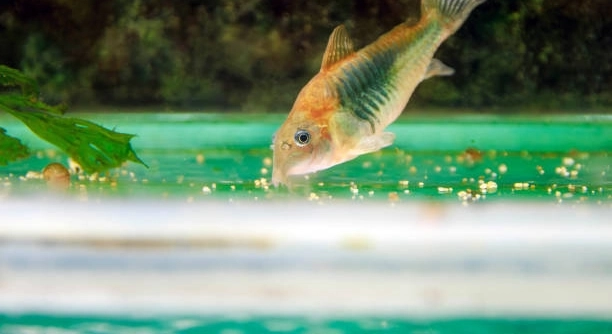
Is your Corydoras catfish constantly on the move after the lights go out, leaving you wondering what’s going on at night?
Corydoras catfish are naturally nocturnal or crepuscular, meaning they’re more active in the evening and nighttime hours. This behavior is influenced by their instincts, environmental conditions, feeding patterns, and comfort with their surroundings.
Understanding the reasons behind this nighttime activity can help you create a better setup and improve your Corydoras’ overall well-being.
Natural Behavior and Instincts
Corydoras catfish are naturally more active during the night due to their instincts. In the wild, they often move around at dusk or after dark to avoid predators and search for food when the environment is calmer. This behavior continues in home aquariums, especially if the lighting is bright or the tank is busy during the day. These fish feel safer and more comfortable when the lights are low, which encourages them to come out and explore. Their barbels help them sense food in the substrate, even with limited light. When the tank setup mirrors their natural conditions—such as soft lighting, smooth gravel, and plenty of hiding spots—it supports their natural rhythms and nighttime routines. You might notice your Corydoras resting during the day and becoming much more active once the tank begins to darken. This is completely normal and not a cause for concern.
If your Corydoras seems to vanish during the day, they’re likely just resting or hiding.
Providing a soft, low-light environment helps mimic their natural habitat and keeps them calm. This supports their instinctual need for cover and safety, which encourages healthy activity. It’s best not to disrupt their natural schedule too much, especially with harsh lighting or constant movement. If your Corydoras are active at night but seem healthy and relaxed otherwise, there’s no need to worry. Observing them during feeding or during twilight hours can be a great way to enjoy their personality without interfering. Allowing your Corydoras to stick to their own rhythm ensures they remain comfortable in their space.
Tank Conditions and Stress Triggers
Poor tank conditions can cause stress, leading to unusual patterns in activity like excessive movement at night.
A tank that’s too bright, crowded, or lacks proper hiding spaces can make your Corydoras feel exposed and anxious. These fish prefer peaceful environments with plenty of places to rest and hide. Sharp decorations or rough substrate can damage their sensitive barbels, causing stress and discomfort. Water quality is another big factor—high ammonia or nitrate levels may lead to increased nighttime restlessness as they try to escape discomfort. Sudden changes in temperature or pH can also disturb their usual behavior, especially if they’re already feeling unsettled. To avoid this, make sure your tank is well-maintained. Regular water tests, a gentle filter, soft substrate, and dim lighting all help. Keep tank mates peaceful and avoid loud, aggressive fish. By addressing these stress triggers, you create a stable and calm space where your Corydoras can relax during the day and explore comfortably at night.
Feeding Schedule and Hunger Cues
Corydoras catfish often become more active at night if they’re hungry or their feeding schedule doesn’t meet their needs. Uneven feeding times can cause them to search the substrate long after the lights are off.
Feeding Corydoras at consistent times each day helps regulate their activity and prevents nighttime restlessness. These bottom-dwellers tend to scavenge, and if they’re not getting enough food during regular feedings, they’ll continue hunting after dark. This behavior can look like overactivity, but it’s usually a sign they’re simply looking for leftovers. Try feeding them small sinking pellets or wafers near dusk, so they associate that time with eating. Keep in mind that they may not compete well with faster fish, so target feeding may help. Making this adjustment often leads to calmer behavior at night and improves their overall health.
Corydoras also recognize feeding patterns and may start moving around more when they expect food. If your fish become active right after lights go out, they may have learned to associate darkness with feeding. This can happen if you feed them at night, even unintentionally. They might be adjusting their routine to match the time they get food. Over time, this habit becomes reinforced and can lead to consistent nighttime activity. Sticking to a regular feeding schedule in the early evening and avoiding late-night snacks can reduce this pattern. If you’re consistent, your Corydoras will eventually shift their behavior, and you’ll notice more predictable activity that aligns with their natural rhythm.
Light Levels and Tank Setup
Lighting can influence when your Corydoras are active, especially if it’s too bright during the day. Harsh lighting might cause them to retreat into hiding and become more active only after lights are dimmed or off.
To make your tank more comfortable, aim for soft, indirect lighting during the day. Avoid placing the tank in direct sunlight or using overly strong bulbs. Adding floating plants or dimmable lights can help reduce brightness and create shaded areas. These changes encourage your Corydoras to explore during the day instead of waiting until nightfall. If your tank is too exposed, consider adding driftwood, caves, or leafy plants where they can feel safe. A well-structured tank not only supports healthy behavior but also reduces stress. Small tweaks to light levels and décor can make a big difference in their daily routine. The more secure they feel, the more balanced their activity becomes.
Tank Mates and Daytime Activity
If Corydoras share a tank with aggressive or overly active fish, they may avoid movement during the day. Fast swimmers or fin-nippers can intimidate them, making them feel safer exploring at night when things calm down.
Choosing peaceful tank mates makes a big difference. Fish like tetras, rasboras, and guppies are usually better suited to cohabiting with Corydoras. When they feel less threatened, they’re more likely to come out during daylight hours and display a more balanced activity pattern.
Breeding Behavior and Mating Patterns
Corydoras can become noticeably more active at night during breeding periods. Males may chase females, and both sexes might engage in bursts of energy or searching behavior. This is often triggered by a water change, especially if it mimics rain, which they associate with spawning season. The activity usually involves group interaction and increased movement, particularly near plants or smooth surfaces where eggs can be laid. While this isn’t constant behavior, it may appear regularly depending on tank conditions. If you’re noticing active nighttime patterns alongside water changes, breeding could be the reason.
Temperature and Water Parameters
Slight changes in temperature or water chemistry can cause Corydoras to shift their routines. They may react by becoming more alert or active when parameters are off balance.
FAQ
Are Corydoras catfish naturally nocturnal?
Corydoras catfish are not strictly nocturnal, but they are crepuscular, meaning they’re most active during dawn and dusk. However, in home aquariums, they often shift their routines depending on feeding schedules, lighting, tank mates, and overall comfort. If your Corydoras feel safe and have good hiding spots, you’ll likely see them out during the day as well. But when lighting is too strong or tank mates are aggressive, they may choose nighttime to be more active. It’s more about the environment than a built-in nocturnal habit.
Can too much light cause nighttime activity?
Yes, too much light can make Corydoras hide during the day. These fish are naturally shy and prefer dim lighting or shaded spaces. If they don’t feel comfortable under bright lights, they’ll wait until the tank gets darker to explore. Try using floating plants or dimmer bulbs to soften the lighting. Giving them shaded hiding spots during the day can help them feel more secure and encourage daytime activity. Small changes to lighting often help regulate their routine and reduce excessive movement at night.
Do Corydoras need to be in groups to feel secure?
Absolutely. Corydoras are social fish and do best in groups of at least five or six. When kept alone or in small numbers, they can become nervous and hide more often, sometimes only becoming active when it’s dark. In a proper group, they feel safer and are more likely to come out during the day. Group behavior also helps reduce stress, supports natural movement patterns, and leads to healthier, more confident fish overall.
Can water changes affect their activity levels?
Yes, water changes can spark noticeable behavior changes, especially at night. Fresh water—particularly cooler water—can mimic the rainy season in the wild, which triggers spawning behavior. This often leads to sudden bursts of energy, chasing, or exploring, typically after lights are off. It’s a natural response and nothing to worry about, but frequent changes like this can lead to more nighttime movement than usual. If you’re noticing spikes in activity right after water changes, this might be why.
Is it normal for Corydoras to sleep during the day?
Corydoras don’t exactly “sleep” the way we do, but they do rest during the day if they’ve been active at night. You might see them lying still or hiding under plants and décor. This is normal and doesn’t mean they’re sick or stressed. If they look relaxed, are breathing slowly, and move when startled, they’re just resting. They often take short naps throughout the day and night, depending on what’s going on in their tank.
Do Corydoras react to noise or vibrations at night?
Yes, they can be sensitive to sounds and sudden movements around the tank, even more so at night when the room is quiet. Vibrations from footsteps, voices, or electronics can startle them and cause them to dart around. This quick movement might be mistaken for hyperactivity, but it’s usually just a reaction to a disturbance. Try keeping the tank in a calmer area where nighttime movement is minimal. It helps them feel more secure and reduces startled behavior.
Why are my Corydoras swimming up and down at night?
This behavior, sometimes called “glass surfing,” can happen if they’re stressed, bored, or if the water conditions aren’t ideal. It’s more common at night if they’re looking for something—food, comfort, or a way to escape. Double-check the water quality, temperature, and whether they’re getting enough food. Also, make sure they have plenty of soft substrate, hiding spots, and room to explore. If everything checks out and they’re still doing this, it might just be a habit they’ve picked up.
Will changing the feeding time help regulate their routine?
Yes, feeding earlier in the evening or in the morning can help shift their most active times. When Corydoras associate nighttime with feeding, they may become more active after the lights go out. If you stick to a regular feeding time—preferably when the lights are still on—they’ll adjust over time. This helps prevent excessive scavenging or excitement at night and supports a more balanced daily rhythm. Just be consistent and make sure all fish are getting enough food.
Can temperature changes at night affect their behavior?
Slight drops in temperature at night, especially if your home cools down, can influence Corydoras behavior. If the water gets too cool, they may become more alert or restless. Using a reliable heater can help stabilize temperature and reduce nighttime shifts in behavior. Keep the tank between 72–78°F (22–25°C), and try to avoid sudden drops. Stable conditions help Corydoras settle into a calmer pattern and avoid unnecessary stress during the night.
Should I be concerned if my Corydoras are only active at night?
It depends on the cause. If they’re eating well, not showing signs of illness, and water conditions are stable, then occasional nighttime activity is fine. But if they seem overly skittish during the day, it might be worth checking lighting, tank mates, or feeding times. Most Corydoras will adjust to a more daytime-active routine once they feel secure. Making small changes based on what you observe can improve their daily rhythm and overall well-being.
Final Thoughts
Corydoras catfish are peaceful, low-maintenance fish that often adjust their habits based on their surroundings. While they’re known to be more active during low light, many owners notice their Corydoras becoming busier at night. This doesn’t always mean something is wrong. It could be due to lighting, feeding schedules, or changes in water. Some Corydoras are just more active when the tank is quieter. If they look healthy, eat well, and interact normally with their group, then their nighttime activity might just be part of their routine. It’s important to watch their behavior and make small adjustments if needed.
Keeping a consistent routine helps them settle. Stable lighting, regular feeding times, and calm tankmates encourage Corydoras to be active during the day. Dim lighting or floating plants can also reduce stress. A clean tank with soft substrate, hiding places, and space to swim gives them the comfort they need. If your fish are swimming up and down or appear nervous, check the water conditions, tank temperature, and their social group. Sometimes, adding a few more Corydoras can help them feel safer and more relaxed. They thrive best in small groups and are less likely to hide or become overly active at night when they’re not alone.
In the end, small changes can make a big difference. Watch how your Corydoras behave and respond calmly if you notice anything unusual. There’s no single cause for nighttime activity, but by understanding their needs and habits, it’s easier to create a tank they feel comfortable in. When the tank feels safe and stable, they’re more likely to settle into a balanced routine. These fish can be a quiet but lively part of your aquarium, offering constant movement and natural charm. With the right setup, you’ll likely enjoy seeing them during the day just as much as at night.

Hello,
If you enjoy the content that we create, please consider saying a "Thank You!" by leaving a tip.
Every little bit helps us continue crafting quality advice that supports the health, happiness, and well-being of pets around the world, for pets of all shapes, sizes, and species.
We really appreciate the kindness and support that you show us!