
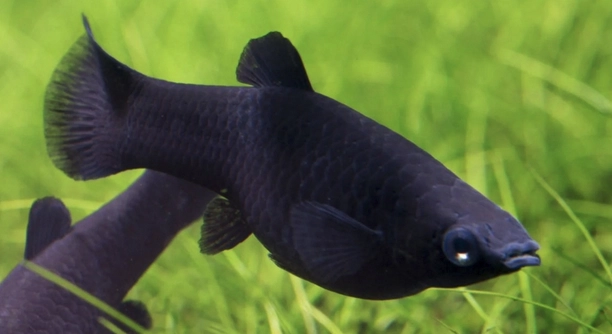
Have you ever wondered how to tell if your black molly is truly thriving in its tank, growing well, and showing strong signs of overall health and comfort in your care each and every day.
A thriving black molly displays consistent activity, steady appetite, vibrant coloration, smooth respiration, and balanced social behavior, all of which reflect stable environmental conditions and proper nutrition that support its physiological functions and overall well being within the aquarium habitat.
These simple signs create a picture of your mollys condition, guiding you toward better care and a more stable environment.
Understanding Your Black Molly’s Daily Behavior
A black molly shows its well being through steady movement, calm interactions, and predictable routines. I like paying attention to how smoothly mine swims, how often it explores its space, and how confidently it approaches food. These simple behaviors often tell me more than anything else. When a black molly is thriving, its actions feel consistent and natural. It glides around the tank with ease, never appearing frantic or withdrawn. This steady activity shows that the environment supports its needs. Healthy behavior also includes calm reactions to tank mates, smooth breathing, and an eagerness to explore new hiding spots or decorations.
Stable behavior patterns give you a clear sign of how your molly feels each day.
When you get used to your molly’s normal routine, it becomes easier to notice anything out of place. Those small changes help you keep the tank safe and supportive.
Physical Signs That Show Strong Health
Healthy physical features are often easy to spot when you look closely.
A thriving black molly displays a clean body shape, smooth fins, bright coloration, and steady gill movement. I like checking these details whenever I feed mine because they help me feel confident that everything is on track. Clear eyes, unfrayed fins, and even swimming patterns show that the fish is comfortable in its environment. A well maintained tank supports its appearance, keeping the scales smooth and free from irritation. Strong coloration usually reflects good nutrition and proper water quality, both essential for long term well being. If you notice a stable appetite, clean fins, and calm interactions with tank mates, these signals often confirm that your molly is handling its environment well. Small, routine observations allow you to prevent issues early, giving your fish the support it needs to continue thriving each day.
Water Conditions That Support Healthy Growth
Stable water conditions help your black molly stay active and responsive. I always keep an eye on temperature, clarity, and overall tank stability. When these factors stay consistent, your molly moves with ease and shows steady behavior throughout the day.
Maintaining the right water parameters helps your molly develop strong health. Clean water reduces stress and supports natural movements, making it easier to notice when your fish is comfortable. I monitor temperature and pH often because small shifts can impact energy levels and appetite. Consistent filtration and regular water changes also help keep the environment balanced. When the tank stays steady, your molly displays clear coloration, smooth interactions, and predictable breathing patterns. These signs show the environment is supporting its needs without unnecessary strain.
Proper water care builds a stable foundation for your molly’s long term well being. Smooth swimming, steady eating, and calm reactions become more noticeable when the environment is maintained with care. I have found that simple routines like checking filters, observing gill movement, and watching activity levels help keep everything balanced for the fish.
Feeding Habits That Indicate Good Health
Healthy feeding habits show how well your black molly is adapting to its environment. A consistent appetite, steady energy, and interest in food often reflect strong internal health. I like observing how quickly mine approaches meals because it reveals how comfortable it feels in the tank.
Balanced meals keep your molly nourished and active. Providing a mix of quality flakes, algae based foods, and small protein sources helps support its natural needs. When the diet stays varied, the molly usually shows smoother movements, brighter scales, and predictable behavior after meals. A fish that eats regularly and confidently often handles stress better and maintains steady growth. I check portion sizes and feeding times to avoid overfeeding, since maintaining a clean tank supports both digestion and overall comfort. Consistent feeding care helps your molly stay strong and active throughout its daily routine.
Social Behavior That Reflects Comfort
A comfortable black molly shows steady interaction with tank mates. I like watching how mine moves among others because calm swimming and balanced spacing often reflect confidence. When the environment feels right, the fish stays relaxed and shows smooth, predictable movement.
Healthy social behavior includes gentle reactions, consistent curiosity, and peaceful interactions. Your molly should not appear tense or withdrawn. When its space feels stable, it moves freely and shows steady breathing. These small behavioral signs help you understand how well it is adapting.
Breathing Patterns That Show Stability
A thriving black molly displays smooth, even breathing that matches its level of activity. I pay close attention to gill movement because steady rhythm usually reflects good oxygen levels and comfortable water conditions. When the environment stays balanced, the fish breathes naturally and shows steady energy throughout the day. Any sudden change in breathing can signal stress, so simple daily checks make a meaningful difference. Watching these signs helps you respond early, keeping your molly supported and comfortable in its tank.
Activity Levels That Signal Strong Well Being
A healthy black molly stays active without appearing restless or sluggish. I like observing how mine explores its space because steady movement usually shows that the tank environment feels safe and supportive.
FAQ
How often should I check my black molly’s behavior?
I monitor my black molly every day because small changes can appear quickly. Observing swimming patterns, appetite, and interaction with tank mates helps me spot early signs of stress or illness. Even a few minutes each day gives a clear picture of its well being.
What signs show my black molly is stressed?
Stress can appear as rapid gill movement, hiding for long periods, frayed fins, or sudden loss of color. I notice mine becoming less active or avoiding food when something feels off. These signs often point to water changes, temperature shifts, or aggressive tank mates.
Can water temperature affect my black molly’s health?
Yes, black mollies thrive in stable temperatures, usually between 75–82°F. I keep a thermometer in the tank and adjust heaters carefully. Sudden fluctuations make them sluggish or stressed, affecting their appetite and swimming habits. Maintaining consistency helps them stay vibrant and active.
How do I know if my molly is eating enough?
A steady appetite and consistent growth show good feeding habits. I watch mine approach food confidently and finish meals without leaving much behind. If it shows hesitation or refuses food, I check water quality and diet balance. Regular observation prevents nutrition-related health issues.
Are tank mates important for a black molly’s comfort?
Yes, social interactions matter. I keep mine with peaceful species that won’t stress it out. Aggressive or overly active fish can lead to hiding or fin damage. Balanced groupings and enough space support confident swimming and healthy social behavior.
How can I tell if my molly’s fins are healthy?
Smooth, fully extended fins without tears or fraying indicate good health. I notice mine gently moving without stiffness or clamping. Damaged fins often reflect water quality issues, stress, or rough tank mates. Observing fins regularly helps me catch problems early.
Does tank size affect my black molly’s well being?
Absolutely. I keep my black mollies in a tank that allows free swimming and exploration. Crowded tanks reduce activity, increase stress, and can affect coloration. Providing sufficient space ensures natural movement, stable social behavior, and overall comfort.
What are common feeding mistakes to avoid?
Overfeeding or feeding low quality food can lead to poor health. I feed measured portions and mix high quality flakes with occasional live or frozen foods. Uneaten food is removed quickly to maintain water quality. Balanced feeding supports steady growth, vibrant color, and natural energy levels.
How can I monitor long term health?
I track behaviors, feeding habits, coloration, and fin condition over time. Regular water testing and observing interactions with tank mates help me notice trends. Keeping a routine allows me to identify subtle changes early and provide consistent care for long term well being.
Is it normal for my black molly to have quiet periods?
Yes, occasional rest or brief inactivity is normal. I watch to ensure it’s not hiding excessively or showing abnormal behavior. Quiet moments are often part of daily routines, but persistent lethargy signals a need to check water conditions, diet, or stress factors.
Can I improve my molly’s environment easily?
Small changes make a big difference. I adjust plants, hiding spots, and decorations to create comfortable spaces. Clean, stable water, proper lighting, and balanced tank mates all contribute to steady health. Monitoring these elements regularly ensures the fish stays active and vibrant.
How do I know if my molly is thriving overall?
Consistent swimming, bright coloration, steady appetite, smooth breathing, and calm social behavior all indicate thriving health. I find that observing these details daily provides reassurance and helps me maintain a supportive environment for long term well being.
This FAQ highlights practical ways to observe, support, and maintain your black molly’s health, focusing on consistent care, environment stability, and attentive observation.
Observing your black molly regularly is the most important step to ensuring it thrives. Paying attention to small details, like how it swims, interacts with other fish, and responds to feeding, gives a clear sense of its overall health. I have noticed that once you establish a daily routine, it becomes much easier to spot subtle changes that could indicate stress or illness. Even minor differences, like a slight change in color or a brief pause in activity, can signal that something in the tank environment needs attention. These observations allow you to take preventive measures before small issues become serious. Over time, maintaining this awareness becomes natural, and you gain a better understanding of what makes your fish comfortable and healthy. Simple daily checks, combined with steady care, create a reliable foundation for your black molly to thrive consistently.
Maintaining stable water conditions is another key aspect of long term health for black mollies. Temperature, pH, and water clarity all affect how your fish behaves and interacts with its surroundings. I find that keeping a thermometer and test kits handy makes monitoring easier and less stressful. Consistent water changes and filtration are also essential, as they remove waste and keep the tank balanced. When the water conditions remain stable, black mollies show smoother swimming, calm behavior, and steady appetites. Even minor fluctuations can impact energy levels and overall well being, so regular monitoring is crucial. Supporting your molly through these practical steps helps it maintain strong coloration, balanced breathing, and confident social behavior. A stable environment paired with careful observation ensures your fish continues to thrive without unnecessary stress.
Feeding habits and social interactions further reflect the well being of your black molly. A consistent appetite and interest in food indicate that its internal health is strong, while steady social behavior shows comfort in its environment. I pay attention to how mine reacts to tank mates, noting calm movements and gentle curiosity as signs of a thriving fish. Balanced feeding with a mix of quality flakes, protein sources, and occasional vegetable matter supports growth, coloration, and energy levels. Proper portion sizes also prevent water quality issues, which in turn protect overall health. Creating a supportive environment with stable water, suitable companions, and consistent care results in a confident, active, and healthy black molly. By maintaining these practices, you not only ensure the fish’s immediate comfort but also its long term well being, allowing it to grow and flourish in a stable, thriving aquarium habitat.

Hello,
If you enjoy the content that we create, please consider saying a "Thank You!" by leaving a tip.
Every little bit helps us continue crafting quality advice that supports the health, happiness, and well-being of pets around the world, for pets of all shapes, sizes, and species.
We really appreciate the kindness and support that you show us!