
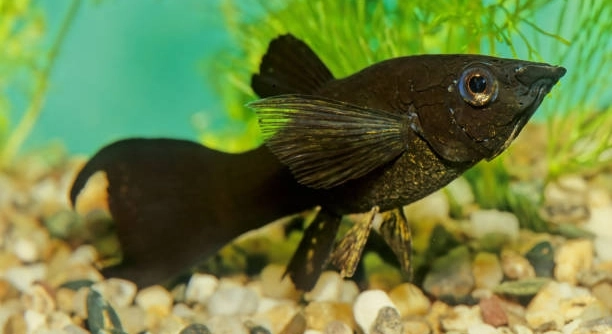
Setting up a tank for black mollies can feel overwhelming for beginners. With their unique needs and lively nature, having a proper setup is essential. Ensuring a comfortable environment helps them thrive and enjoy a healthy, active life.
To establish a successful black molly tank, maintain stable water parameters, provide adequate filtration, ensure proper lighting, include hiding spots and plants, feed a balanced diet, monitor tank mates carefully, and perform regular water changes to support their well-being.
Following these simple steps will help you create a thriving habitat. Small adjustments in care can make a significant difference for your fish.
Choosing the Right Tank Size
For black mollies, tank size is crucial for their health and activity level. A minimum of 20 gallons is recommended for a small group, but larger tanks are better for stability and growth. Mollies are active swimmers, and limited space can stress them, leading to weaker immunity and poor coloration. When selecting a tank, consider the number of fish you plan to keep and the potential addition of other species. Wider tanks are preferable to taller ones, as they provide more swimming space. Make sure the tank material is durable and easy to clean. Avoid overcrowding, as it can cause aggression and increase waste buildup. Adding gravel or sand at the bottom provides a natural feel, while live plants improve water quality and offer hiding spots. Proper space and structure in the tank will create a healthy and comfortable environment for black mollies.
Tank size impacts fish behavior and overall health. Small tanks can stress mollies and reduce lifespan.
Providing adequate space ensures black mollies swim freely, maintain vibrant colors, and reduce aggression. Proper planning prevents future health issues and keeps the tank ecosystem balanced for both fish and plants.
Maintaining Water Quality
Regular water changes are essential to keep black mollies healthy. Even minor fluctuations in ammonia, nitrite, or nitrate levels can harm them.
Monitoring parameters like temperature, pH, and hardness is crucial. Mollies prefer slightly alkaline water between 7.5 and 8.5 pH.
Keeping water quality consistent supports growth, reproduction, and immunity. Using a reliable filtration system reduces waste accumulation and keeps the water clear. Test kits help track levels, ensuring problems are addressed early. Temperature stability is important, ideally between 75 and 82°F, as sudden changes can stress fish. Partial water changes of 25-30% weekly help maintain cleanliness. Avoid adding untreated tap water directly, as chlorine and chloramine can be harmful. Conditioning water and maintaining consistent levels of minerals creates a stable environment, promoting healthy scales, fin development, and active behavior. Clean substrates, remove debris, and monitor plants to prevent decay from affecting water quality. Attention to water quality from the start reduces common health issues and supports long-term survival of black mollies.
Filtration and Aeration
A strong filtration system is necessary for black mollies. It removes waste, maintains water clarity, and supports beneficial bacteria. Aeration ensures sufficient oxygen levels, which is critical for their activity and health. Proper flow prevents stagnant areas and keeps the tank stable.
Choosing the right filter depends on tank size and fish load. Hang-on-back filters or canister filters are effective for medium to large tanks. Ensure the filter flow is gentle, as strong currents can stress mollies. Regularly clean or replace filter media to prevent clogging and maintain efficiency. Adding an air stone or sponge filter can improve oxygenation, particularly in densely stocked tanks. Proper filtration and aeration reduce the risk of disease and improve overall fish vitality, creating a stable environment for mollies to thrive.
Maintaining filtration and aeration also involves routine checks. Inspect pumps, tubing, and bubbles to ensure consistent water movement. Clean components prevent breakdowns that could affect water quality. Proper maintenance supports long-term fish health. Mollies rely on oxygen-rich water, and consistent filtration prevents harmful chemical buildup.
Feeding and Nutrition
Black mollies require a balanced diet with both plant and protein-based foods. Flakes, pellets, and occasional live or frozen foods provide essential nutrients for growth, coloration, and energy. Feeding small portions twice daily prevents overfeeding and keeps water clean.
Include vegetable matter like spinach, zucchini, or algae wafers to meet their herbivorous needs. Protein sources, such as brine shrimp or daphnia, promote strong fins and healthy development. Avoid over-reliance on one food type to prevent deficiencies. Rotate foods to ensure variety and proper nutrition. Monitor their intake, removing uneaten food to maintain water quality. A well-rounded diet directly affects activity levels and overall appearance.
Feeding should consider tank population and size. Smaller tanks may require more careful portioning to avoid excess waste. Observe mollies during feeding to ensure all fish receive food. Adjust portions as fish grow or seasonal behavior changes. Proper nutrition supports immunity and vibrant coloration. Supplements like vitamins or spirulina can enhance health. Consistency in feeding habits reduces stress and helps maintain a clean, balanced tank ecosystem for long-term success.
Tank Decor and Hiding Spots
Adding plants, rocks, and caves provides black mollies with hiding spots and exploration areas. Live plants improve water quality while offering shelter. Decorations create a natural environment, reducing stress and promoting natural behaviors.
Avoid overcrowding the tank with decorations. Ensure open swimming space while placing structures strategically. Mollies need both shelter and room to swim freely for proper activity levels.
Lighting and Temperature
Black mollies thrive under moderate lighting and stable temperatures. LED or fluorescent lights on a 10–12 hour cycle support plant growth and fish activity. Maintain water temperature between 75 and 82°F to prevent stress and illness. Stable conditions enhance metabolism, coloration, and behavior.
Choosing Tank Mates
Select peaceful, compatible species to avoid aggression. Avoid fin-nipping or overly aggressive fish. Small tetras, guppies, or snails usually coexist well with black mollies. Compatibility reduces stress and ensures a balanced, calm tank environment for all inhabitants.
Regular Monitoring
Observe your black mollies daily for signs of stress, illness, or unusual behavior. Promptly addressing changes helps maintain a healthy tank. Regular checks prevent minor issues from developing into serious problems.
FAQ
How often should I change the water in my black molly tank?
Partial water changes of 25–30% weekly are recommended to maintain water quality. Regular changes remove excess waste, nitrates, and debris, preventing toxic buildup. Avoid changing too much water at once, as sudden shifts in temperature or chemistry can stress the fish and disrupt the tank balance.
What is the ideal pH for black mollies?
Black mollies thrive in slightly alkaline water, ideally between 7.5 and 8.5 pH. Maintaining stable pH prevents stress and supports proper digestion, coloration, and immune function. Regularly testing the water with a reliable kit ensures the levels remain consistent, especially if using tap water with fluctuating minerals.
Can black mollies live with other fish?
Yes, they are generally peaceful but should be paired with non-aggressive species. Good tank mates include guppies, small tetras, and snails. Avoid fin-nippers or large aggressive fish. Proper tank space and hiding spots reduce conflict and stress, allowing mollies and their companions to coexist comfortably.
What should I feed my black mollies?
A balanced diet of flakes, pellets, and occasional live or frozen foods works best. Include plant-based foods like spinach, zucchini, or algae wafers. Protein-rich foods such as brine shrimp or daphnia support growth and fin health. Feed small amounts twice daily to prevent overfeeding and maintain water quality.
How can I tell if my black molly is healthy?
Healthy mollies are active, swim evenly, and display vibrant coloration. Fins should be intact without fraying or spots. Eyes should be clear, and gills should move rhythmically. Changes in behavior, appetite, or appearance can indicate stress, illness, or poor water conditions, requiring prompt attention.
Do black mollies need live plants?
While not mandatory, live plants offer hiding spots, oxygenation, and help control nitrate levels. They reduce stress and create a more natural environment. If live plants are not used, artificial plants can provide hiding spaces, but they do not contribute to water quality or biological filtration.
What temperature range is safe for black mollies?
Maintain a stable temperature between 75 and 82°F. Sudden fluctuations can stress the fish and increase susceptibility to disease. Use a reliable heater and thermometer to monitor consistency. Stable warmth supports metabolism, reproduction, and immune function, helping mollies remain active and healthy.
How many black mollies should I keep in one tank?
A minimum of three mollies is recommended to promote social behavior. Avoid overcrowding, as it increases waste, stress, and aggression. For a small group, a 20-gallon tank works, but larger tanks are better for stability and growth. Provide hiding spaces and open swimming areas.
How do I prevent diseases in my black molly tank?
Maintain clean water, stable parameters, and a balanced diet. Quarantine new fish before introducing them. Avoid overstocking and monitor fish daily for early signs of illness. Promptly remove sick individuals and treat appropriately to prevent spreading disease throughout the tank.
Do black mollies need special lighting?
Moderate lighting on a 10–12 hour cycle is sufficient. LED or fluorescent lights support plant growth and regulate day-night cycles, which influence fish activity and feeding. Avoid excessively bright or prolonged lighting, as it can stress the fish and encourage algae overgrowth.
Can black mollies breed in a community tank?
Yes, they can reproduce readily. Males chase females, and females may give birth to live fry every 4–6 weeks. Providing hiding spots and dense plants allows fry to survive. Be aware that adults may eat newborns, so separate breeding areas may be necessary for successful raising of young fish.
Is tap water safe for black mollies?
Tap water is safe if treated to remove chlorine and chloramine. Water conditioners neutralize harmful chemicals. Testing for pH, hardness, and mineral content ensures safe conditions. Gradual acclimation when adding fish prevents stress from sudden water chemistry changes. Proper treatment supports long-term health.
How often should I clean the tank decorations and substrate?
Clean substrates and decorations during routine water changes to remove debris and prevent algae buildup. Avoid harsh chemicals; use aquarium-safe brushes or siphons. Regular maintenance keeps water quality high and reduces stress, supporting healthy behavior and vibrant coloration in black mollies.
Can black mollies tolerate brackish water?
Yes, black mollies tolerate slightly brackish conditions, which can enhance health and coloration. Adding a small amount of aquarium salt can mimic natural habitats. Avoid excessive salinity, as it can harm freshwater tank mates and plants. Monitor water parameters carefully when adjusting salinity.
What signs indicate water problems in the tank?
Cloudy water, algae overgrowth, fish gasping at the surface, or sudden changes in behavior often indicate water quality issues. Test ammonia, nitrite, nitrate, pH, and temperature regularly. Prompt action, such as partial water changes or filter cleaning, helps restore a healthy environment for mollies.
How can I encourage vibrant colors in black mollies?
A balanced diet, proper lighting, and stable water parameters promote strong coloration. Avoid stress from aggressive tank mates or poor water conditions. Including natural elements like plants and a suitable substrate can also enhance their appearance. Healthy, unstressed fish display the best color naturally.
Is it necessary to provide hiding spots for black mollies?
Yes, hiding spots reduce stress and allow mollies to feel secure. Plants, caves, and decorations provide shelter and resting areas. Stress-free fish are more active, eat better, and display natural behaviors, leading to a healthier tank environment overall.
Can black mollies live without a heater?
They can survive in moderately warm climates, but a heater ensures stable temperatures, especially in cooler environments. Consistent warmth supports metabolism, growth, and immune function. Fluctuating temperatures can lead to stress, disease, and poor activity levels.
How do I acclimate new black mollies to my tank?
Float the bag in the tank for 15–20 minutes to equalize temperature. Gradually add small amounts of tank water every 10 minutes to adjust chemistry. After about an hour, gently release the fish. Slow acclimation reduces stress and increases survival rates.
What are common black molly health issues?
Fin rot, ich, and swim bladder problems are common if water quality is poor. Stress, poor diet, or overcrowding contribute to these issues. Regular monitoring, clean water, and a balanced diet prevent most health problems and ensure long-term vitality.
Can black mollies jump out of the tank?
Yes, they are known to jump. A secure lid or cover is necessary to prevent escapes. Mollies are active swimmers and may leap when startled or exploring the surface. Covering the tank ensures safety and reduces the risk of injury.
How do I manage algae growth in the tank?
Regular water changes, proper lighting, and balanced feeding help control algae. Adding live plants or algae-eating tank mates can reduce overgrowth. Avoid excessive light or overfeeding, as both encourage algae blooms. Maintenance keeps the tank clean and promotes healthy fish behavior.
Can I mix male and female black mollies in the same tank?
Yes, males and females can coexist, but expect breeding behavior. Females may be chased frequently, so provide hiding spots to reduce stress. Balanced ratios and adequate space prevent aggression and maintain a healthy, active community.
What is the lifespan of black mollies?
With proper care, black mollies live 3–5 years. Consistent water quality, a balanced diet, and stable conditions extend their lifespan. Regular monitoring and proactive maintenance prevent disease and stress, helping them thrive throughout their life.
Are black mollies sensitive to sudden changes?
Yes, they react strongly to sudden changes in water temperature, chemistry, or tank environment. Gradual adjustments and careful monitoring minimize stress and maintain health. Stability is key to their well-being and longevity.
Do black mollies need supplemental vitamins?
A varied diet usually provides sufficient nutrients. Supplements like spirulina or liquid vitamins can enhance color and immunity but are not strictly necessary if the diet is balanced. Use them occasionally to support growth or during recovery from illness.
How do I prevent overfeeding?
Feed small portions that can be consumed within 2–3 minutes, twice daily. Remove uneaten food promptly. Overfeeding increases waste, lowers water quality, and can cause health issues such as bloating or digestive problems. Consistent portion control keeps the tank clean and fish healthy.
Can black mollies adapt to different water hardness?
They prefer moderately hard water but can adapt to a range of hardness levels. Gradual acclimation prevents stress and supports mineral absorption. Consistent monitoring of GH and KH ensures long-term stability and healthy growth.
How do I tell the difference between male and female black mollies?
Males are generally smaller with a pointed anal fin (gonopodium), while females are larger with a rounded anal fin. Observing body shape and behavior helps identify gender. Recognizing differences is important for breeding and tank balance.
Are black mollies suitable for beginners?
Yes, they are hardy and adaptable, making them suitable for first-time fishkeepers. Proper care, consistent water quality, and a balanced diet ensure success. Observing behavior and maintaining routine tank maintenance is key to keeping them healthy and active.
Can black mollies live without live food?
Yes, flakes and pellets provide sufficient nutrition. Live or frozen foods enhance protein intake and variety but are optional. A balanced commercial diet supports growth, coloration, and overall health effectively.
What is the best way to introduce new fish to an established tank?
Quarantine new fish for 2–3 weeks to prevent disease transmission. Gradually acclimate them to the tank water and monitor behavior closely. Introduce them during low-stress periods and ensure adequate hiding spots to minimize aggression and stress on both new and existing fish.
How do I handle sick black mollies?
Isolate sick fish in a quarantine tank to prevent disease spread. Adjust water parameters, provide proper nutrition, and treat with recommended medications. Monitor recovery closely and maintain optimal conditions in both the quarantine and main tank.
Can black mollies survive in outdoor ponds?
They can survive in mild climates with stable temperatures and protection from predators. Ponds must provide sufficient depth, shelter, and filtration. Seasonal changes require adjustments or moving fish indoors to prevent temperature-related stress or mortality.
Do black mollies require aeration in small tanks?
Yes, even in smaller tanks, aeration improves oxygen levels and circulation. An air stone or sponge filter helps prevent stagnant areas, promoting active swimming, healthy metabolism, and overall well-being.
Is it necessary to remove uneaten food immediately?
Yes, leftover food decomposes quickly, affecting water quality. Removing uneaten food prevents ammonia spikes, algae growth, and disease. Consistent feeding habits and prompt cleanup maintain a clean and safe environment for black mollies.
Can black mollies live with shrimp or snails?
Yes, they usually coexist peacefully with small invertebrates like shrimp or snails. Avoid large or aggressive species that may harm them. Proper tank setup and hiding spaces ensure safety for all inhabitants.
How do I prevent fin damage in black mollies?
Avoid sharp decorations, aggressive tank mates, and poor water conditions. Maintain stable parameters and provide hiding spots. Healthy diet and careful monitoring reduce stress and support fin integrity.
Do black mollies need a lid on the tank?
Yes, they are known to jump. A secure lid prevents escapes, injuries, and loss. It also helps maintain stable temperature and reduces evaporation.
How often should I test water parameters?
Weekly testing of ammonia, nitrite, nitrate, pH, and temperature is recommended. Frequent monitoring helps detect problems early, ensuring a healthy environment. Adjustments can be made promptly to prevent stress or illness.
Can black mollies tolerate slightly salty water?
Yes, adding a small amount of aquarium salt can improve health and coloration. Avoid over-salting, as it can harm freshwater tank mates. Monitor water chemistry carefully when using salt.
What should I do if a fish dies?
Remove the fish immediately to prevent contamination. Test water parameters and inspect other fish for illness. Clean the tank if necessary and monitor the remaining population closely.
Do black mollies need special substrates?
No, they are adaptable. Sand or fine gravel works well. Substrates help anchor plants and provide a natural feel but are not critical for their survival.
How can I reduce aggression in the tank?
Provide hiding spots, adequate space, and compatible tank mates. Avoid overcrowding and maintain balanced male-to-female ratios. Reducing stress promotes calmer behavior and healthier interactions.
What is the best way to acclimate fry?
Provide dense plants or breeding nets for protection. Feed infusoria or finely crushed flakes initially. Maintain clean water and monitor growth. Gradual introduction to the main tank ensures survival and healthy development.
Can black mollies survive cold winters indoors?
Yes, with a heater to maintain stable temperatures. Avoid placing tanks near cold drafts or unheated rooms. Temperature consistency is key for metabolism, immunity, and overall well-being.
Are black mollies sensitive to noise or vibrations?
Yes, loud noises or sudden vibrations can stress them. Place the tank in a quiet, stable area to prevent stress-related health issues and promote normal behavior.
Can black mollies live in a planted tank?
Yes, live plants offer shelter, oxygenation, and natural grazing opportunities. They reduce stress and contribute to water quality, supporting healthy behavior and appearance.
What is the best method to feed fry?
Feed infusoria or finely crushed flakes multiple times daily in small amounts. Frequent, small feedings support rapid growth and reduce waste. Clean uneaten food promptly to maintain water quality.
How do I prevent overpopulation?
Separate males and females or monitor breeding closely. Provide sufficient hiding spots for fry if breeding occurs. Controlling numbers prevents overcrowding, stress, and water quality issues.
Can black mollies adapt to different lighting conditions?
Yes, moderate lighting is sufficient. Sudden changes in brightness can stress fish. Maintain a consistent day-night cycle to support activity, feeding, and natural behavior.
How do I remove parasites from black mollies?
Quarantine affected fish and use appropriate anti-parasitic treatments. Maintain clean water and monitor closely. Early intervention prevents spread and ensures recovery without affecting healthy tank mates.
Are black mollies prone to stress?
Yes, they respond strongly to poor water quality, aggressive tank mates, and sudden changes. Reducing stress through stable conditions, hiding spots, and proper diet promotes longevity and health.
Can black mollies tolerate community tanks with cichlids?
Generally, no. Many cichlids are aggressive and may attack mollies. Only peaceful, small cichlids could coexist, but careful observation and adequate space are required to prevent conflicts.
Do black mollies need water conditioners?
Yes, conditioners neutralize chlorine, chloramine, and heavy metals in tap water. Using them ensures safe conditions for sensitive gills and overall health. Regular use during water changes is recommended.
What should I do if black mollies stop eating?
Check water parameters, temperature, and tank conditions. Offer varied foods, including live or frozen options. Observe for illness or stress, and isolate sick individuals if necessary. Early intervention prevents long-term health issues.
Can black mollies live with goldfish?
No, goldfish produce more waste and prefer cooler temperatures. Their care requirements differ, making cohabitation unsuitable. Separate tanks are necessary for both species to thrive.
How do I clean the tank without stressing fish?
Perform partial water changes, clean decorations carefully, and avoid drastic parameter changes. Use gentle tools and maintain consistent temperature and chemistry. Proper maintenance keeps fish healthy without unnecessary stress.
Are black mollies sensitive to medication?
Yes, some treatments affect freshwater invertebrates or live plants. Follow dosage instructions carefully, and consider isolating fish in a quarantine tank for treatment to prevent harm.
Can black mollies survive in small bowls?
No, small bowls do not provide enough space, filtration, or stability. A properly sized tank is essential for swimming, growth, and water quality. Small bowls often lead to stress and health issues.
How do I introduce live plants safely?
Rinse plants thoroughly to remove pests and debris. Quarantine if possible to prevent disease or algae introduction. Plant carefully to avoid damaging roots or disturbing fish. Proper preparation supports tank stability and fish health.
Do black mollies require weekly maintenance?
Yes, weekly water changes, parameter checks, and cleaning help maintain a healthy environment. Consistent maintenance prevents water quality issues, stress, and disease, ensuring long-term well-being.
Can black mollies live in a tank with snails only?
Yes, they are compatible with snails. Snails help clean uneaten food and algae. Ensure adequate space and monitor water parameters to support all inhabitants.
How often should I trim live plants in a black molly tank?
Trim plants regularly to prevent overgrowth, improve water flow, and maintain hiding spots. Healthy plants contribute to water quality and provide natural shelter for the fish.
What are signs of overfeeding?
Cloudy water, leftover food, lethargy, or bloating indicate overfeeding. Adjust portion sizes and remove uneaten food promptly. Maintaining feeding control preserves water quality and fish health.
Can black mollies survive in low-light tanks?
Yes, they tolerate low-light conditions, though plant growth may be limited. Avoid sudden lighting changes to prevent stress and support normal behavior.
How do I prevent fry from being eaten?
Provide dense plants or breeding nets for protection. Separate fry from adults if necessary. Adequate shelter increases survival rates and allows healthy development.
Is it necessary to cycle a new tank before adding black mollies?
Yes, cycling establishes beneficial bacteria that process ammonia and nitrite. Proper cycling prevents toxic buildup and ensures a safe environment for fish.
Can black mollies live in soft water?
They prefer moderately hard water but can adapt gradually to softer conditions. Monitor parameters to ensure stability and support mineral absorption for long-term health.
Do black mollies need supplementary feeding in heavily planted tanks?
Yes, even with plants, a balanced diet of flakes, pellets, or live foods ensures sufficient protein and nutrients for growth, coloration, and overall health.
Can black mollies tolerate slightly acidic water?
Slightly acidic water is stressful and should be avoided. Maintaining a stable, slightly alkaline pH promotes proper digestion, immunity, and overall well-being. Gradual adjustments prevent shock.
How do I handle aggressive behavior between mollies?
Provide hiding spots, adequate space, and monitor male-to-female ratios. Removing overly aggressive individuals may be necessary. Consistent care reduces stress and maintains harmony in the tank.
Are black mollies suitable for small community tanks?
Yes, they adapt well if tank mates are peaceful
Caring for black mollies can be simple when the right setup and routine are in place. These fish are active and social, and they thrive in a stable environment with clean water, proper temperature, and a balanced diet. Maintaining consistent water parameters, including pH, temperature, and hardness, is essential. A reliable filtration system helps keep the water clear and removes harmful waste, while aeration ensures sufficient oxygen for the fish to remain healthy and active. Live or artificial plants, along with decorations and hiding spots, provide shelter and reduce stress. Paying attention to the tank size and stocking levels prevents overcrowding, which can cause aggression and poor water quality. With regular maintenance and careful observation, black mollies can live a long, healthy life while displaying vibrant colors and active behavior.
Feeding and nutrition play a crucial role in keeping black mollies healthy. A varied diet with both plant-based and protein-rich foods supports growth, fin development, and immunity. Flakes, pellets, and occasional live or frozen foods provide essential nutrients, while vegetables like spinach or zucchini fulfill their herbivorous needs. Overfeeding should be avoided to maintain water quality and prevent digestive problems. Observing their behavior during feeding ensures all fish receive food, and small, frequent portions help minimize waste. Supplementary foods like spirulina or vitamins can enhance coloration and support overall health, but they are optional if the main diet is balanced. Proper nutrition, combined with clean water and adequate space, allows black mollies to thrive and reduces the risk of stress-related health issues.
Regular observation and monitoring are key to maintaining a healthy black molly tank. Checking water parameters, behavior, and physical appearance can prevent problems from escalating. Illnesses such as fin rot or ich can develop if water quality drops or stress levels rise. Quarantining new fish and monitoring tank mates help reduce the risk of disease and aggression. A consistent cleaning routine, including partial water changes, substrate maintenance, and decoration care, ensures a stable environment. By staying attentive to their needs and providing a safe, enriched habitat, black mollies will remain active, colorful, and healthy. These steps create a sustainable setup where both the fish and the aquatic ecosystem flourish over time.

Hello,
If you enjoy the content that we create, please consider saying a "Thank You!" by leaving a tip.
Every little bit helps us continue crafting quality advice that supports the health, happiness, and well-being of pets around the world, for pets of all shapes, sizes, and species.
We really appreciate the kindness and support that you show us!