
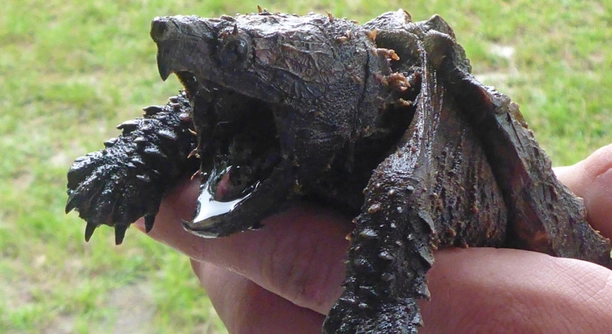
Alligator snapping turtles are fascinating creatures, but they require proper care to stay healthy. One key aspect of their health is their shell, which can become dehydrated if not properly maintained.
A dehydrated alligator snapping turtle’s shell may appear dry, cracked, or sunken. This can happen when the turtle is not provided with enough water or humidity, leading to stress and potential health problems.
Taking steps to monitor and maintain your turtle’s hydration is important. By recognizing the signs of dehydration, you can ensure your turtle’s health and well-being in its habitat.
Signs of Dehydration in Alligator Snapping Turtles
When an alligator snapping turtle is dehydrated, its shell might show noticeable changes. A healthy shell should be firm and smooth, but dehydration causes the shell to appear dry, cracked, or soft. The turtle’s skin might also look tight, and there could be visible sunken areas. These signs often go unnoticed but can worsen quickly if left untreated. Dehydration stresses the turtle, affecting its immune system and overall health.
It’s essential to ensure that the turtle has access to clean, fresh water at all times. This includes not only having a water bowl but also maintaining the right humidity in their environment.
Keeping the water temperature at an appropriate level can help prevent dehydration. If you notice any of these signs, adjusting their habitat and providing extra hydration can aid in recovery. Regular observation is key to catching dehydration early, as it’s easier to prevent than to treat once severe damage occurs. Be proactive in maintaining proper care.
How to Hydrate Your Alligator Snapping Turtle
To restore hydration, provide your turtle with more water, either by soaking it in a shallow dish or by offering moist food.
Offering your turtle water soaks helps rehydrate its shell and body. Gently place your turtle in a shallow container of water, making sure it is not too deep. Let it soak for 20 to 30 minutes at least once a day. In addition, adding moisture-rich foods like leafy greens and small fish to its diet can help boost hydration levels. Freshwater and the right humidity levels in its habitat also promote good health.
Creating a balanced environment will reduce the risk of dehydration in the future. Keep the habitat’s temperature steady, and ensure there is enough humidity to maintain moisture around the turtle. Proper hydration is crucial for shell health and overall well-being.
Causes of Shell Dehydration
Dehydration can occur if an alligator snapping turtle is not getting enough water or if its habitat is too dry. Factors like an inadequate water supply, low humidity, or improper environmental conditions are often to blame. It’s important to ensure the turtle has both access to water and a humid area for proper health.
Environmental factors play a big role in hydration levels. If the temperature is too high or the humidity is low, the water in the turtle’s body can evaporate faster than it can take in. Inadequate water filtration or poor water quality can also cause dehydration. Make sure their tank is cleaned regularly, and use water de-chlorinators to keep the water healthy.
Some turtles may not drink enough water because they’re stressed, either from an overcrowded tank or other environmental issues. Monitor the overall conditions closely. A stable, well-maintained environment reduces dehydration risks and supports a healthy shell.
Preventing Dehydration in Your Turtle
Preventing dehydration is easier than treating it. Consistently providing fresh, clean water and maintaining the right temperature and humidity can help keep your turtle’s shell healthy.
Maintain a humid environment by placing plants or a shallow water dish where the turtle can soak comfortably. Humidity can also be regulated using a humidifier. Keeping their living space clean and ensuring there’s no stagnant water is important. The right setup will help your turtle stay hydrated and reduce the risk of shell damage caused by dehydration.
Additionally, ensure your turtle is getting proper nutrition. Certain foods, such as watery vegetables, can help them stay hydrated. Pay attention to their behavior as well, and keep the tank at a temperature that matches their species’ needs. Making these simple adjustments can make a big difference.
Monitoring Your Turtle’s Shell
Regularly checking your turtle’s shell is important to catch signs of dehydration early. If you notice it looks dry, cracked, or brittle, it may be time to adjust its care routine. Close observation ensures you can act quickly to prevent further damage.
Look for subtle signs like changes in the texture or color of the shell. If you spot these, check the water levels and humidity in their habitat. Hydrated turtles have smooth, firm shells, while dehydration can cause them to appear rough or soft. Maintaining a regular routine of shell checks helps with early intervention.
The Role of Proper Lighting
Proper lighting is crucial for the overall health of your turtle. UVB light helps them absorb calcium and maintain healthy shells, while heat lights ensure they can regulate their body temperature.
Without the right balance of UVB and heat, your turtle can become stressed and vulnerable to dehydration. The temperature should match their specific species’ needs to keep their body functioning properly. If their lighting is inadequate, it can affect their hydration levels, making them more prone to shell issues.
Temperature Control
Turtles need a consistent temperature to stay healthy. If it’s too hot or cold, they could become stressed and more prone to dehydration. The tank should have a warm side and a cooler side to give them options for thermoregulation.
FAQ
How can I tell if my alligator snapping turtle is dehydrated?
You can tell if your alligator snapping turtle is dehydrated by observing the appearance and texture of its shell. A healthy shell should be smooth, firm, and slightly shiny. Dehydration causes the shell to become dry, cracked, or soft. You might also notice the skin around its neck or limbs looking tight or wrinkled. Additionally, the turtle may seem lethargic or inactive, which is another sign of dehydration.
Can dehydration cause long-term damage to my turtle’s shell?
Yes, prolonged dehydration can lead to long-term damage to your turtle’s shell. If the shell remains dry and cracked over time, it can become weakened and vulnerable to infection. Dehydration can also affect the turtle’s overall health, leading to problems with its immune system and organ function. It’s important to address dehydration as soon as possible to prevent lasting damage.
What should I do if my turtle’s shell is dry or cracked?
If your turtle’s shell is dry or cracked, the first step is to improve its hydration. Soak the turtle in clean, shallow water for about 20 to 30 minutes to help rehydrate its shell and body. Additionally, check the humidity and water temperature in its tank and adjust if needed. If the shell remains dry or cracked, consulting a vet is recommended for further treatment.
How often should I soak my alligator snapping turtle?
Soaking your turtle once a day is generally recommended to ensure it stays hydrated. If the turtle shows signs of dehydration or a dry shell, you can soak it more frequently. Make sure the water is not too deep, just enough to submerge its body and allow it to drink if it wishes. Always ensure the water is clean and free of chemicals or contaminants.
Is it normal for my alligator snapping turtle’s shell to feel soft at times?
A slightly soft shell might be normal in some instances, such as after soaking in water or if the turtle has just eaten. However, if the shell feels consistently soft or spongy without any obvious cause, this could be a sign of dehydration or a more serious health issue. It’s best to monitor the situation closely and adjust its habitat to maintain proper hydration levels. If the shell remains soft, a vet visit is advised.
Can I use regular tap water for my turtle’s soaking?
It’s not recommended to use regular tap water for soaking your turtle unless it’s been treated to remove chlorine or chloramines. These chemicals can be harmful to your turtle’s health. Use de-chlorinated water or filtered water to avoid exposing your turtle to these potentially harmful substances. If using tap water, let it sit for 24 hours to allow the chemicals to dissipate.
How do I maintain proper humidity for my turtle?
To maintain proper humidity, place plants or water containers in your turtle’s enclosure that will naturally increase the moisture levels. You can also use a humidifier or mist the tank regularly. The humidity should be around 50-70%, depending on the species. Additionally, ensure that the turtle has a designated dry area in its habitat to regulate moisture levels.
Can dehydration affect my turtle’s appetite?
Yes, dehydration can reduce your turtle’s appetite. A dehydrated turtle may become lethargic and less interested in food. If you notice a decrease in your turtle’s eating habits, check for signs of dehydration. Ensuring your turtle is properly hydrated should help restore its appetite. However, if the loss of appetite persists, a visit to the vet is recommended.
What are some common mistakes that lead to dehydration in alligator snapping turtles?
Common mistakes that can lead to dehydration include providing an inadequate water supply, not maintaining proper humidity, or allowing the temperature in the tank to fluctuate too much. Overcrowding in the enclosure or using harsh chemicals in the water can also contribute to dehydration. Regular tank maintenance and a consistent care routine are crucial to preventing dehydration.
How can I prevent my alligator snapping turtle from becoming dehydrated in the future?
To prevent dehydration, ensure your turtle has constant access to fresh, clean water and proper humidity in its habitat. Soak your turtle regularly and monitor its behavior for any signs of dehydration. Keep the tank temperature consistent and provide a balanced diet that includes moisture-rich foods. Regularly clean the tank and replace the water to prevent contamination. By maintaining these conditions, you can reduce the risk of dehydration and ensure your turtle remains healthy.
Final Thoughts
Dehydration is a serious issue for alligator snapping turtles, and it’s something that should not be ignored. A dehydrated turtle can suffer from a weakened shell, lower immunity, and overall poor health. Recognizing the early signs, like a dry or cracked shell, will help prevent more serious problems. Ensuring your turtle has access to clean, fresh water and the proper humidity is essential for its well-being. If you notice any changes in the texture of the shell or a lack of energy in your turtle, it’s important to take action quickly.
One of the best ways to keep your alligator snapping turtle hydrated is to maintain a stable environment. Providing clean water, proper lighting, and the correct humidity will help your turtle stay healthy and avoid dehydration. Regularly checking the water quality and temperature ensures that your turtle’s habitat remains suitable. Also, soaking your turtle in shallow water can help restore hydration. Monitoring their behavior and adjusting their care routine accordingly can make a big difference in preventing dehydration from becoming a major issue.
In the end, taking care of an alligator snapping turtle requires attention to detail and consistency. By offering the right environment, providing proper nutrition, and regularly checking for signs of dehydration, you can ensure your turtle stays happy and healthy. Don’t wait until the signs of dehydration become severe—make sure you are proactive in monitoring and adjusting your turtle’s care to prevent any long-term health problems. A little effort now will go a long way in helping your turtle thrive.

Hello,
If you enjoy the content that we create, please consider saying a "Thank You!" by leaving a tip.
Every little bit helps us continue crafting quality advice that supports the health, happiness, and well-being of pets around the world, for pets of all shapes, sizes, and species.
We really appreciate the kindness and support that you show us!