
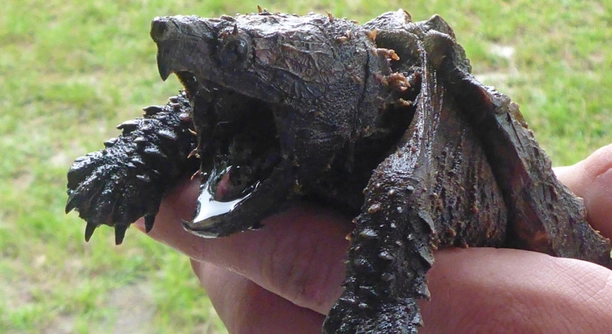
Alligator snapping turtles are fascinating creatures, but they require careful attention to their health. If you’re a turtle owner, you want to make sure your pet stays healthy and happy. Recognizing signs of illness early can help prevent more serious issues.
Alligator snapping turtles may show specific symptoms when they are unwell, such as changes in behavior, eating habits, or physical appearance. Keeping an eye on these signs will help you address any potential health concerns quickly.
Understanding the signs of illness in your turtle allows you to act early and protect their well-being. The following sections will guide you through identifying these signs and the best ways to treat them.
Change in Appetite or Refusal to Eat
If your alligator snapping turtle starts refusing food or eating less than usual, it could be a sign something is wrong. A healthy turtle will generally be interested in eating, so a sudden decrease in appetite is a red flag. This change could indicate an underlying health problem, such as infection, stress, or even an environmental issue. It’s important to monitor their feeding habits closely.
An alligator snapping turtle’s diet should be varied, including both protein and plant matter. If the turtle isn’t eating its usual food or is leaving meals untouched, take note of the behavior. It’s not just about the food, but how they behave around feeding time. If the behavior continues for an extended period, seek veterinary help.
A lack of appetite can stem from a number of causes, from the water temperature being too cold to the presence of parasites. Stress can also make your turtle less interested in food. If the issue persists and you notice other signs of illness, such as lethargy or abnormal behavior, don’t hesitate to consult a vet. The sooner you act, the better.
Abnormal Shell Appearance
Your turtle’s shell is one of the most important indicators of its health. If you notice any cracks, soft spots, or unusual discoloration, something might be off. Healthy shells should be hard and free of visible damage.
An unhealthy shell could be a result of poor nutrition, lack of UVB light, or an infection. If left untreated, shell issues can become more severe and even affect your turtle’s overall health. Regular checks of your turtle’s shell can help catch any early signs of trouble.
Lethargy or Unusual Behavior
If your alligator snapping turtle becomes unusually lethargic, it may be a sign that something is wrong. Turtles are generally active creatures, especially when they are healthy. A drastic decrease in movement or activity is a warning signal.
Turtles may become lethargic for a variety of reasons, such as improper water temperature, infection, or malnutrition. Their cold-blooded nature means they need the right environmental conditions to stay active and healthy. If your turtle is sluggish and isn’t moving around like normal, check the water temperature and lighting, and ensure the tank is clean.
Infections can also cause fatigue. If your turtle refuses to move for long periods and isn’t showing interest in its surroundings, it could be suffering from something more serious. Make sure your turtle is in an appropriate habitat and observe if any other symptoms appear alongside lethargy. Seeking advice from a vet can help pinpoint the cause.
Changes in Swimming Patterns
Your turtle’s swimming behavior can be an indicator of its health. Healthy alligator snapping turtles swim with ease and confidence, but if they seem to be struggling or swimming in circles, it’s time to take notice.
Changes in swimming patterns often suggest that the turtle might be experiencing discomfort, stress, or an underlying health issue. If your turtle is floating abnormally or staying near the surface for long periods, this could be due to issues like buoyancy problems, infection, or poor water quality. Look for signs of distress or discomfort when your turtle is swimming.
In some cases, turtles may swim erratically if they are dealing with respiratory issues or a parasite infestation. Be sure to check the water for any toxins, such as high ammonia levels, which can harm your turtle. A healthy turtle should swim normally and show a clear interest in exploring its environment.
Swollen Eyes
Swelling around your alligator snapping turtle’s eyes is a sign of possible infection or irritation. Healthy eyes should be clear and bright. If you notice any puffiness, it’s important to address it as soon as possible.
Eye swelling can be caused by bacterial infections, poor water quality, or even vitamin A deficiency. If left untreated, it could worsen and affect your turtle’s vision. Keep a close eye on any changes and make sure to adjust water conditions to prevent further irritation.
Proper lighting, along with a well-balanced diet, is essential for your turtle’s overall eye health. Consult a vet if swelling persists to ensure it doesn’t develop into something more serious.
Abnormal Feces
Watch for changes in your turtle’s feces. Abnormal stool can be an early sign of illness or infection. If your turtle’s waste appears watery, unusually colored, or has an unpleasant odor, it’s time to investigate.
Changes in the stool could be linked to diet, parasites, or digestive issues. A sudden shift in diet or a change in the turtle’s environment could also lead to such issues. Make sure your turtle is getting the right nutrients and that the water quality is ideal. If the problem continues, it may be worth a trip to the vet for further tests.
Difficulty Breathing
If your alligator snapping turtle seems to struggle with breathing, or you notice it spending more time at the surface of the water, it could be a sign of respiratory issues. Difficulty breathing should never be ignored, as it can quickly worsen.
Turtles are susceptible to respiratory infections, which can cause them to exhibit labored breathing or extend their necks in an effort to breathe. These issues can be linked to poor water conditions, especially if there’s a build-up of harmful bacteria. Make sure the water is properly filtered, and the tank is regularly cleaned. If breathing problems persist, seek medical attention promptly.
FAQ
What causes my alligator snapping turtle to lose its appetite?
There are several reasons why an alligator snapping turtle might lose its appetite. Stress, poor water quality, or a change in diet can all cause them to stop eating. If the water temperature is too low or too high, it can affect their digestion and make them less interested in food. Additionally, infections, parasites, or an underlying health issue can lead to a decrease in appetite. If your turtle refuses to eat for more than a few days, it’s important to seek veterinary care to identify the root cause.
How can I tell if my alligator snapping turtle is stressed?
Stress in alligator snapping turtles can manifest in various ways, including lethargy, lack of appetite, and abnormal behavior. Common stressors include improper tank conditions such as fluctuating water temperature, loud environments, or aggressive tank mates. If you notice your turtle hiding more than usual or swimming erratically, stress could be the cause. Providing a calm, quiet space with the correct water temperature and good tank mates is key to reducing stress in your turtle.
Why is my turtle’s shell soft or discolored?
A soft or discolored shell can indicate several problems. It may be a sign of a nutritional deficiency, often a lack of calcium. A proper diet and exposure to UVB light are necessary to maintain a strong, healthy shell. Softness can also result from shell rot, which is typically caused by infection or poor water quality. If you notice discolored spots or softness, immediately check the tank conditions and consult a vet if the issue persists.
What should I do if my turtle’s eyes are swollen?
Swollen eyes are usually a sign of an infection, either bacterial or fungal, or sometimes a vitamin deficiency. One common cause is a lack of vitamin A, which is essential for eye health. If your turtle’s eyes are swollen, remove any potential sources of infection, such as poor water quality or unclean tank conditions. A vitamin supplement can be helpful, but if swelling persists, you should take your turtle to the vet for diagnosis and treatment.
How can I improve my alligator snapping turtle’s water quality?
Maintaining clean water is crucial to your turtle’s health. Regular water changes, at least once a week, and a good filtration system are necessary to keep the water free of toxins like ammonia and nitrates. Test the water regularly to ensure it has proper pH levels and that there is no build-up of harmful bacteria. The water temperature should be between 75°F and 85°F for optimum health. Remove any leftover food and debris daily to maintain clean conditions.
What signs should I look for if my turtle is sick?
Common signs of illness in alligator snapping turtles include loss of appetite, lethargy, swollen eyes, difficulty swimming, and changes in the appearance of the shell. Abnormal feces or respiratory issues, such as labored breathing, can also indicate sickness. If your turtle is displaying any of these symptoms, it’s important to assess its environment and look for possible causes. If symptoms persist, consulting a vet is the best course of action.
How often should I feed my alligator snapping turtle?
Alligator snapping turtles are generally fed every 2-3 days, but the frequency depends on the turtle’s size and age. Young turtles may need to be fed daily, while adults can be fed less frequently. A varied diet consisting of meat, fish, and vegetables should be provided. Be mindful of overfeeding, as it can lead to water quality issues and obesity. Always ensure the food is properly sized to prevent choking or difficulty eating.
Why is my turtle spending more time at the surface of the water?
If your turtle is spending more time at the surface, it could be a sign of respiratory issues. Turtles will often seek the surface to breathe if they are struggling to get enough air. This could be due to an infection, poor water conditions, or problems with their lungs. Ensure the water is clean and free of harmful bacteria, and if the behavior persists, consult a veterinarian for further evaluation.
Can alligator snapping turtles live with other species?
Alligator snapping turtles can be territorial, so it’s important to carefully select tank mates. Smaller or more peaceful species can be at risk of being injured or eaten. It’s best to house them alone, as they may become aggressive toward other animals, especially in a confined space. If you do choose to keep multiple turtles or species together, ensure there is plenty of space and hideouts for all the animals. Monitor their interactions to prevent aggression.
How do I know if my turtle is dehydrated?
Dehydration is a serious concern for turtles and can be hard to detect right away. Symptoms of dehydration may include sunken eyes, lethargy, and a lack of appetite. If you suspect dehydration, ensure your turtle is drinking from its water source regularly. You can also soak your turtle in shallow water for 15 to 20 minutes, which helps them absorb moisture through their skin. If dehydration persists, it’s best to consult a vet for further advice.
Taking care of an alligator snapping turtle can be incredibly rewarding, but it also requires attention to detail. By being aware of the signs of illness and understanding your turtle’s needs, you can ensure they stay healthy and thrive in their environment. Regularly checking for any changes in behavior, appetite, or physical appearance is essential for identifying potential health problems early on. The earlier you catch an issue, the easier it will be to treat and prevent it from becoming more serious.
Maintaining a proper habitat for your alligator snapping turtle is crucial for its well-being. This includes ensuring that the water temperature, water quality, and lighting are all suitable for your turtle. Clean, well-maintained water is essential, as poor water conditions can lead to infections and other health problems. Providing a balanced diet and addressing any nutritional deficiencies, such as vitamin A for eye health, will also help your turtle stay in good condition. Additionally, be mindful of the tank’s space, as alligator snapping turtles can be territorial, and overcrowding may lead to stress or aggression.
If you ever notice signs of illness, it’s important not to wait too long before seeking professional help. While some minor issues can be resolved with adjustments to diet or environment, others may require veterinary intervention. Consulting a reptile vet ensures that your turtle gets the best care possible and that you don’t miss out on any necessary treatments. Taking these steps will help you provide a safe, healthy, and enjoyable environment for your alligator snapping turtle for years to come.

Hello,
If you enjoy the content that we create, please consider saying a "Thank You!" by leaving a tip.
Every little bit helps us continue crafting quality advice that supports the health, happiness, and well-being of pets around the world, for pets of all shapes, sizes, and species.
We really appreciate the kindness and support that you show us!