
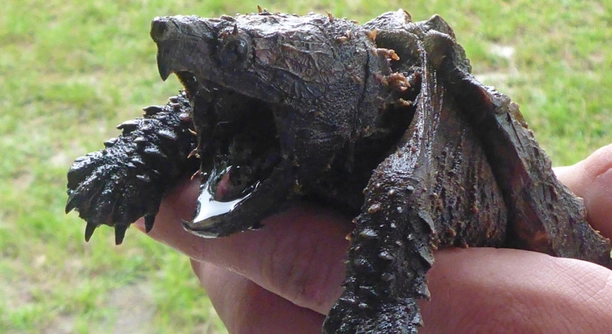
Maintaining a clean environment in your alligator snapping turtle’s tank is essential for its health and well-being. Good filtration helps prevent harmful buildup and keeps the water clear. Here are seven easy ways to improve filtration in your turtle’s habitat.
To improve filtration in your alligator snapping turtle’s tank, start by selecting the right filter for your tank size. Additionally, cleaning the filter regularly, using high-quality filter media, and adding live plants can greatly enhance water quality and clarity.
Simple actions like adjusting the flow rate and monitoring the water’s condition can also improve filtration. Proper maintenance can ensure your turtle enjoys a healthier, cleaner environment.
Choose the Right Filter for Your Tank Size
Selecting the right filter is the first step in improving your turtle’s tank filtration. If your tank is too large for the filter, it won’t be able to handle the waste produced by your alligator snapping turtle. Conversely, a filter that’s too small will struggle to maintain clean water. The general rule is to have a filter that can process at least four times the water volume of the tank per hour. For example, if your tank holds 100 gallons, aim for a filter that can process 400 gallons of water per hour. This ensures effective filtration, keeping the water fresh and clear.
Choosing the correct filter also depends on the type of filter media it uses. Canister filters, for instance, are highly efficient and can handle large debris and fine particles, making them ideal for larger tanks. They’re also easier to maintain and last longer.
When shopping for a filter, make sure it’s designed specifically for aquatic reptiles. A filter that’s made for tropical fish might not be powerful enough to handle the waste your turtle creates. Investing in the right filter will save you time, effort, and help create a healthier habitat for your snapping turtle.
Regularly Clean the Filter
Regular filter cleaning is crucial in ensuring optimal water quality. Over time, debris and waste can clog the filter, reducing its efficiency.
Cleaning your filter every two weeks or as needed will ensure it’s working at full capacity. During this process, remove the filter media and rinse it under water to remove any debris. Avoid using soap, as it can harm your turtle.
Use High-Quality Filter Media
Using the right filter media can significantly improve filtration in your turtle’s tank. High-quality filter media can trap fine particles and bacteria, ensuring cleaner water and a healthier environment.
Biological media, such as ceramic rings, help break down harmful waste. Mechanical media, like foam pads, remove larger debris, while chemical media, like activated carbon, can remove odors and discoloration. Combining these types of media will give your filter the versatility it needs to tackle different kinds of waste effectively.
Always replace the filter media as recommended by the manufacturer. Over time, the media becomes less effective, and it’s essential to swap it out to maintain optimal filtration. Avoid overloading your filter, as it can cause the media to clog faster.
Add Live Plants for Natural Filtration
Live plants not only brighten up the tank, but they also help improve water quality. They naturally filter the water by absorbing excess nutrients and waste products, reducing algae growth.
Plants like Anubias or Java Fern thrive in turtle tanks and can be planted in the substrate or attached to decorations. They create hiding spots for your turtle while maintaining a natural ecosystem. Adding plants reduces the load on your filter, making the filtration system more efficient.
Besides helping with filtration, live plants provide an additional food source for your turtle. As your snapping turtle nibbles on the plants, it can improve its diet and digestion.
Adjust the Water Flow
Adjusting the water flow can help optimize filtration and ensure your alligator snapping turtle is comfortable. Too strong a current can stress your turtle, while too weak of a flow won’t properly filter the water.
Most filters allow you to adjust the flow rate, so experiment with different settings to find the balance. Aim for a moderate flow that will move the water but not cause strong currents. Your turtle will appreciate the gentler water movement, and the filtration will remain effective.
Having the right water flow also helps distribute heat and oxygen evenly throughout the tank. This can improve your turtle’s overall health and make the environment more stable.
Perform Regular Water Changes
Regular water changes are essential to maintaining a clean environment for your turtle. Even with a good filtration system, some waste and toxins will build up in the water.
Aim to change about 20-30% of the water every two weeks. This will help remove toxins, prevent algae growth, and ensure a healthier habitat for your turtle. Make sure to treat tap water with a dechlorinator before adding it to the tank to protect your turtle from harmful chemicals.
Changing the water also helps maintain proper pH and temperature levels, which are crucial for your turtle’s health. The cleaner the water, the better it will support your turtle’s overall well-being.
Avoid Overfeeding Your Turtle
Overfeeding your turtle can lead to more waste in the tank, which puts additional strain on the filtration system. Feed your turtle only what it can consume in 15-20 minutes. Leftover food will break down and pollute the water.
By feeding your turtle smaller portions, you can avoid excess waste while keeping the tank cleaner.
FAQ
How often should I clean my alligator snapping turtle’s filter?
Cleaning the filter regularly is essential to maintaining a healthy tank environment. It’s recommended to clean the filter every two weeks, depending on how much waste your turtle produces. If you notice the water quality declining or the filter’s flow rate slowing down, clean it sooner.
When cleaning the filter, rinse the filter media in tank water rather than tap water. Tap water contains chlorine, which can harm beneficial bacteria in the filter. Don’t use soap when cleaning the media; just rinse off debris.
Can I use a fish tank filter for my alligator snapping turtle’s tank?
A fish tank filter might not be powerful enough for an alligator snapping turtle. These turtles produce a significant amount of waste, and you need a filter capable of handling more debris and waste than typical fish tank filters. Consider a filter rated for larger tanks or specifically designed for reptiles.
Canister filters or external filters tend to work best because they offer more filtration power and are easier to maintain. These filters handle debris efficiently, which will keep your turtle’s environment cleaner.
Why does my alligator snapping turtle tank still smell after cleaning?
If your turtle tank smells even after cleaning, it could be due to leftover waste or an inadequate filtration system. Ensure that you’re cleaning all surfaces, including decorations and the substrate, as waste can build up in hidden areas.
Also, check your filter. If it’s not working efficiently, it might not be removing waste effectively, leading to odors. Make sure to clean or replace the filter media and adjust the flow if needed. Adding live plants can help absorb excess nutrients and reduce odors.
What kind of filter should I use for an alligator snapping turtle?
A canister filter or a powerful external filter is the best choice for an alligator snapping turtle. These filters are designed to handle large amounts of waste, which is important for these turtles. Canister filters are easy to maintain, have adjustable flow rates, and can support larger tanks.
Look for filters that are rated for at least 4 times the volume of your tank. For example, if your tank holds 100 gallons, choose a filter that can process 400 gallons of water per hour. This ensures the filtration system is adequate for your turtle’s needs.
How do I know if my turtle’s tank is properly filtered?
The water in your turtle’s tank should be clear and free of debris. If you notice cloudiness or a build-up of algae, the filter might not be working efficiently.
Keep an eye on the water’s pH, temperature, and ammonia levels. If these parameters are unstable or outside the ideal range, the filter may not be removing waste effectively. Regular water testing will help you monitor the tank’s health.
Can I use chemicals in the water to help filtration?
While chemical filters like activated carbon can help remove odors and impurities from the water, it’s best to rely on biological and mechanical filtration for most of the filtration needs in your turtle’s tank. Chemicals can be used to improve water quality, but they should not be your primary method.
Activated carbon can be used to remove organic impurities and odors, while other chemical products can help balance the water chemistry. However, be cautious with chemical treatments, as they may affect your turtle’s health if used excessively.
How can I prevent algae from growing in my turtle’s tank?
Algae growth is a common issue in turtle tanks, especially if the water has excess nutrients. To prevent this, limit the amount of light the tank receives and avoid overfeeding your turtle, as uneaten food contributes to nutrient buildup.
Adding live plants will help absorb the nutrients that algae need to grow, keeping the tank cleaner. Regular water changes also help keep algae growth in check. If algae growth becomes excessive, consider adding a UV sterilizer to the filter to reduce it.
Is it necessary to have a heater in my turtle’s tank?
Yes, alligator snapping turtles need a warm environment. Their water temperature should range from 72°F to 78°F. A heater helps maintain the water temperature consistently, which is crucial for your turtle’s digestion and overall health.
If the water gets too cold, your turtle may become lethargic and have trouble digesting food. A submersible aquarium heater is the most efficient way to maintain the right temperature in the tank. Be sure to use a thermometer to regularly check the water temperature.
Do I need to add a substrate to my turtle’s tank?
Adding a substrate to your turtle’s tank is optional, but it can provide a more natural environment. Substrate like gravel or sand can help with waste filtration by trapping debris. However, it can also make tank cleaning more challenging, as waste may get trapped in the substrate.
If you choose to use a substrate, make sure it is appropriate for your turtle. Avoid small gravel that could be swallowed or ingested. Alternatively, you could opt for a bare-bottom tank for easy cleaning, especially if you don’t want to deal with the mess of substrate.
How can I improve my snapping turtle’s tank conditions without removing it?
Improving your tank’s conditions without removing your turtle is simple. First, clean the tank by removing debris, vacuuming the substrate, and performing a partial water change.
Next, check the filtration system and ensure it’s running properly. You can also add live plants and adjust the water flow for better circulation. Finally, test the water quality and adjust the pH and temperature if necessary. These steps will help maintain a healthier environment for your snapping turtle.
Final Thoughts
Maintaining a clean and healthy environment for your alligator snapping turtle is essential for its well-being. Proper filtration plays a significant role in keeping the water clear and free from harmful toxins that can affect your turtle’s health. By choosing the right filter, cleaning it regularly, and using high-quality filter media, you can ensure that your turtle’s habitat stays in top condition. Regular water changes and adjusting the flow rate are also simple yet effective ways to improve the filtration process. These practices will not only make the water healthier but also create a comfortable living space for your turtle.
Adding live plants to your tank can make a noticeable difference in water quality. Not only do they provide natural filtration by absorbing nutrients and excess waste, but they also contribute to a more natural and enriching environment for your turtle. Plants can also serve as a source of food for your turtle, adding variety to its diet. When paired with a good filtration system, plants help reduce the strain on the filter, making it easier to maintain the tank’s cleanliness. A well-balanced ecosystem in the tank can go a long way in ensuring the health and happiness of your snapping turtle.
Incorporating these tips and practices into your routine will make a positive impact on your turtle’s environment. Whether it’s adjusting the flow rate, performing regular cleanings, or monitoring the filter, each step helps create a better habitat for your turtle. The effort you put into maintaining a clean tank will be well worth it, as it will lead to a healthier and more comfortable living space for your alligator snapping turtle. By keeping the water clean and ensuring proper filtration, you help support your turtle’s overall health and longevity.

Hello,
If you enjoy the content that we create, please consider saying a "Thank You!" by leaving a tip.
Every little bit helps us continue crafting quality advice that supports the health, happiness, and well-being of pets around the world, for pets of all shapes, sizes, and species.
We really appreciate the kindness and support that you show us!