
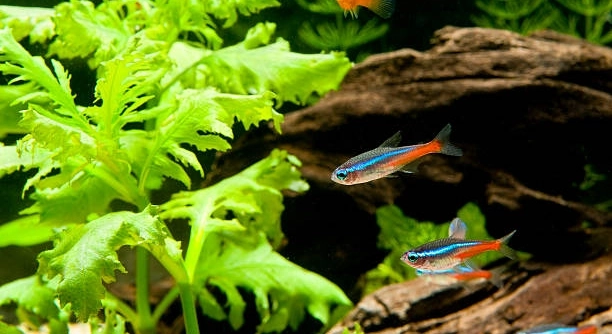
Do you ever find yourself decorating your tetra tank with colorful items, only to wonder if they’re actually safe for your fish?
Certain items, while visually appealing or seemingly useful, can pose risks to the health and well-being of tetras. These include unsafe decorations, improper substrates, and harmful chemicals that may disrupt water quality or stress the fish.
Learning what not to include helps you create a healthier, more comfortable space for your tetras to thrive peacefully and naturally.
Artificial Decorations with Sharp Edges
Artificial decorations with sharp or rough edges can harm your tetras without you realizing it. Tetras are small, active swimmers that move quickly through their tanks. Decorations that are not smooth can easily damage their delicate fins and bodies. Injuries like torn fins or scratches can lead to stress and infections, especially in a closed aquarium environment. It’s important to run your fingers over each decoration before placing it in the tank. If it feels rough to the touch, it’s best to avoid using it. Soft, smooth surfaces are always safer. Resin ornaments and fake plants may seem harmless, but many are not made with fish safety in mind. Always check for fish-safe labels when buying tank decorations. The goal is to create a beautiful space that is also safe for your tetras to move through without injury. A simple inspection can make a big difference in their overall health.
Avoid decorations made from hard plastics or those with jagged edges. Smooth, rounded surfaces are a much safer choice for your tetras.
Your fish depend on a calm and injury-free space. Reducing the risk of cuts or scrapes helps prevent disease and supports their daily comfort and movement.
Non-Aquarium-Safe Paints and Glues
Paints and glues not made for aquariums can leach harmful substances into the water. These substances may not be visible, but they can harm your tetras over time.
Many people use craft decorations or DIY items in their tanks, but these often contain paints and adhesives that are not safe when submerged in water. Toxic chemicals from these products can gradually release into the aquarium, polluting the water and causing long-term health problems for the fish. Tetras are especially sensitive to water quality changes, and exposure to toxins can weaken their immune systems, making them more likely to get sick. Symptoms of chemical exposure might include erratic swimming, loss of appetite, or sudden changes in behavior. Always choose materials labeled as aquarium-safe. If you’re unsure, it’s better not to use the item. Stick to trusted brands that clearly state their products are intended for aquatic environments. Taking this precaution helps maintain clean, stable water conditions, keeping your tetras safe and active.
Unwashed Gravel or Sand
Using gravel or sand straight from the bag without rinsing introduces dust and debris into the tank. This can cloud the water, irritate your tetras’ gills, and disrupt your filter. Always rinse substrate thoroughly before placing it in the tank.
Unwashed substrate may contain fine particles, dyes, or residues from packaging and transport. These materials dissolve into the water and make it cloudy, which affects visibility and comfort for your fish. Tetras are sensitive to water changes and may become stressed if the environment is unclear or dirty. Dirty substrate can also clog filters quickly, reducing water circulation and oxygen levels. Before adding gravel or sand, rinse it in a bucket multiple times until the water runs clear. This simple step can prevent future issues and help maintain a clean, healthy environment. Clean substrate sets a solid foundation for the rest of the tank setup and supports better water quality.
In addition to causing cloudy water, unwashed substrate may trap waste or uneaten food, which can rot and produce harmful ammonia. Ammonia spikes stress fish and can cause illness or even death. Proper rinsing ensures your substrate supports a stable, healthy tank instead of becoming a source of harmful buildup. Prevention at the start avoids many long-term problems.
Strong Water Currents
Tetras come from slow-moving waters, so strong currents make it hard for them to swim or rest properly. High flow rates can cause stress, exhaustion, and even injuries to their delicate fins over time.
Most tetras are small, peaceful fish that thrive in gentle water conditions. A powerful filter or water pump can create currents that are too fast, making it difficult for them to navigate their space. They may struggle to reach food, get pushed around, or hide constantly to avoid the current. This affects their eating habits and overall activity. Look for adjustable flow filters or add barriers, like plants or rocks, to slow down water movement. You don’t need to eliminate water flow completely, but it should be soft and steady. Mimicking their natural habitat helps reduce stress and improves behavior. Watching them swim comfortably is a good sign you’ve adjusted the flow correctly.
Tap Water Without Conditioner
Tap water often contains chlorine or chloramine, which are harmful to tetras. These chemicals can damage their gills and reduce oxygen absorption. Always use a water conditioner to neutralize these substances before adding tap water to the tank.
Even if your local water looks clean, it may still carry trace metals or other additives unsafe for fish. Water conditioners are affordable, easy to use, and prevent unnecessary health problems. Never skip this step when filling or topping off your tank.
Bright, Harsh Lighting
Tetras feel more comfortable in soft, subdued lighting that mimics their natural habitat. Bright, intense lights can stress them out and disrupt their behavior. Constant exposure may reduce their color vibrancy and make them hide more often. Use gentle lighting and provide plants or decor for shaded spots.
Unstable Heaters
A heater that fluctuates too much in temperature can harm your tetras. Stable, consistent heat is important for their health and immune function.
FAQ
Can I use regular household decorations in a tetra tank?
Regular household decorations are not safe for tetra tanks unless they’re labeled aquarium-safe. Many contain paints, glues, or coatings that release harmful chemicals in water. Items like painted ceramics, untreated wood, or plastic toys may seem harmless, but they can break down or leach toxins. These substances affect water quality and may lead to stress, illness, or even death in tetras. Stick to items specifically made for aquariums, as they are tested for safety and durability in underwater conditions. It’s better to avoid taking risks, even with small items, especially in a delicate environment like a tetra tank.
How do I test if an object has sharp edges?
Run your fingers slowly over the item to feel for any rough or pointed surfaces. If it feels scratchy or catches on your skin, it’s not safe for tetras. Their fins are delicate and can tear easily on sharp edges. Pay extra attention to any holes, corners, or molded details. If you’re unsure, press a soft piece of cloth against the object—if it snags, it’s best not to use it. Even decorations marketed for aquariums sometimes need a bit of sanding or replacement to meet safety standards. Always check each piece before placing it in the tank.
Is colored gravel safe for tetras?
Colored gravel can be safe if it’s labeled as aquarium-safe. Some gravel sold in craft or garden stores may use dyes or coatings not suitable for aquatic life. These coatings can chip off, releasing unwanted chemicals into the water. Even aquarium-safe gravel needs to be rinsed well before use. Look for gravel made specifically for freshwater fish tanks, as these products are designed to avoid altering water pH or releasing toxins. If the color begins to fade or chip, replace it immediately. Keeping the substrate safe ensures a clean, healthy tank and a safe space for your tetras.
Why are strong currents bad for tetras?
Tetras come from slow-flowing rivers and streams. Strong currents in tanks can exhaust them, cause stress, and even lead to physical damage. You may notice them hiding more or struggling to swim. High water flow can also make feeding difficult and disturb their natural behavior. If you’re using a powerful filter, try adjusting the output or adding plants, rocks, or decorations to slow the current. Some filters come with flow control settings, which are especially helpful. Creating calm zones in the tank helps your tetras feel secure and allows them to rest or swim comfortably when they need to.
What happens if I forget to use water conditioner?
Forgetting to use water conditioner can lead to serious problems. Chlorine and chloramine in tap water can damage fish gills, reduce oxygen intake, and stress the immune system. Even a small amount of untreated water can cause harm over time. You might notice your tetras gasping near the surface, losing color, or behaving unusually. These are signs of chemical irritation. Always add water conditioner when setting up a new tank or topping off the water. It takes only a few seconds and prevents a wide range of health issues. It’s one of the easiest and most important steps in tank care.
Do aquarium heaters need regular checks?
Yes, aquarium heaters should be checked regularly. A malfunctioning heater can cause sudden temperature drops or spikes, which are dangerous for tetras. Use a reliable thermometer to monitor the tank temperature daily. Stable temperatures between 74°F and 80°F are best. If your heater doesn’t hold a steady range, consider replacing it. Sudden changes can lead to stress and weaken the immune system. Heaters with adjustable thermostats and automatic shut-off features provide better control and safety. Place the heater in an area with good water circulation to ensure even heat distribution across the tank. Regular checks help avoid sudden issues.
Final Thoughts
Creating a healthy and safe environment for your tetras starts with knowing what to avoid. Small mistakes, like using the wrong decorations or skipping water conditioner, can lead to long-term problems. Even if the tank looks clean and well-decorated, hidden dangers may still affect your fish. Tetras are sensitive to changes in water quality, temperature, and surroundings. That’s why it’s important to pay attention to the little details. Choosing smooth decorations, stable heaters, and safe materials helps protect their health. It also makes your job easier because a safe tank is much easier to maintain over time.
Always double-check items before adding them to the tank. Something that seems fine at first can cause problems after a few days or weeks. Decorations, lighting, and even water flow all play a role in how your tetras feel and behave. Watching your fish swim freely, eat well, and show bright colors is a sign that everything is working. If you ever notice signs of stress like hiding, poor appetite, or odd swimming patterns, look for possible causes in the setup. Sometimes small adjustments make a big difference. There’s no need to rush—take the time to make sure every choice supports their well-being.
Setting up and maintaining a tetra tank should feel manageable and rewarding. By avoiding harmful materials and keeping things consistent, you’ll give your fish the best chance to thrive. Don’t worry about having a perfect tank. Focus instead on providing clean water, gentle lighting, proper filtration, and a calm space. Over time, you’ll learn more about what your tetras like and need. With the right care and attention, they’ll remain active, healthy, and enjoyable to watch. Keeping their environment safe is one of the most important parts of fish care, and it helps build a better home for your tetras every day.

Hello,
If you enjoy the content that we create, please consider saying a "Thank You!" by leaving a tip.
Every little bit helps us continue crafting quality advice that supports the health, happiness, and well-being of pets around the world, for pets of all shapes, sizes, and species.
We really appreciate the kindness and support that you show us!