
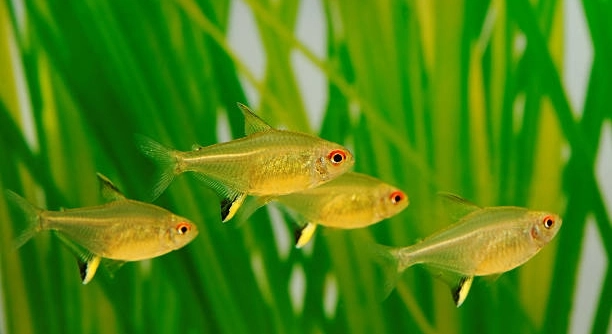
Lemon tetras are small, lively fish that brighten any freshwater tank. Their playful swimming patterns often catch the eye, making it easy to enjoy their movement while observing their interactions with other tank mates.
Determining whether lemon tetras are playing or fighting relies on close observation of behavior and posture. Playful interactions are generally gentle, brief, and involve chasing or nipping without injury, while aggressive fights show sustained attacks, flared fins, and visible stress signs.
Recognizing these subtle differences helps ensure a harmonious aquarium environment and supports the well-being of your lemon tetras over time.
Understanding Lemon Tetra Behavior
Lemon tetras are naturally social fish that thrive in groups. Observing their behavior closely can reveal whether they are simply playing or expressing aggression. Playful movements include gentle chasing, quick dashes, and occasional nips that don’t cause harm. These interactions usually last only a few seconds and are often repeated throughout the day. Watching how they interact with other tank mates can also provide insight. When multiple tetras engage together, it often signals social play rather than conflict. On the other hand, aggressive behavior is more pronounced. Fish may flare their fins, repeatedly chase a single individual, or attempt to bite repeatedly. Stressed fish may hide or show physical signs of injury, such as torn fins. Tank conditions also influence behavior. Overcrowding, lack of plants, or insufficient hiding spots can increase stress and provoke fights. Proper observation over time helps distinguish playful interactions from aggression.
Monitoring these patterns regularly ensures you can maintain a peaceful aquarium environment for your tetras.
Environmental factors, including water temperature, tank size, and the number of tank mates, strongly influence behavior. A well-planted tank allows lemon tetras to hide or retreat, reducing conflict. Temperature fluctuations or poor water quality can cause stress, leading to increased aggression. Keeping at least six tetras together encourages natural schooling behavior, which reduces targeting of individuals. Observing their swimming patterns is important: synchronized swimming and brief, gentle chases indicate play, while relentless pursuit or fin nipping shows aggression. Providing a balanced diet also supports calm behavior, as hungry fish are more likely to compete for food. By combining careful observation, proper tank setup, and stable conditions, you can help your lemon tetras thrive socially while minimizing aggressive incidents.
Signs of Playful Interactions
Playful lemon tetras often dart around each other without causing injury, displaying brief chases and mild nips. Their fins remain relaxed, and no fish is cornered or stressed.
Watching for subtle cues is essential. Fish may circle, chase, or swim closely in a group, showing energy and curiosity without harm. Play typically ends naturally, and the fish quickly return to calm swimming. Unlike fights, playful behavior does not leave lasting damage. Maintaining a structured, well-planted tank allows these interactions to continue safely. Over time, observing these signs gives insight into the fish’s personalities and social dynamics, creating a more enjoyable and balanced aquarium experience. Ensuring your tetras have enough space, hiding spots, and companions of similar size can prevent misunderstandings and reduce stress. Playful behavior supports mental stimulation and physical activity, which are vital for healthy fish. By carefully recognizing these positive interactions, you can encourage a lively, engaging tank environment that benefits every lemon tetra in your care.
Identifying Aggression in Lemon Tetras
Aggressive lemon tetras often chase a single fish repeatedly, bite fins, and show flared fins. Stressed or injured fish may hide or appear lethargic. These behaviors are more sustained than playful interactions and usually result in visible stress or minor injuries.
Aggression often occurs when the tank is overcrowded or poorly structured. Lemon tetras need space and hiding spots to feel secure. Without these, dominant individuals may target weaker fish, increasing tension. Signs include persistent chasing, nipping, and disrupted swimming patterns. Watching interactions over time helps identify repeated patterns, making it easier to separate fish if needed.
Diet and tank conditions also impact aggression. Underfed fish or inconsistent feeding schedules can lead to competition. Water quality issues, temperature fluctuations, and sudden changes in environment may trigger stress responses. Recognizing these triggers early helps prevent prolonged conflicts. Providing a balanced diet, stable water conditions, and sufficient space allows lemon tetras to coexist peacefully while reducing tension and maintaining a healthy, active tank.
Managing Tank Conditions for Harmony
A well-planted and appropriately sized tank reduces stress and aggression among lemon tetras. Hiding spots, decorations, and open swimming areas are essential for natural behavior.
Monitoring water quality is critical. Stable temperature, proper filtration, and regular water changes prevent stress-induced aggression. Grouping tetras in numbers of six or more encourages schooling and reduces targeting of single fish. Observing behavior during feeding and play sessions helps identify potential problems early. Adjustments such as rearranging plants or adding shelter can redirect aggressive tendencies. Creating a balanced environment ensures each tetra can swim freely, interact socially, and remain healthy without unnecessary stress. Careful planning and consistent maintenance result in a more harmonious and lively tank.
Common Triggers for Aggression
Overcrowding and lack of hiding spots are the main triggers for aggression in lemon tetras. Dominant fish may chase or nip weaker tank mates when space is limited. Stressful water conditions can also provoke aggressive behavior.
Sudden changes in lighting or tank layout can startle fish, increasing tension. Even minor disturbances may trigger chasing or nipping among tetras.
Using Observation to Prevent Conflict
Regularly watching your lemon tetras allows you to spot early signs of aggression. Noting patterns helps determine whether the behavior is playful or threatening. Consistent observation supports timely intervention and keeps the tank environment stable, minimizing stress for all fish.
Adjusting Tank Layout
Adding plants, rocks, and hiding spaces helps reduce tension among lemon tetras. These structures create safe zones for retreat and personal space.
Feeding and Aggression
Proper feeding routines help lower competition. Consistent schedules and adequate portions reduce stress-induced chasing and fin nipping.
FAQ
How can I tell if my lemon tetras are playing or fighting?
Playful lemon tetras often chase each other briefly and swim together without causing harm. Their fins remain relaxed, and they stop quickly if the interaction becomes too intense. Fighting usually involves persistent chasing, flared fins, repeated biting, and sometimes visible injuries. Observing the frequency and duration of interactions helps determine intent.
What signs indicate aggression among lemon tetras?
Aggression is shown by continuous chasing of one fish, fin nipping, and dominance displays such as flaring fins. Stressed fish may hide, appear lethargic, or have torn fins. Aggression tends to increase if the tank is overcrowded or poorly structured. Environmental stressors, like fluctuating water quality, can also trigger aggressive behavior.
Does tank size affect aggression?
Yes, tank size is very important. Small or overcrowded tanks can lead to increased chasing and territorial disputes. Lemon tetras need room to school and explore. Providing a tank with at least 20 gallons for a small group helps reduce stress and allows for natural swimming patterns.
How does the number of tetras impact behavior?
Lemon tetras are schooling fish and feel safer in groups of six or more. Small groups may lead to dominance issues, causing one or two fish to be bullied. A larger group spreads interactions evenly, preventing any individual from being singled out and reducing aggressive incidents.
Can tank decorations influence behavior?
Yes, plants, rocks, and hiding spaces reduce tension. Structures create areas where fish can retreat if they feel threatened. A mix of open swimming areas and hiding spots supports both play and natural social behavior while preventing prolonged aggressive encounters.
Does diet play a role in aggression?
Proper feeding reduces stress and competition. Underfed fish are more likely to chase and nip at others. Feeding consistent portions at regular intervals ensures all tetras receive enough food, which lowers fighting over resources and supports healthy growth.
What water conditions are ideal for lemon tetras?
Stable temperature, pH, and clean water reduce stress and aggression. Lemon tetras prefer slightly acidic to neutral water and moderate temperatures. Regular water changes and proper filtration prevent environmental stress that can lead to chasing or fin nipping.
How do I handle an aggressive tetra?
If one fish is overly aggressive, consider temporarily separating it or rearranging tank decorations to break up established territories. Observing interactions and making gradual changes helps reduce tension without disrupting the entire group. Maintaining a calm environment supports long-term harmony.
Can stressful events trigger fights?
Yes, sudden changes like rearranging the tank, loud noises, or bright lights can trigger aggressive behavior. Fish may chase or nip each other in response to stress. Minimizing disturbances and providing stable conditions helps keep interactions gentle and playful.
How long does it take to tell play from aggression?
Consistent observation over days or weeks is often needed. Playful behavior is short, repeated, and ends naturally. Aggression is sustained, targets a specific fish, and may cause injury. Keeping a record of interactions helps identify patterns and ensures early intervention when needed.
Is it necessary to separate aggressive fish permanently?
Permanent separation is usually only required if one fish consistently injures others despite adjustments to tank size, layout, or feeding. Often, environmental improvements and group dynamics are enough to reduce conflicts. Temporary separation allows fish to calm and restores balance without permanent disruption.
Can breeding behavior be mistaken for fighting?
Yes, during spawning, males may chase females or other males aggressively, but this behavior is temporary. Signs of aggression outside of breeding include ongoing chasing, fin damage, and stress. Observing the context and duration helps differentiate normal breeding activity from harmful fights.
Are some tetras naturally more aggressive?
Individual temperament varies. Some lemon tetras may naturally be more dominant, but environmental factors play a larger role. Proper group size, tank layout, and stable conditions usually prevent dominance from turning into harmful aggression, allowing all fish to coexist safely.
How do I encourage playful behavior?
Providing open swimming areas, hiding spots, and consistent feeding promotes natural social interaction. Playful chases occur when fish feel secure and unstressed. Observation and gradual adjustments to the tank environment support positive interactions and reduce tension among tetras.
What should I do if injuries occur?
Minor nips can heal on their own, but severe fin damage or persistent bullying requires intervention. Remove the injured fish to a recovery tank, check water quality, and address environmental factors to prevent further fights. Ensuring sufficient space and hiding spots reduces repeated injuries.
How often should I monitor behavior?
Daily observation is ideal, even briefly. Noting swimming patterns, chasing frequency, and fin condition helps identify issues early. Consistent monitoring allows you to differentiate between playful interactions and harmful aggression, keeping your tank healthy and balanced.
Can adding more fish reduce aggression?
Adding compatible tetras in sufficient numbers can spread interactions evenly and reduce bullying of individuals. However, the tank must be large enough to prevent overcrowding. Gradual introduction of new fish helps maintain harmony and avoids triggering additional stress or fights.
How do I know if my tank layout is effective?
A well-arranged tank will show fish using all areas, hiding when needed, and interacting socially without prolonged chasing or injury. Observing their movement and behavior after rearranging decorations indicates whether adjustments have successfully reduced aggression.
Is aggression worse in small groups?
Yes, smaller groups tend to have more dominance disputes. One or two fish may be singled out repeatedly, creating stress. Keeping a minimum of six tetras promotes schooling behavior, distributes attention evenly, and minimizes harmful interactions.
How important is water temperature in behavior?
Stable temperature reduces stress and aggression. Sudden changes can trigger chasing and fin nipping. Lemon tetras prefer moderate, consistent temperatures, and small fluctuations may cause behavioral changes that resemble fighting but are stress-induced.
What should I do if aggression persists?
Persistent aggression may require adjusting tank size, adding hiding spots, or temporarily isolating the aggressive fish. Monitoring behavior, maintaining water quality, and ensuring proper diet help reduce tension over time. Permanent separation is only necessary if aggression continues despite these interventions.
Final Thoughts
Lemon tetras are lively and social fish that can bring energy and color to a home aquarium. Observing them closely allows you to understand their behavior and distinguish between playful interactions and aggression. Playful behavior typically includes gentle chasing, brief nips without injury, and swimming together in a group. Fish often return to calm swimming quickly after a playful interaction ends. These moments add life to the tank and show the natural social behavior of lemon tetras. By recognizing these cues, it becomes easier to manage the tank environment in a way that supports their well-being.
Aggressive behavior, on the other hand, can become a problem if left unchecked. Signs of aggression include persistent chasing of a single fish, fin nipping that causes visible damage, and flared fins during confrontations. Stress, overcrowding, poor water quality, and lack of hiding spots can all contribute to aggressive behavior. Addressing these environmental factors is essential for maintaining harmony in the tank. Providing sufficient space, plants, and decorations gives fish areas to retreat and reduces tension. Additionally, keeping the tetras in groups of six or more encourages natural schooling behavior, which lowers the risk of one fish being repeatedly targeted. Regular feeding with consistent portions also helps prevent competition over food, which is another common trigger for aggression.
Maintaining a healthy tank involves more than just observing behavior. Regular water changes, stable temperature, proper filtration, and a balanced diet are all important for reducing stress and promoting calm social interactions. Paying attention to individual fish and their interactions over time helps identify early signs of conflict, making it possible to intervene before problems escalate. Adjustments to tank layout, temporary separation of aggressive individuals, or increasing group size can all help maintain a peaceful environment. Understanding these factors ensures that your lemon tetras can thrive, exhibit natural behavior, and coexist without unnecessary stress. A well-maintained, thoughtfully arranged tank not only protects the health of each fish but also creates a vibrant, engaging display for the aquarist, allowing both the fish and the observer to enjoy a harmonious aquatic environment.

Hello,
If you enjoy the content that we create, please consider saying a "Thank You!" by leaving a tip.
Every little bit helps us continue crafting quality advice that supports the health, happiness, and well-being of pets around the world, for pets of all shapes, sizes, and species.
We really appreciate the kindness and support that you show us!